Businesses Targeted by Trump-Era Immigration Enforcement Surge/ Newslooks/ WASHINGTON/ J. Mansour/ Morning Edition/ As immigration enforcement intensifies under President Trump’s second term, businesses are under pressure both as targets and public players. From I-9 audits to workplace raids, employers face legal uncertainty and community backlash. Public demand grows for corporate accountability.
Immigration Enforcement & Business Tensions Quick Looks
- Businesses nationwide face ICE raids, I-9 audits, and workplace disruptions.
- Trump’s administration escalates mass deportation campaign, targeting both workers and employers.
- Minnesota sees largest DHS operation, prompting hotel, restaurant closures.
- Target, Best Buy CEOs call for de-escalation, but avoid naming immigration directly.
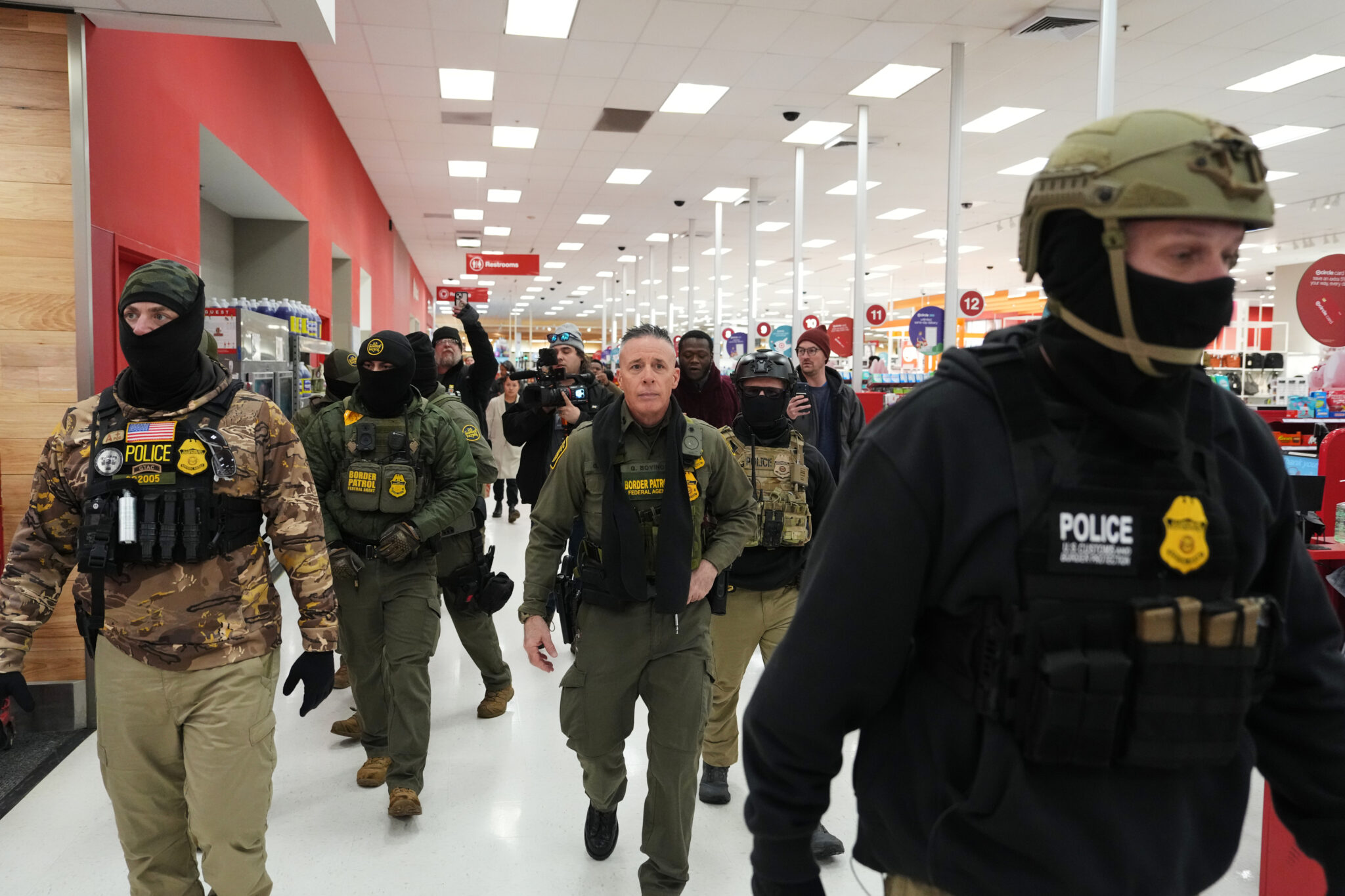
- ICE has detained workers at Target, Home Depot, and during major factory raids.
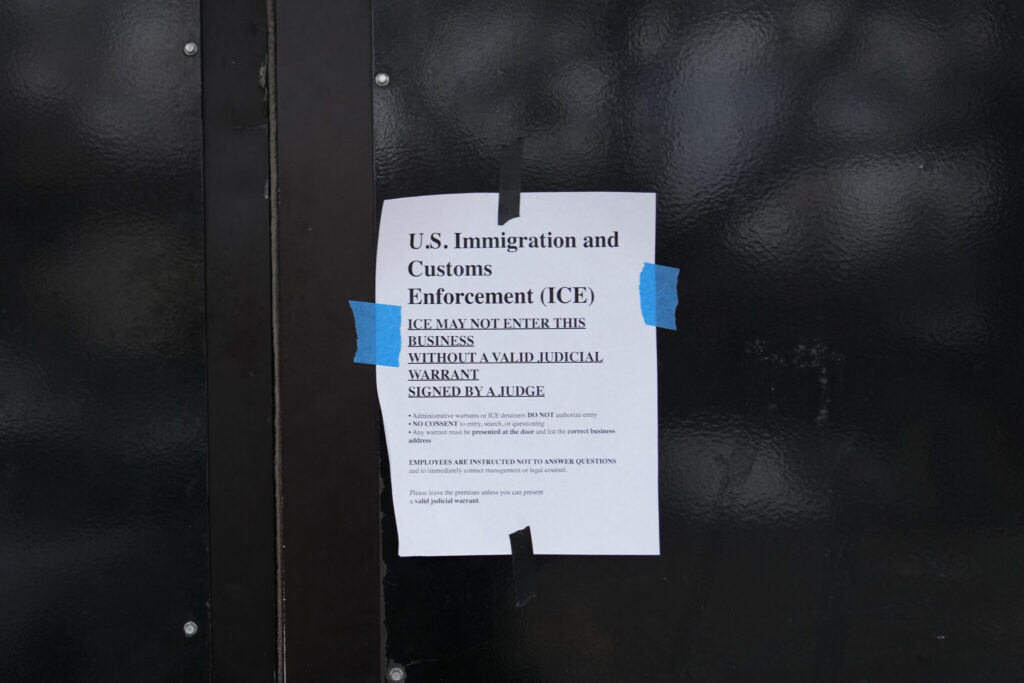
- ICE may enter public business spaces without warrants.
- Judicial warrants are required for private areas like kitchens or back offices.
- Employers may unknowingly grant ICE access without formal authorization.
- Public backlash grows, with calls for big brands to take a stance.
- Worker groups, unions condemn ICE actions as harmful to business and families.
Deep Look: Businesses Targeted by Trump-Era Immigration Enforcement Surge
Washington, D.C. — From mom-and-pop diners to corporate giants like Target and Hilton, businesses across the U.S. are caught in the middle of an escalating immigration crackdown under President Donald Trump’s second term.
While the primary targets are undocumented immigrants, businesses are now directly affected—whether as sites of ICE raids, subjects of compliance audits, or public pressure campaigns demanding companies denounce federal actions.
In Minneapolis, the Department of Homeland Security recently launched what it described as its largest immigration operation to date. Following the fatal shooting of Alex Pretti by U.S. Border Patrol agents there, over 60 prominent Minnesota CEOs — including leaders from Target, Best Buy, and UnitedHealth Group — signed an open letter calling for a “de-escalation of tensions.” However, the letter avoided direct reference to immigration enforcement or federal raids.
This came after viral footage showed ICE detaining two Target employees, and following multiple recent detentions of day laborers and delivery workers across the country. In 2025, a massive ICE raid at a Hyundai factory in Georgia resulted in 475 arrests — highlighting how enforcement now extends deep into the U.S. workplace.
What ICE Is Legally Allowed to Do
According to Jessie Hahn, senior counsel at the National Immigration Law Center, ICE agents can freely enter public areas of businesses — like dining spaces, parking lots, and store aisles — without a warrant. These spaces are considered legally accessible to anyone, including law enforcement.
However, entering private business areas — such as back kitchens, storage rooms, or offices — typically requires a judicial warrant signed by a judge. This is distinct from the more common administrative warrants, which lack the legal weight to grant full access to private areas.
In practice, ICE often bypasses this by securing verbal consent from employers, who may not fully understand their rights. In some cases, the agency cites “exigent circumstances” to justify entry, especially when pursuing individuals.
A troubling internal ICE memo, obtained by the Associated Press, indicates that administrative warrants may now be used to enter private homes when a final deportation order exists — a sharp departure from longstanding legal precedent.
Enforcement Beyond Raids: The Rise of I-9 Audits
Immigration enforcement under Trump 2.0 is not limited to arrests. Legal experts note a sharp uptick in I-9 audits, which verify employee work authorization.
In many instances, ICE agents now appear in person, sometimes in full tactical gear, to initiate audits — a stark contrast to prior norms of mailed notices.
“ICE is serving audit notices the same way they conduct raids,” said David Jones, a partner at labor law firm Fisher Phillips. Although businesses legally have three days to respond, the aggressive tactics may cause confusion or panic.
Business Rights & Reactions
Legally, businesses can refuse ICE entry into private areas without proper warrants. They may also adopt company policies to restrict service or access during enforcement actions. But compliance varies, and many businesses fear retaliation or reputational damage.
In Minneapolis, some businesses have begun posting signage to mark private spaces, educating employees on how to verify warrants, and establishing response protocols for unannounced visits.
“There’s growing interest in I-9 self-audits and emergency planning,” said Vanessa Matsis-McCready, VP of HR at Engage PEO, adding that companies across the country are preparing for possible enforcement visits.
Public Backlash & Corporate Silence
As ICE’s presence becomes more visible, public frustration is mounting, often directed at businesses for perceived inaction.
Activist groups like “ICE Out of Minnesota” have targeted companies such as Target, Home Depot, and Hilton, urging them to publicly denounce immigration raids. Target has not commented directly on the detainment of its employees, but its incoming CEO, Michael Fiddelke, signed the Minneapolis business letter.
Hilton and Home Depot have declined to comment, though Home Depot has denied direct involvement with immigration enforcement.
Meanwhile, unions and worker coalitions are speaking out more forcefully. In Las Vegas, Ted Pappageorge, secretary-treasurer of the Culinary Union, condemned what he called a “widening pattern of unlawful ICE behavior,” and warned that such policies hurt tourism, families, and business stability.
The United Auto Workers (UAW) echoed support for Minneapolis communities affected by federal raids, framing the crackdown as an attack on the working class.
According to Hahn, some corporations are choosing to speak through industry associations rather than issue direct statements — a sign of lingering fear about political retaliation or legal exposure.
But she warns that continued silence could be damaging. “Labor shortages, customer drop-offs, and declining morale are all consequences,” Hahn said. “Avoiding a public stance may only deepen the long-term impact on the economy.”