Trump Warns Iran as Massive U.S. Armada Approaches/ Newslooks/ WASHINTON/ J. Mansour/ Morning Edition/ President Trump announced a large U.S. naval fleet is heading toward Iran to pressure its leaders into a nuclear agreement. He referenced a past military strike on Iran’s nuclear facilities and warned that future action could be “far worse.” Iran responded by rejecting the threat and vowed to defend itself if provoked.
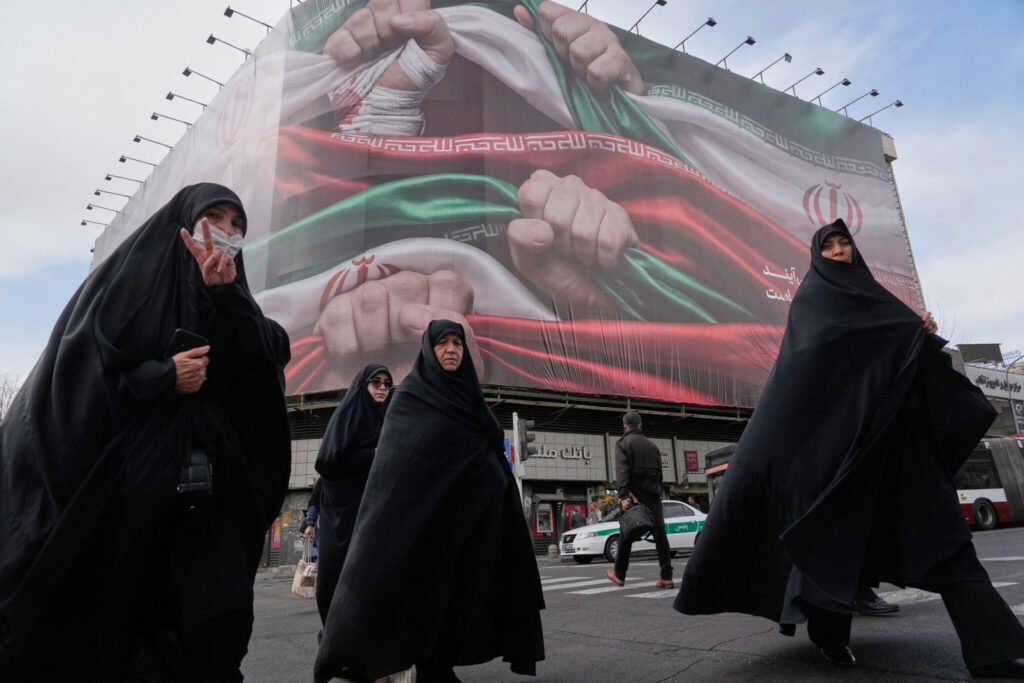
Trump’s Military Warning to Iran — Quick Looks
- Armada Deployment: Trump says a powerful U.S. naval force, larger than the one used in Venezuela, is moving toward Iran.
- Urgent Ultimatum: The president called on Iran to negotiate a new nuclear deal, warning that “time is running out.”
- Midnight Hammer Reference: Trump highlighted a past strike called “Operation Midnight Hammer,” claiming it destroyed nuclear sites.
- Stronger Threat: Trump warned Iran that the “next attack will be far worse” if it resists diplomacy.
- Iran’s Rebuttal: Iranian officials said they’re open to respectful dialogue but will “respond like never before” if attacked.
- Tensions Rising: Trump’s warning comes amid Iranian civil unrest and increased military pressure from the U.S.
Deep Look: Trump Warns Iran as Massive U.S. Armada Approaches
President Donald Trump escalated his hardline stance against Iran on Wednesday, warning the country’s leaders that a “massive armada” of U.S. military forces is en route and ready to act with “speed and violence” if necessary. The bold statement marks a sharp intensification of pressure as the White House pushes Iran to agree to a deal dismantling its nuclear weapons program.
The president shared the warning in a post on Truth Social, where he emphasized that the naval deployment — led by the USS Abraham Lincoln aircraft carrier — is larger than the force recently used in Venezuela to capture that country’s authoritarian leader.
“It is ready, willing, and able to rapidly fulfill its mission, with speed and violence,” Trump wrote.
Trump’s comments come at a tense moment for the region. In recent weeks, Iran has been rocked by widespread protests and civil unrest, which the regime has met with violence. The White House, emboldened by its military success in Venezuela, appears to be applying similar pressure tactics on Tehran.
The president also cited a past military strike authorized last June known as Operation Midnight Hammer, during which U.S. forces targeted three Iranian nuclear sites. Trump claimed that the operation “obliterated” key elements of Iran’s nuclear infrastructure — a message meant to remind Tehran of America’s willingness to use force.
“Hopefully Iran will quickly come to the table and negotiate a fair and equitable deal — NO NUCLEAR WEAPONS,” Trump added. “Time is running out, it is truly of the essence! As I told Iran once before, MAKE A DEAL! They didn’t, and there was ‘Operation Midnight Hammer,’ a major destruction of Iran. The next attack will be far worse! Don’t make that happen again.”
Iran’s Response and Rising Tensions
Iran’s government quickly condemned the statement, describing it as reckless and reminiscent of past American failures in the Middle East. In a statement released through its United Nations mission, Iran warned that any aggression would be met with a strong response.
“Last time the U.S. blundered into wars in Afghanistan and Iraq, it squandered over $7 trillion and lost more than 7,000 American lives,” the statement read.
Iran’s leaders emphasized that while the country remains open to diplomatic talks based on mutual respect, it will defend itself against any military threats.
“Iran stands ready for dialogue based on mutual respect and interests — BUT IF PUSHED, IT WILL DEFEND ITSELF AND RESPOND LIKE NEVER BEFORE,” the statement concluded.
Iran’s foreign minister also made it clear that no negotiations with the United States are currently underway, contradicting Trump’s suggestion that a deal may be imminent.
Military Calculations and Global Stakes
Although the United States currently enjoys a strong military position in the region, analysts warn that Iran presents a far more complex and dangerous challenge than Venezuela. The Iranian military is better equipped, and any direct confrontation could trigger wider regional instability.
Trump’s aggressive tone comes as he continues to position himself as a forceful global leader in the lead-up to the 2026 midterm elections. By invoking past military successes and issuing stern ultimatums, he aims to project strength — but also risks fueling a conflict that could spiral quickly out of control.
The situation remains fluid. As the U.S. fleet draws closer and rhetoric intensifies on both sides, diplomatic avenues may narrow, leaving limited room for peaceful resolution unless cooler heads prevail.