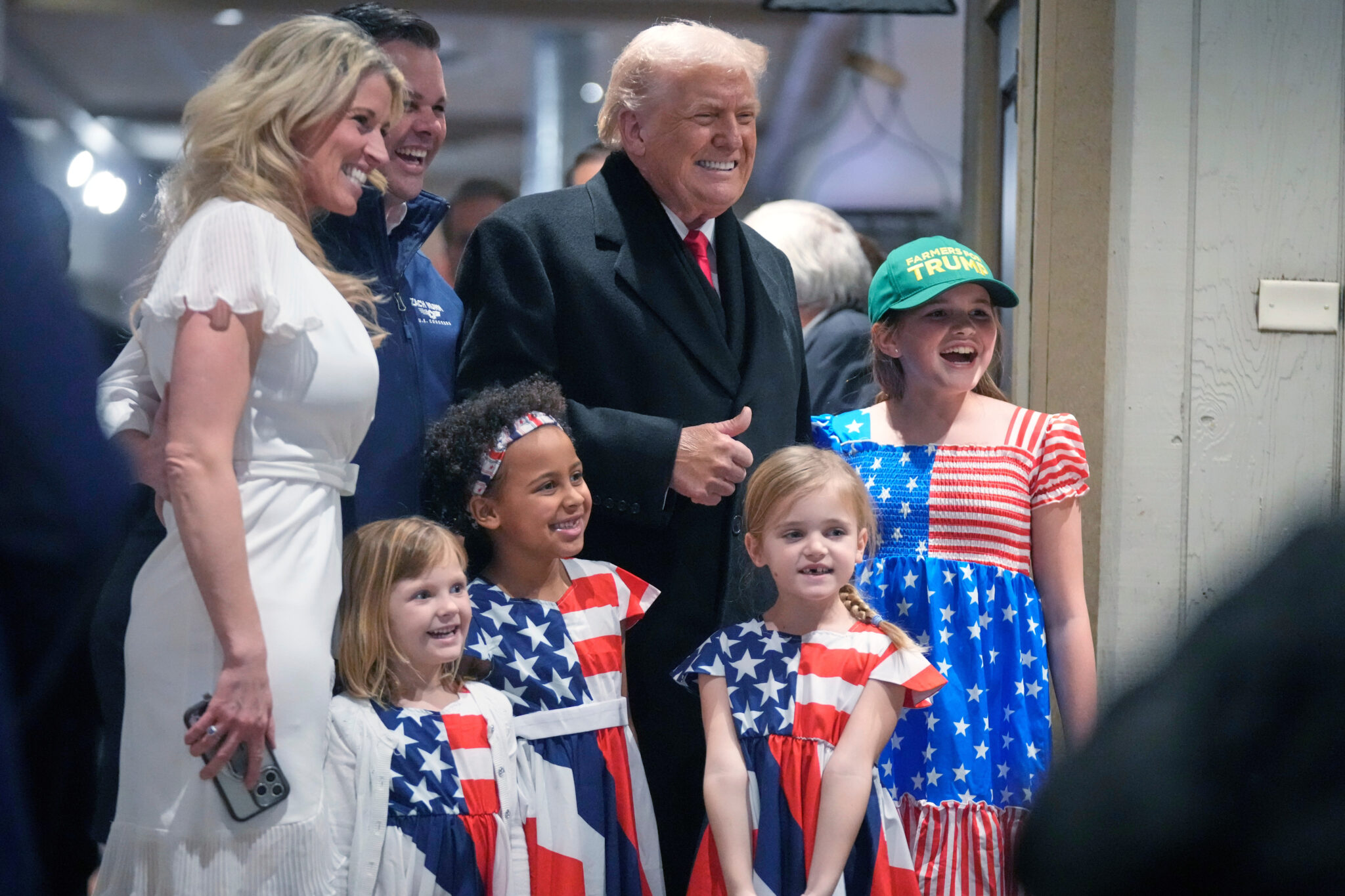
Trump Launches $1,000 Baby Investment Accounts to Build Wealth/ Newslooks/ WASHINGTON/ J. Mansour/ Morning Edition/ The Trump administration has launched “Trump Accounts,” giving $1,000 to every eligible newborn as a long-term investment. Funds are managed by private firms and accessible when the child turns 18, with limits on how the money can be used. Supporters hail the program as a wealth-building tool, while critics say it favors wealthy families.
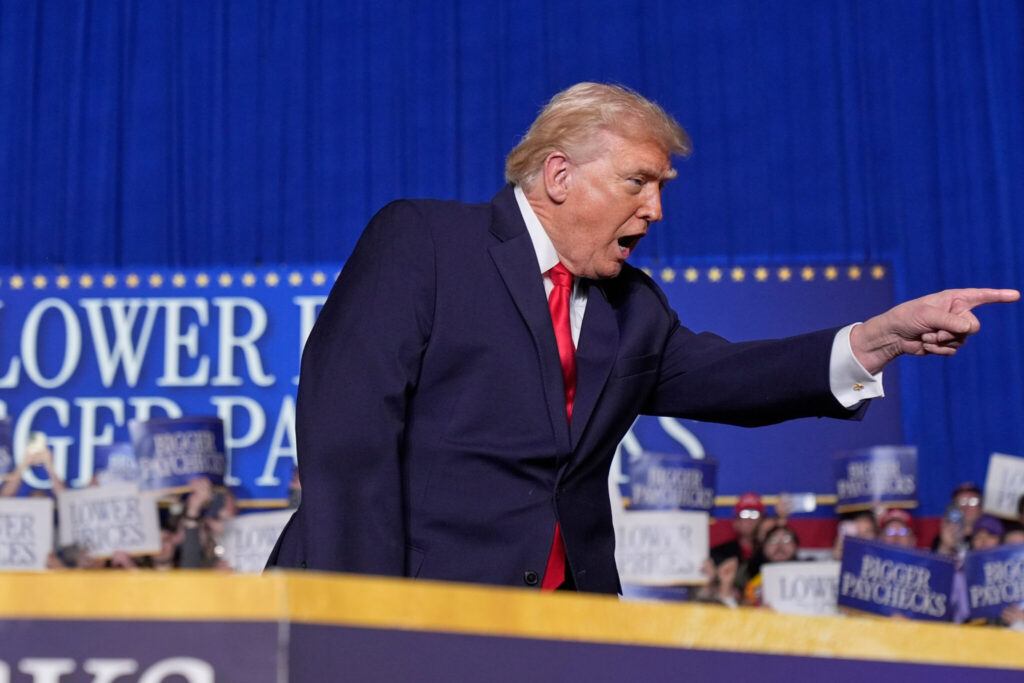
Trump Accounts for Newborns — Quick Looks
- Newborns Get $1,000: Babies born between January 1, 2025, and December 31, 2028, are eligible for a $1,000 Treasury contribution.
- Long-Term Investment: Funds are invested in U.S. equity index funds and accessible at age 18 for education, housing, or business.
- Additional Contributions: Parents can invest up to $2,500 pretax per year; others may contribute as well.
- Philanthropic Support: Major donors like the Dells and Ray Dalio have committed billions to expand access for low-income children.
- Criticism Over Equity: Critics say poor families may not benefit equally and that early childhood needs are overlooked.
- Launch Timeline: Accounts open for contributions starting July 2026; Form 4547 is required to enroll.
Deep Look: Trump Launches $1,000 Baby Investment Accounts to Build Wealth
As part of President Donald Trump’s broader focus on economic opportunity and affordability, the federal government is preparing to launch one of its most ambitious financial programs for children: “Trump Accounts.” These accounts will provide $1,000 to every eligible newborn and allow families to invest toward their child’s future.
The initiative, tied to Trump’s tax reform law, aims to help American families build generational wealth by introducing children to the stock market from birth. Once parents open a Trump Account, the federal government will deposit $1,000 per newborn, which will then be invested by private firms in low-fee U.S. stock index funds. Children will be able to access the funds once they turn 18, but only for approved uses such as college tuition, business start-up costs, or a first home down payment.
Parents may also make annual contributions of up to $2,500 in pretax income, with a total yearly cap of $5,000, not including contributions from governments or charities. Employers, friends, relatives, and local nonprofits can all participate in contributing to a child’s Trump Account.
While any child under 18 can have a Trump Account opened on their behalf, only babies born between 2025 and 2028 will qualify for the government’s $1,000 seed money. The baby must be a U.S. citizen with a Social Security number to qualify, but the parent’s citizenship or immigration status does not affect eligibility.
Support from Celebrities and Billionaires
The program’s official rollout will be marked by a Treasury-hosted event featuring political leaders and celebrities, including Senator Ted Cruz and rapper Nicki Minaj. These high-profile supporters are expected to highlight how the program could support low-income families in building future financial security.
Additionally, several philanthropists have stepped in to expand the program. Billionaires Michael and Susan Dell pledged $6.25 billion to support children under 10 living in ZIP codes with median incomes under $150,000, offering those families $250 in seed money if they open a Trump Account. Hedge fund magnate Ray Dalio and his wife Barbara also contributed $75 million to help Connecticut children in qualifying communities.
Major corporations like BlackRock, Uber, Visa, MasterCard, and Charles Schwab are participating in the initiative, helping manage and promote the accounts nationwide.
How to Open a Trump Account
The accounts will become available for contributions beginning in July 2026, but eligible families can start the registration process sooner. To claim the $1,000 for newborns, parents must submit IRS Form 4547 when filing their taxes or use an upcoming online portal set to launch in summer 2026.
Enrollment is required in order to receive the Treasury contribution. Once parents register, they will receive further instructions in May about completing the setup of their child’s account.
What Makes Trump Accounts Unique?
Unlike earlier “baby bonds” initiatives launched in states like California, Connecticut, and the District of Columbia, Trump Accounts are not limited by income and are managed by private financial institutions, not state governments. While state programs often target children in poverty, foster care, or who lost a parent to COVID-19, Trump Accounts are available to all qualifying newborns, regardless of family wealth.
Supporters argue this universal approach could introduce millions of Americans to investing and strengthen support for capitalism. They say the long-term growth potential of early investments — even modest ones — could help narrow the wealth gap over time.
According to federal data, about 58% of U.S. households held stocks or bonds in 2022, but the richest 1% owned nearly half the total value. Trump Account advocates hope to shift those numbers by allowing families from all income levels to participate in long-term investing.
Critics Raise Equity Concerns
Still, the program has drawn criticism from social advocates and Democrats who argue that it does little to help families facing immediate financial need. Since funds are inaccessible until the child turns 18 — and limited in use — they won’t assist with childcare, healthcare, or food insecurity that many families face today.
Critics also point to the fact that the Trump administration and congressional Republicans passed the Trump Account program as part of a larger tax reform bill that cut funding to programs like Medicaid and food assistance. They argue that while Trump Accounts benefit families over the long term, they fail to support families during the critical early years of child development.
There are also concerns that the program could widen wealth inequality. Affluent families will be able to max out annual contributions and benefit most from long-term stock gains. Meanwhile, lower-income families may struggle to contribute beyond the initial $1,000, making their overall gains far smaller. Even with a generous 7% annual return, the $1,000 government deposit would only grow to about $3,570 over 18 years.
Looking Ahead
The White House and U.S. Treasury are promoting Trump Accounts as a new frontier in wealth-building for the next generation. As July 2026 approaches, federal officials hope that more states, employers, and donors will join the effort to close gaps in financial opportunity — even as debate continues over whether this program offers equity or advantage.