TikTok U.S. Faces Backlash Over Censorship Claims/ Newslooks/ WASHINGTON/ J. Mansour/ Morning Edition/ TikTok U.S., recently spun out in a $14 billion deal, is facing immediate controversy over alleged censorship and technical glitches. The company blames a power outage but denies content suppression. Concerns over censorship and management capability threaten to undermine confidence in the new ownership.
TikTok U.S. Controversy Quick Looks
- TikTok U.S. launched amid $14 billion spinout with Oracle and others backing it
- Users reported censorship of sensitive content like ICE and Jeffrey Epstein
- TikTok blames a power outage for recent platform failures
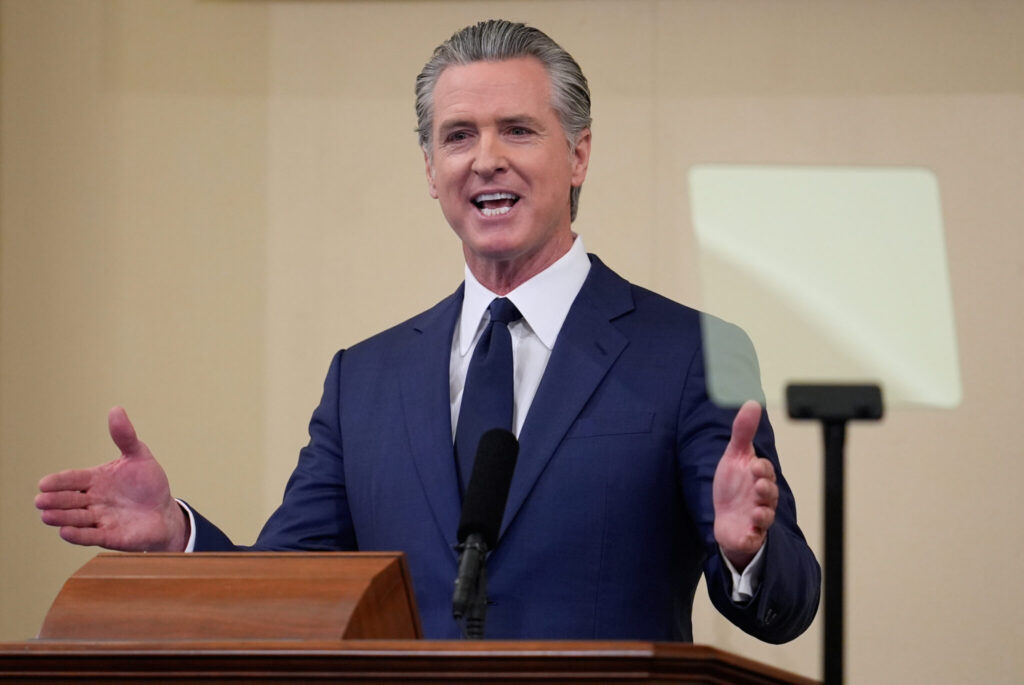
- California Gov. Gavin Newsom pledges to investigate censorship claims
- Concerns over political influence from Trump-aligned investors rise
- Inexperience among new owners sparks fears of future platform instability
- Major content creators like Khaby Lame highlight platform’s high financial stakes
- ByteDance retains 19.9% ownership but most investors exited the deal
- Execution, not national security, now appears to be the primary risk
Deep Look: TikTok U.S. Faces Immediate Scrutiny After Spinout
TikTok U.S. has barely had time to find its footing after a high-profile $14 billion spinout, and it’s already entrenched in controversy. Backed by tech giants Oracle, Silver Lake, and MGX, and spun off from former parent company ByteDance, TikTok U.S. was expected to quiet national security concerns while operating independently from China. Instead, it’s found itself fending off accusations of censorship and system failures within days of its reintroduction to the American market.
Allegations Surface Early
Users began noticing that content related to topics like ICE (U.S. Immigration and Customs Enforcement) and the late Jeffrey Epstein was either being suppressed or removed. This sparked a wave of accusations online, with many claiming TikTok U.S. was engaging in politically motivated censorship. The timing couldn’t be worse: the platform is under intense scrutiny due to the very nature of its separation from Chinese ownership — a move designed to build trust among American users and regulators.
In response, TikTok U.S. denied any intentional censorship, attributing the issues to a data center power outage that led to a string of technical malfunctions. The company claims that most of the problems have since been resolved.
Damned If They Did, Damned If They Didn’t
Whether the disruption stemmed from intentional content suppression or a technical failure, either explanation casts doubt on the platform’s future under its new leadership.
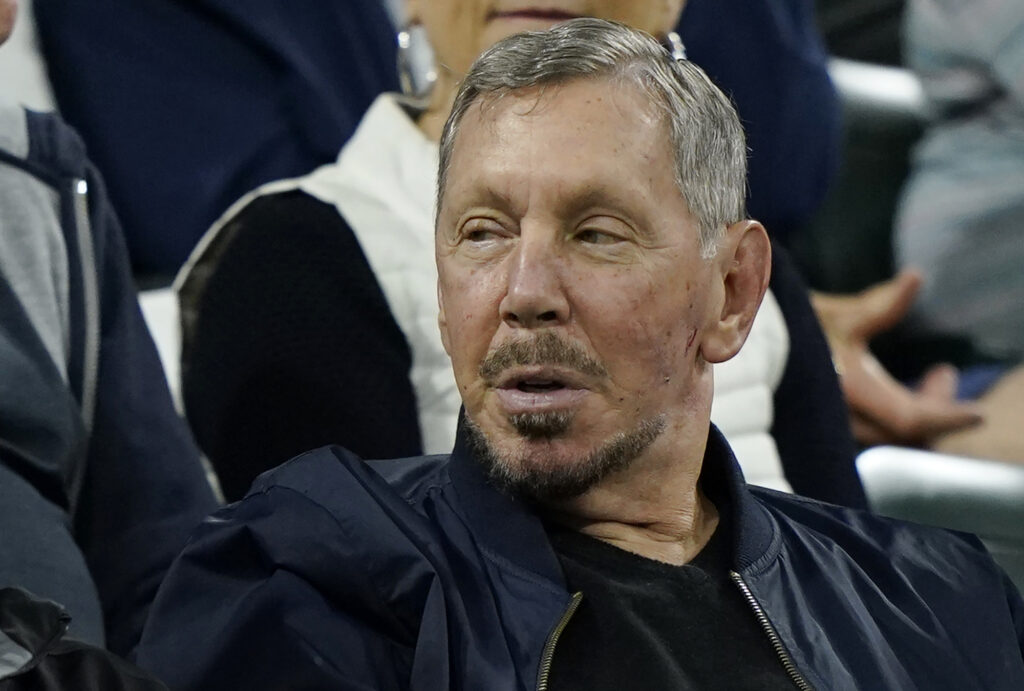
If the censorship claims are proven valid — something California Governor Gavin Newsom says he will investigate — it could confirm fears about political bias creeping into the platform’s moderation policies. Oracle’s Larry Ellison, a vocal Trump supporter, is one of the most prominent backers of TikTok U.S., and the deal was brokered under influence from the Trump-era White House.
Alternatively, if these problems were truly caused by a technical mishap, that scenario reinforces skepticism around the buyers’ lack of experience in running a fast-paced, community-driven social media platform. This casts long shadows over the operational competence of the newly formed TikTok U.S. team.
A Platform With High Stakes
While casual users may not be deeply affected by these early missteps, top creators are watching closely. The economic implications are substantial. For example, TikTok megastar Khaby Lame recently signed an eye-popping $975 million brand licensing deal, showing just how much is at stake in terms of both audience engagement and advertising revenue.
If influential creators begin to leave the platform, it could start a domino effect, leading to user decline and significant financial losses — a problem that would take more than a power reboot to fix.
Behind the Deal
New details have also emerged about the structure of the spinout transaction. ByteDance, while no longer the direct owner, retains a 19.9% stake in TikTok U.S., ensuring indirect exposure. However, many of ByteDance’s original investors — including Sequoia Capital, NEA, Carlyle, KKR, TCV, Baillie Gifford, Dragoneer, SoftBank, and Tiger Global — appear to have exited the new venture. It’s unclear whether this was a voluntary decision across the board or part of a larger restructuring.
Bottom Line: Security Shifted, Risks Remain
The primary concern that prompted this separation — national security — appears to be partially addressed. However, the spotlight now turns to execution. With big names, big money, and big expectations tied to the success of TikTok U.S., the pressure is on to deliver a stable, transparent, and creator-friendly experience.