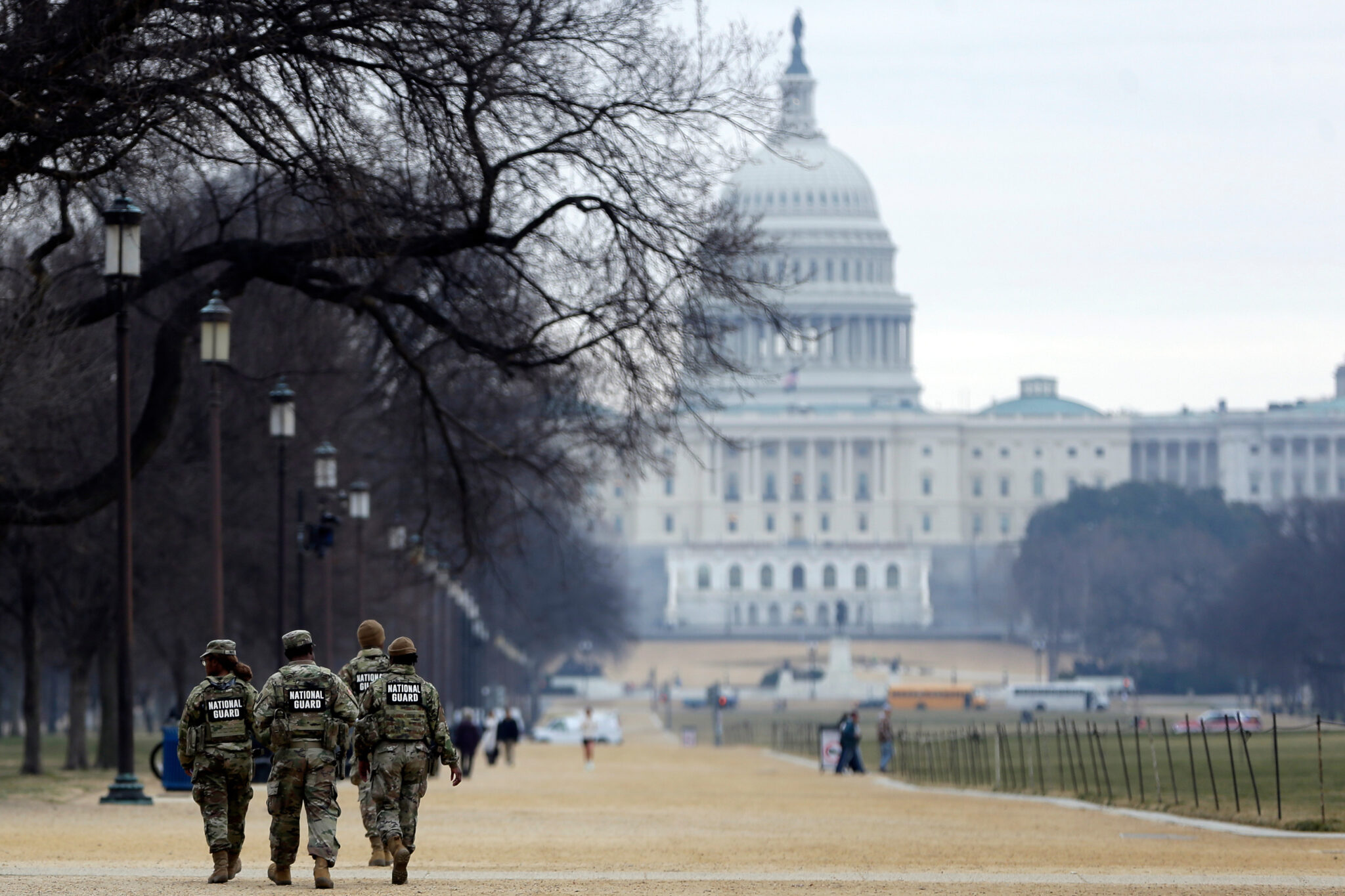
Congress Races to Finalize Bipartisan Spending Deal/ Newslooks/ WASHINGTON/ J. Mansour/ Morning Edition/ Congress is racing to pass a bipartisan spending deal before a Friday night deadline to avoid a government shutdown. Democrats and President Trump agreed to temporarily fund Homeland Security separately while debating ICE reforms. The deal follows mounting outrage over deadly federal raids and rising political tension on Capitol Hill.
Bipartisan Spending Deal Quick Look
- Midnight Deadline Looms: Congress faces a critical deadline Friday to prevent a partial government shutdown.
- Temporary DHS Deal: Trump and Democrats agreed to fund the Department of Homeland Security for two weeks.
- ICE Reforms at Center: Democrats demand new limits on federal immigration raids following high-profile deaths.
- Leadership Negotiations Ongoing: Senate leaders Thune and Schumer work to navigate remaining objections.
- Jeffries Speaks Out: House Minority Leader Hakeem Jeffries warns Republicans against provoking a shutdown.
Deep Look
Bipartisan Deal in Peril as Deadline Nears
Congress scrambled Thursday night to salvage a bipartisan government spending agreement and avoid a partial shutdown as the clock ticked toward a Friday midnight deadline. Senate leaders faced mounting pressure after a wave of Democratic resistance to federal immigration enforcement tactics derailed earlier efforts.
DHS Funding Carved Out Temporarily
In a rare moment of compromise, Democrats struck a short-term deal with President Donald Trump to fund the Department of Homeland Security (DHS) separately from the larger spending package. Under the agreement, DHS would receive funding for two additional weeks while lawmakers debate significant reforms to Immigration and Customs Enforcement (ICE).
The move was designed to defuse tensions that have grown over ICE’s aggressive enforcement practices, particularly after two protesters were killed by federal agents in Minneapolis earlier this month.
Democrats Hold the Line
Democratic senators, led by Majority Leader Chuck Schumer, had vowed to block the full spending bill unless it included strict limits on ICE operations. Their demands include mandatory identification for agents, limits on warrantless arrests, and body camera use—measures they argue are needed to protect civil rights and public trust.
“This is a moment of truth,” Schumer declared on the Senate floor. “We must stop thugs from terrorizing our streets under the guise of law enforcement.”
Thune, Schumer Race Against Time
Republican Senate Majority Leader John Thune acknowledged there were still “snags on both sides” and continued working with Schumer late into the evening to keep the agreement on track. The narrow window to pass the funding package left little room for procedural delays.
Thune described the bipartisan discussions as “constructive” but admitted, “We’re cutting it close.”
House Maneuvering Intensifies
Meanwhile, in the House of Representatives, Minority Leader Hakeem Jeffries urged Republicans to cooperate with Democrats to prevent a shutdown that could cripple key federal operations. Jeffries warned that hardline stances could jeopardize public safety and economic stability.
“Our constituents didn’t send us here to stage political theater. They sent us to govern,” he said.
Underlying Tensions: Immigration and Enforcement
The renewed scrutiny on ICE followed controversial enforcement operations and the highly publicized deaths of Renee Good and Alex Pretti in Minneapolis. Their deaths, during federal raids, sparked widespread protests and elevated Democratic calls for reform.
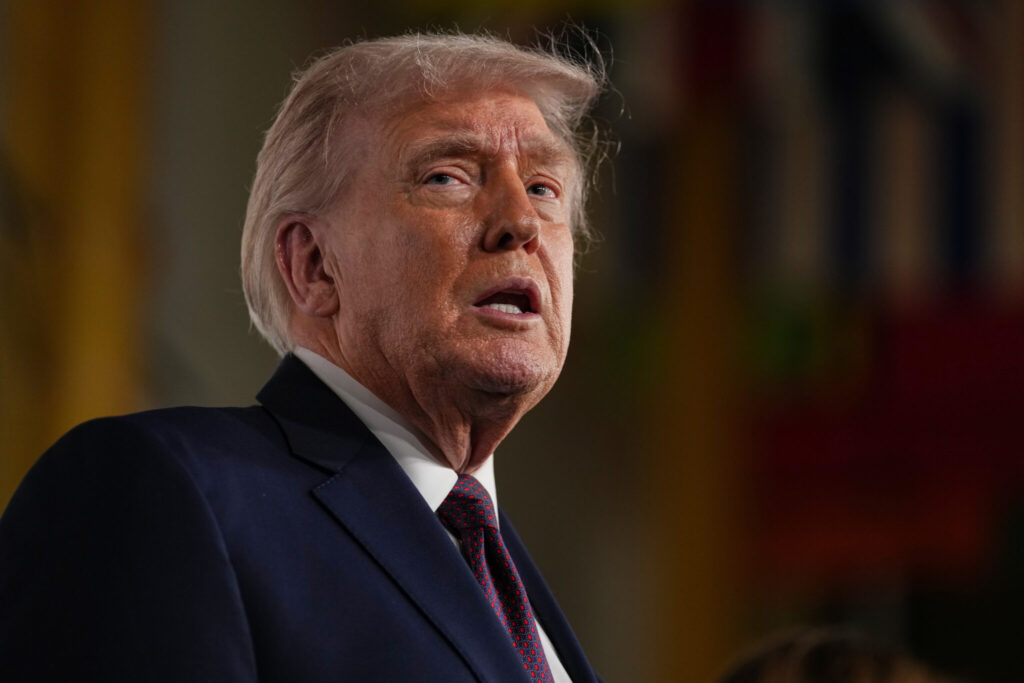
President Trump, in an earlier Cabinet meeting, said he was open to negotiating ICE reforms but defended the agency’s role, saying, “We can’t have chaos at the border.”
Shutdown Stakes Are High
If Congress fails to pass the funding package by midnight Friday, a partial shutdown will begin. This could affect pay for federal workers, delay agency operations, and disrupt public services.
While Trump has publicly stated he does not want a shutdown, he’s also insisted that border security must remain a top priority.
Public and Political Pressure Mounts
The pressure on Congress is amplified by growing public anxiety. Economists warn that even a short shutdown could dampen consumer confidence and hurt markets already rattled by geopolitical tensions and rising interest rates.
The business community has also voiced concern, urging swift resolution to avoid unnecessary disruptions.