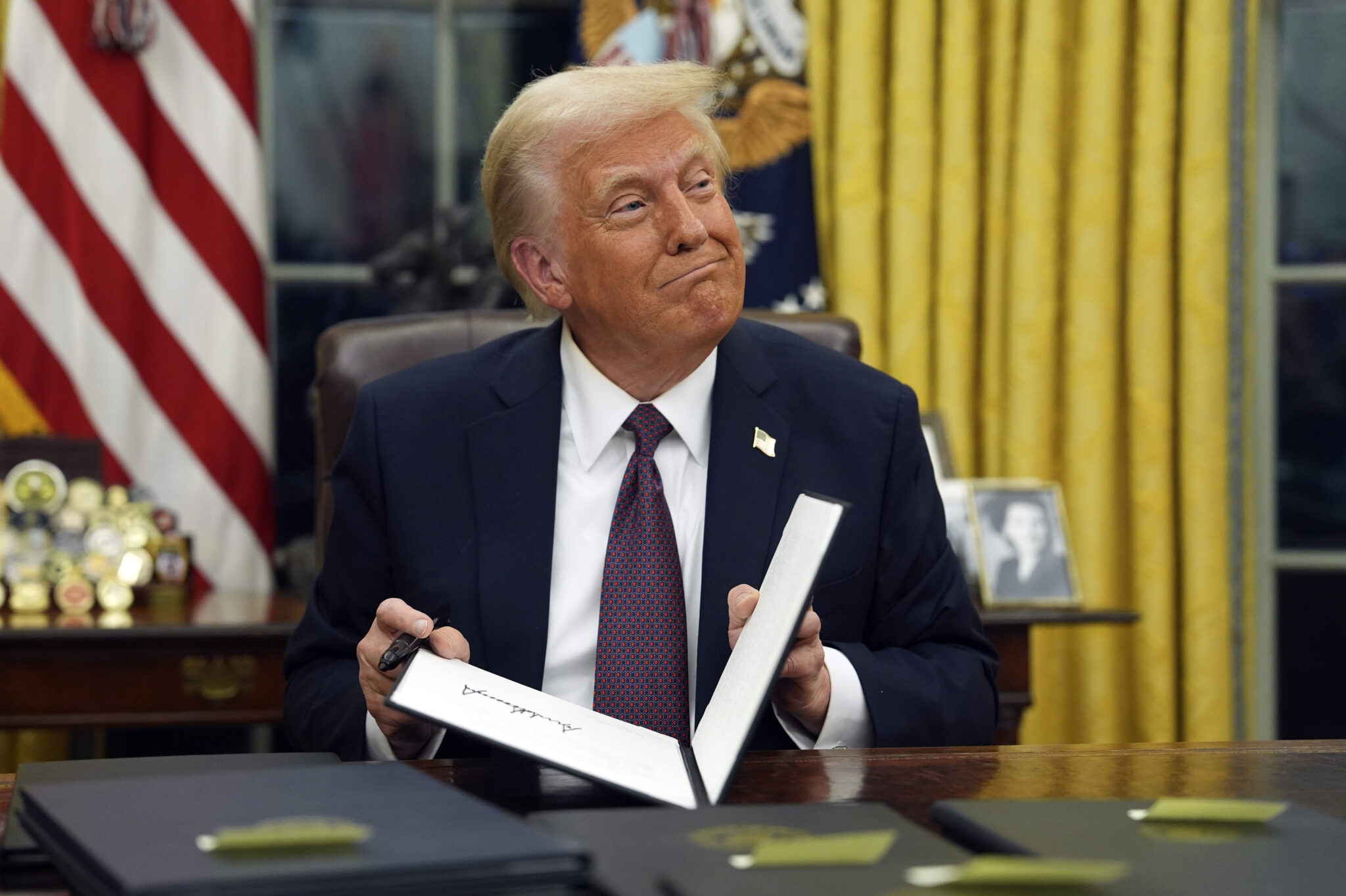
Judge Blocks Trump Citizenship Rules for Voter Registration/ Newslooks/ WASHINGTON/ J. Mansour/ Morning Edition/ A federal judge blocked parts of Trump’s executive order requiring proof of citizenship for voter registration. The court ruled the order violated constitutional limits on presidential power. The decision is another legal blow to Trump’s broader election reform strategy.
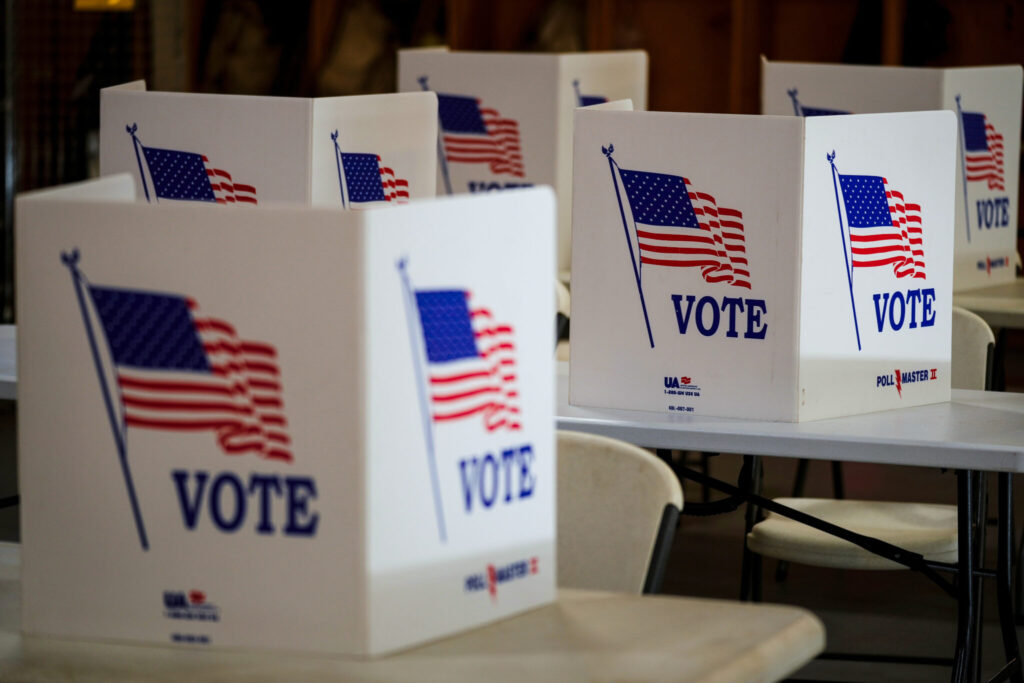
Trump Voter Citizenship Order Quick Looks
- Judge Kollar-Kotelly halts Trump’s citizenship-check mandate.
- Ruling protects military voters and public assistance recipients.
- Constitution gives election authority to states and Congress.
- Decision follows previous injunctions against Trump’s order.
- White House vows to continue legal fight.
- Experts say noncitizen voting is extremely rare.
- Lawsuits from states and legal groups continue mounting.
- Voting rights advocates call ruling a win for democracy.
Deep Look: Judge Blocks Citizenship Requirements in Trump Election Order Setback
In another legal blow to President Donald Trump’s efforts to reshape voting laws, a federal judge on Friday struck down key provisions of his executive order that aimed to impose proof-of-citizenship requirements during voter registration.
U.S. District Judge Colleen Kollar-Kotelly ruled that the executive branch had overstepped its constitutional authority by attempting to unilaterally alter federal election procedures—an area where power primarily resides with states and Congress.
“Put simply, our Constitution does not allow the President to impose unilateral changes to federal election procedures,” wrote Kollar-Kotelly, who was appointed by President Bill Clinton.
Provisions Permanently Blocked
The judge’s ruling prevents federal agencies from enforcing two key elements of the executive order signed by Trump in 2025:
- Blocking Citizenship Checks: Agencies cannot “assess citizenship” before distributing federal voter registration forms to individuals enrolled in public assistance programs.
- Protecting Military Voters: The Department of Defense is barred from requiring documentary proof of citizenship when military personnel register to vote or request absentee ballots.
These sections of the order, the judge ruled, violated the separation of powers and posed a direct threat to the accessibility of the ballot for vulnerable populations—including overseas military families.
Reaction from Voting Rights Advocates
Danielle Lang, senior counsel at the Campaign Legal Center, which represented the plaintiffs, praised the ruling as a victory for democratic participation.
“Our democracy works best when all Americans can participate,” Lang said. “This ruling removes a very real threat to the freedom to vote for overseas military families and upholds the separation of powers.”
The decision also addresses concerns raised by states and advocacy groups that the executive order would disenfranchise voters and undermine federally mandated access to registration.
White House Defiant Despite Court Ruling
In a statement Friday, the White House reiterated its belief that Trump’s order was a necessary step to protect “election security.”
“Ensuring only citizens vote in our elections is a commonsense measure that everyone should be able to support,” said White House spokeswoman Abigail Jackson. “This is not the final say on the matter and the administration looks forward to ultimate victory on the issue.”
The administration’s framing of the issue reflects a strategy employed during Trump’s 2024 campaign, which heavily emphasized claims—largely unsubstantiated—about noncitizens voting.
Previous Setbacks and Ongoing Lawsuits
This ruling is the latest in a string of legal defeats for the executive order. In October 2025, Judge Kollar-Kotelly had already blocked the administration from adding a proof-of-citizenship requirement to the federal voter registration form.
Multiple lawsuits have challenged Trump’s election directives, including cases brought by Democratic state attorneys general and the states of Oregon and Washington. Both states rely on vote-by-mail systems and argued that the federal mandates would interfere with their electoral processes.
Research from bipartisan and even Republican-led state officials continues to show that voter fraud by noncitizens is exceedingly rare—contradicting the central justification of the executive order.
As legal battles continue, the ruling underscores that major changes to election laws require collaboration between branches of government, not executive fiat.