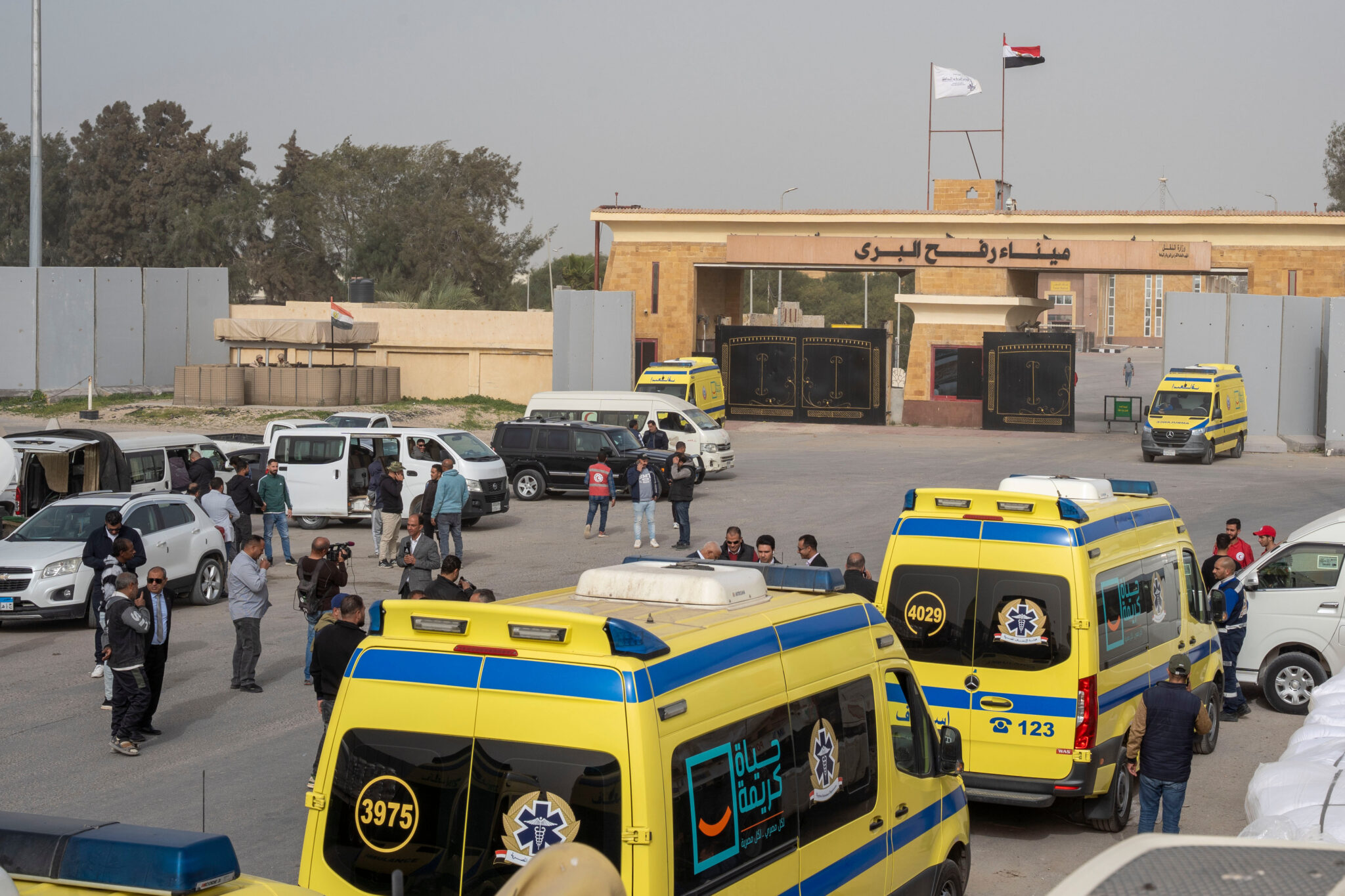
First Medical Evacuations from Gaza into Egypt Begin as Rafah Crossing Reopens/ Newslooks/ WASHINGTON/ J. Mansour/ Morning Edition/ Gaza’s Rafah border reopened Monday for the first time since May 2024, allowing limited medical evacuations into Egypt. Roughly 20,000 Palestinians in need of urgent treatment hope to leave, though crossings remain highly restricted. The move is a tentative step forward in the fragile Israel-Hamas ceasefire, as violence and humanitarian concerns persist.
Quick Look
- First patients from Gaza entered Egypt Monday evening
- Rafah crossing reopened after Israeli control since May 2024
- Only limited medical evacuations allowed for now
- About 20,000 Palestinians await medical evacuation
- Egypt has 150 hospitals ready for incoming patients
- Israel-Egypt to vet each traveler
- 3-year-old killed by Israeli navy fire in Gaza
- Crossing supervised by EU agents and Palestinian officials
- Reopening seen as progress in U.S.-brokered ceasefire
Deep Look
Rafah Crossing Reopens for First Time Since 2024
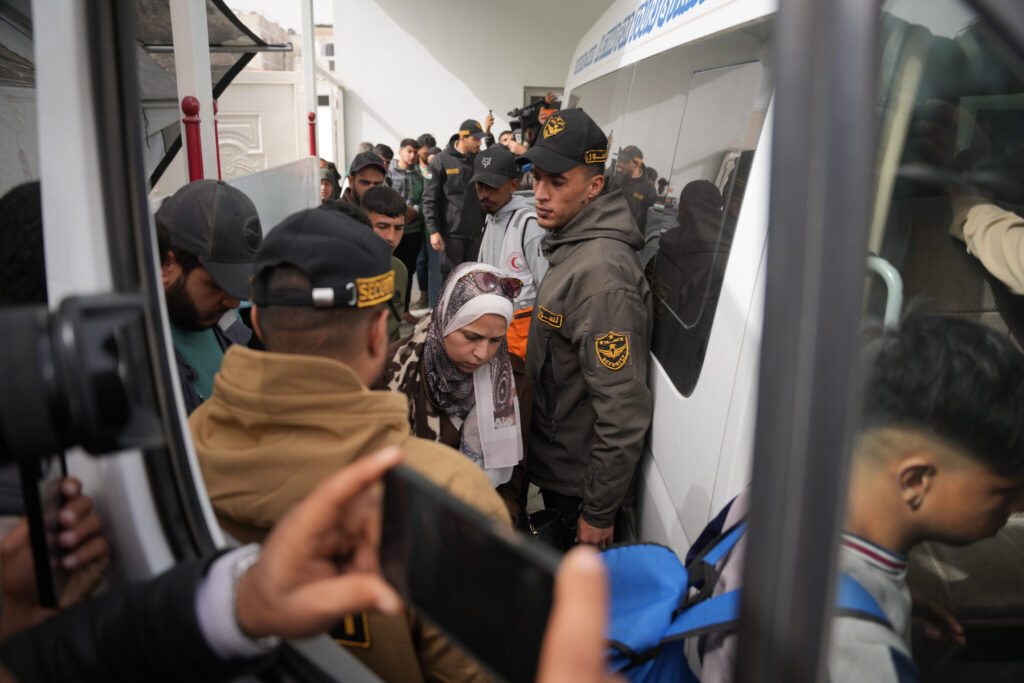
The Rafah border crossing between Gaza and Egypt reopened Monday, enabling the first medical evacuations of wounded Palestinians since Israel seized the area in May 2024. Ambulances were seen waiting for hours before ferrying patients across the border after nightfall, as broadcast by Egypt’s state-run Al-Qahera News.
The office of North Sinai’s governor confirmed the first Palestinian patient successfully entered Egypt.
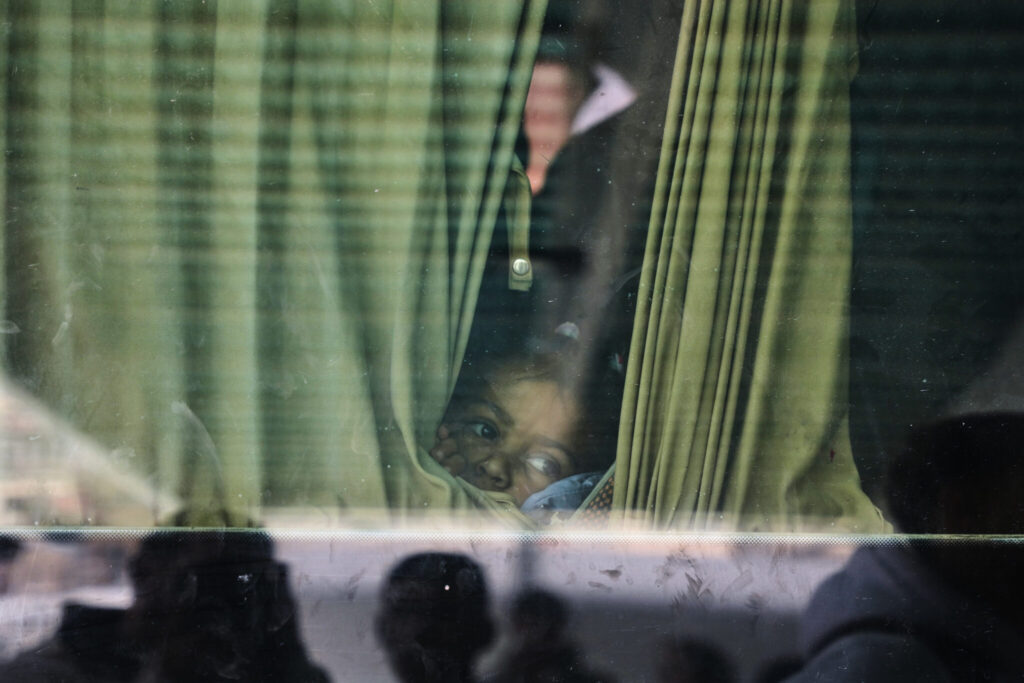
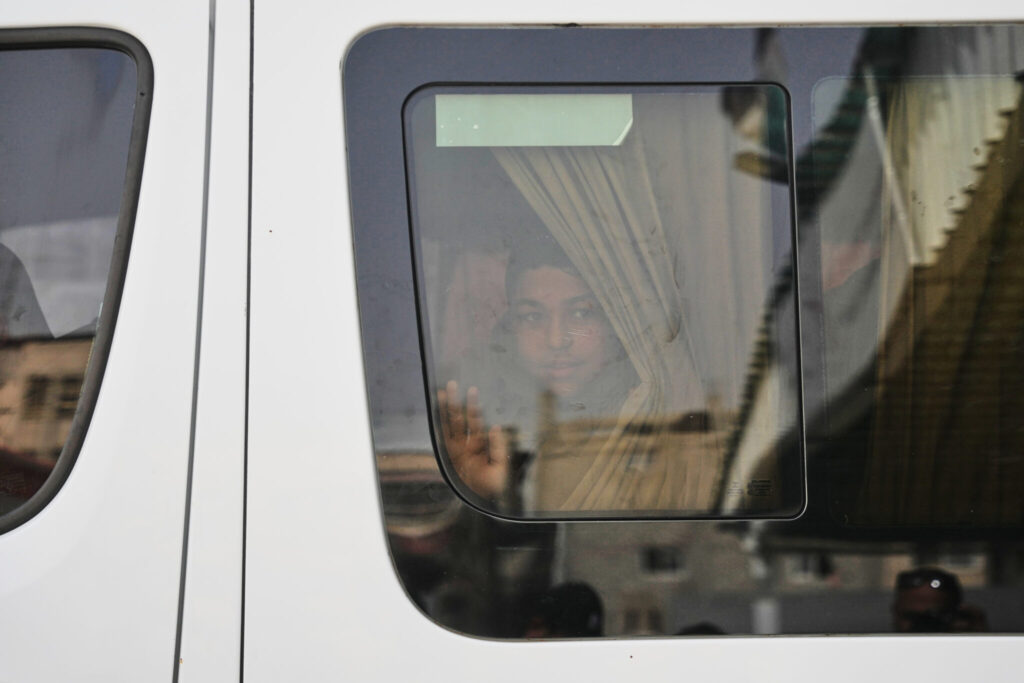
Gaza health officials estimate nearly 20,000 Palestinians, many children, require urgent medical treatment outside the war-ravaged enclave. Meanwhile, thousands stranded abroad are desperate to return home.
Though symbolic, the opening remains highly limited — no goods will pass, and only small numbers will be allowed in or out initially. Israel and Egypt will jointly vet all travelers.
Egypt Mobilizes to Receive the Wounded
Outside a hospital in Gaza, Rajaa Abu Mustafa waited anxiously for her 17-year-old son, Mohamed, to be evacuated. Blinded in one eye last year while searching for food in Khan Younis, he finally got the call for treatment in Egypt.
“We have been waiting for the crossing to open,” she said. “Now it’s opened and the health ministry called and told us that we will travel to Egypt for (his) treatment.”
Egyptian authorities confirmed that about 150 hospitals are standing by to treat Palestinian evacuees. The Egyptian Red Crescent has also prepared “safe spaces” just across the border.
Since the start of the war, Israel has banned medical transfers to the Israeli-occupied West Bank and East Jerusalem — previously a lifeline for Gazans needing specialized care.
The reopened Rafah crossing will now be monitored by EU border patrol and a small Palestinian presence, according to the new ceasefire framework.
Egypt, concerned Israel might attempt to push Palestinians out permanently, insists the crossing must support two-way travel.
Palestinian Toddler Killed in Israeli Naval Strike
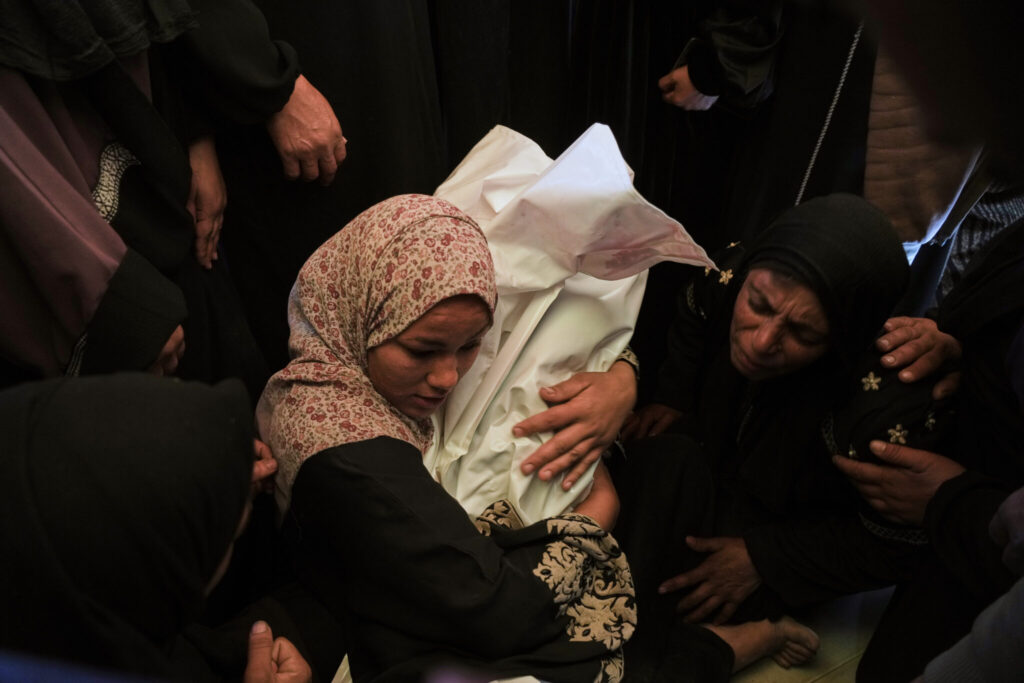
Amid slow-moving diplomatic progress, violence persists in the Gaza Strip. A 3-year-old boy was killed Monday when an Israeli navy ship opened fire on a tent camp sheltering displaced Palestinians in Khan Younis, according to Nasser Hospital.
The child died in Muwasi, a coastal area hosting makeshift shelters. Israel’s military said it is investigating the incident.
Since the ceasefire began on Oct. 10, over 520 Palestinians have been killed by Israeli fire, according to Gaza’s Hamas-run health ministry. That number is part of the broader toll of more than 71,800 Palestinian deaths since the start of the Israeli offensive.
While the ministry does not distinguish between civilians and fighters, its figures are widely regarded as reliable by the U.N. and humanitarian groups.
Ceasefire Progress: Rafah Reopening a Key Step
Israel had resisted reopening Rafah since seizing control last year, citing concerns about arms smuggling to Hamas. The breakthrough came only after Israel recovered the remains of its last hostage held in Gaza.
The Rafah reopening is a cornerstone of phase two in the U.S.-brokered ceasefire signed in October 2025.
The first phase saw:
- Exchange of all hostages for Palestinians in Israeli prisons
- Partial Israeli military pullback
- Increased humanitarian aid into Gaza
The second phase is far more ambitious and fragile, requiring:
- Creation of a Palestinian-led governing committee
- Deployment of an international security force
- Disarmament of Hamas
- Start of reconstruction efforts in Gaza
Whether this progress holds will depend on both sides’ adherence and further de-escalation steps.