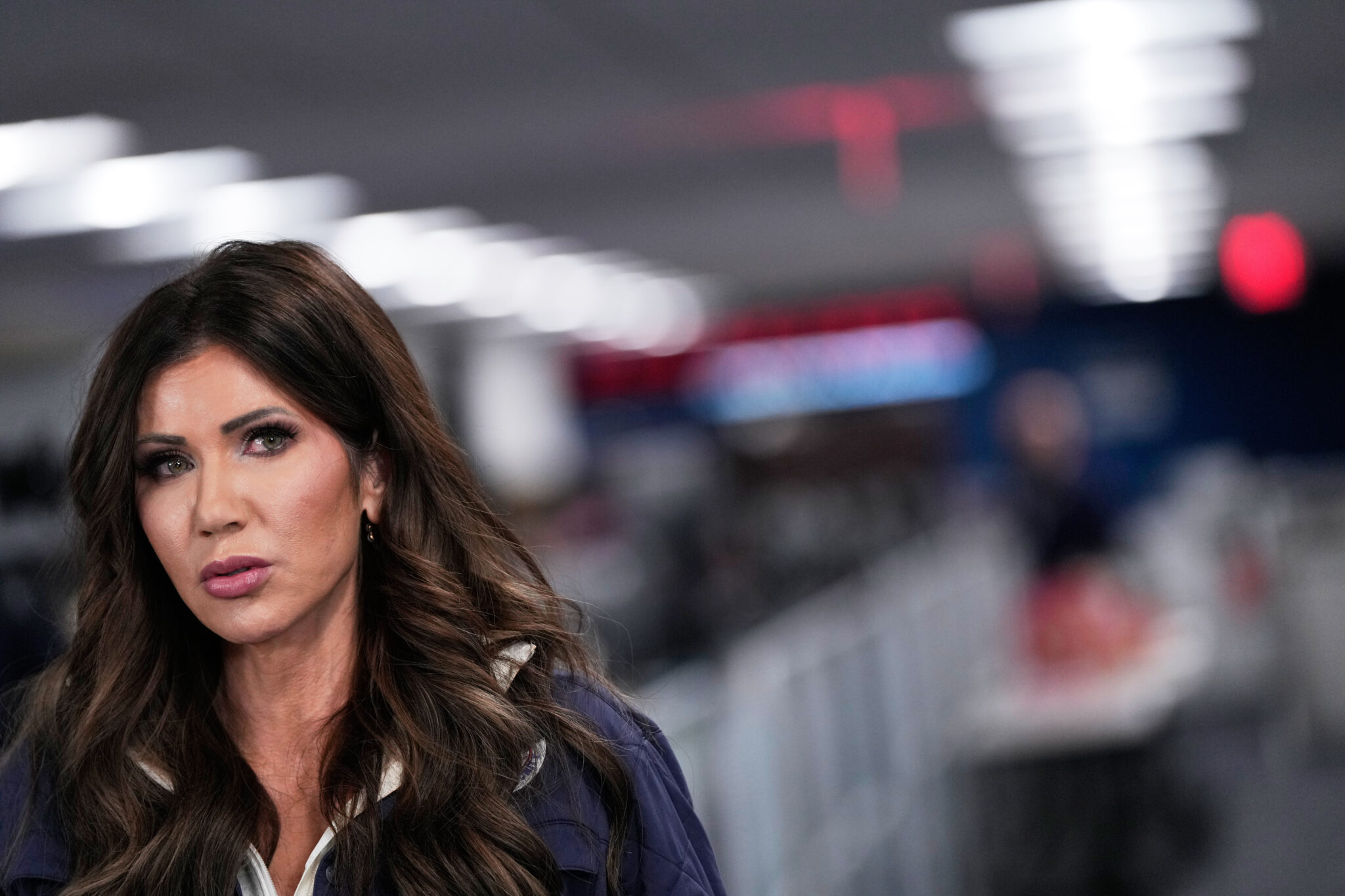
Noem: DHS to Issue Body-Worn Cameras to All Officers in Minneapolis/ Newslooks/ WASHINGTON/ J. Mansour/ Morning Edition/ Homeland Security Secretary Kristi Noem announced Monday that all DHS officers in Minneapolis, including ICE agents, will now wear body-worn cameras. The decision follows national outrage over the fatal shootings of two U.S. citizens by federal officers, and conflicting accounts surrounding the events. The move is part of a broader body camera expansion plan amid mounting political and legal pressure on DHS operations
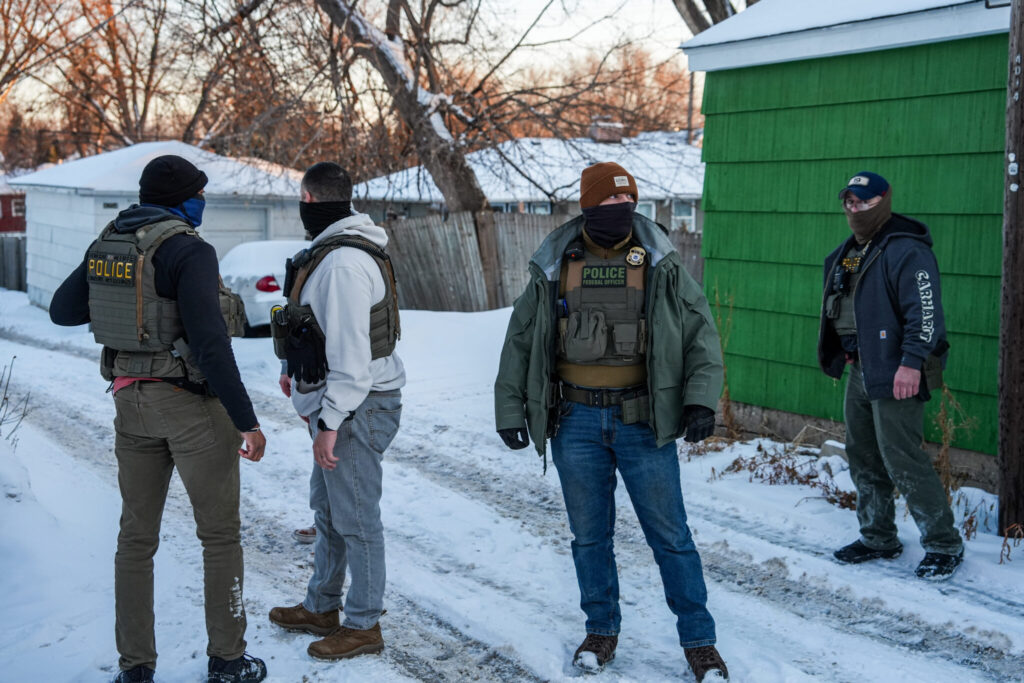
Quick Look
- All DHS officers in Minneapolis to receive body cameras immediately
- National rollout planned as funding permits
- Announcement follows two fatal shootings by federal agents
- Body camera footage from both incidents not yet released
- Trump and Noem endorse broader camera deployment
- Justice Dept. opens civil rights probe into one of the shootings
- DHS funding battle in Congress includes $20M for body cams
- Camera use remains a flashpoint in immigration enforcement
Deep Look
Cameras Deployed in Wake of Public Outcry
Homeland Security Secretary Kristi Noem said Monday that all federal officers operating in Minneapolis, including those from Immigration and Customs Enforcement (ICE), will be immediately issued body-worn cameras, following the shooting deaths of two U.S. citizens during recent immigration enforcement actions.
“We will rapidly acquire and deploy body cameras to DHS law enforcement across the country,” Noem posted on X (formerly Twitter).
The decision is seen as a direct response to intense criticism and growing demands for transparency and accountability from lawmakers and the public.
Fallout from Pretti and Good Shootings
The move comes in the wake of two high-profile fatal incidents: the shootings of Alex Pretti, a nurse, and Renee Good, a 37-year-old mother of three, by federal officers in Minneapolis. DHS initially claimed Pretti had arrived armed and threatening, but video evidence later showed him unarmed, holding only a phone when officers tackled and fatally shot him.
At least four Customs and Border Protection (CBP) officers reportedly wore body cameras at the scene, but the footage has not been made public. DHS has not confirmed whether any ICE officers wore cameras during Good’s killing earlier in January.
The Department of Justice has opened a federal civil rights investigation into Pretti’s death but has not done so for Good’s case.
“Body cameras should have been worn long before they killed two Americans,” said Minnesota Governor Tim Walz in a sharp statement on X following the announcement.
Trump Administration Shuffles DHS Leadership in Minneapolis
In response to the national backlash, President Donald Trump dispatched border czar Tom Homan to Minneapolis to take over DHS operations, removing Border Patrol Commander Gregory Bovino, a figure previously criticized for enforcement tactics in Chicago and Los Angeles.
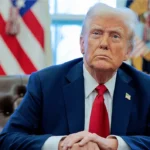
Trump endorsed the new camera initiative, saying Monday in the Oval Office:
“They generally tend to be good for law enforcement because people can’t lie about what’s happening.”
He added that if Secretary Noem wanted to move forward with the program, “that’s OK with me.”
DHS Budget Battle: Cameras at the Center
The announcement comes amid a heated funding debate in Congress, as Democrats push to rein in the administration’s immigration agenda through legislative controls. A $20 million allocation for body cameras was included in the Senate’s recent bipartisan federal funding bill. However, the House has yet to act, triggering a partial shutdown of agencies including DHS last Saturday.
Despite the shutdown, many DHS operations are considered essential and continue without interruption.
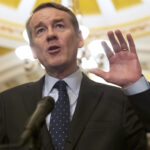
“That buys a lot of body cameras,” said Aaron Reichlin-Melnick, senior fellow at the American Immigration Council, noting that ICE received nearly $30 billion last summer, including funding for enforcement technology.
Previous Court Orders and Federal Guidelines
The controversy echoes similar legal battles from past operations. A federal judge in Chicago previously ordered uniformed DHS officers to wear body cameras during raids and protests, citing civil rights concerns.
While President Joe Biden had issued a 2022 executive order requiring body-worn cameras for federal law enforcement, Trump rescinded it after returning to office. Noem’s current push represents a shift back toward accountability mechanisms amid mounting public and political pressure.