Trump’s Border Czar Homan Withdraws 700 Agents From Minnesota/ Newslooks/ WASHINGTON/ J. Mansour/ Morning Edition/ The Trump administration is withdrawing 700 federal immigration officers from Minnesota. The move comes after state and local officials agreed to cooperate with ICE by sharing arrest information. Officials cite improved safety and efficiency as reasons for the drawdown.
Immigration Enforcement Quick Looks
- 700 federal immigration agents to leave Minnesota immediately
- Decision follows increased cooperation from state and local jails
- Move comes after fatal protests in Twin Cities
- Trump administration aims to ease tensions in Minneapolis, St. Paul
- Jail alert policy aims to streamline ICE enforcement
- Operation in Minnesota called “effective” by border czar Tom Homan
Deep Look: Trump’s Border Czar Homan Withdraws 700 Agents From Minnesota
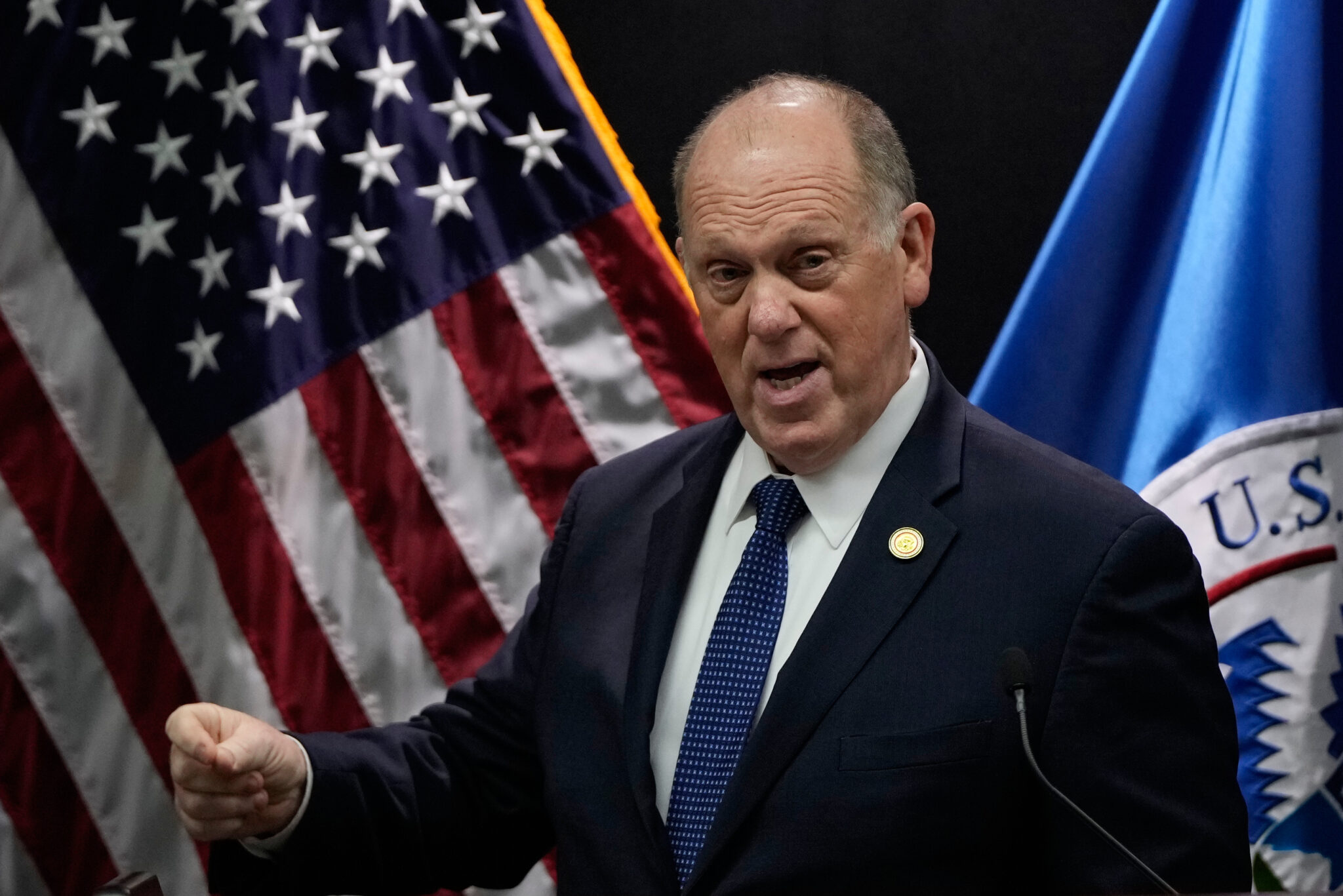
The Trump administration has announced a sharp reduction in federal immigration enforcement presence across Minnesota, citing newly improved cooperation from local and state authorities. Tom Homan, appointed border czar under President Donald Trump, stated Wednesday that 700 of the approximately 3,000 immigration officers currently stationed in Minnesota will be withdrawn with immediate effect.
The decision comes amid public unrest and mounting protests, particularly in Minneapolis and St. Paul, where ICE operations have faced growing scrutiny. The tension escalated following the death of protester Alex Pretti—marking the second fatal shooting by federal agents in the city.
Homan emphasized that the drawdown was made possible by a new collaborative framework, where local jails have agreed to notify U.S. Immigration and Customs Enforcement (ICE) when inmates who may be subject to deportation are in custody. This, he noted, reduces the need for field arrests, making operations safer and more targeted.
“Given this increase in unprecedented collaboration, and as a result of the need for fewer public safety officers to do this work and a safer environment, we are drawing down 700 law enforcement personnel effective today,” Homan said during a press conference.
This policy shift reflects the Trump administration’s ongoing efforts to pressure local governments into aligning more closely with federal immigration mandates. For years, the administration has criticized so-called “sanctuary jurisdictions”—municipalities or states that restrict cooperation with federal immigration authorities. The White House has frequently linked these jurisdictions to challenges in deporting criminal immigrants.
Last week, Homan hinted that a reduction in ICE presence would be possible, but only if local governments complied with federal requests. Wednesday’s announcement confirmed that such cooperation is now being implemented in Minnesota.
President Trump has also signaled interest in calming tensions in the Twin Cities. While no direct statement has been made by the president regarding the officer withdrawal, his administration appears to be adjusting tactics in regions experiencing sustained protest and backlash.
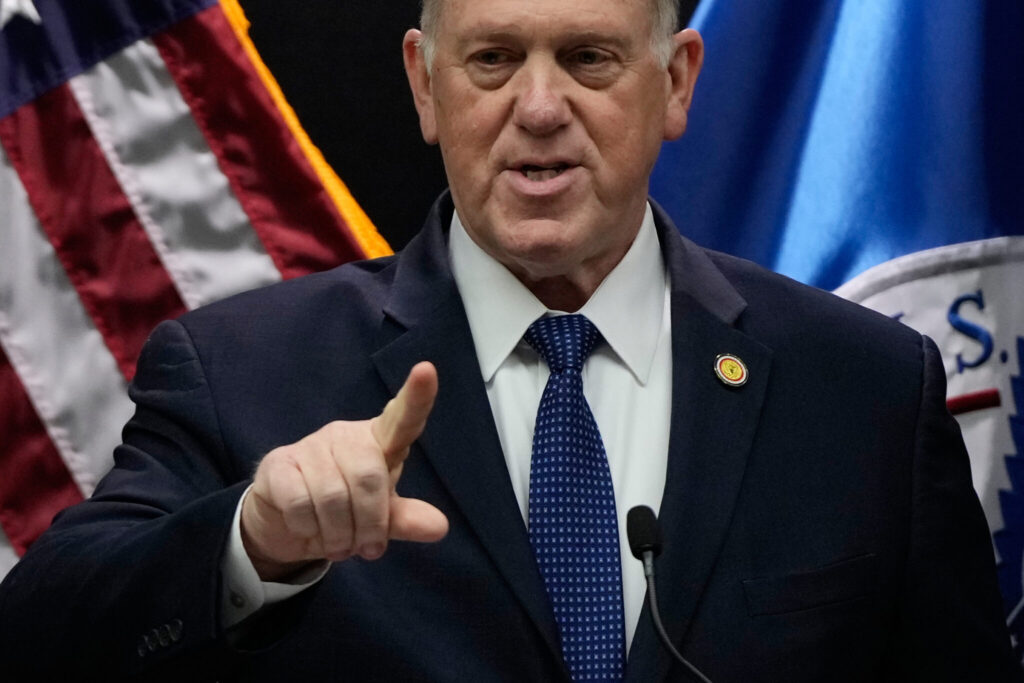
Transferring jailed individuals directly to ICE, rather than conducting community raids, was touted by Homan as a safer and more effective method. “We don’t need to put as many boots on the ground in neighborhoods if local authorities alert us ahead of time,” he explained.
When asked about the overall performance of the Minnesota operation, Homan defended its success. “I just listed a bunch of people we took off the streets of the Twin Cities,” he said. “Was it a perfect operation? No. But we established a single chain of command and ensured compliance with the rules. I don’t believe anyone intentionally acted outside of protocol.”
Despite that assertion, critics continue to question the scope and consequences of aggressive immigration enforcement, especially in communities already under strain. The announced reduction may represent a shift in strategy—but it also follows weeks of intense pressure and high-profile controversy.
This announcement could mark the beginning of a more cooperative, though no less controversial, enforcement strategy between federal and local agencies in Minnesota.