US and Iran Set to Resume Talks in Oman Friday/ Newslooks/ WASHINGTON/ J. Mansour/ Morning Edition/ Iran and the United States are scheduled to resume direct talks in Oman on Friday, amid soaring tensions following Iran’s protest crackdown. Over 50,000 arrests and thousands of deaths have been reported, while military confrontations continue in the Gulf. Tehran’s shift toward negotiation signals high-level support from Iran’s leadership.
Iran-US Talks Quick Looks
- Iran, US to hold negotiations Friday in Oman
- Over 50,000 arrests reported after Iran protests crackdown
- Iran acknowledges shift toward “fair and equitable” talks
- US shot down Iranian drone earlier this week
- Iran tried to intercept a US-flagged ship in Hormuz
- Talks reportedly supported by Supreme Leader Khamenei
- Trump open to diplomacy, warns force is possible
- Iranian military showcases missile base readiness after war with Israel
Deep Look: US and Iran Set to Resume Talks in Oman Friday
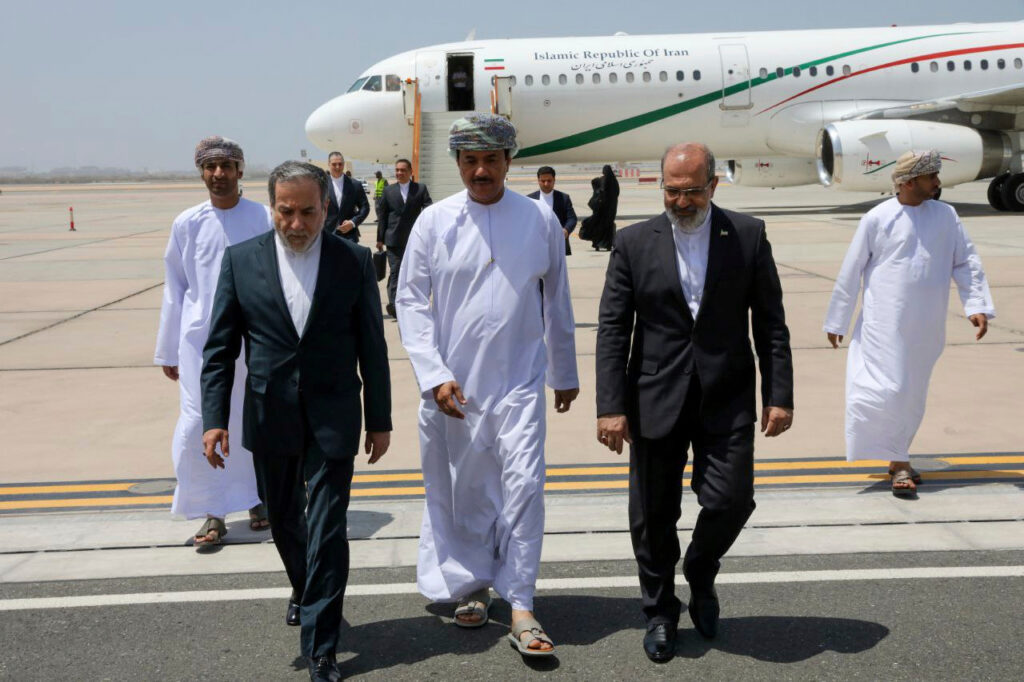
Diplomatic dialogue between the United States and Iran is set to resume Friday in Oman, according to multiple Iranian news outlets. The announcement comes after weeks of heightened tension following Iran’s bloody suppression of nationwide protests and several direct military confrontations in the Gulf region.
Semiofficial Iranian agencies ISNA, Tasnim, and the Student News Network reported the planned talks on Wednesday. Oman, which has played host to previous rounds of nuclear discussions between Tehran and Washington, has not confirmed the meeting. The U.S. government has yet to publicly acknowledge the Oman-based meeting but confirmed separate talks in Turkey are being prepared.
These discussions mark a possible turning point in U.S.-Iran relations after a period of strained hostility. The White House noted that negotiations would likely proceed despite a recent U.S. fighter jet downing an Iranian drone and Iran’s failed attempt to intercept a U.S.-flagged commercial vessel in the Strait of Hormuz earlier this week.
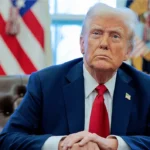
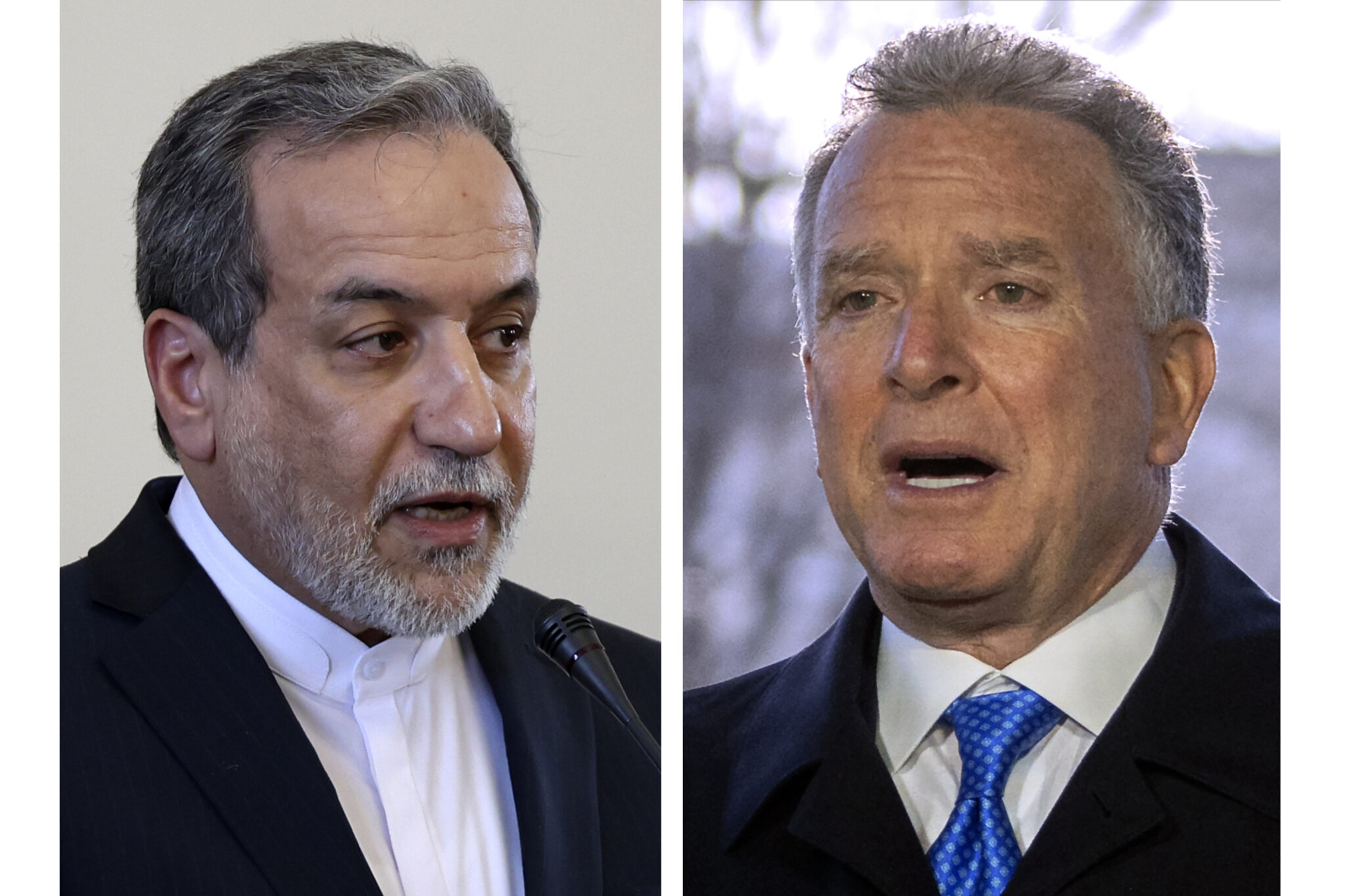
U.S. special envoy Steve Witkoff is expected to lead the American delegation in upcoming discussions, including a session in Turkey. White House press secretary Karoline Leavitt emphasized President Donald Trump’s willingness to seek diplomacy, though he maintains a firm stance on holding Iran accountable for human rights violations and nuclear noncompliance.
“Trump is always wanting to pursue diplomacy first,” Leavitt said. “But obviously, it takes two to tango.”
Tensions have flared since Iran’s violent response to widespread civil unrest. According to the U.S.-based Human Rights Activists News Agency, more than 50,834 individuals have been arrested, and at least 6,876 people killed during the crackdown. These numbers, which are consistent with past protest cycles, could be significantly higher, though a nationwide internet shutdown has limited independent verification.
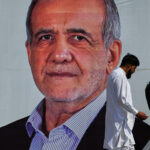
The clearest signal of Iran’s openness to negotiation came from President Masoud Pezeshkian, a reformist figure who announced Tuesday that his foreign minister had been instructed to engage in “fair and equitable” talks with the U.S. This public endorsement suggests alignment with Iran’s Supreme Leader Ayatollah Ali Khamenei, who has traditionally been resistant to direct talks with the West.
Analysts interpret this shift as a sign that Iran’s leadership recognizes the mounting internal and external pressures. The country continues to face economic isolation, public discontent, and regional instability—highlighted by its recent 12-day war with Israel, which severely impacted Iran’s air defense systems.
In a show of strength, top Iranian military officials on Wednesday visited a strategic missile base housing the Khorramshahr missile, a long-range system capable of reaching targets over 2,000 kilometers away. This same missile was reportedly launched toward Israel during the June conflict. State television plans to broadcast footage of the visit, underlining Iran’s continued emphasis on military readiness.
The upcoming negotiations are being viewed as a crucial moment to stabilize relations and potentially revisit the nuclear file, which has remained stalled since the U.S. withdrawal from the 2015 nuclear deal. Despite Trump’s hardline posture on Iran’s crackdown, the administration is signaling openness to a diplomatic path that could rein in nuclear development and de-escalate military tensions.
The location of the talks—Oman—is also symbolically important. The neutral Gulf nation has long been a trusted intermediary between Iran and Western powers, including in the run-up to the original nuclear accord.
As both nations head into the talks, the stakes remain high. The diplomatic thaw appears fragile, and any escalation—military or political—could undo progress. Yet the willingness of both Washington and Tehran to engage signals that, for now, dialogue may once again take precedence over confrontation.