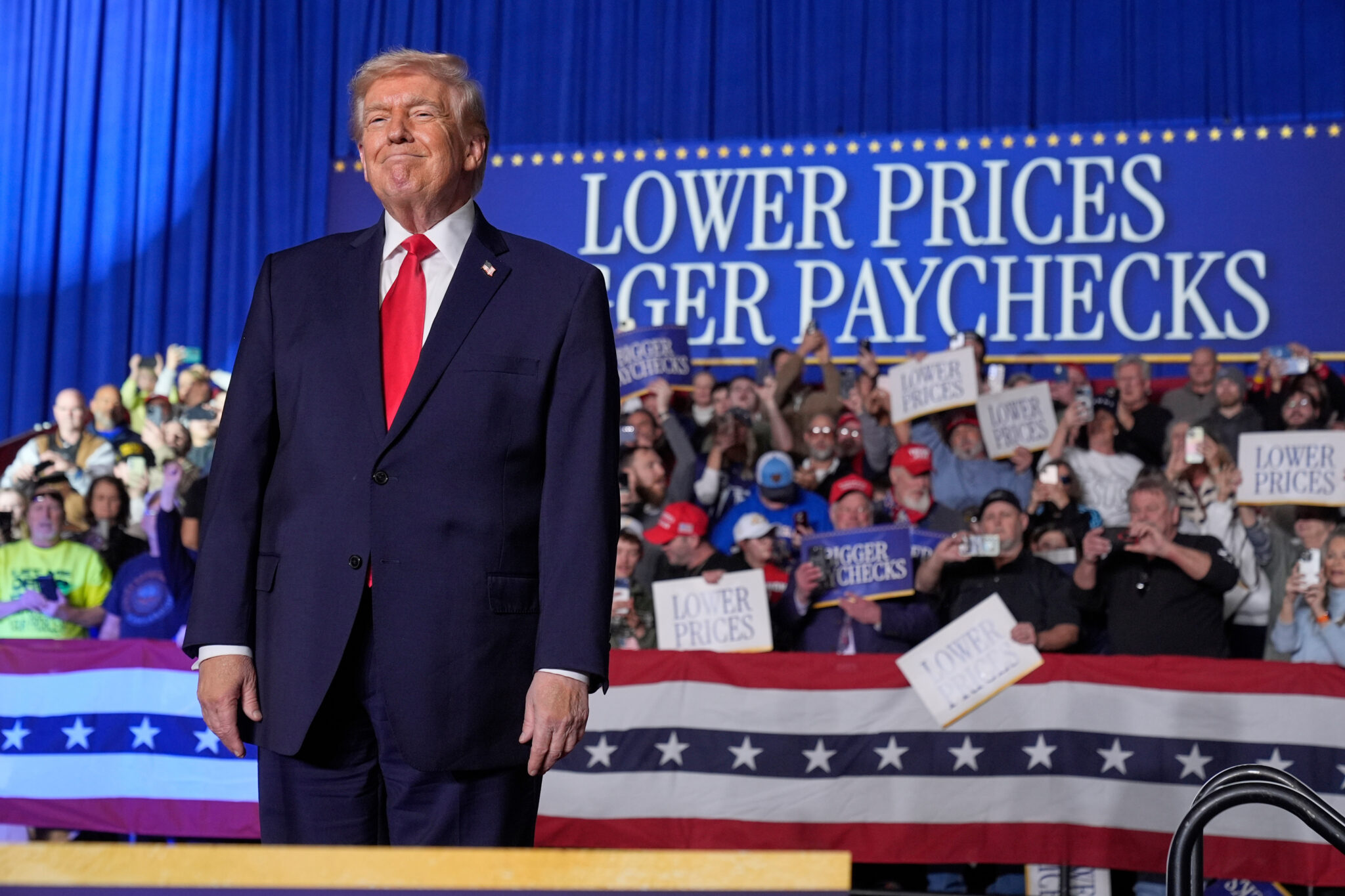
Trump to Remove Protections for 50,000 Federal Workers/ Newslooks/ WASHINGTON/ J. Mansour/ Morning Edition/ The Trump administration has announced a sweeping civil service overhaul removing job protections for up to 50,000 federal workers. The change revives the controversial “Schedule F” classification, giving the president greater authority to hire or fire employees. Federal unions are preparing legal challenges, citing threats to due process and whistleblower safeguards.
Trump Civil Service Overhaul: Quick Looks
- Up to 50,000 federal workers may lose job protections
- Trump reinstates “Schedule F” to target policy-influencing roles
- Biggest civil service change in over 100 years
- Unions and advocacy groups vow to fight in court
- Rule allows Trump to designate which roles are vulnerable
- Changes weaken whistleblower protections via agency-based oversight
- OPM: agencies will now judge whistleblower retaliation internally
- Court challenges are set to resume in the coming days
- Critics warn of politicization and loss of nonpartisan expertise
Deep Look: Trump to Remove Protections for 50,000 Federal Workers
WASHINGTON — In a seismic shift to federal employment policy, the Trump administration on Thursday unveiled a sweeping overhaul of civil service protections, potentially stripping job security from up to 50,000 government workers. The move revives elements of the previously rescinded “Schedule F” initiative, granting President Donald Trump broad new authority to hire and dismiss federal employees deemed to be shaping public policy.
The policy, released by the Office of Personnel Management (OPM), marks the most significant restructuring of the U.S. civil service system in over a century. According to the administration, the goal is to ensure accountability by removing what it characterizes as obstructionist employees unwilling to implement the president’s agenda.
“You can’t run an organization if people are refusing to actually carry out the lawful objectives and orders of the administration,” said OPM Director Scott Kupor, defending the policy’s intent during a media briefing.
Under the new rule, Trump can determine which federal roles fall under the updated classification and are thus subject to at-will dismissal. While the administration argues this boosts executive efficiency, critics say it opens the door to politically motivated firings and undermines decades of bipartisan public service norms.
Opposition to the policy is mounting. Federal employee unions, along with legal advocacy organizations like Democracy Forward, have already initiated litigation to block the change.
“We will return to court to stop this unlawful rule and will use every legal tool available to hold this administration accountable,” said Skye Perryman, Democracy Forward’s president, on Thursday.
A previous lawsuit was put on hold while the administration finalized the rule. Now that it’s official, legal challenges are expected to resume immediately.
Alongside job protections, the administration is also revising how federal whistleblower complaints are handled. The new policy dismantles centralized protections previously overseen by the Office of the Special Counsel, shifting responsibility to individual agencies. Agency leadership will now be tasked with ensuring impartiality when reviewing claims that whistleblowers faced retaliation.
Critics say this change could erode vital protections for government employees who report fraud, abuse, or illegal activity. By allowing federal agencies to investigate their own alleged misconduct, watchdog groups fear fewer employees will feel safe speaking out.
The Trump administration defends the whistleblower reforms as a modernization effort to streamline oversight, insisting agencies will maintain fairness. An OPM spokesperson said Thursday that investigators will be expected to remain “unbiased” in all whistleblower retaliation inquiries.
While President Trump’s allies frame the reforms as a move toward “draining the swamp,” opponents view it as a dangerous politicization of the career civil service. The battle over the policy is expected to escalate in federal court in the coming weeks.