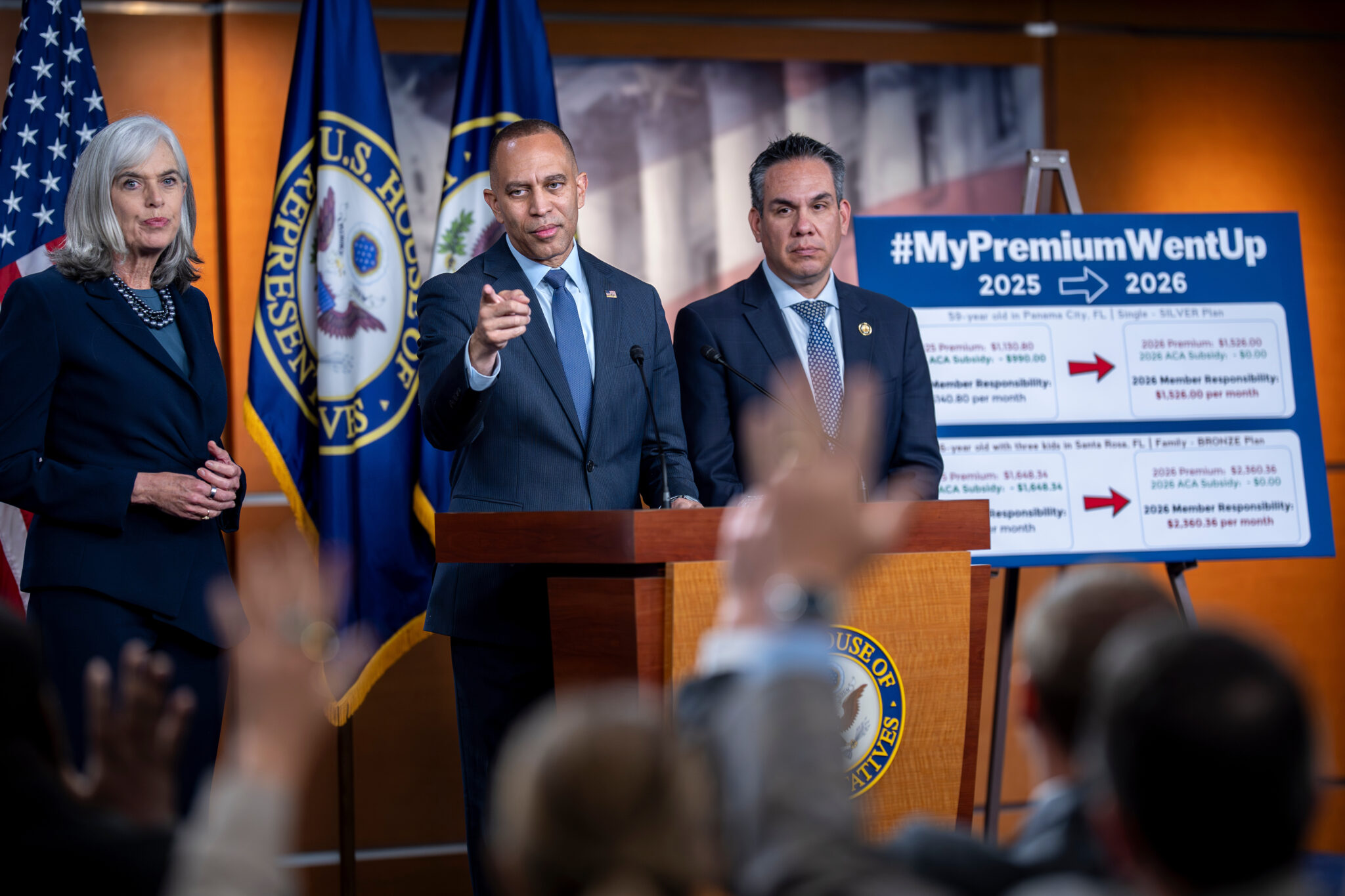
Health Care Skyrocketing Costs Emerge as Democrats’ 2026 Election Weapon/ Newslooks/ WASHINGTON/ J. Mansour/ Morning Edition/ Rising health care costs are becoming a dominant concern for voters ahead of the 2026 elections. Democrats are centering campaigns on Medicaid cuts and higher insurance premiums. Republicans defend spending reductions but struggle to offer a unifying alternative.
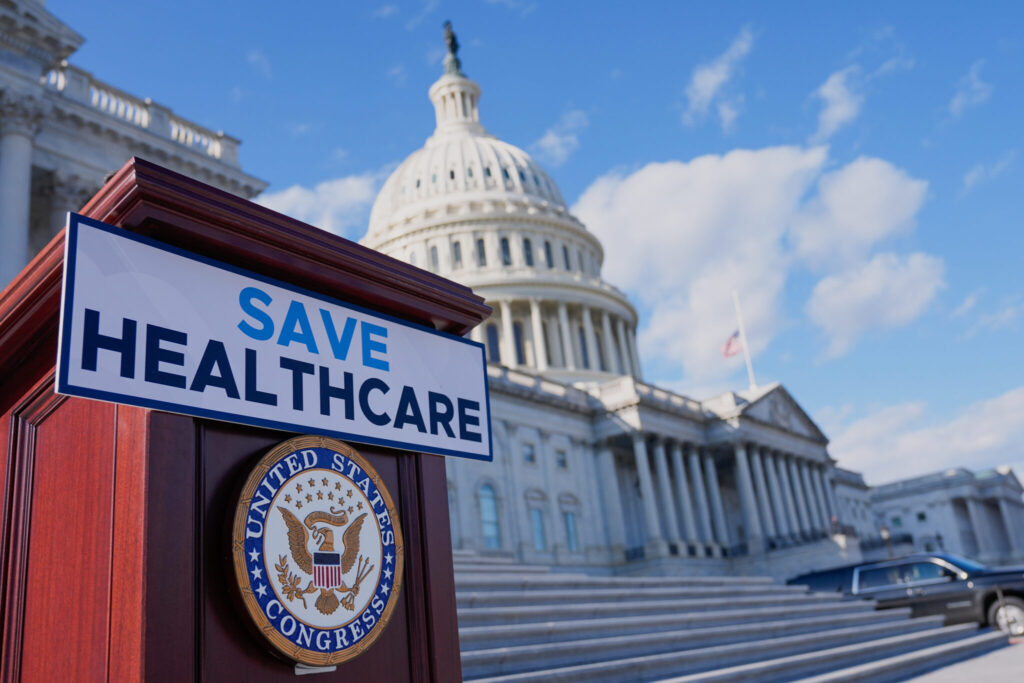
Health Care Costs and Elections: Quick Looks
- Health care ranks among top voter anxieties
- Democrats spotlight Medicaid cuts and ACA premium hikes
- Republicans cite waste and fraud, promote cost control
- Senate and House races hinge on affordability
- ACA subsidy expiration reshapes enrollment trends
- Health care once again central to national politics
Health Care Skyrocketing Costs Emerge as Democrats’ 2026 Election Weapon: Deep Look
ATLANTA — As President Donald Trump settles into his second term, Democrats are increasingly zeroing in on a familiar but newly potent issue: health care affordability.
While immigration enforcement, inflation and clashes with U.S. allies dominate headlines, Democratic candidates are betting that voters are more focused on everyday anxieties — particularly the rising cost of medical care. Party strategists say health care, once a liability, has become a cornerstone of their 2026 campaign strategy as they seek to regain control of Congress in November.
Republicans last year approved legislation that reduced Medicaid spending by roughly $1 trillion over a decade and allowed enhanced Affordable Care Act subsidies to expire. Those subsidies, enacted during the COVID-19 pandemic, had significantly lowered monthly premiums for millions of Americans.
Democrats argue the consequences are now being felt across the country. Campaign ads are being filmed outside rural hospitals, candidates are highlighting personal health struggles, and voters are being reminded of premium increases that followed the subsidy lapse.
“It’s a banger of an issue for Democrats,” said Brad Woodhouse, executive director of the advocacy group Protect Our Care. “It’s going to be part of nearly every race, from local contests to Senate battles.”
One of the most closely watched races involves Jon Ossoff, a Democrat facing reelection in a state Trump carried in 2024. Ossoff is expected to emphasize health care affordability at a suburban Atlanta rally, calling it a “life-or-death” issue for families squeezed by rising costs.
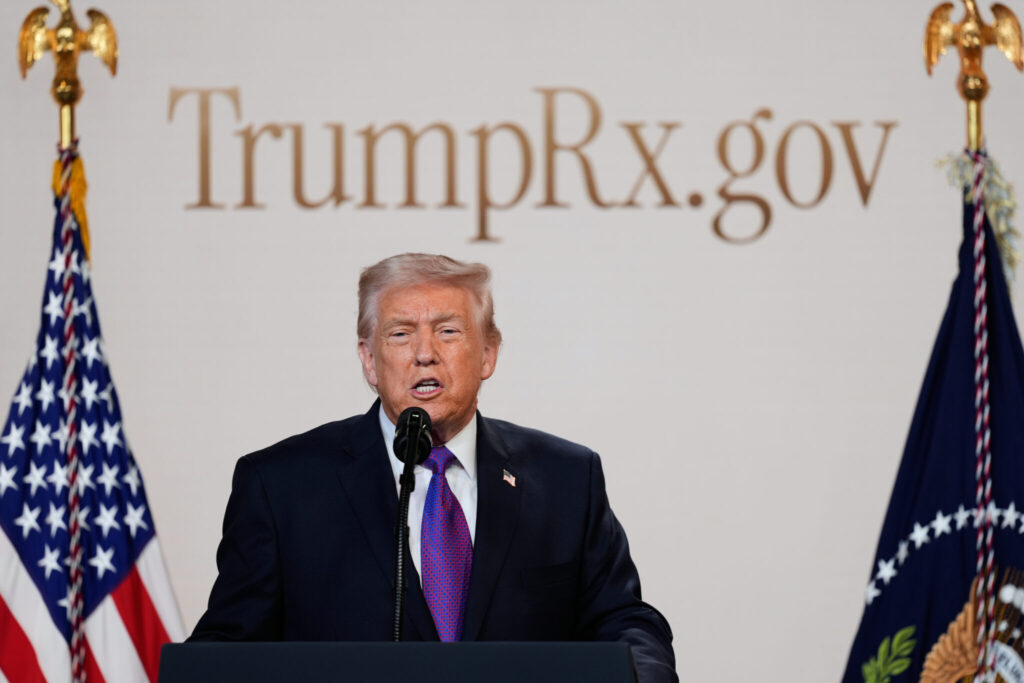
Republicans defend their actions as necessary to control federal spending and eliminate waste, fraud and abuse. Trump recently unveiled a federal website designed to help consumers access discounted prescription drugs, framing it as part of a broader affordability agenda.
“They are working every single day to bring affordability to the people,” said Joe Gruters.
Still, despite holding majorities in both chambers of Congress, Republicans have yet to advance sweeping health care legislation that would significantly lower costs for most Americans. GOP strategist Ron Bonjean called health care the party’s “Achilles’ heel” until a viable legislative plan emerges.
From liability to leverage
Health care has not always favored Democrats politically. The passage of the Affordable Care Act under Barack Obama helped fuel major Democratic losses in the 2010 and 2014 midterms amid voter backlash and technical failures.
That dynamic shifted during Trump’s first term, when Republicans unsuccessfully attempted to repeal the ACA — a move that Democrats say alarmed voters worried about coverage losses and protections for preexisting conditions.
Last year’s GOP-backed spending cuts, which included new work requirements for Medicaid recipients and cost shifts to states, reopened those fears. While Republicans added funding for rural health facilities, progressive groups such as Unrig Our Economy have spent millions attacking GOP votes on health care.
The expiration of ACA tax credits has further intensified the debate. Democrats forced a government shutdown last year over the issue, and although the subsidies were not restored, party leaders believe the standoff strengthened their position with voters.
“Republicans own this now,” said Eric Stern.
Candidates lean into personal stories
Polling suggests the strategy aligns with voter concerns. A recent survey from KFF found roughly one-third of U.S. adults are “very worried” about health care costs — more than those concerned about groceries, housing or utilities.
Candidates across the country are tailoring their campaigns accordingly. Iowa state Sen. Zach Wahls, running for U.S. Senate, has toured hospitals and pharmacies. In Wisconsin, House candidate Rebecca Cooke highlights her father’s cancer drug expenses and her own ACA premium increases.
Georgia activist Teresa Acosta says her family’s monthly insurance bill has jumped to $520 since subsidies expired — a sevenfold increase.
“I think most people would agree health care is a human right,” Acosta said. “Republicans seem determined to weaken access to it.”
Georgia is among the states that did not expand Medicaid, making ACA plans especially critical. Federal data shows enrollment in those plans has dropped by about 14% in 2026, raising fears of rising uninsured rates.
GOP divisions remain
Republicans are divided over how to respond. Georgia Reps. Mike Collins and Buddy Carter voted against extending ACA tax credits, calling the program the “Unaffordable Care Act.”
Carter, a former pharmacist, said extending subsidies would only deepen systemic problems.
But others, including Wisconsin Rep. Derrick Van Orden, supported a temporary extension despite opposing the subsidies in principle.
“We’re the party of good policy,” Van Orden said. “And we need to start acting like it.”
As campaigns intensify, Democrats are betting that health care costs — not culture wars or Washington drama — will decide the 2026 elections.