Trump Deploys Military Leaders in Iran, Ukraine High-Stakes Diplomacy/ Newslooks/ WASHINGTON/ J. Mansour/ Morning Edition/ President Donald Trump is relying on senior US military leaders to handle sensitive diplomatic talks involving Iran and Ukraine. The administration sent the top US commander in the Middle East to nuclear negotiations and elevated the Army secretary in Ukraine peace efforts. The approach reflects a shift away from traditional diplomacy and toward military-backed negotiation strategies.
Trump Military Diplomacy on Iran and Ukraine – Quick Looks
- Trump sent the CENTCOM commander to Iran nuclear talks
- Army Secretary Dan Driscoll is a key Ukraine negotiator
- Moves signal tougher US posture and unconventional diplomacy
- Critics warn of sidelining career diplomats
- Supporters say military expertise strengthens negotiations
- Talks continue amid heightened global tensions
Deep Look: Trump Deploys Military Leaders in Iran, Ukraine High-Stakes Diplomacy
WASHINGTON — President Donald Trump has taken an unconventional approach to foreign diplomacy, leaning heavily on senior military leaders to advance negotiations with Iran and to help broker an end to the war in Ukraine.
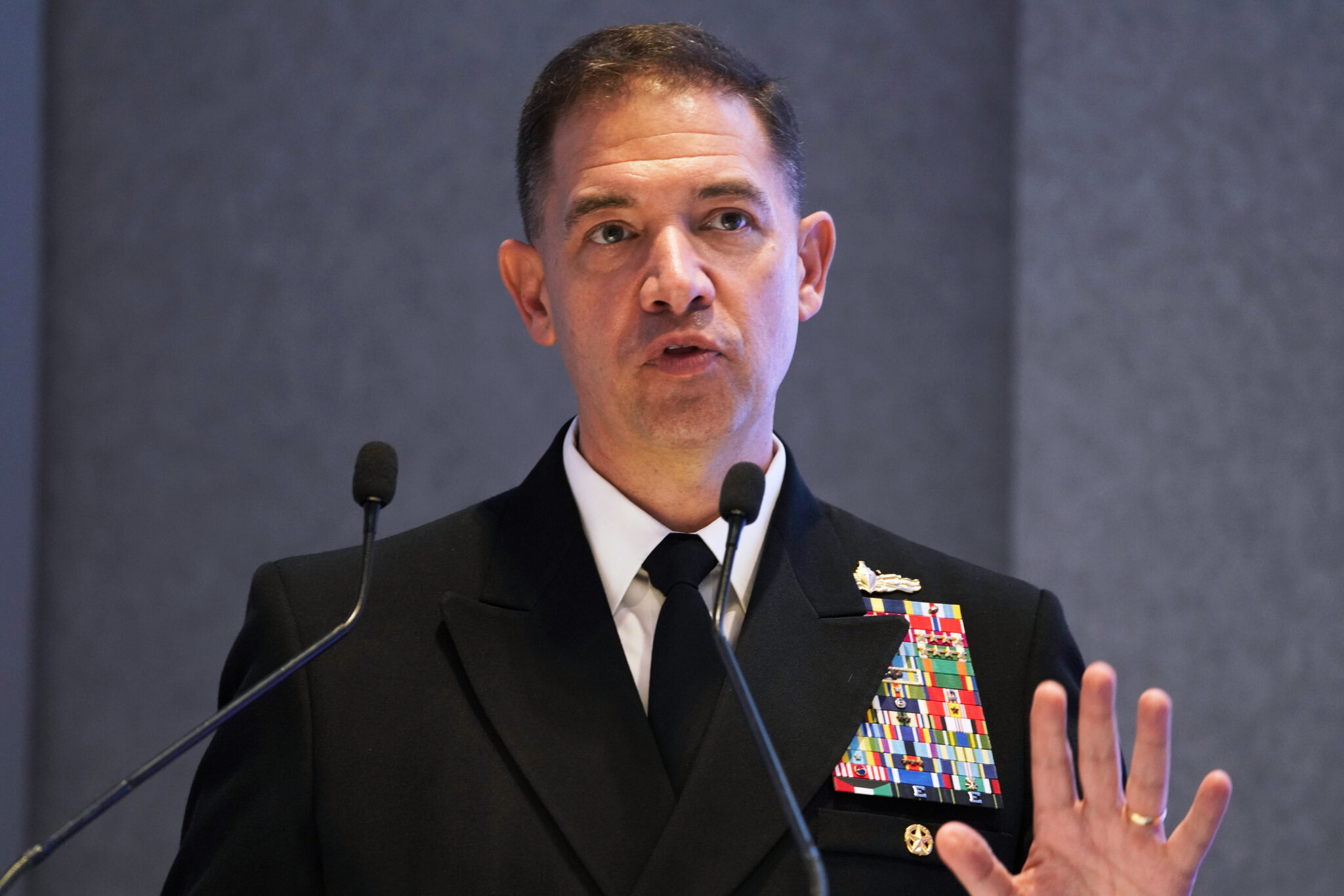
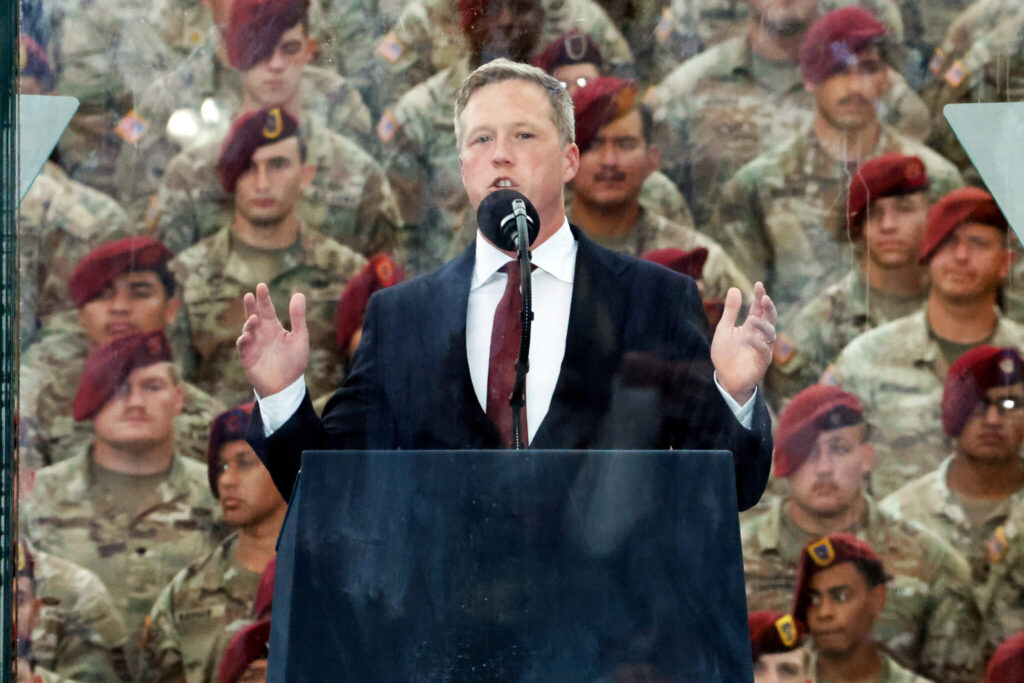
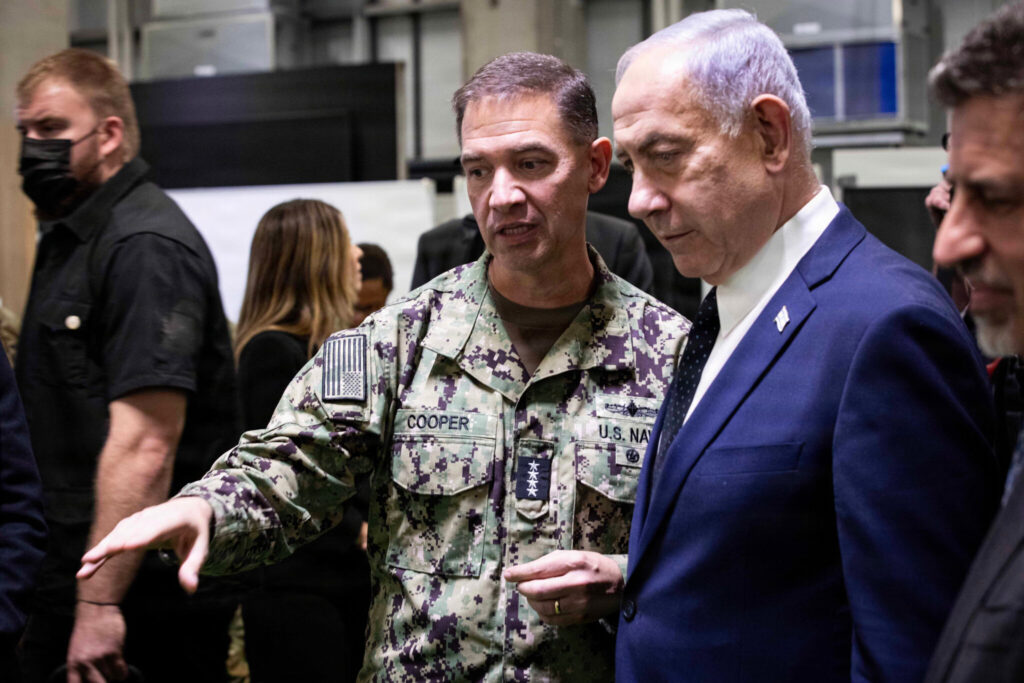
In a move that underscores the administration’s preference for blending military authority with diplomacy, Trump dispatched Brad Cooper, the head of US Central Command, to participate in indirect talks with Iran over its nuclear program. At the same time, Dan Driscoll has emerged as a central figure in negotiations aimed at resolving the nearly four-year Russia-Ukraine war.
Cooper joined the Iran talks on Friday in Oman, marking the first time a sitting CENTCOM commander has participated directly in such discussions. Appearing in full dress uniform, his presence was widely interpreted as a deliberate reminder of US military power in the Middle East, where Washington has increased its naval and air deployments amid rising tensions with Tehran.
Driscoll, meanwhile, reprised his role in Ukraine-related talks this week, maintaining informal dialogue with Ukrainian officials during breaks between formal sessions. According to a person familiar with the negotiations, Driscoll has worked to keep communication channels open and sustain momentum during sensitive discussions.
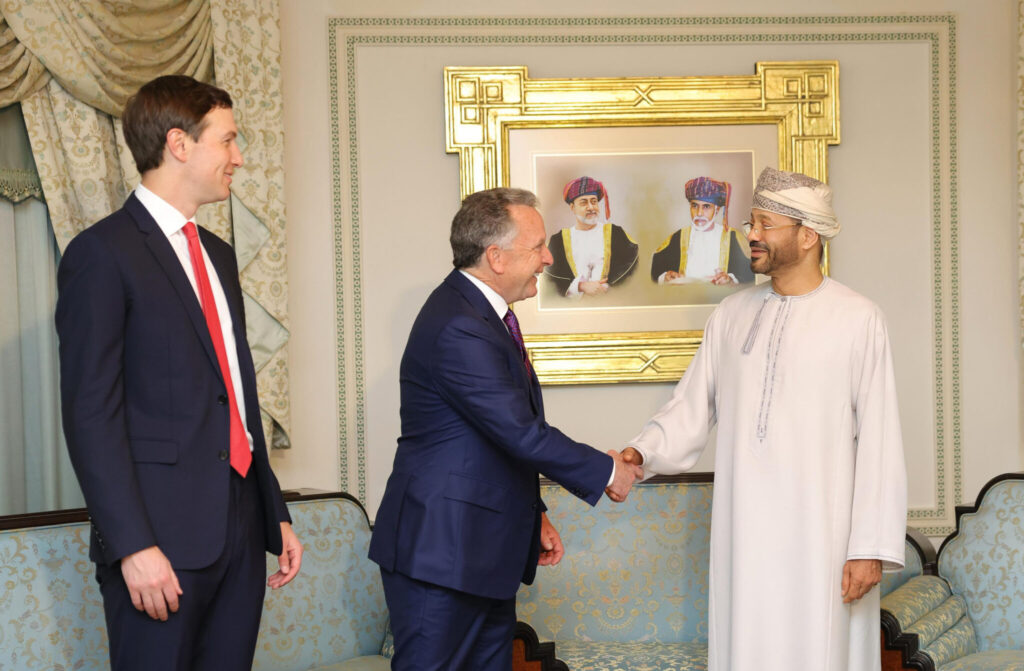
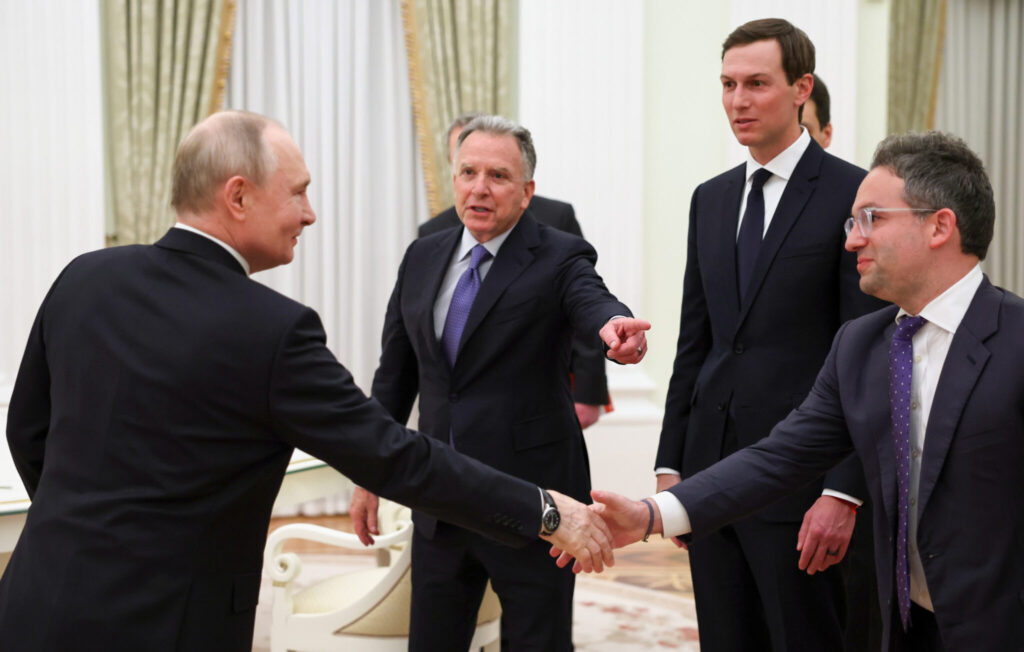
The diplomatic efforts are being coordinated alongside Trump’s special envoy Steve Witkoff and the president’s son-in-law Jared Kushner, both of whom are involved in multiple international negotiations. The reliance on military leaders reflects how the Republican administration has disrupted traditional diplomatic norms, favoring trusted figures with operational authority over career diplomats.
Former officials and analysts are divided on the strategy. Elisa Ewers, a former national security official who served under Presidents George W. Bush and Barack Obama, said assigning active-duty military leaders to diplomatic roles signals a diminished role for professional diplomacy.
She argued that diplomacy requires patience and sustained investment, warning against treating complex international problems as issues best solved through military leverage alone.
Others note that military involvement in diplomacy is not without precedent. Eliot Cohen, a former State Department counselor, pointed out that US generals played significant roles in arms control talks with the Soviet Union during the Cold War. Still, he described Trump’s decision to deploy the Army’s top civilian leader as particularly unusual, though not unprecedented for presidents who rely on trusted emissaries.
Signaling strength in Iran talks
The talks in Oman were intended to reduce escalating tensions between Washington and Tehran, which have raised fears of wider regional instability. Trump publicly described the discussions as productive and said additional meetings were planned for early next week.
At the same time, he warned that failure to reach an agreement on Iran’s nuclear program would result in severe consequences. Trump has repeatedly threatened military action and previously ordered the deployment of the aircraft carrier USS Abraham Lincoln and additional warships to the region.
Defense analyst Michael O’Hanlon of the Brookings Institution said Cooper’s presence was meant to signal resolve and intimidate Iran, rather than to expand the negotiating team’s diplomatic capacity. He suggested the move was designed to reinforce the implicit threat of force, though he questioned whether it would meaningfully alter Iran’s calculations.
Others believe Cooper’s technical expertise played a central role in his selection. Michael Singh, a former senior White House official for Middle East affairs, said the admiral’s deep knowledge of Iran’s military and nuclear capabilities gives him an advantage in evaluating any proposed concessions.
Singh noted that Cooper has access to military intelligence and technical assessments that civilian negotiators may lack, making him particularly valuable in talks involving nuclear infrastructure and verification measures.
The White House has not publicly explained its decision to involve Cooper in the negotiations.
Building bridges in Ukraine talks
Driscoll’s role in Ukraine diplomacy began in November, when he was unexpectedly asked to help revive stalled talks aimed at ending Russia’s invasion. During a previously scheduled visit to Ukraine, he met with Volodymyr Zelenskyy and senior Ukrainian officials across government, military, and defense sectors.
Since then, Driscoll has participated in multiple negotiation sessions, including talks held this week in Abu Dhabi. Sources say he has become an informal liaison between Ukrainian officials and the Trump administration’s negotiating team.
Driscoll’s credibility with Ukrainian counterparts is partly attributed to his military background. A former Army armor officer, he served more than three years on active duty and deployed to Iraq from 2009 to 2010.
He was joined in Abu Dhabi by Alexus Grynkewich, the US general overseeing both American and NATO forces in Europe. Grynkewich helped negotiate the restoration of direct military-to-military communication between the United States and Russia for the first time in four years.
US officials said the renewed dialogue is intended to provide consistent contact between the two militaries as broader diplomatic efforts continue toward what Washington describes as a lasting peace.