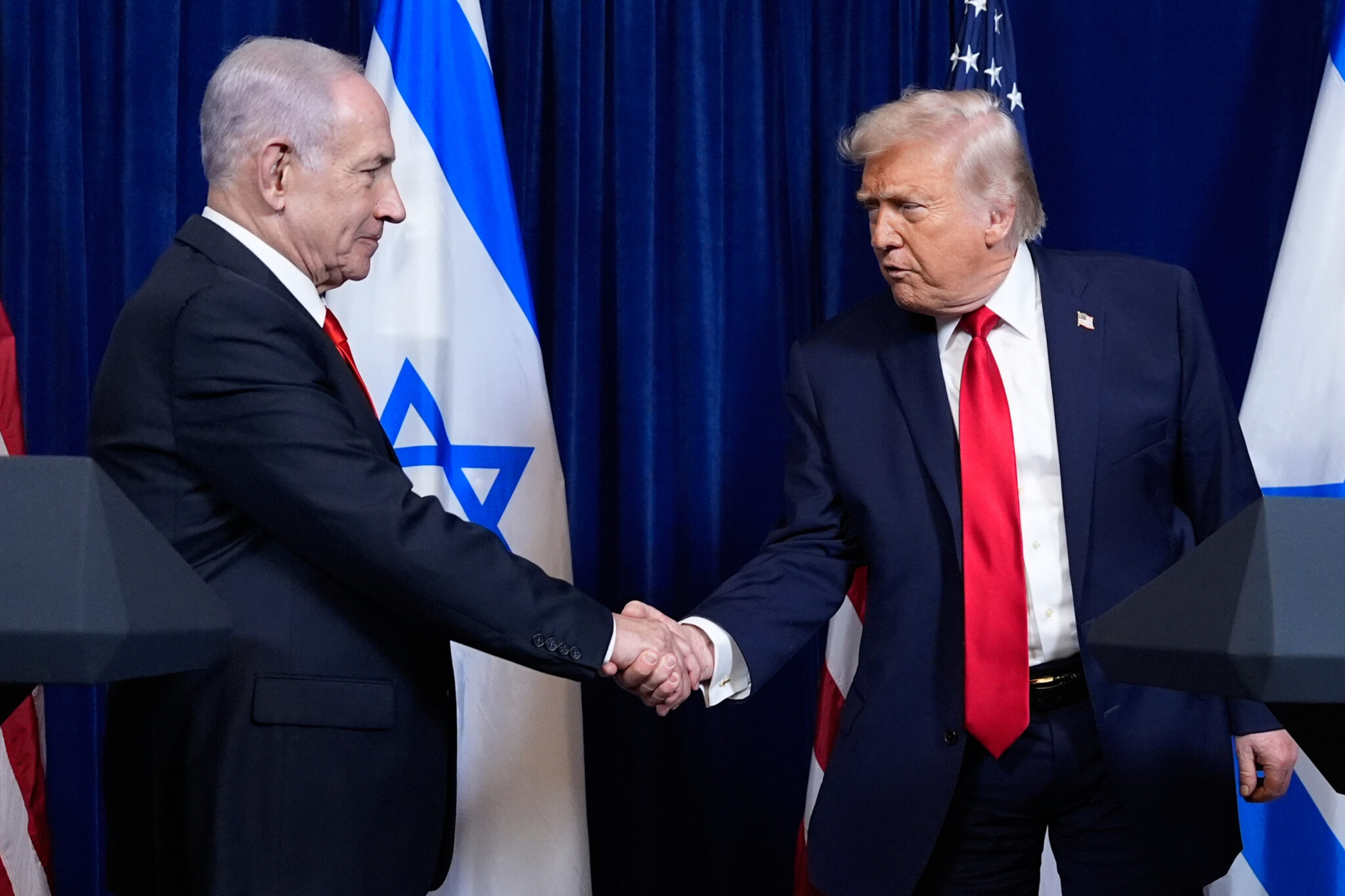
Netanyahu to Urge Trump to Expand Iran Talks During White House Meeting/ Newslooks/ WASHINGTON/ J. Mansour/ Morning Edition/ Israeli Prime Minister Benjamin Netanyahu will urge expanded Iran negotiations during his White House meeting with President Trump. Trump says Tehran appears open to a nuclear deal but insists on strict limits. Regional tensions, Gaza conflict, and missile concerns loom over renewed diplomacy.


Netanyahu Iran Talks White House – Quick Looks
- Netanyahu to press for limits on Iran’s missiles and militant ties
- Trump says Iran “wants to make a deal”
- Indirect U.S.-Iran talks recently held in Oman
- Military buildup in region signals pressure campaign
- Gaza conflict and sanctions relief discussions expected topics
Deep Look: Netanyahu to Press Trump on Expanding Iran Talks as Tehran Signals Openness
Israeli Prime Minister Benjamin Netanyahu is set to meet President Donald Trump at the White House on Wednesday, bringing with him a pointed message: any renewed nuclear agreement with Iran must go beyond uranium enrichment and address Tehran’s ballistic missile program and regional proxy networks.
The meeting — their seventh since Trump began his second term — comes at a moment of cautious diplomatic movement. Washington and Tehran recently held indirect negotiations in Oman aimed at reviving talks over Iran’s nuclear program.
Trump expressed guarded optimism in a recent interview, saying he believes Iran wants to strike a deal. However, he underscored that any agreement must prohibit nuclear weapons development and missile expansion.
“It’s got to be a good deal,” Trump said, reiterating his administration’s red lines.
Israel’s Broader Demands
Netanyahu’s office has indicated that Israel wants negotiations expanded to include strict limits on Iran’s ballistic missile program and its backing of armed groups such as Hamas and Hezbollah.
Speaking before departing Israel, Netanyahu emphasized that any agreement must serve not only Israeli interests but broader regional security.
Israel has long maintained that Iran must halt uranium enrichment entirely, scale back missile capabilities, and sever ties with militant organizations across the Middle East. Tehran has consistently rejected those conditions, arguing it is entitled to peaceful nuclear development and demanding sanctions relief in exchange for any concessions.
Fallout from Last Year’s War
The renewed diplomatic push follows last June’s 12-day conflict between Israel and Iran, which included U.S. airstrikes on several Iranian nuclear facilities. Nearly 1,000 people were killed in Iran and almost 40 in Israel during the escalation.
Trump later declared that U.S. strikes had “obliterated” Iran’s nuclear capabilities, though satellite imagery has since shown activity at damaged sites, raising questions about the extent of destruction and whether Tehran is assessing or repairing facilities.
Before the war, Iran had enriched uranium to 60% purity — a short technical step from weapons-grade levels. According to the International Atomic Energy Agency, Iran was the only country enriching uranium to that level without possessing nuclear weapons.
Iranian officials have said enrichment activities were halted due to war-related damage. However, Tehran has also refused requests from international inspectors to examine bombed sites.
U.S. Strategy: Pressure and Diplomacy
The Trump administration has pursued a dual-track approach: signaling openness to negotiations while reinforcing military assets in the region. The U.S. has deployed additional naval forces, missile defense systems, and aircraft to bolster deterrence.
Trump confirmed that his special envoy Steve Witkoff and adviser Jared Kushner recently held “very good” discussions related to Iran, with more talks expected soon. Still, he warned that failure to reach an agreement would bring “very steep” consequences.
https://newsroom.ap.org/topic?id=116e9ab7aa044476925398d731289267&mediaType=text&navsource=latest&parentlnk=falseIran’s Foreign Minister Abbas Araghchi acknowledged upcoming consultations on next steps but cautioned that deep mistrust remains between the two adversaries. He reiterated Iran’s stance that enrichment rights are non-negotiable — a core sticking point in past negotiations.
Regional Implications and Gaza Factor
Beyond Iran’s nuclear program, the ongoing Israel-Hamas conflict in Gaza is likely to shape discussions. Trump is preparing to convene a Board of Peace initiative aimed initially at implementing a Gaza ceasefire framework but potentially expanding into broader Middle East diplomacy.
Regional powers including Turkey and Qatar have urged restraint, warning that further military escalation could destabilize a region already strained by war and humanitarian crises.
Analysts suggest Netanyahu may push Trump to avoid open-ended negotiations and instead establish firm parameters that would allow the U.S. to walk away if Iran refuses strict conditions.
Uncertain Path Forward
While both Washington and Tehran have struck cautiously optimistic tones, major obstacles remain — including sanctions relief, missile restrictions, and inspection protocols.
Trump’s 2018 withdrawal from the previous nuclear agreement reshaped the diplomatic landscape and led Iran to gradually scale back compliance with international monitoring requirements.
As Netanyahu arrives in Washington, the meeting could shape whether the next phase of U.S.-Iran engagement leads to a comprehensive security deal — or renewed confrontation.