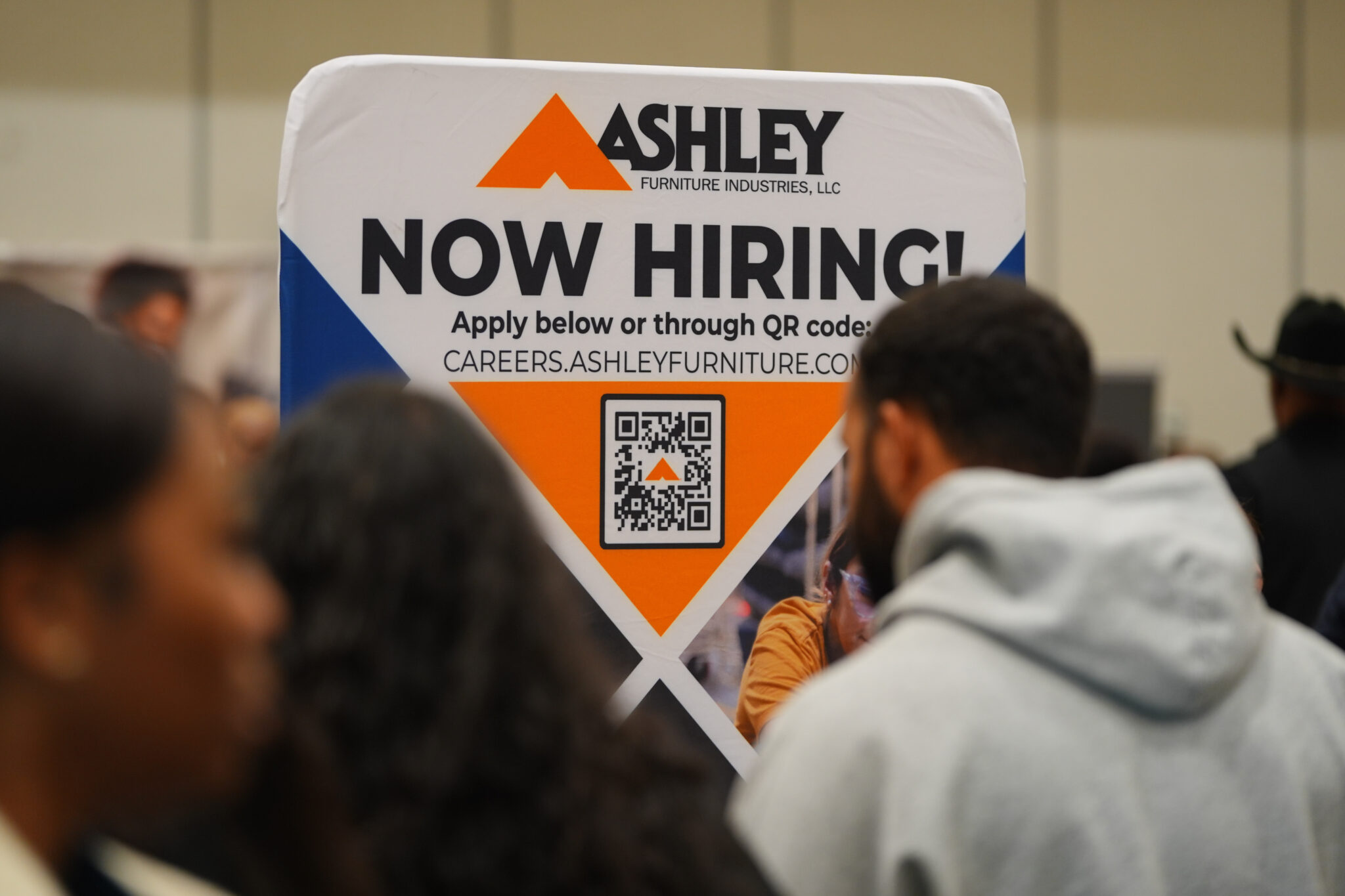
Jobless Benefits Applications Dip Amid Steady Labor Market/ Newslooks/ WASHINGTON/ J. Mansour/ Morning Edition/ U.S. jobless claims fell to 227,000 last week, signaling stable layoffs. Applications remain within the historically healthy 200,000–250,000 range. The data follows a stronger-than-expected January jobs report.


US Jobless Claims 227,000 – Quick Looks
- 227,000 new unemployment claims filed last week
- Down 5,000 from prior week
- Four-week average rises slightly to 219,500
- Continuing claims increase to 1.86 million
- Labor market shows mixed signals despite steady layoffs
Deep Look: US Jobless Claims Fall to 227,000, Labor Market Remains Resilient
The number of Americans filing for unemployment benefits declined last week, suggesting layoffs remain at historically healthy levels despite ongoing economic uncertainty.
According to the U.S. Department of Labor, initial applications for jobless aid dropped by 5,000 to 227,000 for the week ending Feb. 7. That figure closely matched economists’ expectations of 226,000, according to data from FactSet.
Weekly unemployment claims are widely viewed as a near real-time measure of layoffs and overall labor market stability. For much of the past several years, claims have fluctuated within a relatively low range of 200,000 to 250,000 — a sign of steady employment conditions.
Mixed Signals from the Labor Market
The new claims data arrives one day after the government reported that U.S. employers added 130,000 jobs in January, beating forecasts. The unemployment rate edged down to 4.3%, remaining historically low.
However, significant downward revisions to prior data tempered the optimism. Updated figures showed that employers added only 181,000 jobs in 2024 — far fewer than previously reported and the weakest annual total since the pandemic year of 2020.
The revisions underscore a broader slowdown in hiring that has unfolded over the past year.
Layoffs Remain Contained — For Now
Despite steady claims data, several high-profile companies have announced job cuts in recent weeks, including UPS, Amazon, Dow and The Washington Post. These announcements have fueled concerns about potential softening in the labor market.
At the same time, the Labor Department recently reported that job openings in December fell to the lowest level in more than five years — another indication that hiring momentum has cooled even as overall economic growth remains solid.
The four-week moving average of unemployment claims, which smooths weekly volatility, rose by 7,000 to 219,500.
Continuing claims — the total number of Americans receiving unemployment benefits — increased by 21,000 to 1.86 million for the week ending Jan. 31.
The Federal Reserve Factor
Labor market trends remain closely tied to interest rate policy from the Federal Reserve. High borrowing costs introduced in 2022 and 2023 to combat inflation have slowed hiring activity.
Economists are divided on whether January’s stronger-than-expected job growth marks the beginning of a labor rebound or simply a temporary bump. A sustained pickup in hiring could influence the Fed’s timeline for additional interest rate cuts.
In December, Fed officials signaled they expect one rate reduction this year. However, financial markets are currently pricing in two cuts, according to futures data.
Outlook
While layoffs remain low by historical standards, signs of slowing hiring and rising continuing claims suggest the labor market is no longer as robust as it was during the post-pandemic surge.
For now, the decline in jobless claims offers reassurance that widespread layoffs have not materialized — but economists and policymakers will continue watching closely for signs of broader economic cooling.