Trump Taps White House Counsel for Trade, Tariffs Court/ Newslooks/ WASHINGTON/ J. Mansour/ Morning Edition/ President Donald Trump has nominated White House lawyer Kara Westercamp to the U.S. Court of International Trade. The court is central to litigation over Trump’s tariffs now under Supreme Court review. If the tariffs are struck down, the court could determine how duty refunds are handled.
Trump Trade Court Nomination Quick Looks
- Trump nominates White House associate counsel Kara Westercamp
- Court of International Trade handles tariff disputes
- Supreme Court reviewing presidential tariff authority
- Court could oversee tariff refund implementation
- Westercamp would receive lifetime appointment if confirmed
Deep Look: Trump Nominates White House Lawyer to Court Overseeing Tariff Battles
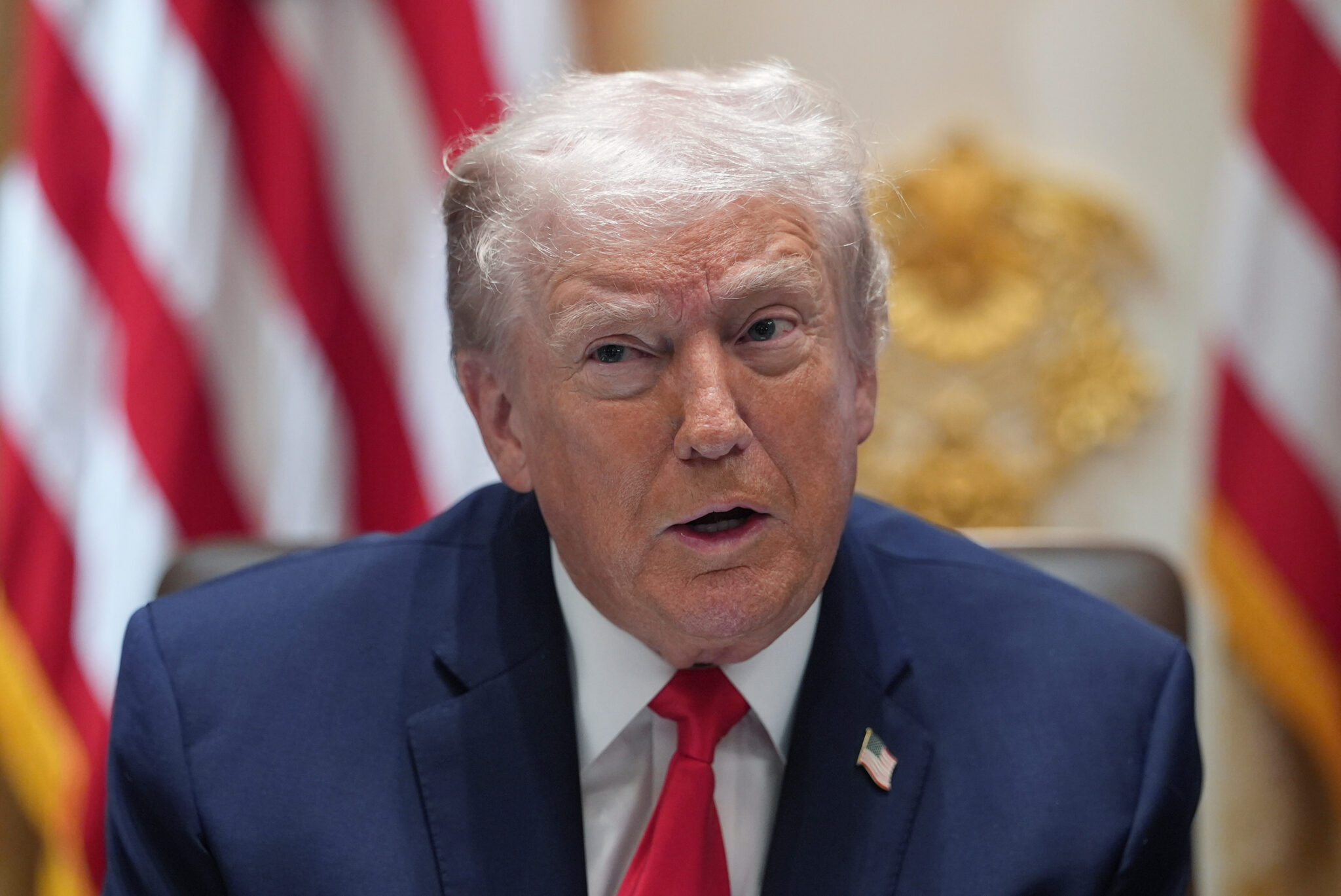
President Donald Trump has nominated White House associate counsel Kara Westercamp to fill a vacancy on the U.S. Court of International Trade, a powerful federal court that is playing a central role in legal battles over his administration’s tariff policies.
The nomination, announced Thursday on Trump’s Truth Social platform, comes at a critical moment. The Supreme Court is currently reviewing challenges to Trump’s use of the International Emergency Economic Powers Act (IEEPA) to impose sweeping tariffs—authority that had never before been used to justify such duties. If the high court rules against the administration, the trade court would likely be tasked with implementing the decision, including overseeing potential tariff refunds.
Trump praised Westercamp as “a very experienced Trade Lawyer” and highlighted her background at the Department of Justice, where she previously worked as a trade attorney. He said she understands “the Wisdom and Courage required to protect the American People” and pledged that she would “always put America First.”
Why the Trade Court Matters in the Tariff Fight
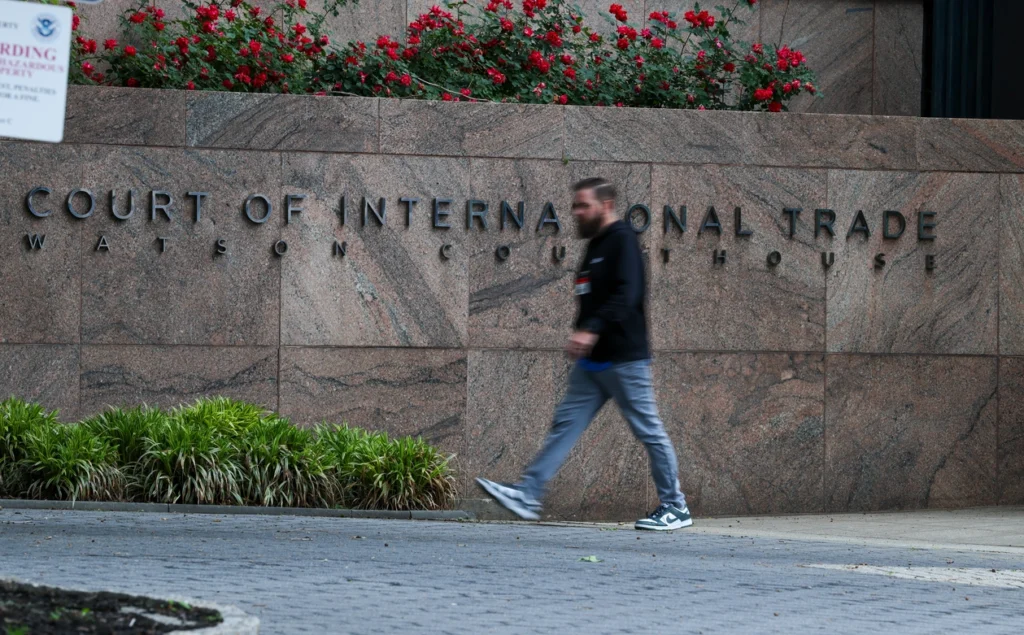
The U.S. Court of International Trade, headquartered in New York, has nationwide jurisdiction over civil cases arising under U.S. trade laws. That includes disputes involving tariffs, customs classifications, duty calculations, and enforcement actions by U.S. Customs and Border Protection (CBP).
The nine-judge court has been at the center of litigation challenging Trump’s tariff programs, including so-called “reciprocal” duties and other levies imposed under IEEPA. In May, the court ruled against portions of the administration’s tariff strategy, finding that the president had exceeded statutory authority.
That ruling is now under review by the Supreme Court, which is examining the scope of presidential power under the 1977 emergency law. If the justices determine that Trump lacked authority to impose certain tariffs, the case would likely return to the trade court to determine how to unwind those duties.
Judges on the court have previously indicated they have the authority to order CBP to recalculate duties and issue refunds if tariffs are deemed unlawful. That could involve billions of dollars in repayments to importers.
Lifetime Appointment and National Impact
If confirmed by the Senate, Westercamp would receive a lifetime appointment to the bench. Such appointments are significant because they allow judges to serve for decades, shaping trade law and economic policy long after the administration that appointed them leaves office.
The nomination comes as Trump continues efforts to reshape the federal judiciary during his second term. It also follows sharp criticism from the president aimed at the trade court after its May ruling against his tariff program.
In a social media post at the time, Trump questioned the origins of the three-judge panel that struck down parts of his policy and suggested their decision was driven by political bias. However, one of the judges on that panel, Timothy M. Reif, had been nominated by Trump during his first term.
Broader Stakes for Trade Policy
The outcome of the Supreme Court case and any subsequent actions by the Court of International Trade could have lasting implications for presidential authority over trade policy.
At issue is whether the International Emergency Economic Powers Act grants the president broad authority to impose tariffs without congressional approval. Historically, tariffs have been enacted under more specific trade statutes that include procedural safeguards and oversight mechanisms.
A ruling limiting presidential authority under IEEPA could constrain future administrations from using emergency powers to reshape trade relationships. Conversely, a ruling in favor of the administration would likely expand executive flexibility in responding to perceived economic threats.
Westercamp’s confirmation process will likely draw scrutiny from lawmakers interested in the independence of the judiciary, particularly given the court’s role in adjudicating disputes directly tied to Trump’s economic agenda.
As litigation over tariff authority moves toward a potential Supreme Court decision, the composition of the trade court may prove pivotal in determining not just the legality of the duties—but also the financial consequences for businesses and the federal government.