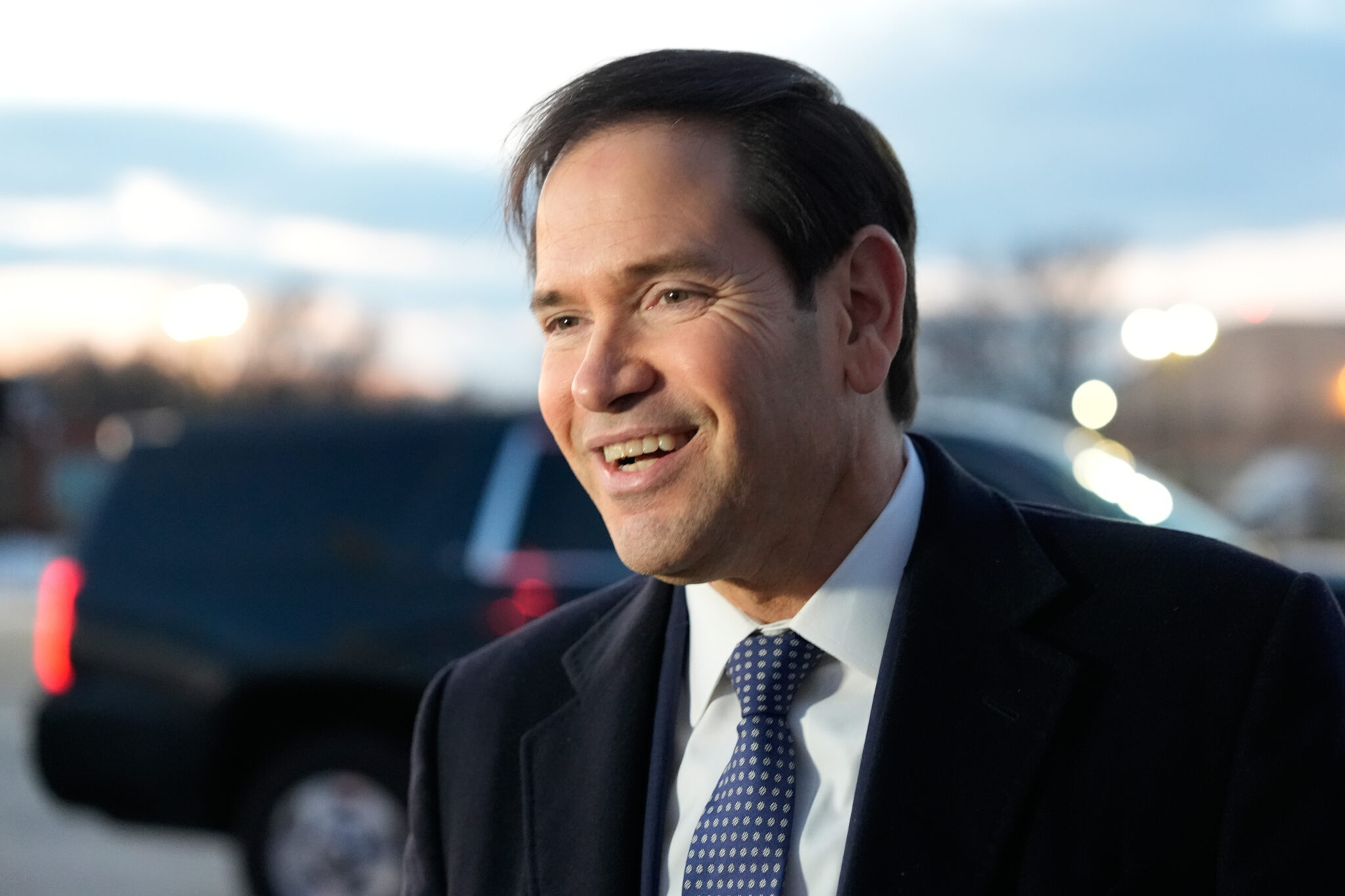
Munich Security Conference Tests US-Europe Alliance/ Newslooks/ WASHINGTON/ J. Mansour/ Morning Edition/ Secretary of State Marco Rubio heads to the Munich Security Conference amid strained U.S.-Europe relations. European leaders seek clarity after months of Trump’s disruptive foreign policy moves. Concerns over Greenland, Ukraine and NATO dominate the high-stakes summit.
Rubio Munich Security Conference Quick Looks
- Rubio leads U.S. delegation to Munich
- Europe uneasy over Trump’s foreign policy direction
- Greenland remarks spark NATO tensions
- Ukraine war and China loom large
- Dozens of U.S. lawmakers also attending
Deep Look: Europe Warily Awaits Rubio at Munich Security Conference
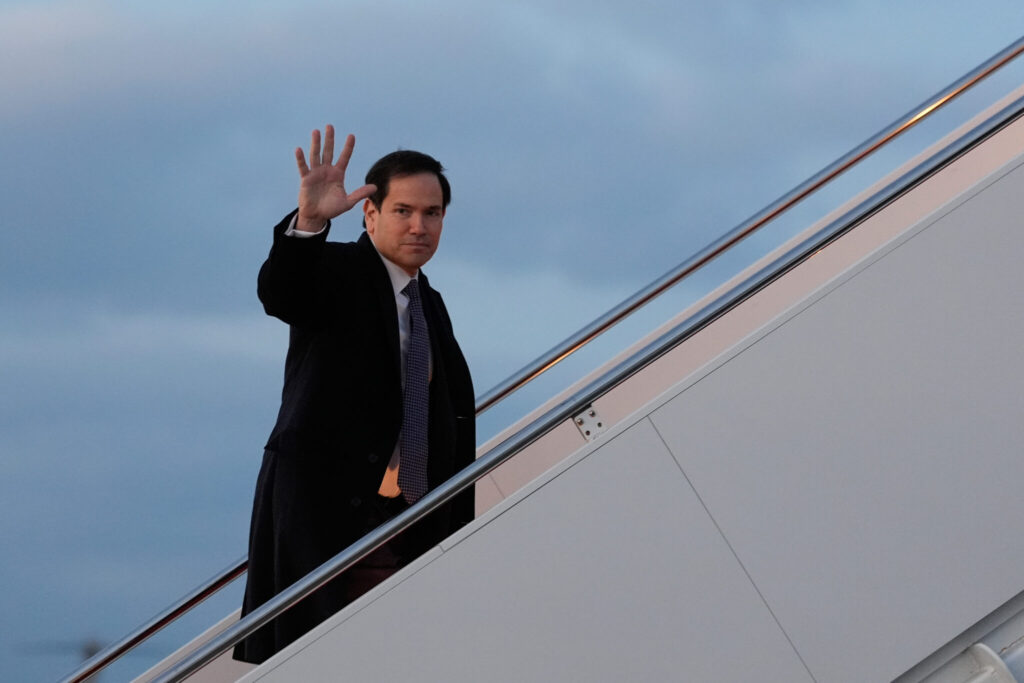
European leaders are preparing for a delicate diplomatic encounter as Secretary of State Marco Rubio leads a U.S. delegation to the Munich Security Conference, an annual gathering that has become a flashpoint for tensions in transatlantic relations under President Donald Trump.
The meeting comes at a time of heightened unease across Europe. Over the past year, Trump’s statements and policies — from trade threats to remarks about Greenland — have shaken confidence in America’s long-standing commitment to its NATO allies and the broader post-World War II international order.
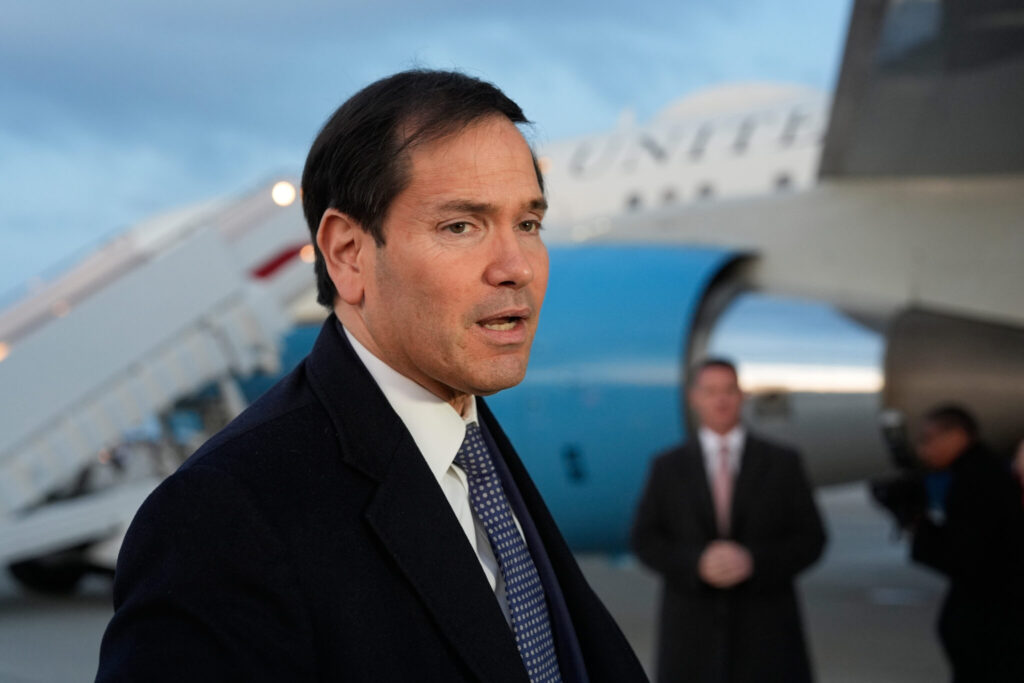
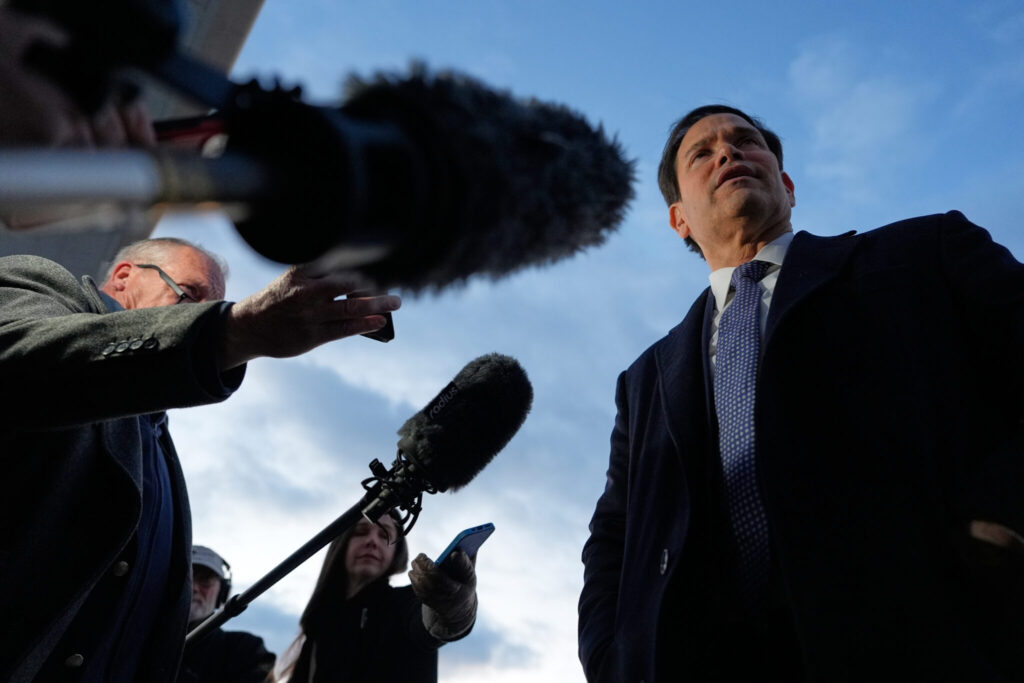
Rubio, speaking before departing Washington, acknowledged the shifting geopolitical landscape.
“We’re very tightly linked together with Europe,” he told reporters. “Most people in this country can trace either their cultural or personal heritage back to Europe.”
But he also made clear that change is inevitable. “We live in a new era in geopolitics, and it’s going to require all of us to reexamine what that looks like,” Rubio said.
Echoes of Last Year’s Shock
Rubio’s visit follows Vice President JD Vance’s combative appearance at last year’s Munich conference, where he sharply criticized European allies for domestic policies and defense spending levels. That speech left many European officials stunned and reinforced concerns that Washington’s approach to alliances had fundamentally shifted.
U.S. officials say Rubio plans a less confrontational tone this year, focusing on cooperation in areas of shared concern such as Ukraine, the Middle East and China’s growing global influence. Still, European leaders remain wary.
Claudia Major of the German Marshall Fund described Vance’s address as a “shock moment” that crystallized fears Europe might no longer be viewed as an equal partner.
“There is a big doubt whether the basis of trust is still there,” she said. “The longer this estrangement goes, the harder it becomes to rebuild.”
Greenland and NATO Concerns
One of the most sensitive issues looming over the conference is Trump’s renewed rhetoric about Greenland, the semiautonomous Danish territory that is part of NATO through Denmark.
Trump’s suggestion that the U.S. could take control of Greenland has unsettled European capitals. Rubio acknowledged the topic is likely to arise during discussions.
“You know, we’re working on that. We feel good about it,” he said.
The remarks have fueled broader questions about whether the U.S. is redefining its relationship with allies in a more transactional direction.
NATO Secretary-General Mark Rutte has emphasized unity, but doubts linger about America’s long-term security commitments, especially as Russia’s war in Ukraine continues.
Diverging European Responses
European leaders are not united in their approach to Trump’s policies.
German Chancellor Friedrich Merz has sought a middle path, arguing Europe must increase defense spending and technological independence while maintaining the alliance. “As democracies, we are partners and allies — not subordinates,” he said.
Others have taken a firmer stance. French President Emmanuel Macron recently described the Trump administration as “openly anti-European” and warned of growing tensions following what he called the “Greenland moment.”
Canadian Prime Minister Mark Carney has similarly signaled frustration, pledging to diversify trade ties and reduce reliance on the U.S. — including exploring closer economic engagement with China.
Those moves have drawn sharp reactions from Washington and intensified trade disputes.
Ukraine, China and a New Global Order
The conference also unfolds against the backdrop of Russia’s war in Ukraine and growing strategic competition with China.
As Trump attempts to broker a settlement in Ukraine and pursue a renewed nuclear agreement with Iran, European leaders are closely watching how much influence they will have in shaping outcomes.
Rubio is expected to emphasize shared interests, particularly in countering Chinese economic influence and maintaining stability in Europe’s eastern flank.
Yet the broader mood in Munich is one of uncertainty. European officials are seeking reassurance that the United States remains committed to NATO’s collective defense principle — even as Washington pushes for greater European responsibility in funding and military readiness.
A Test of Transatlantic Trust
The Munich Security Conference has long symbolized the strength of U.S.-European ties. This year, it may serve as a test of whether those ties can adapt to shifting priorities in Washington.
With dozens of U.S. lawmakers also attending, Rubio’s task is to reassure allies without undermining the administration’s broader geopolitical strategy.
Whether his message calms European anxieties or deepens divisions may shape the trajectory of the transatlantic alliance for years to come.