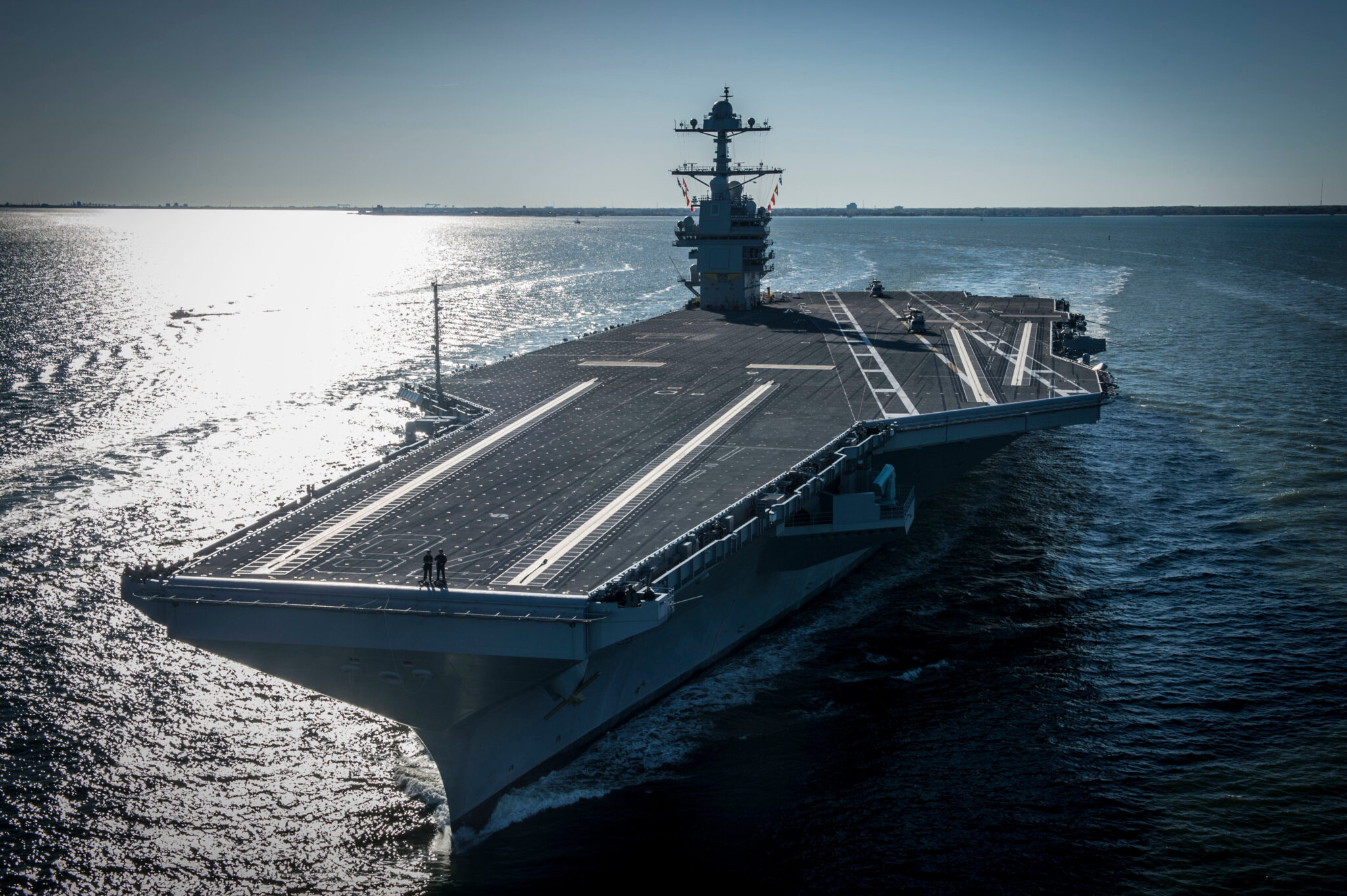
US Deploys Second Aircraft Carrier Amid Iran Tensions/ Newslooks/ WASHINGTON/ J. Mansour/ Morning Edition/ The U.S. is deploying a second aircraft carrier to the Middle East as tensions with Iran intensify. The USS Gerald R. Ford will join the USS Abraham Lincoln in regional waters. The move comes amid stalled nuclear talks and growing instability inside Iran.
Quick Look
- USS Gerald R. Ford heading to Middle East
- Joins USS Abraham Lincoln carrier strike group
- Deployment follows stalled Iran nuclear talks
- Trump warns Tehran of “traumatic” consequences
- Regional allies fear wider conflict
Second U.S. Aircraft Carrier Headed to Middle East as Iran Tensions Rise: Deep Look
WASHINGTON — The United States is dispatching a second aircraft carrier strike group to the Middle East, significantly increasing its military presence in the region as tensions with Iran escalate, according to a person familiar with the plans.
The deployment of the USS Gerald R. Ford — the world’s largest aircraft carrier — will place two U.S. carrier strike groups in the region alongside the USS Abraham Lincoln, which is already operating in the Arabian Sea. The official spoke on condition of anonymity to discuss sensitive military movements.
The decision underscores President Donald Trump’s efforts to pressure Tehran into reaching an agreement over its nuclear program, even as diplomatic efforts appear stalled.
Carrier Buildup Amid Diplomatic Uncertainty
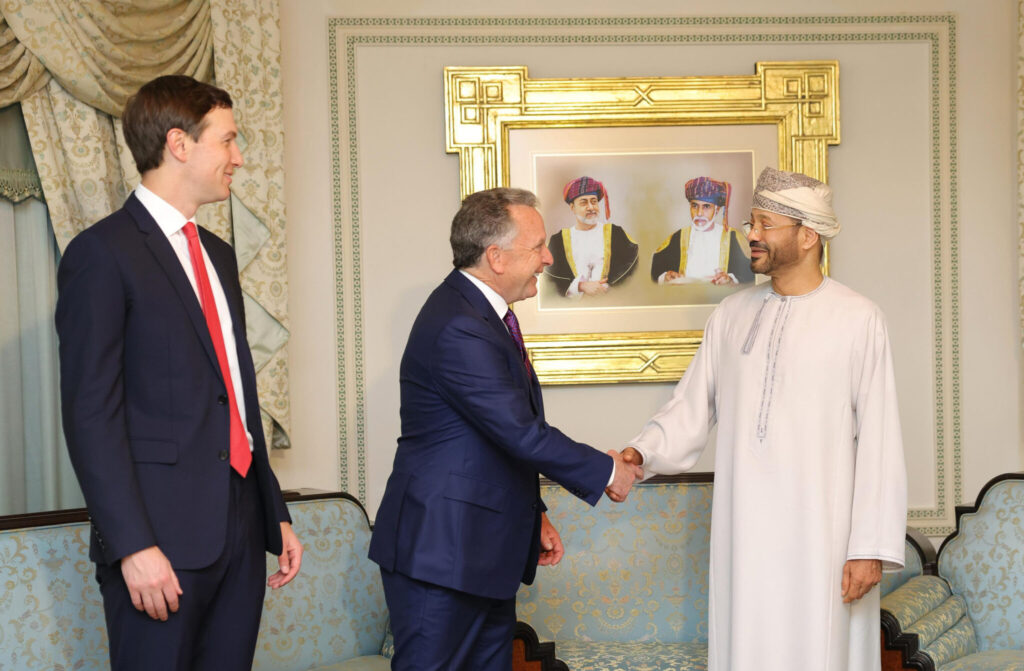
Trump recently suggested that new talks with Iran were imminent. However, negotiations failed to materialize despite indirect communications between U.S. and Iranian intermediaries in Oman and Qatar.
On Thursday, Trump warned that failure to reach a deal would be “very traumatic” for Iran, indicating a limited window for progress.
“I guess over the next month, something like that,” Trump said when asked about the timeline for a potential agreement. “It should happen quickly. They should agree very quickly.”
Earlier in the week, Trump confirmed he was considering sending a second carrier strike group to the region.
Two Carriers in Strategic Waters
The arrival of the USS Gerald R. Ford will significantly bolster American firepower in the Middle East. Carrier strike groups typically include guided-missile destroyers, cruisers and support vessels capable of conducting airstrikes, missile defense and maritime security operations.
The move was first reported by The New York Times.
The Ford had recently been reassigned from the Mediterranean to the Caribbean as part of a large U.S. military buildup tied to last month’s operation that resulted in the capture of former Venezuelan President Nicolás Maduro.
Its redeployment to the Middle East marks a rapid operational shift and appears to contrast with the administration’s stated national security emphasis on prioritizing the Western Hemisphere.
Israel and Regional Concerns
The escalation comes amid close coordination between Washington and Israel. Trump held lengthy discussions this week with Israeli Prime Minister Benjamin Netanyahu, who has urged the U.S. to take a firm stance on Iran’s ballistic missile program and its support for militant groups including Hamas and Hezbollah.
At the same time, Gulf Arab nations have cautioned that any military strike against Iran could ignite a broader regional conflict, particularly as the Middle East continues to grapple with instability following the Israel-Hamas war in Gaza.
Extended Deployment for USS Ford
The USS Gerald R. Ford began its current deployment in late June 2025, meaning its crew will soon approach eight months at sea. While it remains unclear how long the carrier will remain in the Middle East, the reassignment suggests an extended deployment period for its sailors.
The White House did not immediately respond to requests for comment on the deployment.
Iran’s Domestic Pressures Intensify
The U.S. military buildup coincides with heightened internal tensions in Iran. The country is marking the traditional 40-day mourning period for thousands killed during last month’s nationwide protests and subsequent government crackdown.
Videos circulating online show mourners gathering across the country, holding portraits of the dead and singing patriotic songs, including “Ey Iran,” a pre-revolution anthem that has resurfaced as a symbol of national identity.
The mourning ceremonies could further inflame domestic unrest, adding pressure to Iran’s leadership as it navigates economic strain from ongoing international sanctions and renewed U.S. military pressure.
High Stakes in the Gulf
With two American carrier strike groups operating in nearby waters, the situation signals a clear show of force aimed at deterring Iran while keeping diplomatic options on the table.
Whether the deployment leads to renewed negotiations or further escalation remains uncertain. But the presence of two of the U.S. Navy’s most powerful assets underscores the seriousness of the moment.