US Inflation Falls to Five-Year Low in January/ Newslooks/ WASHINGTON/ J. Mansour/ Morning Edition/ U.S. inflation cooled to 2.4% in January, nearing a five-year low. Falling gas prices and slower rent increases drove the decline. The data could strengthen expectations for Federal Reserve rate cuts later this year.
Quick Look
- Annual inflation: 2.4% (down from 2.7%)
- Core inflation: 2.5% (lowest since March 2021)
- Gas prices down 3.2% in January
- Used car prices fell 1.8%
- Consumer prices still ~25% higher than five years ago
US Inflation Falls to Near Five-Year Low as Gas and Rent Pressures Ease
WASHINGTON — A closely watched measure of U.S. inflation cooled to its lowest level in nearly five years in January, driven by declining gas prices and slower increases in apartment rents, offering Americans some relief after years of steep cost increases.
Consumer prices rose 2.4% in January compared with a year earlier, down from 2.7% in December and edging closer to the Federal Reserve’s 2% inflation target. Core inflation — which excludes volatile food and energy prices — slipped to 2.5% annually, its smallest increase since March 2021.
The new data suggest price pressures are gradually easing, though Americans are still grappling with the lasting effects of the post-pandemic surge that pushed overall prices roughly 25% higher than they were five years ago.
Monthly Price Changes
On a month-to-month basis, overall prices rose 0.2% in January, while core prices increased 0.3%.
One key driver of the slowdown was a sharp drop in used car prices, which fell 1.8% in January alone. Gas prices declined 3.2% during the month — their third drop in four months — and are now 7.5% lower than a year ago.
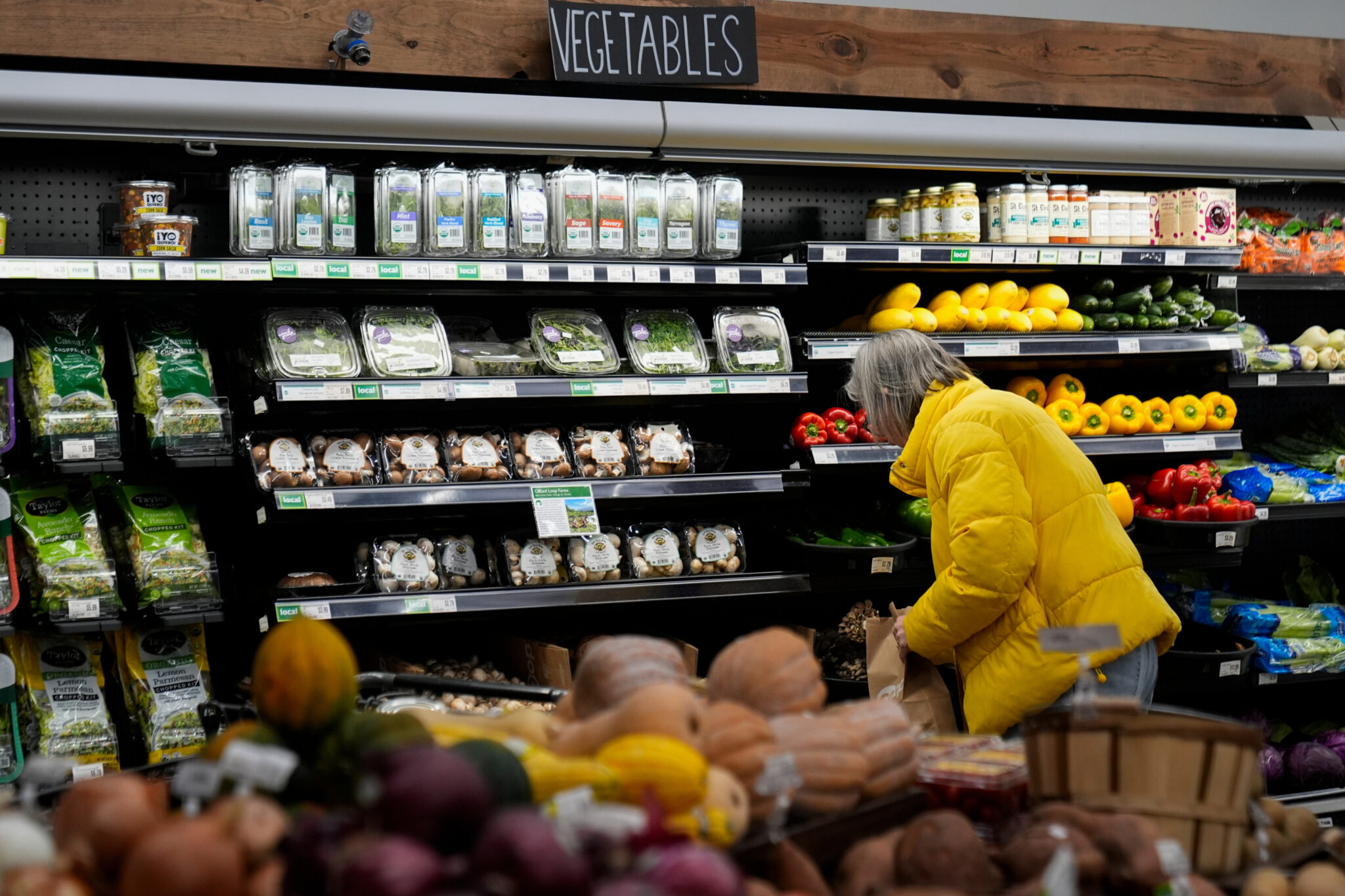
Grocery prices ticked up 0.2% in January, moderating after a steeper 0.6% increase in December. Compared with a year ago, food prices are up 2.1%.
Relief — But Not a Reset
While inflation is slowing, the broader cost-of-living picture remains challenging. The rapid price increases that followed the pandemic — particularly for housing, food and fuel — have become a central political and economic issue under the banner of “affordability.”
Even as inflation cools, many households still face higher borrowing costs for mortgages, auto loans and credit cards, partly due to interest rate hikes implemented by the Federal Reserve beginning in 2022 to combat soaring prices.
Inflation peaked at 9.1% in 2022 before gradually declining through 2023. It leveled off around 3% in mid-2024 and remained stubbornly elevated for much of last year before resuming a downward trend.
Markets React to Cooling Prices
Financial markets responded positively to the report. Stock futures turned higher, and the yield on the 10-year Treasury note — a key benchmark for mortgage rates — declined as investors increased expectations that the Federal Reserve could cut interest rates later this year.
President Donald Trump has repeatedly urged the Fed to reduce rates. If inflation continues trending toward the 2% target, the central bank may have greater flexibility to ease borrowing costs.
In December, Fed officials projected one rate cut this year, while Wall Street investors are betting on two.
Wages and Hiring Slowdown
Another factor easing inflationary pressure is slower wage growth. Hiring has cooled significantly over the past year, limiting workers’ leverage to demand higher pay. Smaller wage gains tend to reduce inflation because companies face less pressure to raise prices to offset higher labor costs.
Economists say moderating wage growth is a key reason inflation is expected to continue easing.
“We’re not expecting inflation to start up again by any stretch,” said Luke Tilley, chief economist at Wilmington Trust.
Tariffs and Future Risks
Some businesses are still absorbing costs from tariffs imposed on imports, though economists say companies may pass more of those costs on to consumers in coming months.
Even so, most forecasts call for further declines in inflation during the second half of the year, with many economists expecting it to approach the Federal Reserve’s 2% target by late 2026.
For now, the latest figures signal that inflation — while still elevated compared to pre-pandemic levels — is moving in the right direction.