Germany’s Merz Urges US to Restore Trans-Atlantic Trust/ Newslooks/ WASHINGTON/ J. Mansour/ Morning Edition/ German Chancellor Friedrich Merz called for rebuilding trust between the United States and Europe at the Munich Security Conference. He urged a renewed trans-Atlantic partnership amid tensions over tariffs, defense spending and geopolitical strategy. U.S. officials signaled continued cooperation but emphasized a shift in global priorities.
Germany Calls to Repair Trans-Atlantic Trust Quick Looks
- Chancellor Friedrich Merz urged U.S.-Europe unity.
- Remarks delivered at the Munich Security Conference.
- Tensions followed tariffs, NATO pressure and policy disputes.
- Merz rejected protectionism and defended free trade.
- NATO chief cited a European “shift in mindset.”
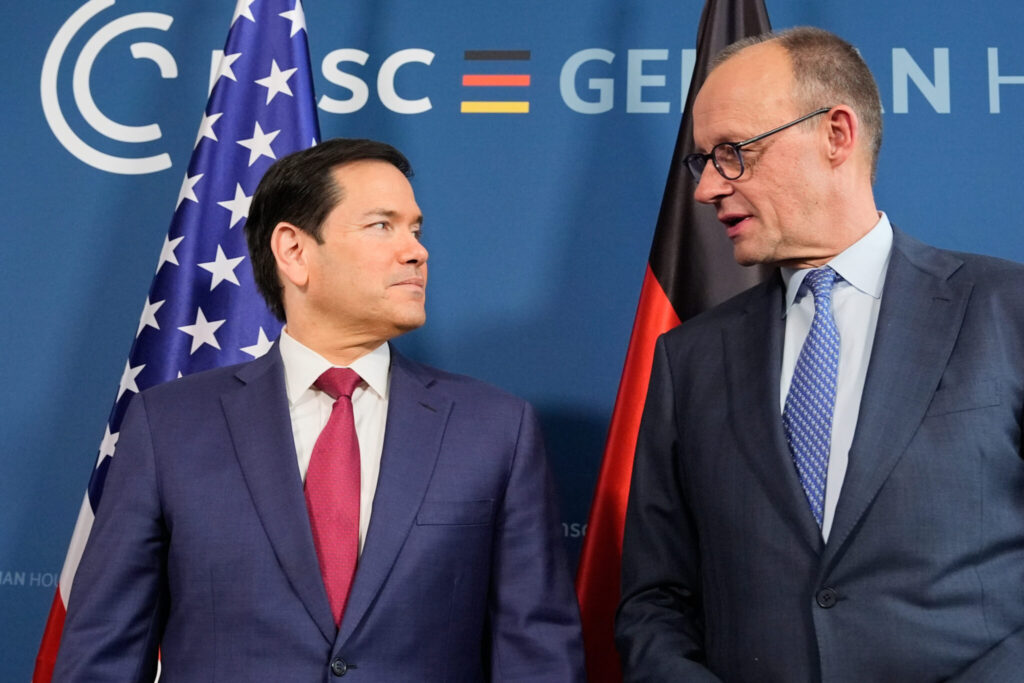
- U.S. Secretary of State Marco Rubio attended meetings in Munich.
Deep Look: Germany’s Merz Urges US to Restore Trans-Atlantic Trust
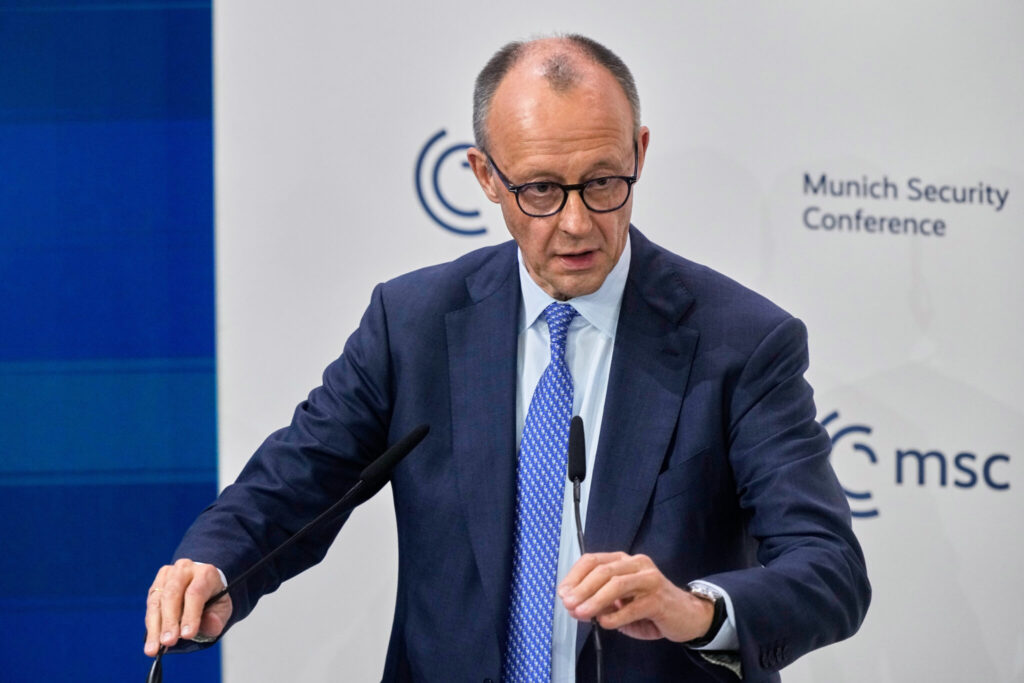
German Chancellor Friedrich Merz appealed for a reset in relations between the United States and Europe, urging both sides to “repair and revive trans-Atlantic trust together” in an era defined by geopolitical rivalry and shifting alliances.
Speaking at the Munich Security Conference, one of the world’s premier gatherings of political and defense leaders, Merz acknowledged that strains have deepened across the Atlantic during the past year. But he argued that the challenges confronting the West — from global power competition to economic uncertainty — require closer coordination rather than fragmentation.
“In the era of great-power rivalry, even the United States will not be powerful enough to go it alone,” Merz said. “Being part of NATO is not only Europe’s competitive advantage — it is also America’s competitive advantage.”
A Year of Strain
The annual Munich conference comes a year after a contentious meeting early in President Donald Trump’s second term, when Vice President JD Vance sharply criticized European governments over democracy and free speech concerns. That moment foreshadowed months of friction between Washington and key European capitals.
Subsequent disputes included threats of new U.S. tariffs targeting European countries and Trump’s controversial proposal to seek U.S. control of Greenland, a semiautonomous territory of Denmark and a NATO ally. Though the tariff threats were later withdrawn, they contributed to unease among European leaders.
Merz made clear that cultural and political differences persist.
“The culture war of the MAGA movement in the U.S. is not ours,” he said. “We don’t believe in tariffs and protectionism, but in free trade.”
He also reaffirmed Europe’s commitment to multilateral cooperation, pledging continued support for international climate agreements and the World Health Organization.
Stronger Together
Despite policy differences, Merz emphasized shared strategic interests. The post-World War II order, he said, “as imperfect as it was at its best times, no longer exists.” In its place stands a world increasingly shaped by rivalry among major powers.
Under such conditions, Merz argued, unity within NATO is essential. Rather than weaken the alliance, Europe should reinforce it by strengthening its own defense capabilities.
“We won’t do this by writing off NATO — we will do it by building a strong, self-supporting European pillar in the alliance,” he said.
His comments reflect a broader shift in Europe’s approach to defense spending. Since last year’s conference, NATO allies have agreed — under pressure from Washington — to significantly increase defense budgets.
NATO Secretary-General Mark Rutte described the development as a “shift in mindset,” saying Europe is stepping up to take greater responsibility within the alliance and for its own security.
A New Geopolitical Era
The U.S. delegation this year was led by Secretary of State Marco Rubio, whose presence raised hopes for a more traditional diplomatic tone. Before arriving in Germany, Rubio stressed Europe’s deep cultural and historical ties to the United States.
“We’re very tightly linked together with Europe,” Rubio told reporters. “Most people in this country can trace their heritage back to Europe.”
At the same time, he acknowledged that relations are evolving.
“We live in a new era in geopolitics, and it’s going to require all of us to reexamine what that looks like,” Rubio said.
U.S. Ambassador to the United Nations Mike Waltz echoed that theme at the conference, arguing that America has borne an outsized share of multilateral financial burdens and that Europe must contribute more.
“There is a cost to the status quo, and the status quo was not sustainable anymore,” Waltz said.
Managing Differences
Merz conceded that disagreements between Washington and European capitals are likely to persist. Trade policy, defense spending, climate commitments and global governance remain areas of debate.
But he framed those differences as manageable if approached with mutual respect.
“If we do this with new strength, respect and self-respect, that is to the advantage of both sides,” he said.
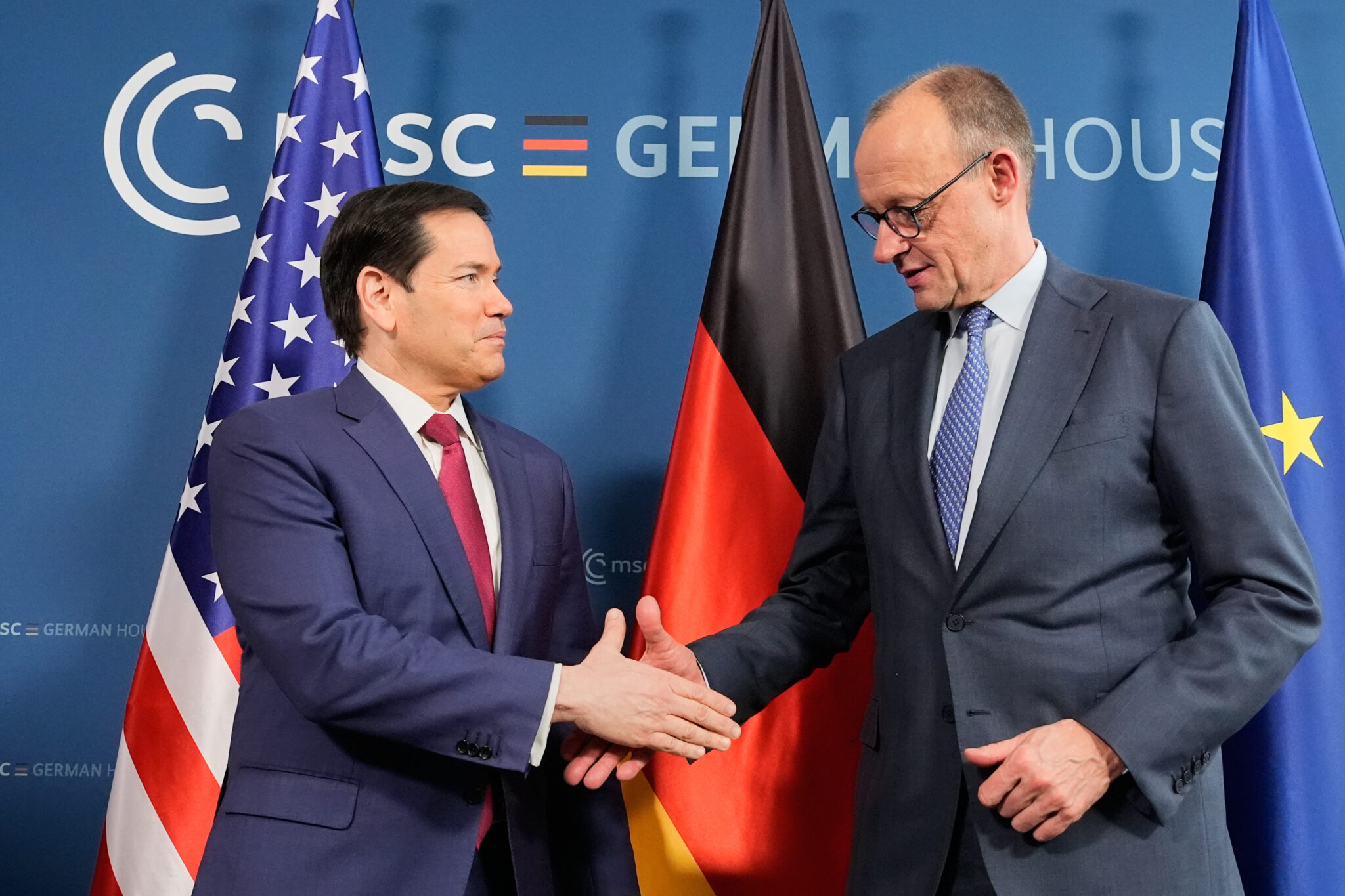
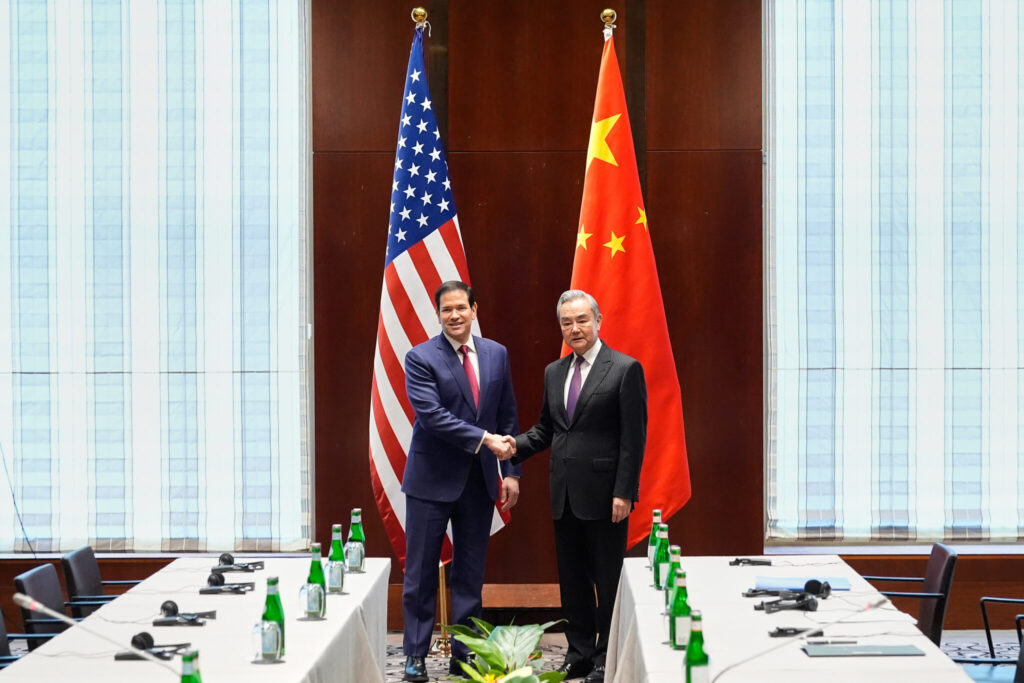
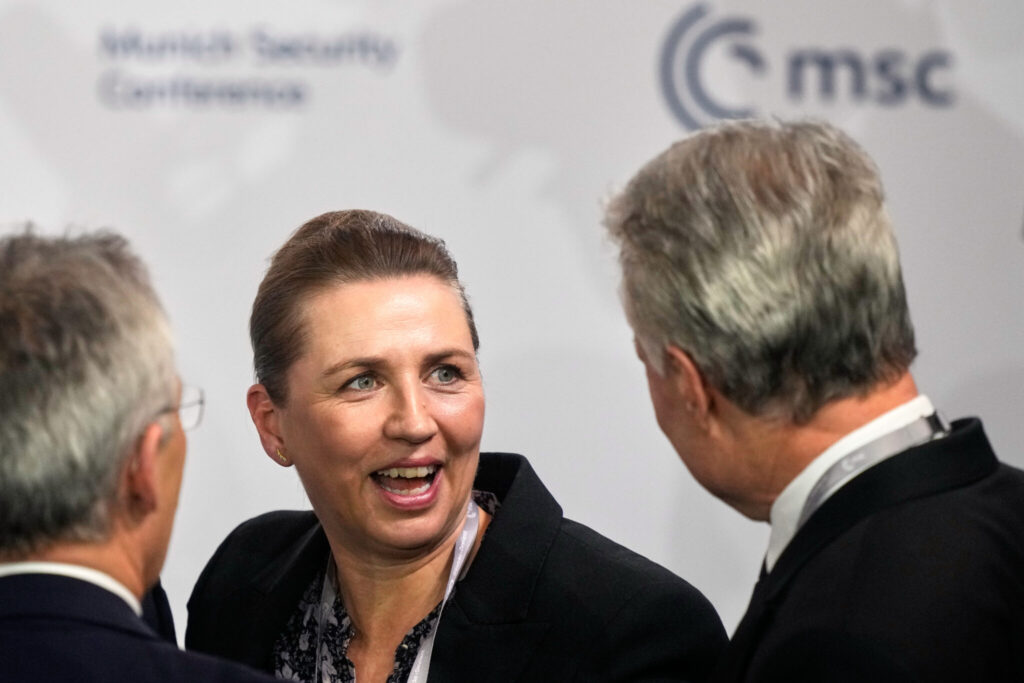
Rubio met with Merz as well as Chinese Foreign Minister Wang Yi on the sidelines of the conference. He also held talks with Danish Prime Minister Mette Frederiksen and Greenlandic Prime Minister Jens-Frederik Nielsen, underscoring the wide-ranging geopolitical issues under discussion.
Looking Ahead
The Munich Security Conference has long served as a barometer for trans-Atlantic relations. This year’s gathering highlighted both the strains and the enduring interdependence between the United States and Europe.
For Merz, the path forward lies not in retreating from alliances but in modernizing them for a more competitive world. His call for renewed trust signals a desire to stabilize relations at a time when global uncertainty — from economic volatility to security threats — demands coordinated action.
Whether that vision translates into lasting policy alignment will depend on how both sides navigate their differences in the months ahead. For now, the message from Munich was clear: despite tensions, neither side can afford to go it alone.