Trump: Change in Power in Iran ‘Would Be the Best Thing That Could Happen’/ Newslooks/ WASHINGTON/ J. Mansour/ Morning Edition/ President Donald Trump said a change in Iran’s leadership “would be the best thing” as the U.S. considers potential military action. He confirmed deployment of a second aircraft carrier group to the Middle East amid stalled nuclear talks. The remarks highlight escalating tensions with Tehran and broader regional risks.
Trump Iran Regime Change Comments Quick Looks
- Trump says change in Iran’s leadership “would be best.”
- Second U.S. aircraft carrier group heading to Middle East.
- Focus extends beyond Iran’s nuclear program.
- Secretary of State Marco Rubio calls regime change “far more complex.”
- Israeli Prime Minister Benjamin Netanyahu presses broader demands.
- Gulf nations warn of potential regional escalation.
Deep Look: Trump: Change in Power in Iran ‘Would Be the Best Thing That Could Happen’
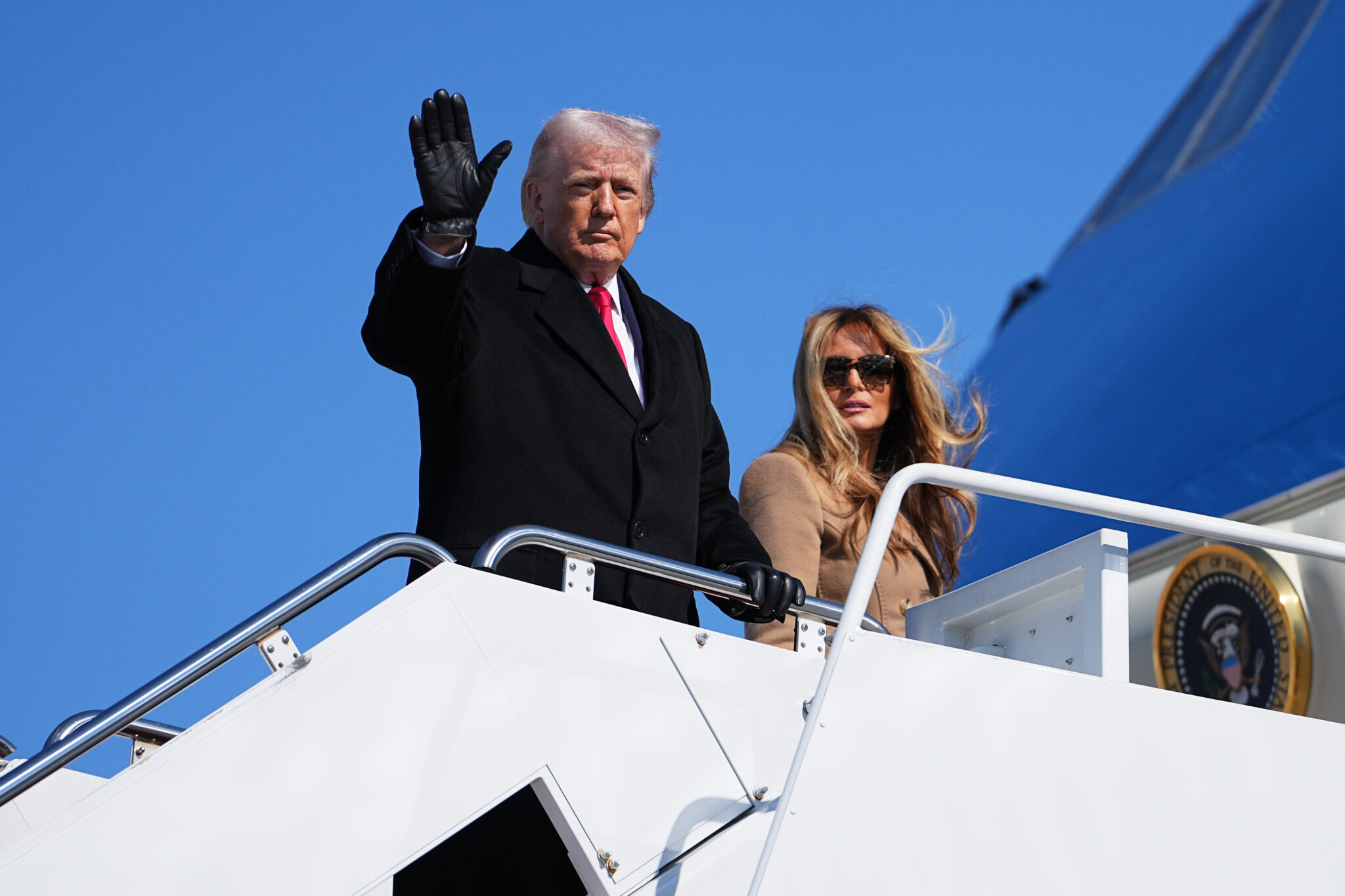
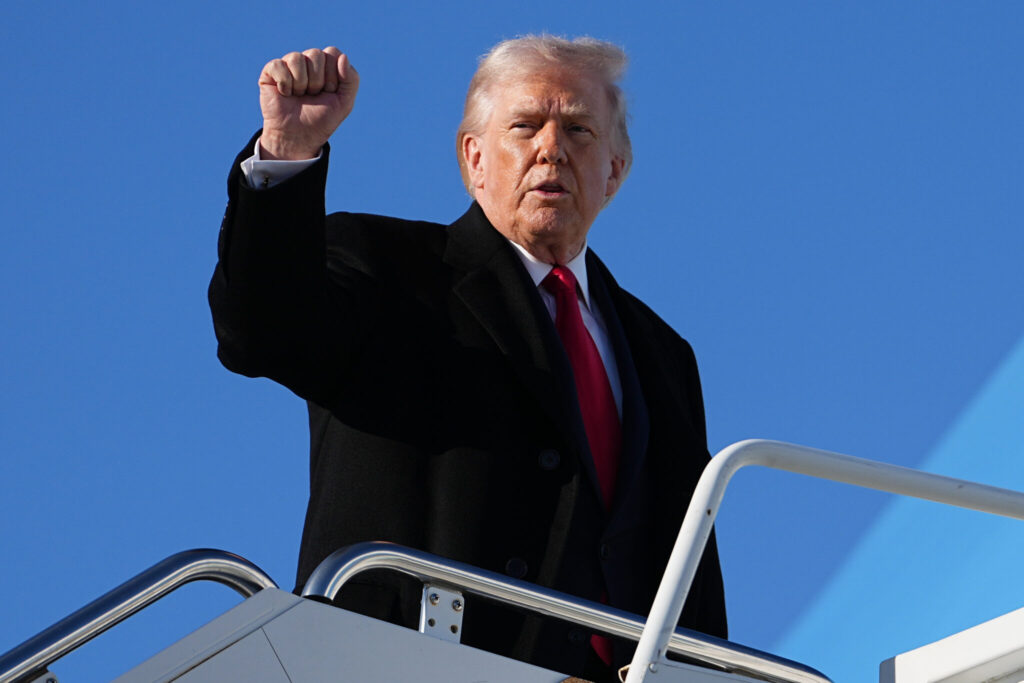
President Donald Trump said Friday that a change in Iran’s leadership “would be the best thing that could happen,” signaling an increasingly confrontational posture as his administration weighs possible military action against Tehran.
The remarks came shortly after Trump addressed troops at Fort Bragg, North Carolina, and confirmed he is deploying a second U.S. aircraft carrier strike group to the Middle East amid rising tensions with Iran.
“It seems like that would be the best thing that could happen,” Trump told reporters when asked about pushing for the end of Iran’s Islamic clerical rule. “For 47 years, they’ve been talking and talking and talking.”
Expanding Demands Beyond Nuclear Limits
In recent weeks, Trump has emphasized curbing Iran’s nuclear program as his primary objective. But on Friday he suggested that nuclear restrictions alone would not satisfy U.S. demands.
“If we do it, that would be the least of the mission,” Trump said, referring to potential action targeting Tehran’s nuclear infrastructure.
Iran maintains its nuclear program is for peaceful energy purposes. Before last year’s conflict, Iran had enriched uranium to 60% purity — just short of weapons-grade levels. U.S. strikes in 2025 reportedly inflicted significant damage on Iranian nuclear facilities.
Israeli Prime Minister Benjamin Netanyahu, who met with Trump in Washington this week, has urged any agreement with Tehran to also dismantle Iran’s ballistic missile program and halt its financial and military backing of proxy groups such as Hamas and Hezbollah.
Trump’s comments on regime change mark a sharper tone compared with Secretary of State Marco Rubio, who recently cautioned that Iran presents a more complicated challenge than Venezuela. Rubio told senators last month that replacing Iran’s long-standing leadership would be “far more complex” than the recent U.S.-backed operation that removed Venezuelan President Nicolás Maduro.
“With Iran, you’re talking about a regime that’s in place for a very long time,” Rubio said, urging careful consideration if such an outcome were ever pursued.
Military Build-Up in the Middle East
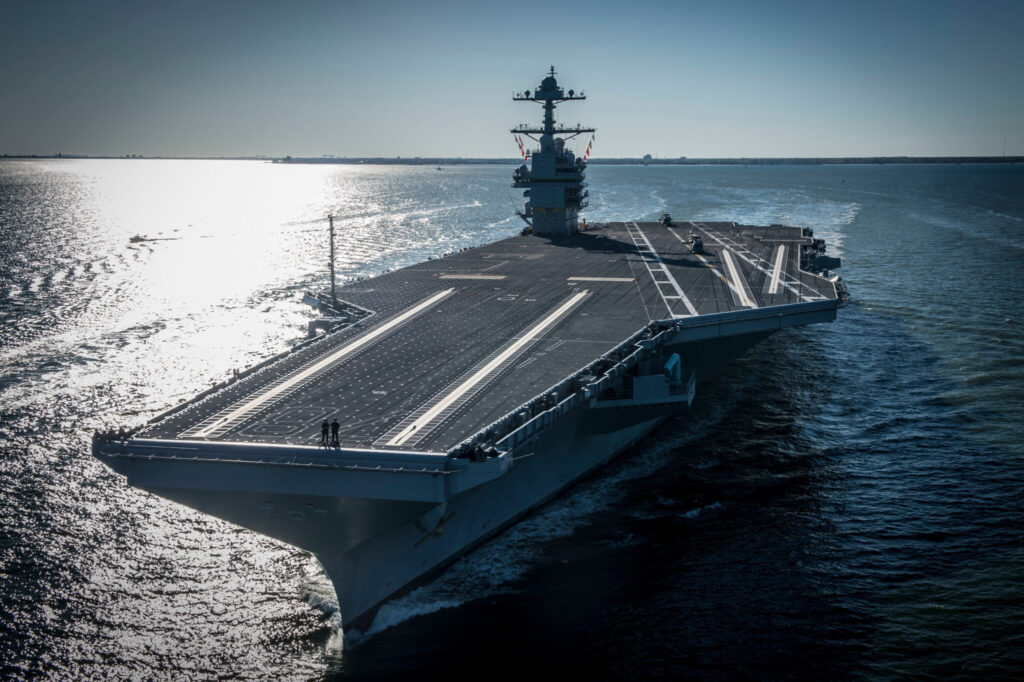
Trump confirmed that the USS Gerald R. Ford, the Navy’s newest and largest aircraft carrier, is being redirected from the Caribbean to the Middle East. It will join the USS Abraham Lincoln carrier strike group, which has already been operating in the region.
“In case we don’t make a deal, we’ll need it,” Trump said of the additional carrier. “It’ll be leaving very soon.”
The move effectively doubles the number of carrier-based aircraft and munitions available to U.S. military planners in the region. The Ford strike group includes more than 5,000 sailors and aviators, though many of its capabilities overlap with those already deployed.
The build-up follows recent confrontations at sea. U.S. forces shot down an Iranian drone that approached the Abraham Lincoln, and Iran reportedly attempted to interfere with a U.S.-flagged vessel in the Strait of Hormuz.
However, given the Ford’s current location in the Caribbean, it could take weeks before it reaches waters near Iran.
Regional and Domestic Pressures
Gulf Arab nations have warned that any U.S. strike on Iran risks igniting a broader regional conflict. The Middle East remains unsettled after the Israel-Hamas war in Gaza and last year’s brief but intense confrontation between Israel and Iran.
Inside Iran, tensions are also high. Citizens are marking 40 days since a government crackdown on nationwide protests that left thousands dead, intensifying domestic unrest within the sanctions-strained country.
Despite the escalating rhetoric, Trump left open the possibility of renewed diplomacy.
“Give us the deal that they should have given us the first time,” he said. “If they give us the right deal, we won’t do that,” referring to military action.
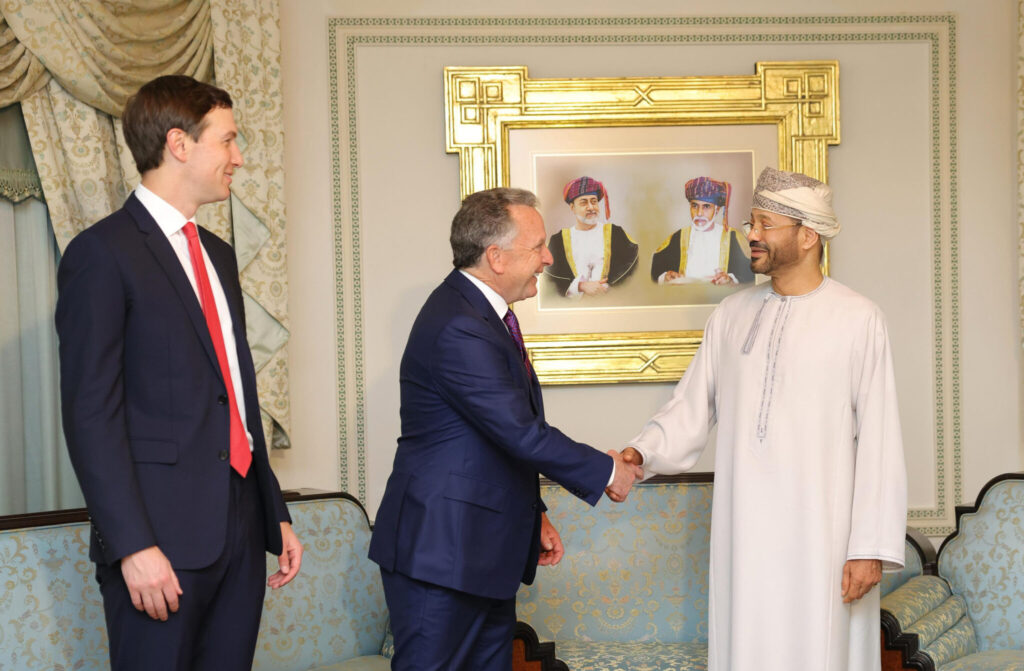
Indirect talks between U.S. and Iranian representatives were held recently in Oman, but no formal agreement emerged. Similar negotiations last year collapsed shortly before a 12-day war erupted between Israel and Iran, during which U.S. forces bombed Iranian nuclear sites.
Operational Strain on the Navy
The Ford’s redeployment would mark a rapid turnaround. The carrier was previously moved to the Caribbean in preparation for the January operation that removed Maduro from power in Venezuela.
Its crew has already been deployed for nearly eight months, longer than the Navy’s typical six- or seven-month carrier deployment cycle. Navy officials have warned that extended deployments can strain sailors, disrupt families and complicate maintenance schedules.
Adm. Daryl Caudle, the Navy’s top officer, has previously cautioned that prolonged deployments are “highly disruptive” and can accelerate wear and tear on vessels.
Still, Trump appears willing to lean heavily on carrier strike groups as both a deterrent and a visible symbol of American power.
A Defining Foreign Policy Moment
Trump’s comments suggest he is weighing a broader strategy toward Iran — one that combines military pressure, diplomatic outreach and the possibility of transformative political change in Tehran.
Whether the administration ultimately pursues regime change or limits its objectives to nuclear containment remains uncertain. But with two carrier groups converging on the region and rhetoric intensifying, the stakes are rising.
For now, Trump’s message to Tehran is clear: a deal remains possible, but the U.S. is prepared to escalate if negotiations fail.