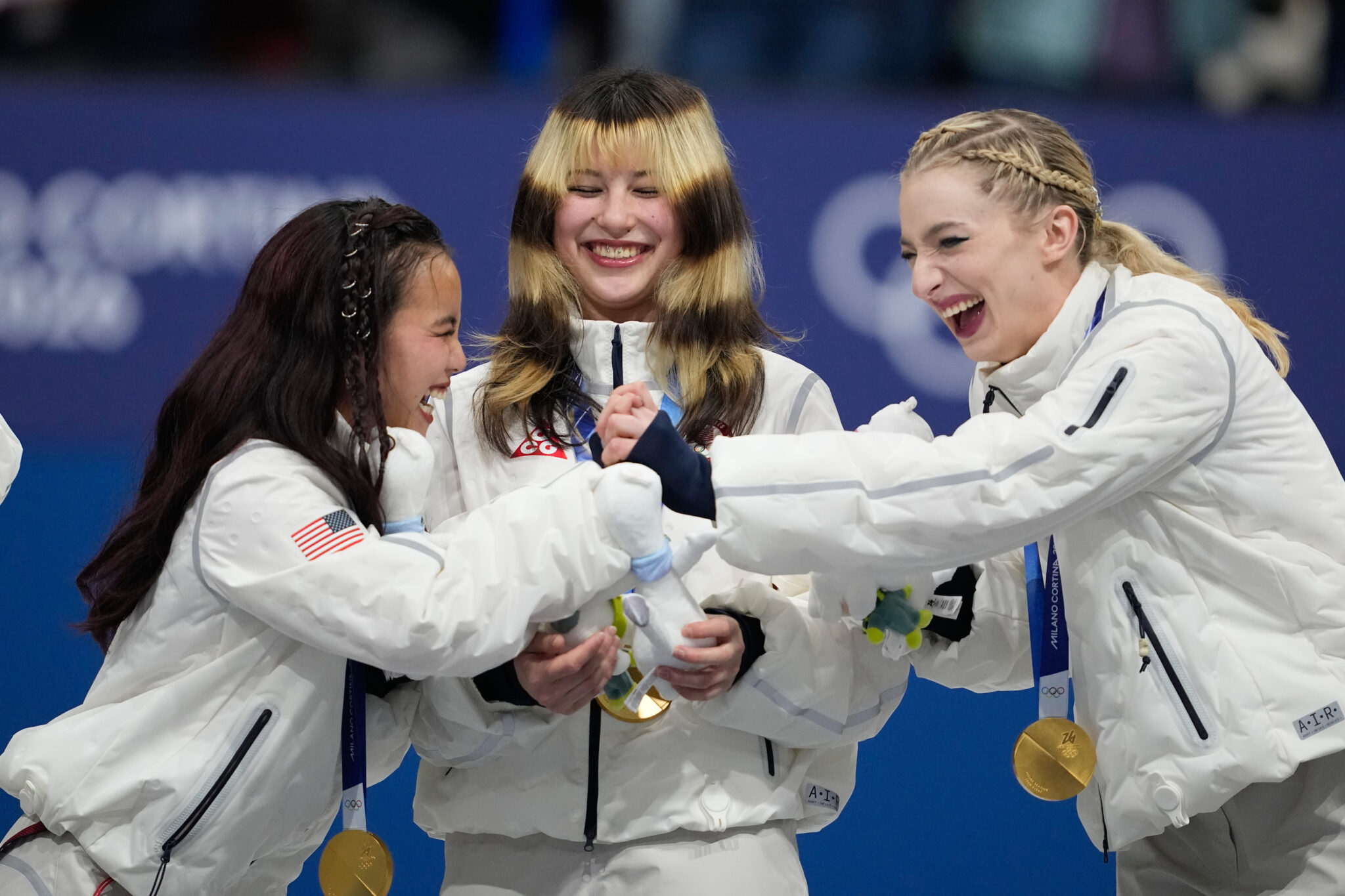
US Figure Skating Trio Targets Olympic Gold/ Newslooks/ WASHINGTON/ J. Mansour/ Morning Edition/ Amber Glenn, Alysa Liu and Isabeau Levito are chasing Olympic gold in Milan while redefining what a figure skating role model looks like. The trio — calling themselves the “Blade Angels” — bring personality, resilience and activism to the ice. They also represent Team USA’s final opportunity for women’s singles gold at the Winter Games.
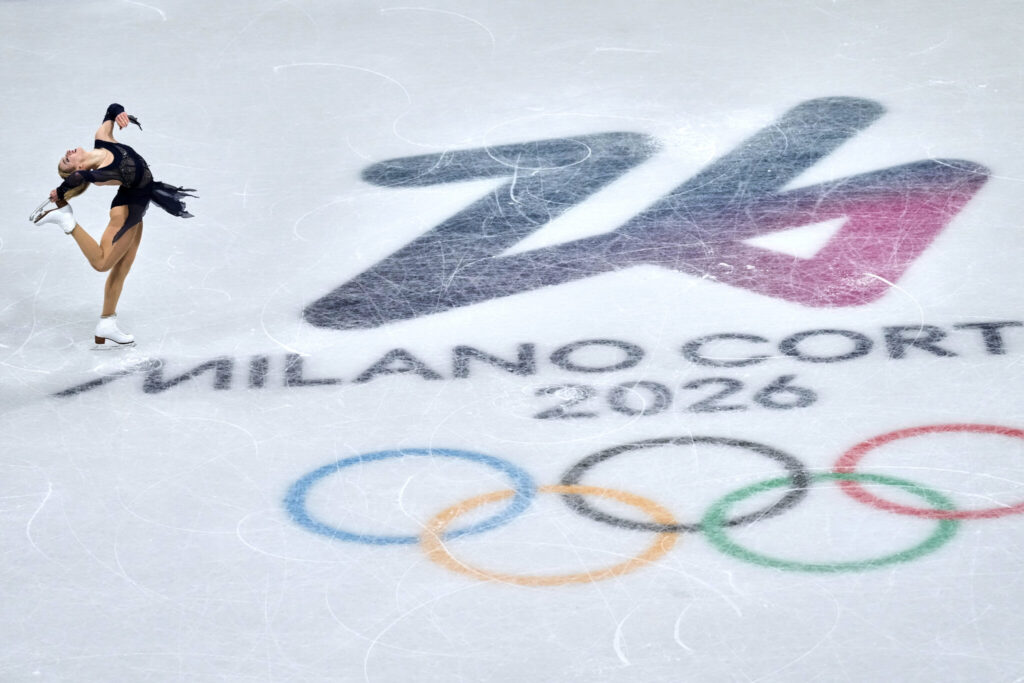
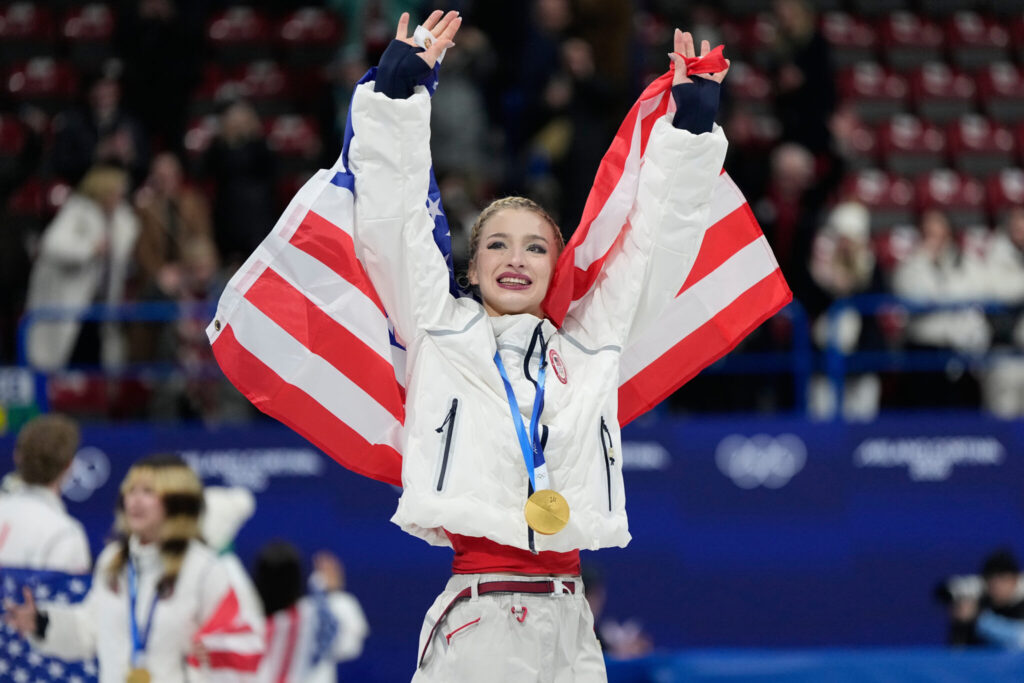
US Women’s Olympic Figure Skating Trio Quick Looks
- Amber Glenn: reigning U.S. champion and LGBTQ+ advocate
- Alysa Liu: retired at 16, returned to win world title
- Isabeau Levito: artistic standout with sharp off-ice wit
- Competing at Milan Cortina Winter Games
- Nicknamed themselves the “Blade Angels”
- Represent final U.S. medal hopes in women’s singles
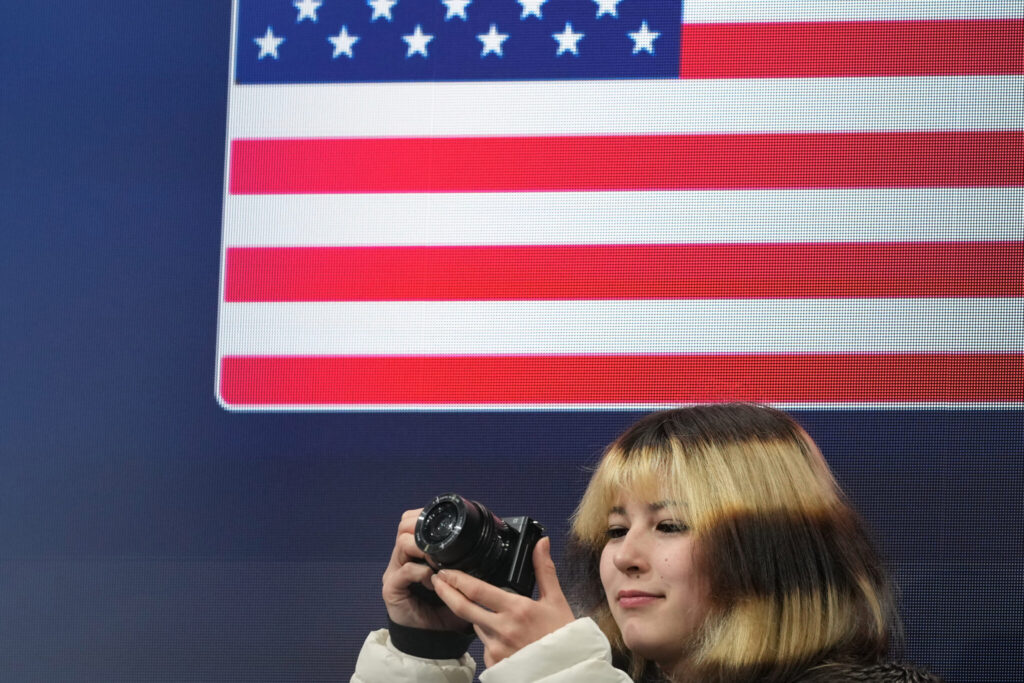
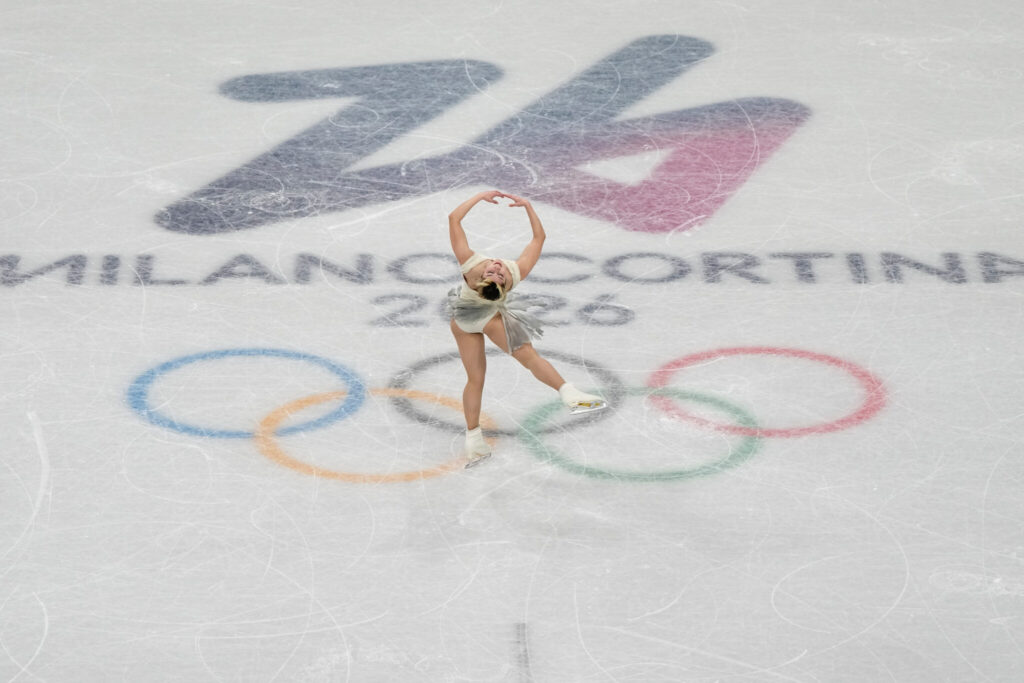
Deep Look: Glenn, Liu and Levito Redefine US Figure Skating While Chasing Olympic Gold
The three American women stepping onto Olympic ice in Milan are not cut from the traditional “ice princess” mold.
Instead, Amber Glenn, Alysa Liu and Isabeau Levito represent a bold new generation of U.S. figure skaters — outspoken, resilient and unapologetically themselves.
Competing at the 2026 Winter Olympics in Milan, the trio has embraced the nickname “Blade Angels,” a playful nod to pop culture that underscores both their camaraderie and competitive fire.
Beyond medals, they are reshaping the image of American women’s skating.
Amber Glenn: Advocacy and Redemption
At 26, Glenn is the veteran of the group and a three-time, reigning U.S. champion whose career arc defies the sport’s typical timeline. While many skaters peak in their teens, Glenn surged later, navigating personal and professional challenges that nearly drove her away from competition.
Growing up in Plano, Texas, she has represented the United States internationally for nearly 15 years. Along the way, she has openly confronted an eating disorder, depression, ADHD and questions about her identity. Glenn identifies as pansexual and has become an advocate for LGBTQ+ rights.
On the eve of the Olympics, she addressed concerns about the political climate for LGBTQ+ Americans under President Donald Trump, saying she hopes to use her platform to support those facing adversity.
“A lot of people will say, ‘You’re just an athlete. Stick to your job,’” Glenn said. “But politics affect us all.”
Her journey from burnout to Olympic team gold in the team event — helping the U.S. defend its title — reflects the evolution of both the skater and the sport itself.
Alysa Liu: From Burnout to World Champion
Liu’s path has been equally unconventional.
A former prodigy who competed at the 2022 Winter Olympics, Liu retired at 16 after finishing sixth in Beijing. She described hating the pressure, the spotlight and even the sport itself.
“I really didn’t like it,” she admitted.
Walking away proved transformative. Liu climbed to Everest base camp, enrolled at UCLA to study psychology and began building an identity beyond figure skating.
When she returned to competition two years ago, it was on her own terms. The comeback culminated in the first world title by an American woman since 2006 — a milestone that restored U.S. prominence in women’s skating.
Her distinctive striped hair — symbolizing growth rings of a tree — reflects that evolution. “I used to feel like a puppet,” Liu said. “Now I do things for myself.”
Isabeau Levito: Poise and Personality
At 18, Levito might appear closest to the classic skating archetype: polished, elegant and composed. Her mother emigrated from Milan decades ago, giving this Olympic stage a personal resonance.
But away from cameras, Levito reveals sharp humor and unfiltered wit. She has spoken candidly about the difference between her public persona and private self, acknowledging that she sometimes projects a carefully curated image to avoid misinterpretation.
Her admiration for former Russian star Evgenia Medvedeva reflects her appreciation for artistry and presence. Yet Levito’s authenticity — balancing grace with sarcasm — resonates with young fans navigating similar pressures.
A New Era for American Skating
Together, Glenn, Liu and Levito symbolize a cultural shift in figure skating. They openly discuss mental health, identity and personal growth — topics once avoided in a sport long associated with rigid expectations.
Their diversity in style and personality mirrors a broader transformation in American athletics, where athletes increasingly define success on their own terms.
They are also carrying heavy competitive expectations. After inconsistent results elsewhere in the skating program, the women’s event represents Team USA’s best chance to secure individual Olympic gold in Milan.
Win or lose, their impact may extend far beyond medals.
As Levito put it: “We’re all different. We have our own strengths and personalities. But we all have the same passion.”
For a new generation of fans — and skaters — that message may be as powerful as any Olympic performance.