Europe Says Russia Poisoned Alexei Navalny With Dart Frog Toxin/ Newslooks/ WASHINGTON/ J. Mansour/ Morning Edition/ Five European nations say lab analysis confirms Alexei Navalny was poisoned with a rare toxin derived from poison dart frogs. They allege Russia violated the Chemical Weapons Convention and are referring the case to the OPCW. The Kremlin denies involvement, as tensions escalate ahead of the anniversary of Navalny’s death.
Russia Navalny Dart Frog Toxin Accusation Quick Looks
- UK, France, Germany, Sweden, Netherlands cite lab findings
- Toxin identified as epibatidine
- Referral to Organization for the Prohibition of Chemical Weapons
- Navalny died Feb. 16, 2024, in Arctic penal colony
- Widow Yulia Navalnaya says findings confirm poisoning
- Kremlin denies involvement

Deep Look: European Nations Say Russia Used Rare Dart Frog Toxin to Poison Alexei Navalny
Five European governments have accused Russia of poisoning opposition leader Alexei Navalny with a rare and highly lethal toxin typically found in the skin of South American poison dart frogs.
Foreign ministries from the United Kingdom, France, Germany, Sweden and the Netherlands said laboratory analysis of samples taken from Navalny’s body confirmed the presence of epibatidine — a potent neurotoxin not naturally found in Russia.
In a joint statement, the countries said Russia had “the means, motive and opportunity” to administer the substance.
The nations are formally reporting Moscow to the Organization for the Prohibition of Chemical Weapons for an alleged breach of the Chemical Weapons Convention. The watchdog agency had not immediately commented.
What Is Epibatidine?
Epibatidine is a powerful neurotoxin originally identified in poison dart frogs native to South America. Though it occurs naturally in the wild, it can also be synthesized in a laboratory. Scientists say the compound acts in ways similar to nerve agents, triggering respiratory distress, seizures, slowed heart rate and potentially death.
European officials expressed “high confidence” in their findings and suggested the toxin used on Navalny was likely manufactured.
German Foreign Minister Johann Wadephul described the forensic process as complex but said the evidence was clear that Russian authorities had both the capability and motive.
Navalny’s Death and Political Fallout
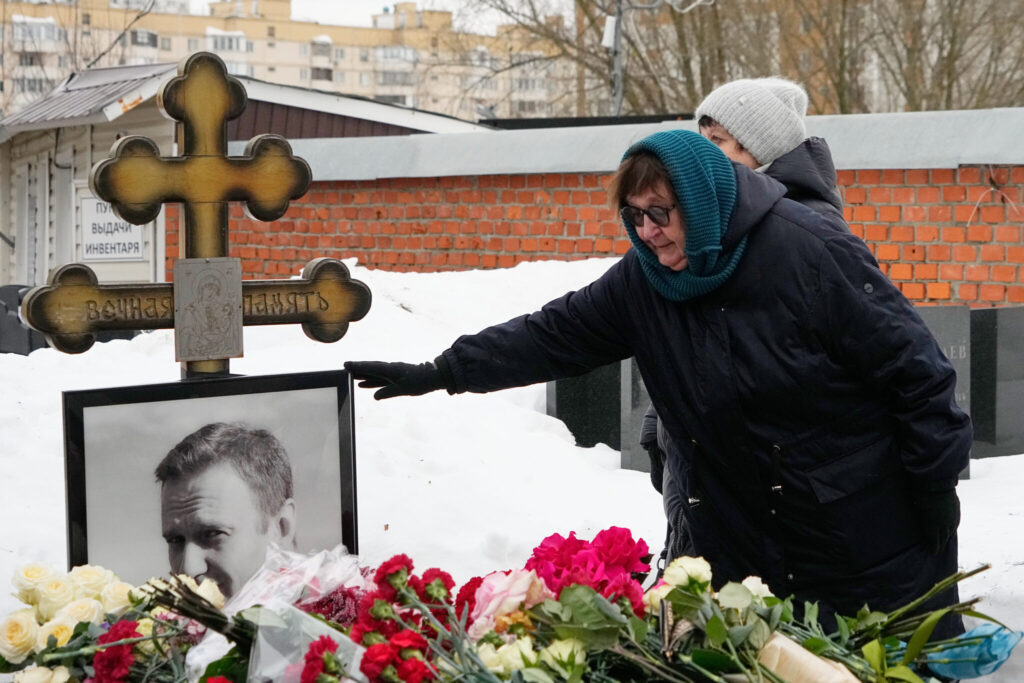
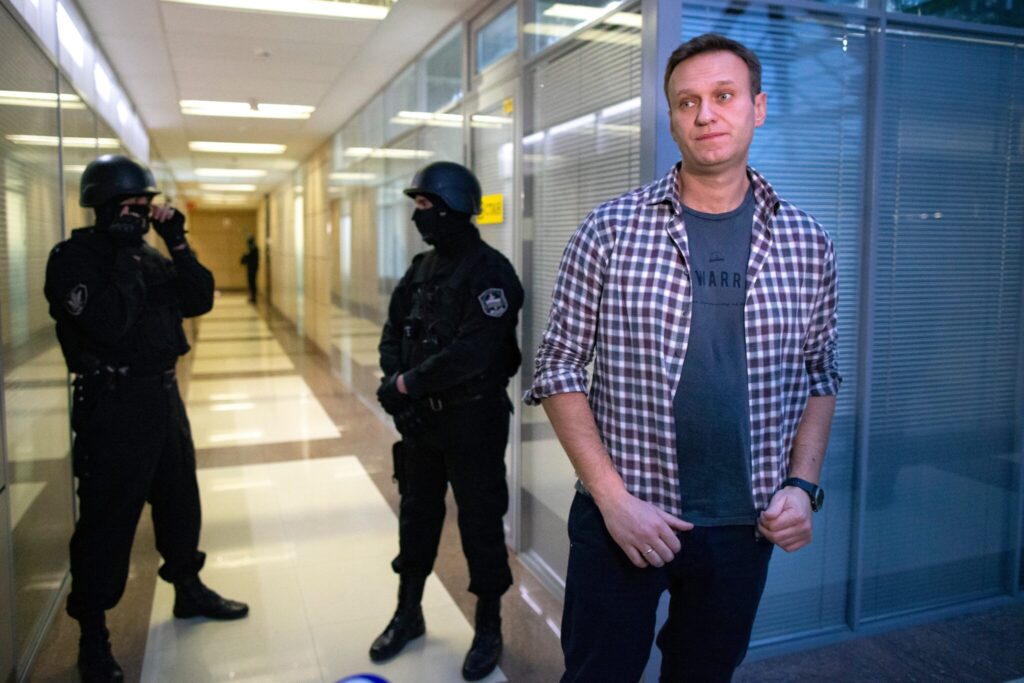
Navalny, widely regarded as President Vladimir Putin’s most formidable domestic critic, died on Feb. 16, 2024, in an Arctic penal colony while serving a 19-year sentence he described as politically motivated.
He had built his reputation exposing corruption and organizing mass anti-Kremlin protests. Western governments have repeatedly criticized Russia over his imprisonment and treatment.
British Foreign Secretary Yvette Cooper said the alleged poisoning demonstrated the “despicable tools” at the Kremlin’s disposal and reflected fear of political opposition.
France’s foreign minister, Jean-Noël Barrot, said the case showed Putin was willing to deploy biological weapons to maintain power.
Widow Says Findings Confirm Suspicions
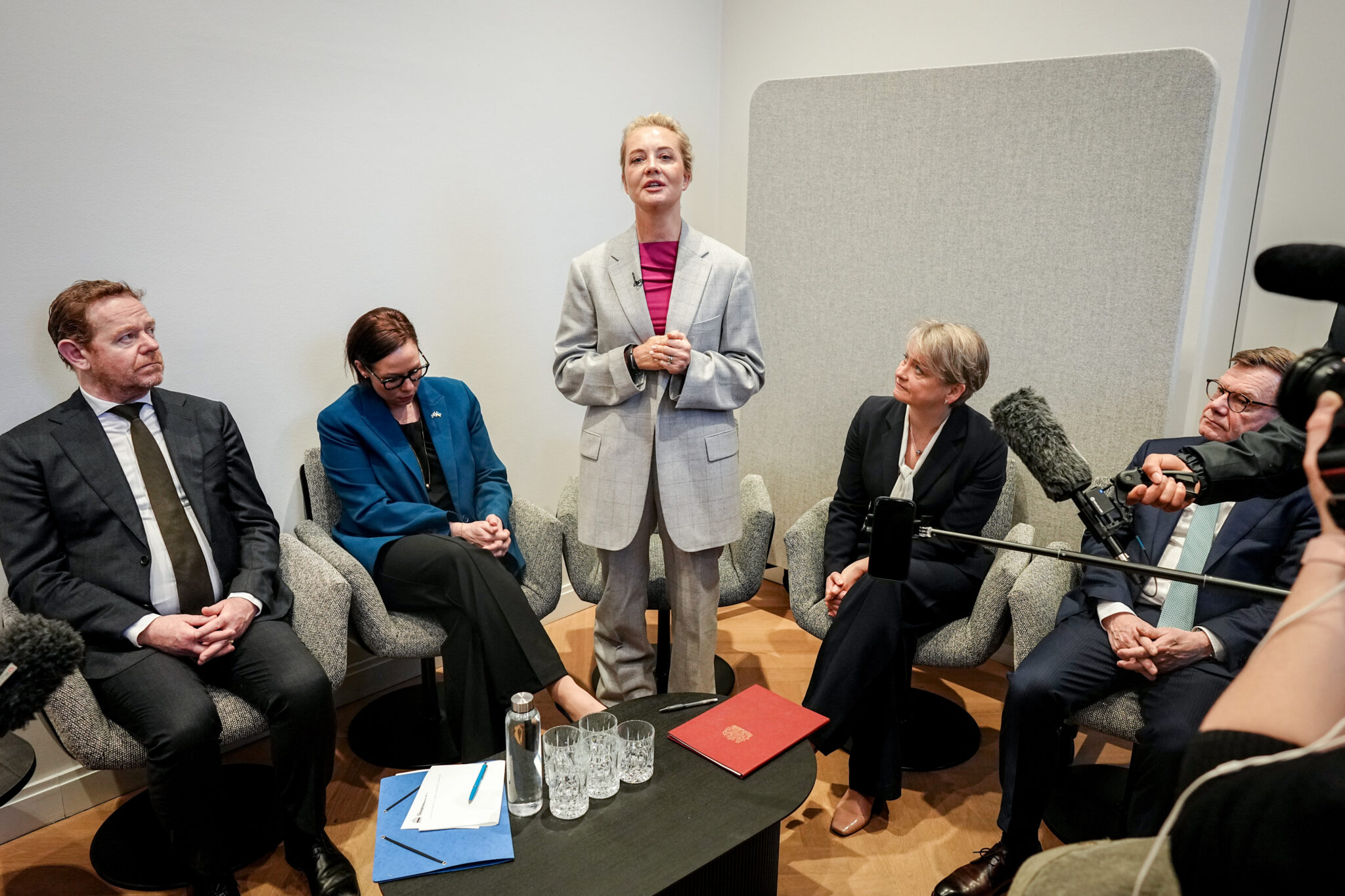
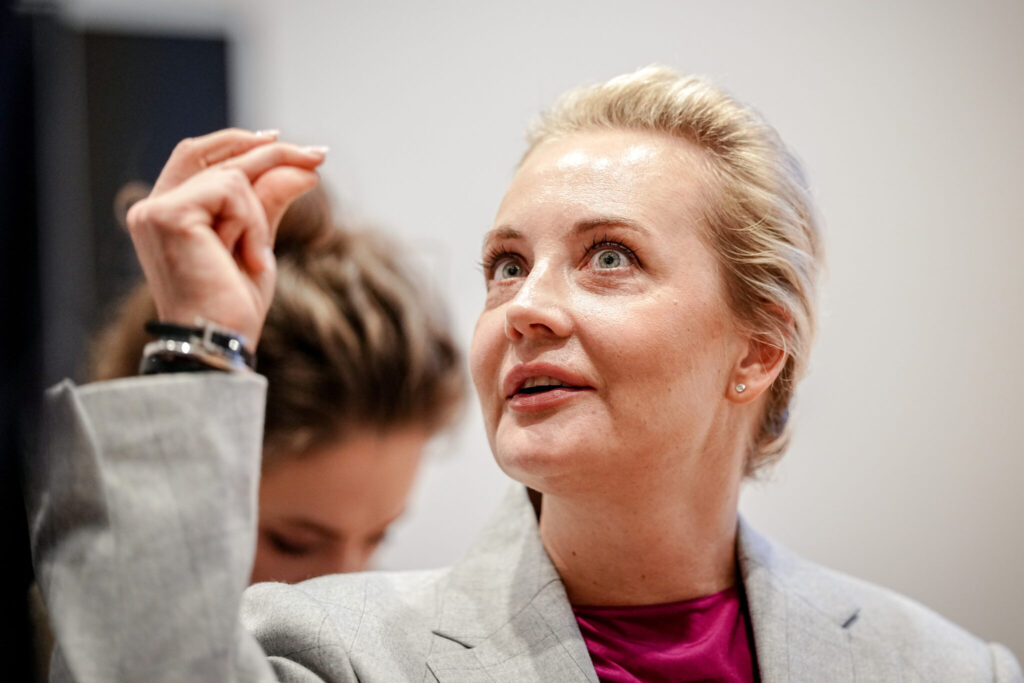
Navalny’s widow, Yulia Navalnaya, who attended the Munich Security Conference, said she had long believed her husband was poisoned.
“Putin killed Alexei with chemical weapon,” she wrote, calling the Russian leader a murderer who must be held accountable.
Russian authorities maintain that Navalny died of natural causes after falling ill following a walk. The Kremlin has consistently denied any role in his death.
History of Alleged Poisonings
Navalny survived a previous poisoning in 2020 involving the nerve agent Novichok. He received treatment in Germany before returning to Russia, where he was promptly arrested.
The U.K. has also accused Russia of violating international chemical weapons prohibitions in past cases. In 2018, former Russian spy Sergei Skripal and his daughter were poisoned in Salisbury, England, with Novichok. British citizen Dawn Sturgess later died after exposure to the substance. A British inquiry concluded the attack was likely authorized at the highest level.
In 2006, former Russian agent Alexander Litvinenko died in London after ingesting radioactive polonium-210. A U.K. investigation determined Russian operatives carried out the killing and that Putin probably approved it.
The Kremlin has denied involvement in all such incidents.
International Implications
The referral to the OPCW could intensify diplomatic tensions between Moscow and Western capitals. The Chemical Weapons Convention prohibits the development and use of toxic agents for assassination or warfare.
As the second anniversary of Navalny’s death approaches, European leaders say the case underscores ongoing concerns about political repression in Russia and the potential use of banned substances against critics.
For now, Moscow rejects the accusations, setting the stage for further diplomatic and legal confrontations in international forums.