Iran Reports Progress in Geneva Nuclear Talks with the U.S./ Newslooks/ WASHINGTON/ J. Mansour/ Morning Edition/ Iran says it reached agreement on key “guiding principles” with the United States during a second round of nuclear talks in Geneva. Tehran temporarily closed parts of the Strait of Hormuz for live-fire drills as negotiations unfolded. Both sides signaled cautious progress, though major differences remain over uranium enrichment and sanctions.
Iran US Nuclear Talks Geneva 2026 Quick Looks
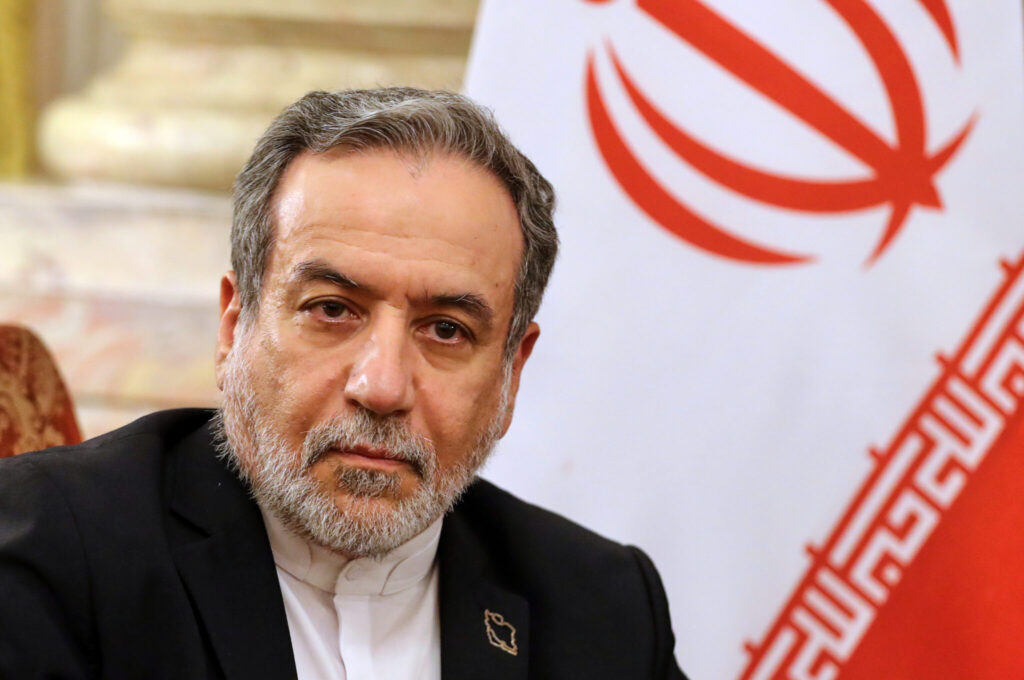
- Iranian Foreign Minister Abbas Araghchi cites progress
- Talks mediated by Oman in Geneva
- Iran temporarily closes Strait of Hormuz
- U.S. delegation includes Steve Witkoff and Jared Kushner
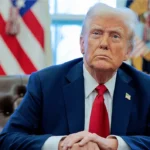
- President Donald Trump maintains pressure campaign
- Supreme Leader Ayatollah Ali Khamenei warns U.S. against forced outcomes
Deep Look: Iran Signals Progress in Geneva Nuclear Talks as Strait of Hormuz Temporarily Closes
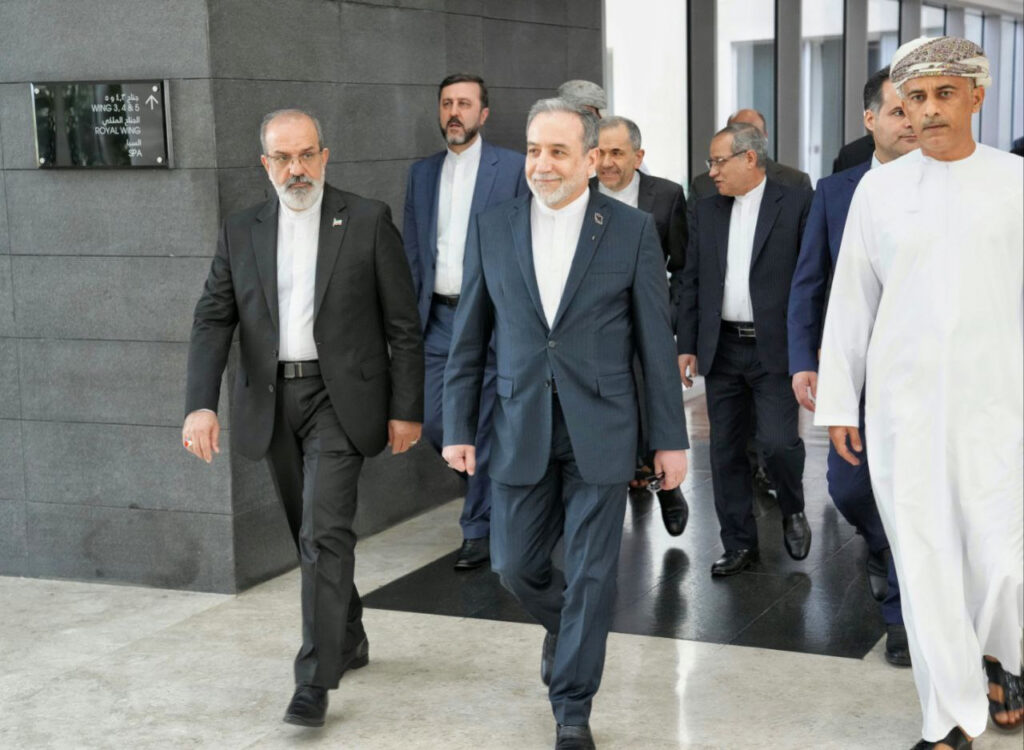
Iran and the United States have made progress in renewed negotiations over Tehran’s nuclear program, according to Iranian Foreign Minister Abbas Araghchi, who said the two sides agreed on key “guiding principles” during a second round of talks in Geneva.
Speaking to Iranian media after the meeting concluded Tuesday, Araghchi cautioned that while an agreement is not imminent, the diplomatic path forward has begun.
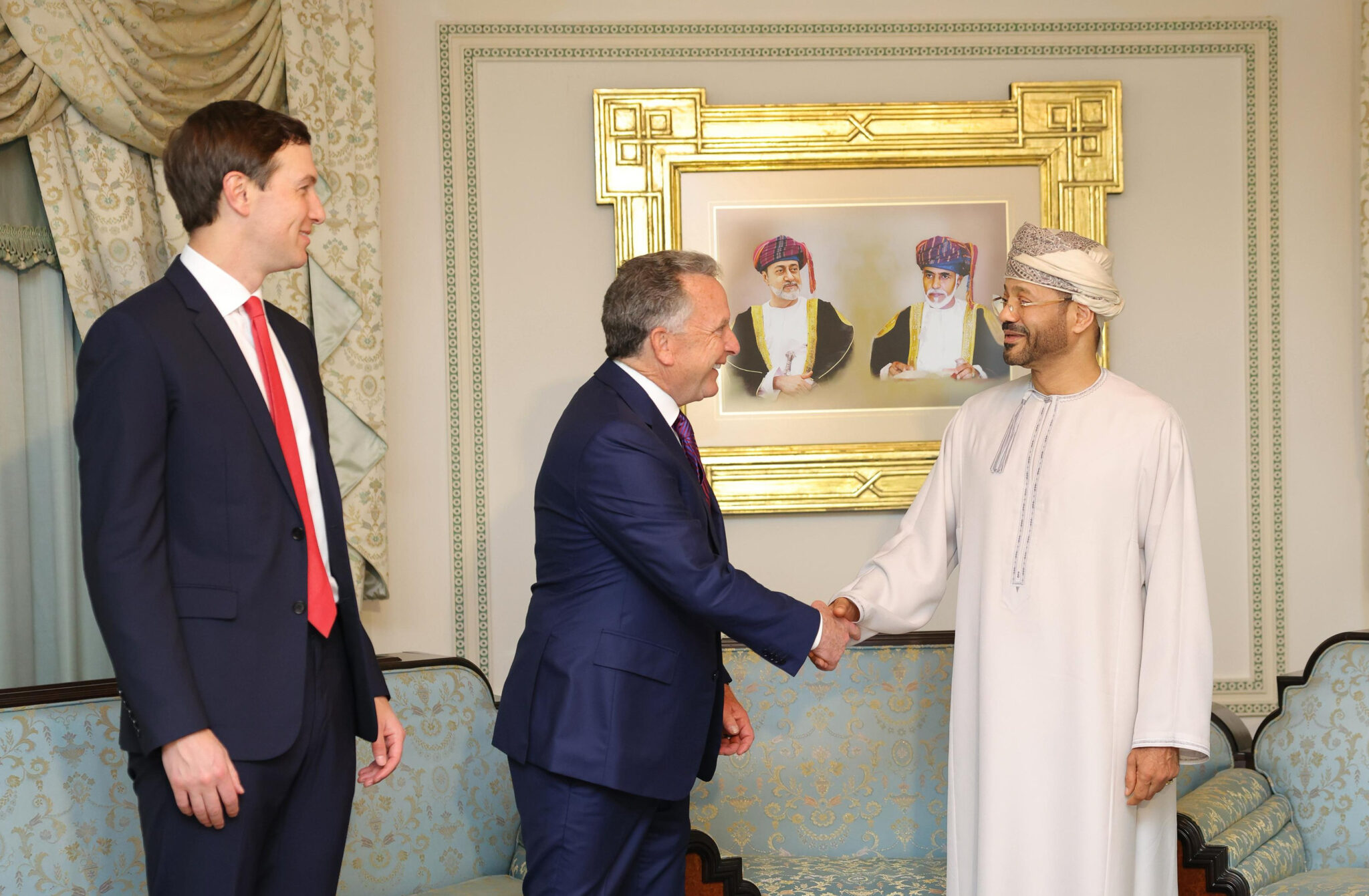
The talks, mediated by Oman, lasted nearly three hours and were described as indirect, with each delegation communicating through intermediaries at the Omani envoy’s residence in Geneva.
Strait of Hormuz Temporarily Closed During Talks
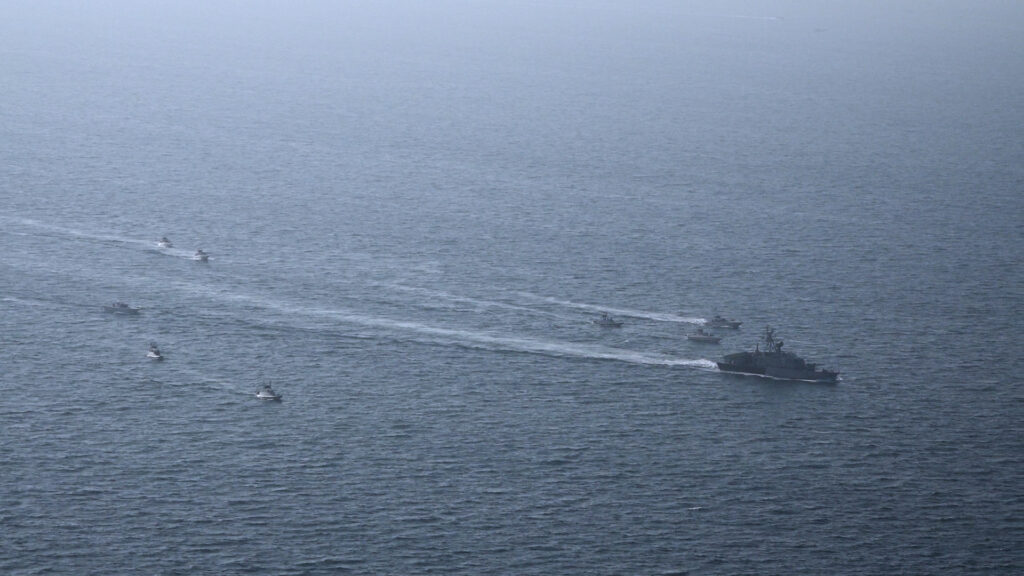
As negotiations unfolded, Iran announced the temporary closure of parts of the Strait of Hormuz for live-fire military drills conducted by the Islamic Revolutionary Guard Corps.
The strategic waterway, through which roughly 20% of global oil supplies pass, was shut for several hours due to what Iranian officials described as “security and maritime concerns.” State media reported that missiles launched from coastal and inland positions struck designated targets in the strait.
The temporary closure marked a rare step by Tehran amid rising tensions with Washington, which has expanded its military presence in the Gulf region.
Iran has previously threatened to block commercial shipping in the strait if attacked, a move that could disrupt global energy markets and send oil prices sharply higher.
U.S. Pressure and Regional Military Buildup
President Donald Trump has intensified pressure on Tehran in recent weeks, including deploying additional naval assets to the Middle East. The aircraft carrier USS Gerald R. Ford is en route to join the USS Abraham Lincoln and accompanying warships already operating in the region.
Trump has publicly suggested that “regime change” in Tehran could be beneficial, while also stating he prefers a negotiated solution to prevent Iran from developing nuclear weapons.
Iran’s Supreme Leader Ayatollah Ali Khamenei responded Tuesday by warning that attempts to impose outcomes on Iran would fail. He also cautioned that while warships are dangerous, Iran possesses the means to counter them.
Recent maritime incidents have heightened tensions. U.S. forces shot down an Iranian drone approaching the USS Abraham Lincoln last week, and Washington accused Iran of harassing a U.S.-flagged commercial vessel transiting the strait.
Negotiating Positions Remain Far Apart
The Trump administration insists that any deal must prevent Iran from enriching uranium domestically. Tehran maintains that its nuclear program is peaceful and has resisted calls to halt enrichment or relinquish its stockpile of highly enriched uranium.
Before last year’s 12-day conflict with Israel — during which U.S. forces bombed Iranian nuclear facilities — Tehran had enriched uranium to 60% purity, just below weapons-grade levels.
Iran argues that enrichment is its sovereign right under international agreements, while Washington views continued enrichment as a proliferation risk.
Alongside Araghchi, U.S. envoy Steve Witkoff and former White House adviser Jared Kushner participated in the Geneva discussions.
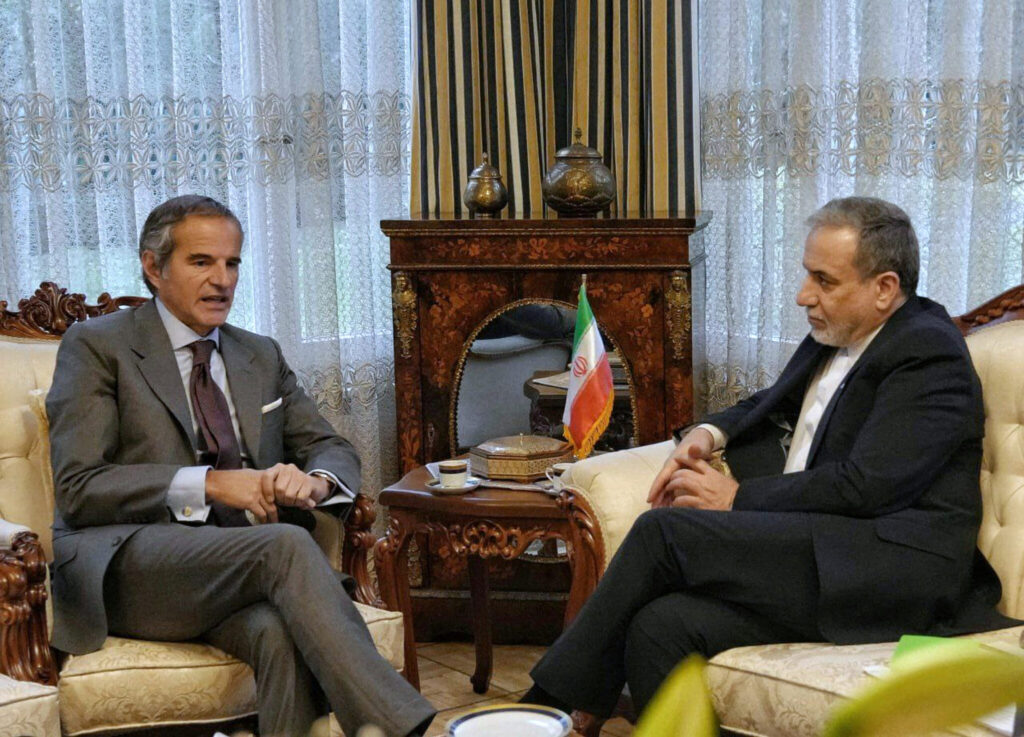
Araghchi also met earlier with Rafael Grossi, head of the International Atomic Energy Agency, to discuss technical verification issues tied to any future agreement.
Protests and Domestic Pressure
The diplomatic efforts coincide with internal tensions in Iran. The country is marking 40 days since one of the deadliest phases of a crackdown on nationwide protests last month. Activist groups report thousands of deaths, though independent verification remains difficult due to communication restrictions.
Tehran blames unrest on foreign-backed elements, while Western governments have condemned the crackdown.
Uncertain Outlook
While Iranian officials describe the Geneva meeting as constructive, both sides acknowledge significant hurdles remain.
Araghchi said the talks established a framework but emphasized that detailed negotiations are still required. U.S. officials have expressed cautious optimism but warned that any final agreement must deliver verifiable restrictions.
For now, diplomacy continues against a backdrop of missile drills, naval deployments and escalating rhetoric — underscoring the fragile balance between negotiation and confrontation in one of the world’s most strategically sensitive regions.