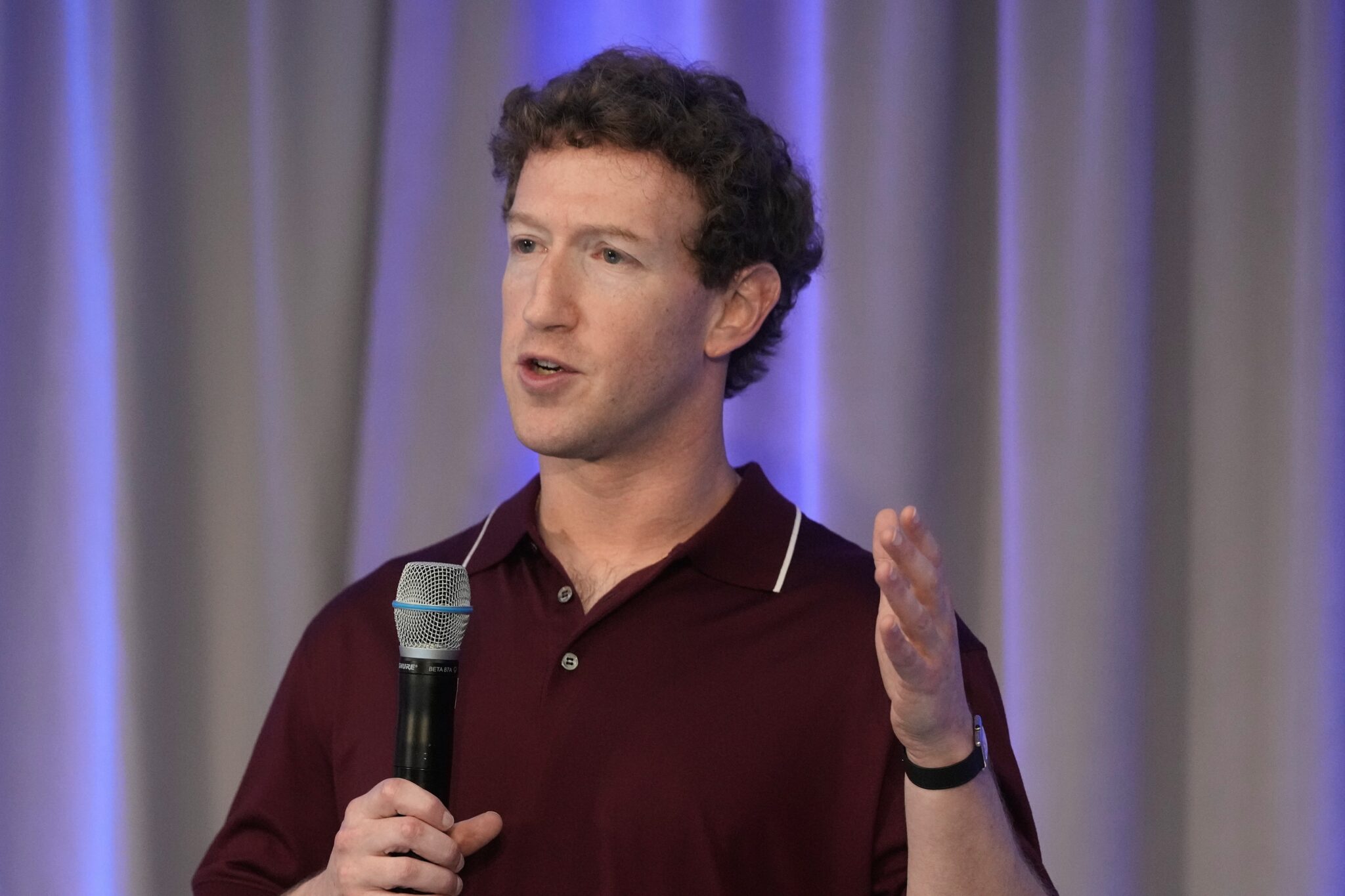
Mark Zuckerberg Testifies in Landmark Social Media Trial/ Newslooks/ WASHINGTON/ J. Mansour/ Morning Edition/ Meta CEO Mark Zuckerberg is set to testify in a landmark trial examining whether Instagram and other social media platforms harm children. The case centers on claims that Meta’s platforms fueled a young woman’s depression and suicidal thoughts. The outcome could influence thousands of pending lawsuits against major social media companies.

Mark Zuckerberg Social Media Trial Quick Looks
- Trial taking place in Los Angeles
- Plaintiff identified as KGM, now 20 years old
- Defendants: Meta Platforms and YouTube
- Bellwether case that could shape thousands of similar lawsuits
- Allegations: Social media addiction and worsening mental health
- Meta denies claims, says youth safety is a priority
- First time Zuckerberg answers similar questions before a jury

Deep Look: Mark Zuckerberg Testifies in Landmark Social Media Trial
Meta CEO Mark Zuckerberg is preparing to testify in what legal experts describe as a watershed moment for the tech industry. The unprecedented social media trial, unfolding in Los Angeles, centers on allegations that Meta’s platforms, particularly Instagram, were deliberately designed in ways that addict young users and contribute to serious mental health harm.
The case has drawn national attention because it directly challenges how social media companies design their platforms and whether those designs intentionally keep children hooked at the expense of their well-being. At the heart of the lawsuit is a now 20-year-old woman, identified only by her initials KGM, who claims her early and prolonged use of Instagram significantly worsened her depression and contributed to suicidal thoughts.
Zuckerberg’s testimony marks a pivotal moment. Although he has previously appeared before Congress to answer questions about youth safety and online harms — including a high-profile hearing where he apologized to families who linked tragedies to social media — this is the first time he will answer similar allegations in front of a jury. The courtroom is expected to include grieving parents who believe social platforms played a role in their children’s struggles.
The lawsuit names Meta Platforms and Google’s YouTube as the remaining defendants. Other companies, including TikTok and Snap, have already settled claims in related litigation. Legal observers note that this case is one of several selected as “bellwether” trials. Bellwether cases serve as test runs, offering insight into how juries might respond to evidence and legal arguments in broader litigation. The verdict here could significantly influence the trajectory of thousands of similar lawsuits pending across the country.
Meta has firmly denied the allegations. A company spokesperson stated that Meta strongly disagrees with the claims and expressed confidence that evidence will demonstrate the company’s longstanding efforts to support young users and promote safer online environments. Meta has repeatedly pointed to features it says are designed to protect teens, including parental controls, content moderation tools, and limits on certain types of content exposure.
During opening statements, Meta attorney Paul Schmidt acknowledged that KGM experienced significant mental health challenges but argued that Instagram was not a substantial factor in causing them. Defense attorneys pointed to medical records suggesting a turbulent home environment and pre-existing struggles. They contend that the plaintiff used social media as a coping mechanism rather than becoming addicted to it.
YouTube’s legal team echoed similar arguments, suggesting that the platforms were not the root cause of the plaintiff’s distress. Instead, they argue that personal circumstances and mental health vulnerabilities preceded heavy social media use.
The trial has also spotlighted key features of Instagram and other platforms that plaintiffs argue are intentionally engineered to maximize engagement. During testimony last week, Adam Mosseri, head of Instagram, rejected the notion that social media use qualifies as clinical addiction. He maintained that Meta does not profit by harming users and said it would not be sustainable for the company to make decisions that benefit revenue while damaging people’s well-being.
However, plaintiff attorney Mark Lanier focused extensively on Instagram’s cosmetic filters, which alter users’ appearances, and the platform’s algorithmic feed. Critics argue that these features — along with infinite scrolling and algorithm-driven content recommendations — are designed to keep users engaged for extended periods. Lanier is expected to press Zuckerberg directly on these design choices, questioning whether they were created with knowledge of potential psychological harm to adolescents.
Beyond this Los Angeles courtroom, Meta faces mounting legal challenges nationwide. A separate trial in New Mexico began last week, adding to the company’s ongoing legal pressures related to youth safety and platform design.
The implications of Zuckerberg’s testimony extend well beyond this single lawsuit. If jurors find that Meta’s platforms substantially contributed to harm, the decision could establish a precedent influencing regulatory approaches, corporate practices, and future settlements in similar cases.
The broader debate over social media’s impact on children continues to intensify. Lawmakers, parents, educators, and public health advocates are increasingly scrutinizing how platforms engage young audiences and whether stronger safeguards are needed. As Zuckerberg takes the stand, the trial represents not just a legal battle but a defining moment in the conversation about technology, accountability, and the mental health of the next generation.