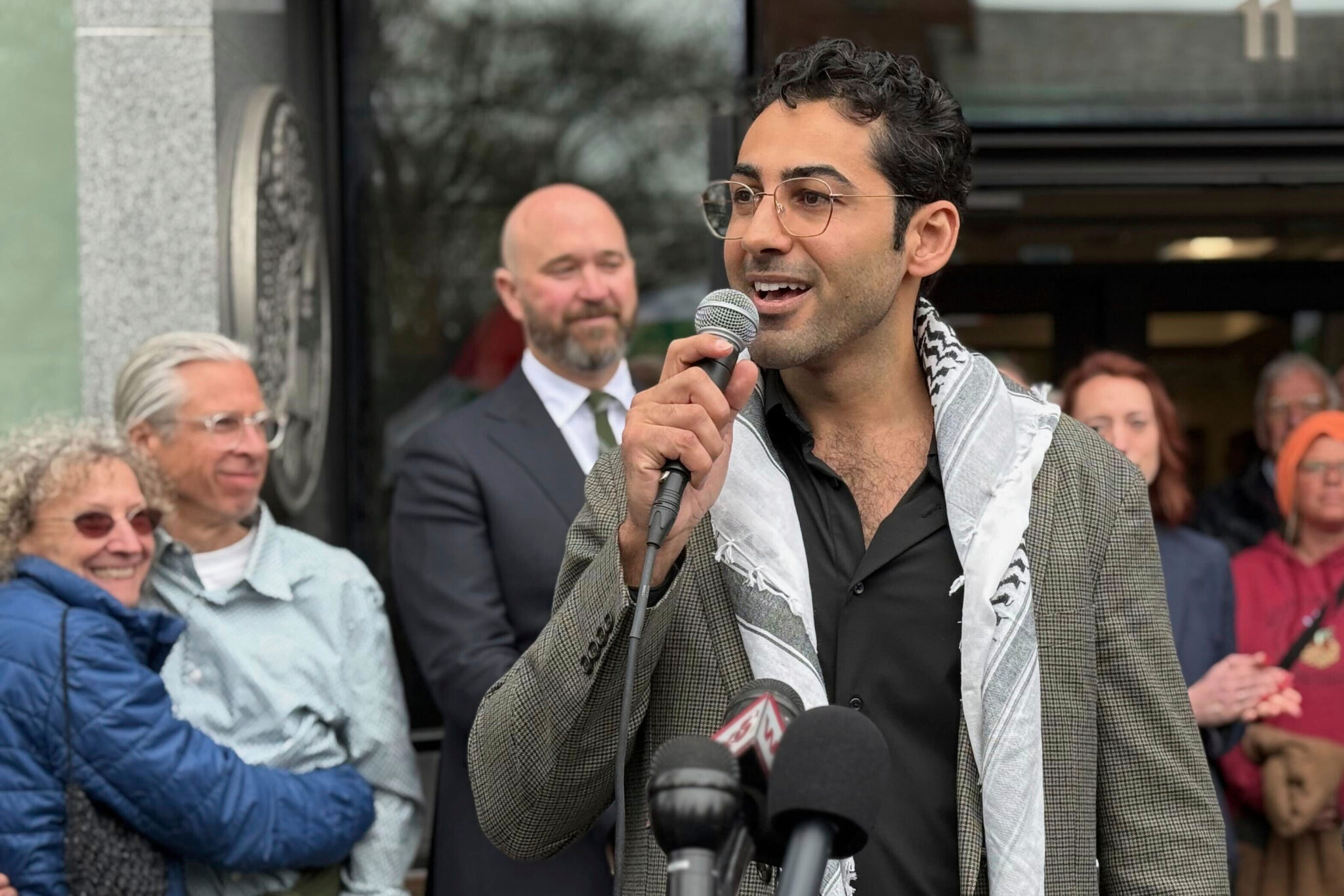
Judge Blocks Deportation of Columbia Protest Leader/ Newslooks/ WASHINGTON/ J. Mansour/ Morning Edition/ An immigration judge has blocked the deportation of Mohsen Mahdawi, a Palestinian activist who led protests at Columbia University. The ruling cited a procedural error by government attorneys in submitting key evidence. The decision marks another setback for federal efforts targeting pro-Palestinian campus activists.
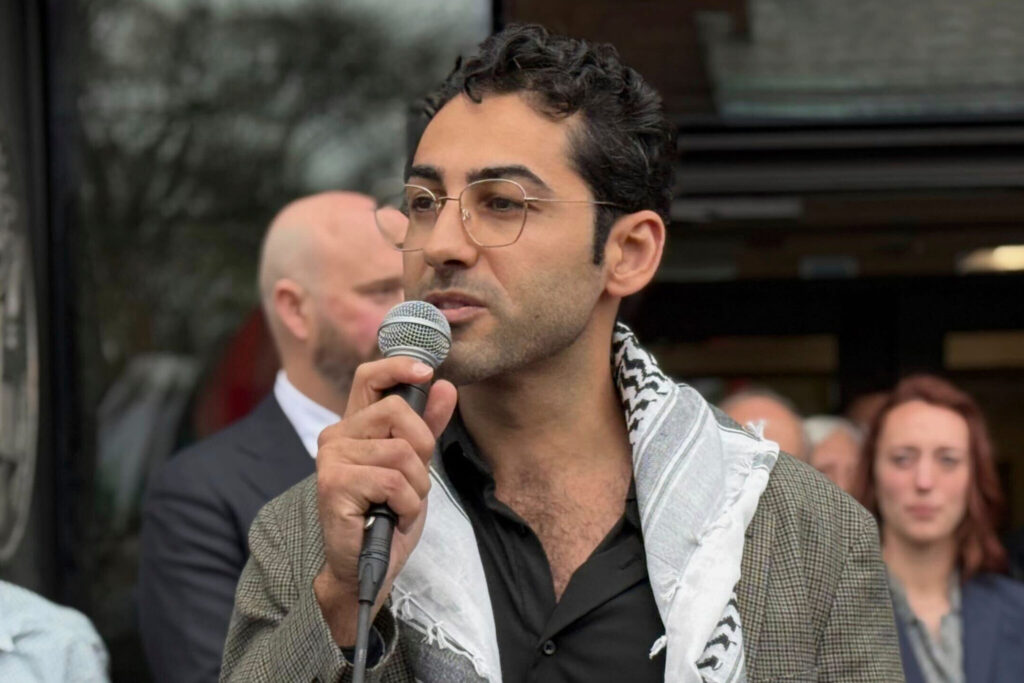
Judge Blocks Deportation of Mohsen Mahdawi Quick Looks
- Immigration judge terminated deportation case over procedural error
- Government failed to properly certify evidence document
- Mahdawi is a legal permanent U.S. resident
- Arrested during citizenship interview in 2025
- Federal push targets pro-Palestinian campus activists
- Administration may appeal ruling
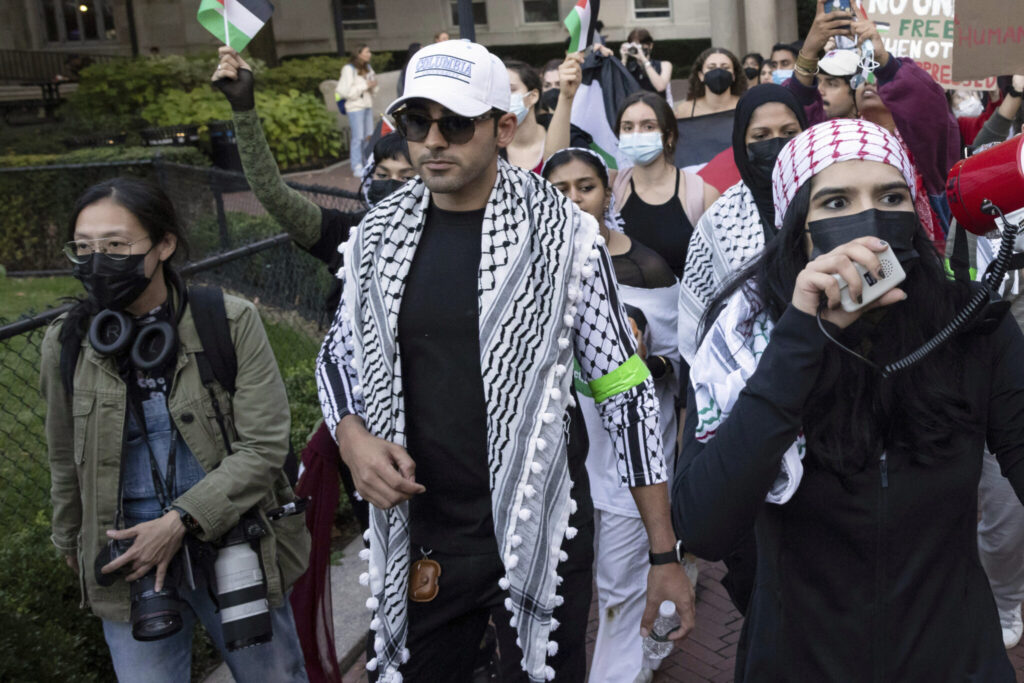
Deep Look: Judge Blocks Deportation of Columbia Protest Leader
An immigration judge has halted the Trump administration’s attempt to deport Palestinian activist Mohsen Mahdawi, a graduate student who emerged as a prominent leader of pro-Palestinian protests at Columbia University during demonstrations over the Israel-Gaza war.
In a ruling made public Tuesday, Immigration Judge Nina Froes dismissed the government’s case after determining that federal attorneys committed a procedural error. According to the written decision, government lawyers failed to properly certify an official document they sought to introduce as evidence in support of deportation.
The dismissal represents a significant setback for the administration’s broader campaign aimed at removing noncitizens who have publicly criticized Israel or participated in campus demonstrations related to the war in Gaza.
Mahdawi, who has been a lawful permanent resident of the United States for approximately a decade, was born in a refugee camp in the Israeli-occupied West Bank. He became a visible organizer during protests at Columbia University, where students rallied against Israel’s military actions in Gaza and called on the institution to reassess its policies and financial ties.
In April 2025, Mahdawi was arrested by immigration authorities during what was supposed to be a routine citizenship interview. His detention sparked criticism from civil liberties advocates and protest supporters who argued the move was politically motivated. Two weeks later, a federal judge ordered his release.
Despite that release, immigration authorities continued pursuing deportation proceedings. The case relied in part on a memorandum from Secretary of State Marco Rubio, which asserted that noncitizens could be expelled if their presence was deemed potentially harmful to U.S. foreign policy interests.
However, in the immigration court proceeding, government attorneys submitted only a photocopy of the memo and did not properly certify it as required under federal evidentiary rules. Judge Froes ruled that the failure to meet certification requirements warranted termination of the case.
The Trump administration has the option to appeal the decision, and it remains unclear whether federal officials will seek to refile or correct the procedural issue.
The ruling follows another recent immigration court decision that blocked the deportation of Rümeysa Öztürk, a graduate student at Tufts University who faced removal after writing an opinion piece criticizing her university’s response to the Gaza conflict. That case also drew national attention as part of the administration’s approach toward campus activism.
In a statement released through his attorneys, Mahdawi welcomed the judge’s decision, describing it as a reaffirmation of due process protections. He characterized the deportation effort as an attempt to silence advocacy for Palestinian rights and said the ruling was an important step in defending freedom of speech.
Meanwhile, the Department of Homeland Security strongly criticized the outcome. Spokesperson Tricia McLaughlin described Mahdawi as a leader of what she called “pro-terrorist riots” and argued that his immigration status should be revoked. She stated that the administration would continue pursuing deportations of individuals it believes undermine national interests.
Beyond the immigration court case, Mahdawi has also filed a separate lawsuit in federal district court challenging his earlier detention as unlawful. That case remains pending, according to his legal team.
The legal battle highlights ongoing tensions between immigration enforcement policies and constitutional protections for speech and protest. Civil rights advocates argue that deportation efforts tied to political expression risk chilling lawful activism, particularly on college campuses. Administration officials, however, maintain that immigration law grants broad authority to remove noncitizens when national security or foreign policy considerations are implicated.
As the government weighs its next steps, the ruling underscores the importance of procedural compliance in immigration proceedings. For now, Mahdawi remains in the United States, and the broader debate over campus protests, immigration authority and free expression continues to unfold.