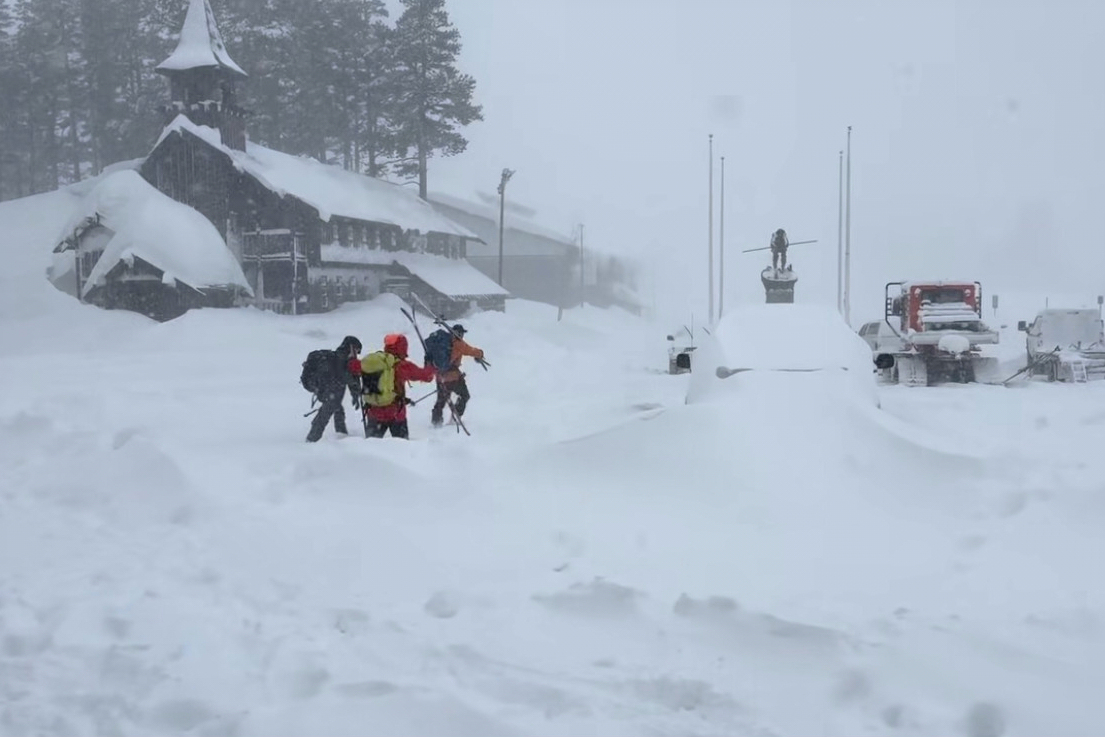
California Avalanche Traps Skiers, Ten Still Missing/ Newslooks/ WASHINGTON/ J. Mansour/ Morning Edition/ Rescue teams are racing to reach six stranded skiers after a powerful avalanche struck Northern California’s Castle Peak area. Ten additional skiers remain missing as blizzard conditions heighten the risk of further slides. Authorities warn that heavy snowfall and high winds have created extremely dangerous backcountry conditions.
California Avalanche Rescue Effort Quick Looks
- Avalanche struck near Frog Lake in Castle Peak area
- Six skiers located alive but stranded
- Ten others remain missing
- Blizzard conditions complicate rescue operations
- Avalanche warning issued for Central Sierra Nevada
- Winter storm bringing heavy snow and high winds
Deep Look: California Avalanche Traps Skiers, Ten Still Missing
Rescue crews are battling severe winter weather in a high-stakes effort to reach six backcountry skiers who remain stranded after a powerful avalanche tore through a remote stretch of Northern California’s Sierra Nevada mountains. Authorities say 10 additional skiers are still missing as dangerous conditions continue to threaten the region.
The avalanche occurred Tuesday morning near Frog Lake in the Castle Peak area, northwest of Lake Tahoe. The slide was reported around 11:30 a.m., when a 911 caller alerted authorities that multiple people had been buried amid a strong winter storm sweeping across the state.
Teams from the Nevada County Sheriff’s Office and other emergency agencies were immediately dispatched. According to officials, six skiers were located alive hours later. They have since been instructed to shelter in place while rescue teams attempt to reach them safely. The group has reportedly constructed a makeshift shelter using a tarp as they wait in frigid conditions.
Authorities say the skiers are maintaining communication through emergency beacons capable of sending text messages. Capt. Russell Greene of the Nevada County Sheriff’s Office told local media that rescuers are proceeding cautiously due to the heightened risk of triggering additional avalanches.
Multiple resources have been deployed to reach the stranded group, including snowcats, snowmobiles and ski-equipped rescue personnel. However, officials described the operation as slow and methodical because of unstable snowpack and ongoing storm activity.
The skiers were participating in a guided three-day backcountry excursion organized by Blackbird Mountain Guides. The company confirmed that 12 clients and four guides were on the trip and said it is coordinating closely with authorities. The tour required participants to traverse rugged mountain terrain on backcountry skis for up to four miles while carrying food and overnight supplies. The group had reportedly spent two nights in remote huts before the avalanche struck on the final day of the trip.
Avalanche forecasters with the Sierra Avalanche Center said conditions were particularly dangerous as the region sits at the height of a powerful winter storm. Brandon Schwartz, the center’s lead avalanche forecaster for Tahoe National Forest, noted that heavy snowfall accumulating rapidly on fragile underlying snow layers — combined with gale-force winds — created an unstable environment ripe for large slides.
An avalanche warning was issued for the Central Sierra Nevada, including the greater Lake Tahoe region, beginning early Tuesday morning. Forecasters cautioned that large avalanches could continue into Wednesday. Travel in, near or below avalanche terrain was strongly discouraged, particularly in the backcountry where mitigation efforts common at ski resorts are not in place.
The Castle Peak area, a 9,110-foot summit located in the Donner Summit region of the Sierra Nevada, is a popular destination for experienced backcountry skiers seeking terrain beyond resort boundaries. Unlike groomed ski areas, backcountry routes require specialized equipment and avalanche safety training. Experts recommend carrying beacons, probes and shovels, along with proper training in avalanche assessment and rescue techniques.
The Donner Summit region has a long history tied to severe winter conditions. It was named after the ill-fated Donner Party, pioneers who became stranded in the winter of 1846–1847 during a brutal snow season.
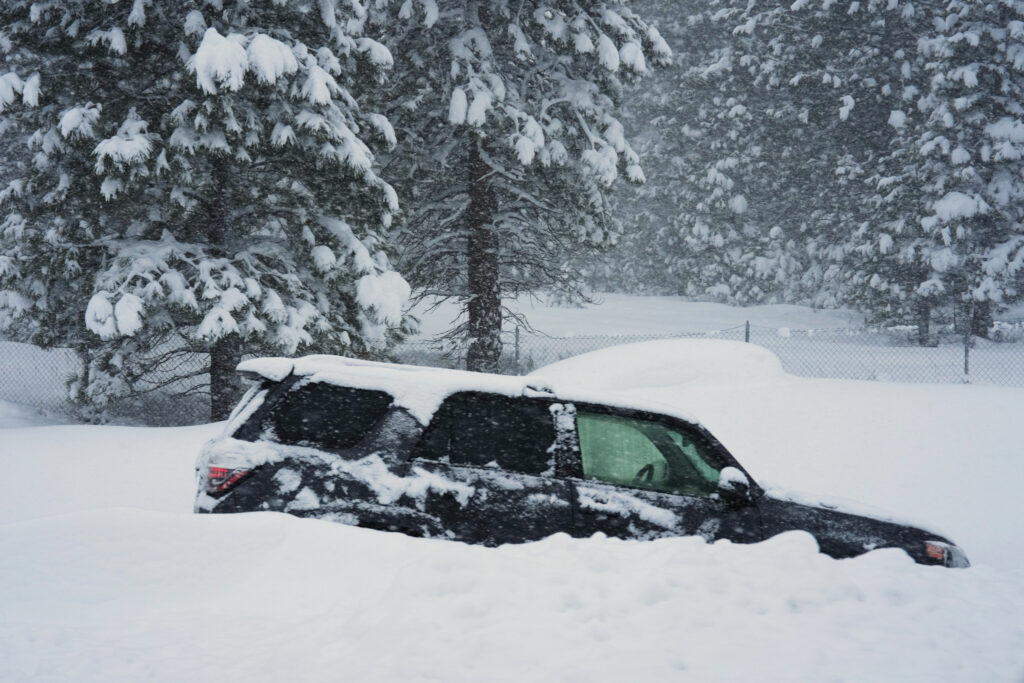
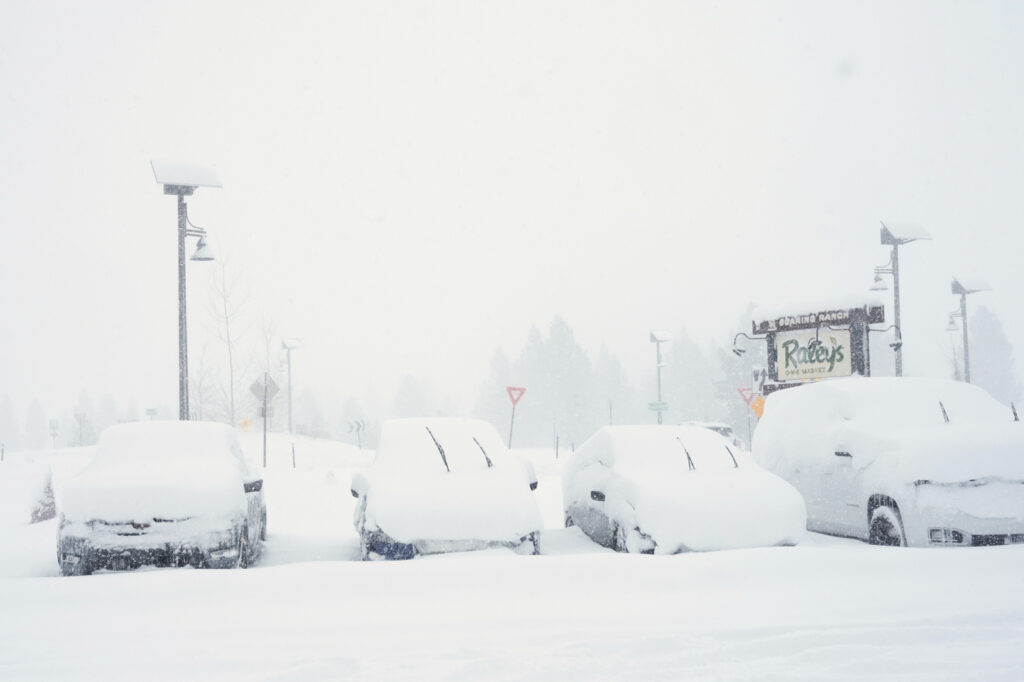
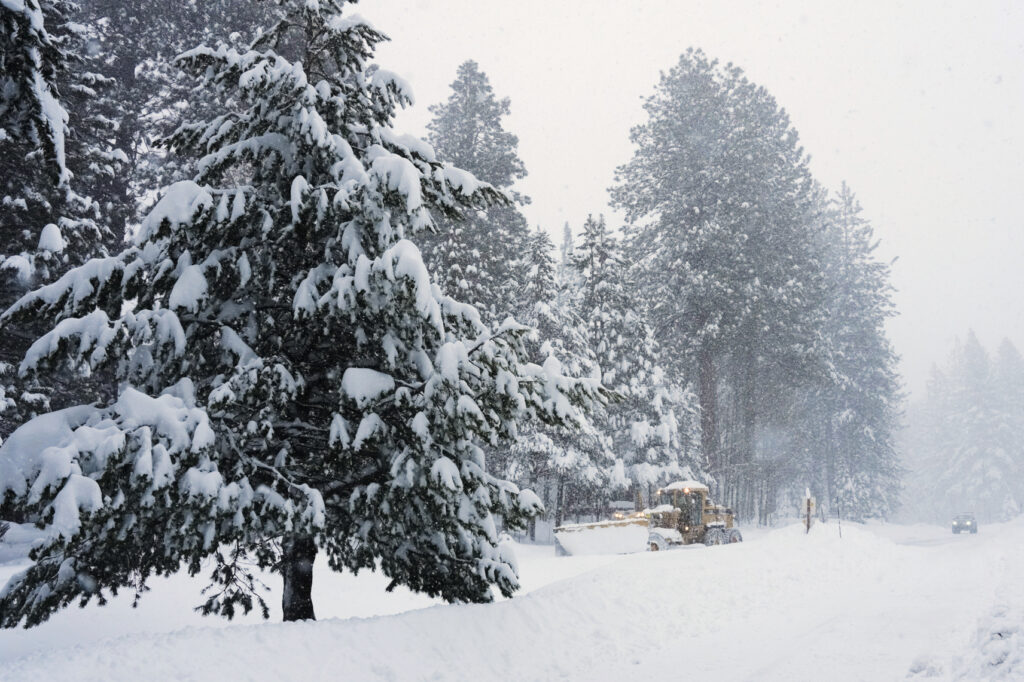
The current storm has dumped extraordinary amounts of snow across Northern California. In nearby Soda Springs, more than 30 inches fell within 24 hours, according to local resort officials. Forecasters predict that parts of the western Sierra Nevada, including areas of northern Shasta County and stretches of Interstate 5, could receive up to eight feet of snow before the system moves out late Wednesday.
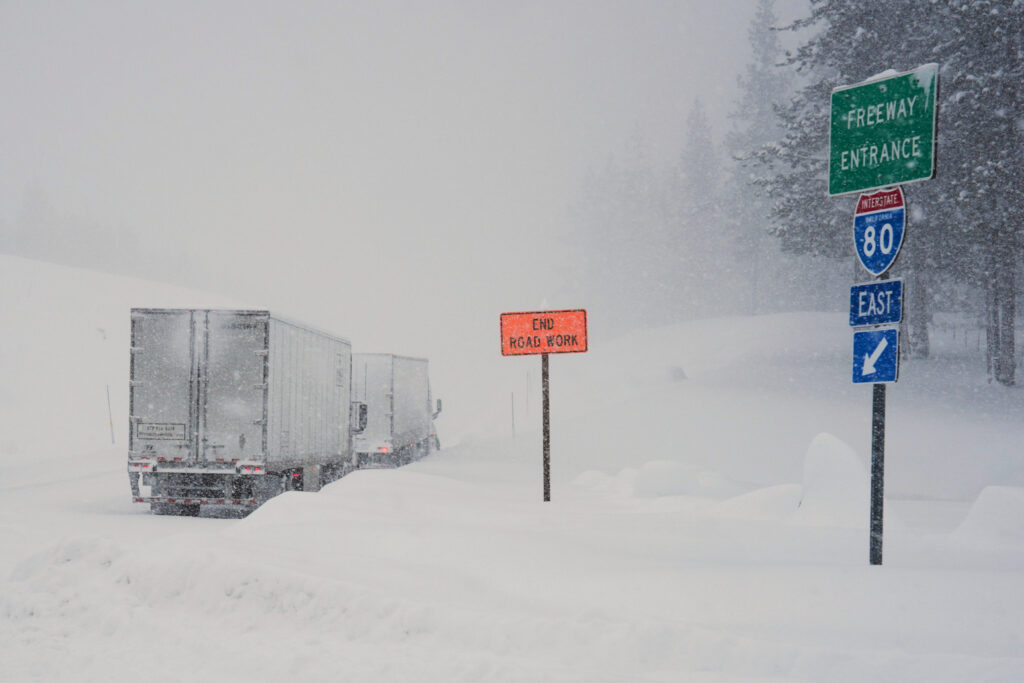
The extreme weather has disrupted travel throughout the region. The California Department of Transportation reported temporary closures of Interstate 80 near the Nevada state line due to spinouts and crashes caused by slick roadways and whiteout conditions.
Avalanches claim an average of 25 to 30 lives annually in the United States, according to the National Avalanche Center. In January, a separate avalanche in the region killed a snowmobiler.
As the storm continues, rescue teams remain focused on reaching the six stranded skiers while continuing the search for the 10 others still unaccounted for. Officials emphasize that safety remains the top priority, as unstable snowpack and ongoing snowfall pose constant risks to both victims and rescuers.
Authorities have not yet released the identities of those involved. The rescue operation is expected to continue as weather conditions allow, with officials urging the public to avoid backcountry travel until avalanche risks subside.