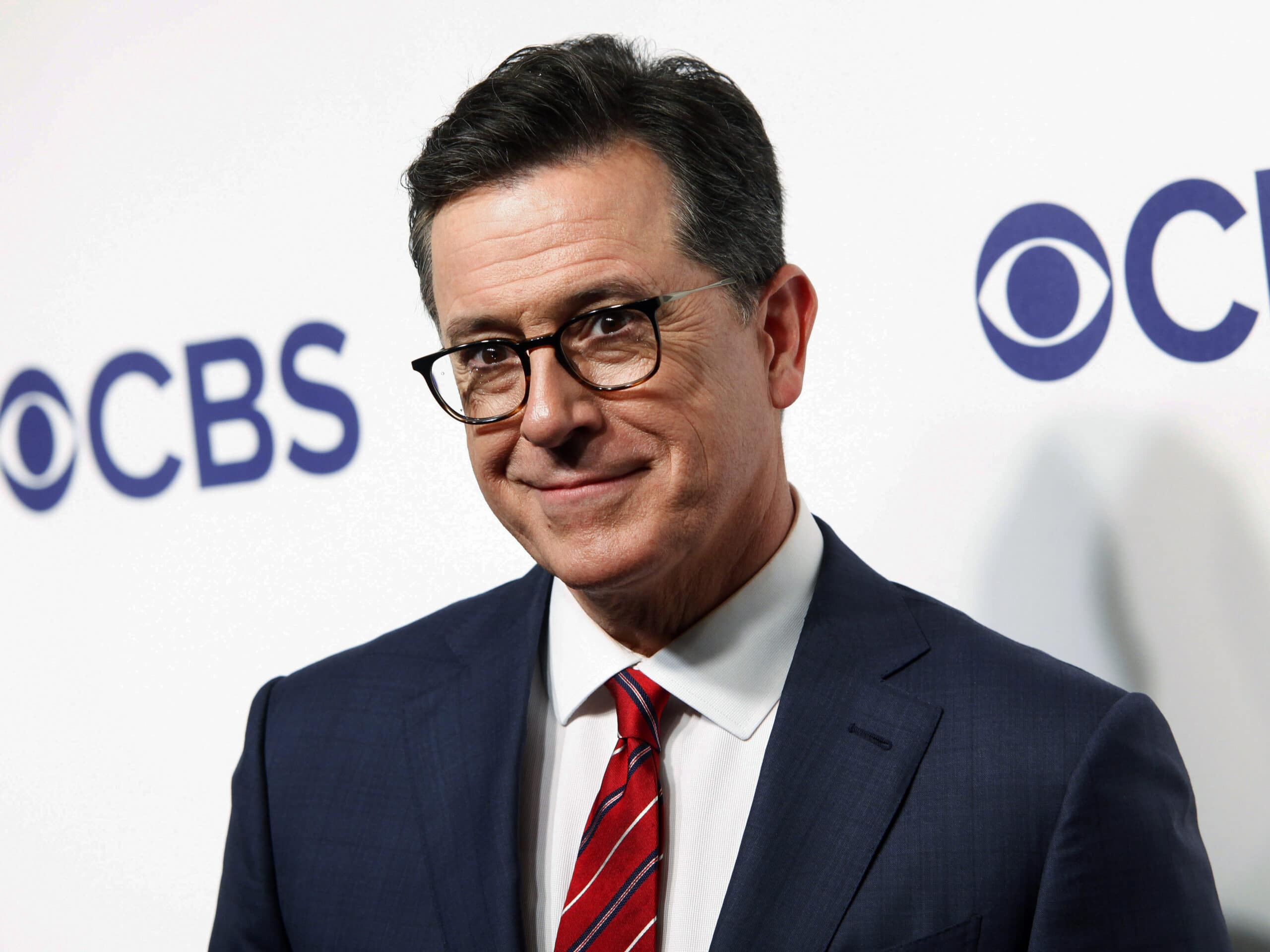
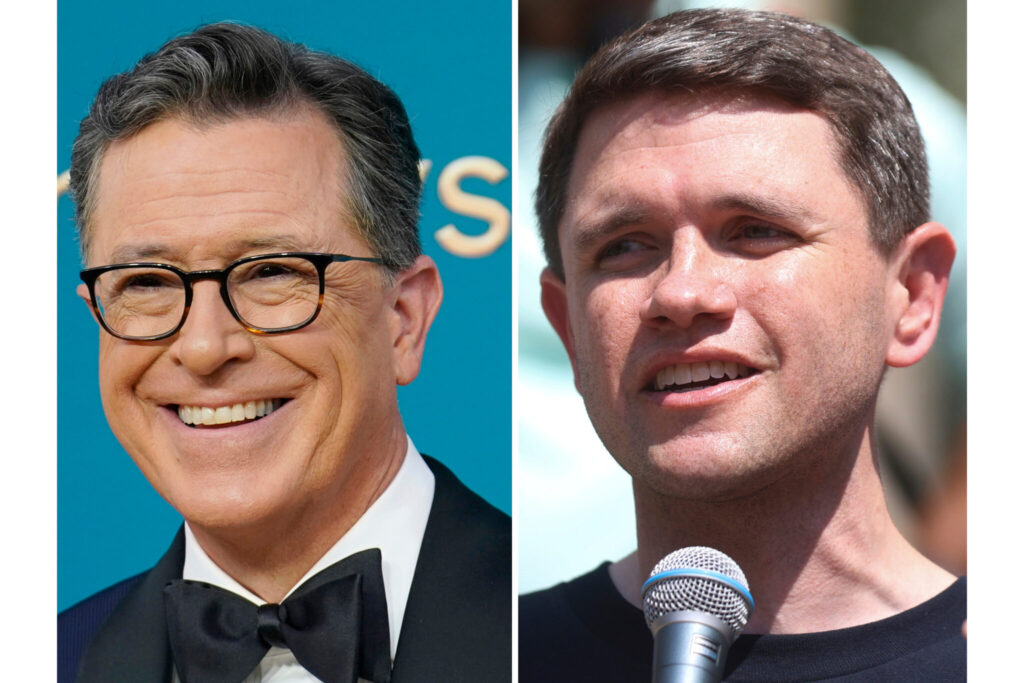
CBS, Stephen Colbert Battle Over Political Interview/ Newslooks/ WASHINGTON/ J. Mansour/ Morning Edition/ Stephen Colbert publicly challenged CBS after the network declined to air his interview with Texas Senate candidate James Talarico. The dispute centers on concerns over the FCC’s “equal time” rule for political candidates. Colbert instead posted the interview on YouTube, where it quickly drew millions of views.
Stephen Colbert CBS Dispute Quick Looks
- CBS declined to air James Talarico interview
- Network cited concerns about FCC equal time rule
- Colbert criticized CBS on-air and posted interview to YouTube
- FCC Chairman Brendan Carr has discussed rule changes
- YouTube interview surpassed 5 million views
- Talarico reported $2.5 million in donations after airing
Deep Look: CBS, Stephen Colbert Battle Over Political Interview
Late-night host Stephen Colbert is escalating a rare public dispute with his own network, CBS, after the company declined to broadcast an interview with a Democratic Senate candidate, citing potential regulatory concerns.
During Tuesday’s episode of “The Late Show,” Colbert said he was caught off guard by a CBS statement denying that its lawyers had explicitly told him he could not air the interview with Texas Senate hopeful James Talarico. Colbert maintained that network attorneys had raised concerns the night before about possible enforcement of the Federal Communications Commission’s “equal time” rule.
The equal time rule requires broadcasters to offer comparable opportunities to opposing political candidates if one is given airtime. Historically, however, late-night talk shows have operated under an exemption, allowing hosts to interview candidates without triggering the requirement.
Colbert told viewers he and his team were unable to find a single example of the rule being enforced against a late-night program, either during his career or dating back to the 1960s. Although FCC Chairman Brendan Carr has publicly floated the idea of revisiting or eliminating that exemption, no formal change has been enacted.
“But CBS generously did it for him,” Colbert quipped on-air, suggesting the network was preemptively complying with a rule that had not yet been modified.
In a symbolic gesture, Colbert printed the CBS statement, placed it inside a dog waste bag and threw it into a trash can during the broadcast. He emphasized that he did not want an adversarial relationship with the network but expressed disappointment that, in his view, the company had failed to push back against what he characterized as regulatory pressure.
CBS said in its statement that Colbert had been provided with “legal guidance” indicating that airing the interview could potentially trigger equal time obligations. Colbert countered that network lawyers had approved his script discussing the issue and were aware that he planned to address it publicly.
Instead of airing the interview on broadcast television, Colbert’s team uploaded it to YouTube. By Wednesday morning, the video had surpassed 5 million views — roughly double the nightly audience for “The Late Show.” Talarico later reported raising approximately $2.5 million in campaign donations within 24 hours of the interview’s online release.
The dispute unfolds during Colbert’s final months at CBS. The network announced last year that “The Late Show” will conclude in May, citing economic reasons. Colbert, whose monologues frequently target President Donald Trump, has suggested he is skeptical that financial considerations were the sole factor in the decision. Trump has repeatedly criticized Colbert’s program and other late-night hosts.
The controversy also recalls a previous network conflict involving late-night television. Last fall, ABC temporarily removed host Jimmy Kimmel from the air following remarks about the killing of conservative activist Charlie Kirk, only to reverse course after public backlash.
CBS is owned by Paramount Global, a multinational media corporation that oversees a range of television, film and streaming properties. The company has not indicated whether it plans to revisit its handling of the Talarico interview.
For Colbert, the episode underscores tensions between political commentary and broadcast regulation at a time when media companies face heightened scrutiny. As he approaches the end of his tenure, the host appears determined to continue addressing political issues — even if it means publicly challenging his own network.