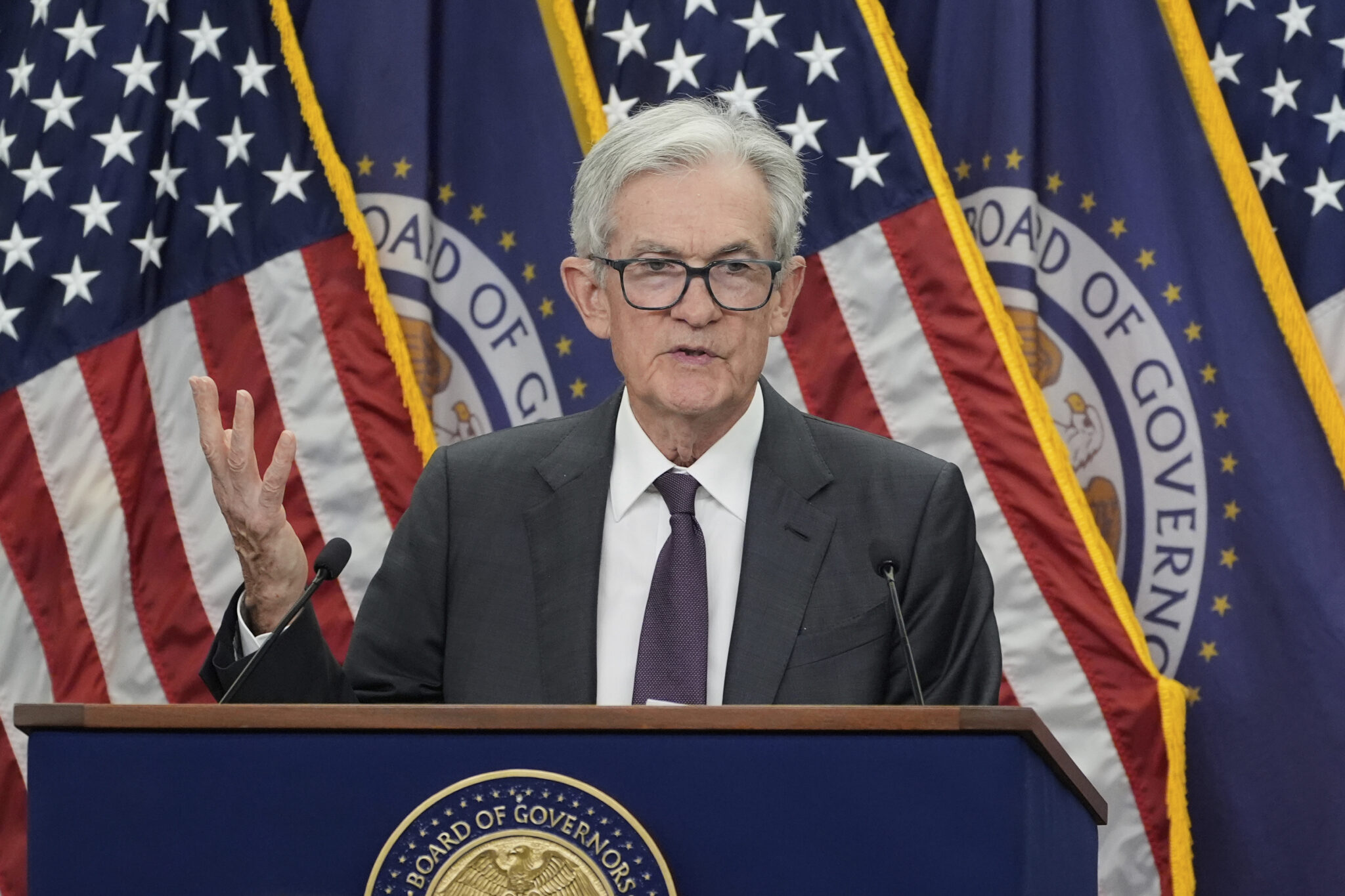
Fed Minutes: Lower Inflation Needed Before Officials Support Rate Cuts/ Newslooks/ WASHINGTON/ J. Mansour/ Morning Edition/ Federal Reserve officials want clearer evidence of falling inflation before backing further interest rate cuts. Minutes from the January meeting reveal divisions within the rate-setting committee. Chair Jerome Powell says the Fed is positioned to wait as inflation remains above target.
Federal Reserve Rate Cut Debate Quick Looks
- Fed held benchmark rate steady at 3.6%
- Majority see labor market stabilizing
- Inflation remains above 2% target
- Some officials favor additional cuts if prices fall
- Others support keeping rates unchanged longer
- Rare openness to potential future rate hike
- Two governors voted for immediate quarter-point cut
- Markets watching inflation and jobs data closely
Deep Look: Fed Minutes: Lower Inflation Needed Before Officials Support Rate Cuts
Newly released minutes from the Federal Reserve reveal a central bank cautiously navigating a delicate economic balance, with many policymakers signaling they need clearer evidence of declining inflation before supporting additional interest rate cuts this year.
The minutes, published three weeks after the Jan. 27-28 policy meeting, show that the “vast majority” of the 19-member Federal Open Market Committee (FOMC) believe inflation must move closer to the Fed’s 2% target before further easing monetary policy. At the same time, most officials see signs that the labor market — which showed some softening in late 2025 — has stabilized.
Rates Held at 3.6%
At the January meeting, the Fed voted to keep its benchmark interest rate unchanged at roughly 3.6%. The decision followed three rate cuts late last year aimed at supporting growth as inflation showed tentative signs of cooling.
However, the vote was not unanimous. Governors Stephen Miran and Christopher Waller dissented, favoring an additional quarter-point reduction. Their position underscores emerging divisions within the central bank over how quickly to pivot toward looser monetary policy.
The minutes detail three distinct camps within the committee:
- Several officials indicated further rate cuts would “likely be appropriate” if inflation continues its downward path.
- Some policymakers argued rates should remain unchanged “for some time,” signaling preference for an extended pause.
- Others said they would have supported language leaving open the possibility of either a rate cut or a rate hike, depending on how inflation evolves.
That final position marks a notable shift. In prior meetings, Chair Jerome Powell had suggested that rate hikes were effectively off the table. The openness to a potential increase, however remote, reflects lingering concerns about stubborn inflation pressures.
Labor Market Stabilization
The Fed typically lowers rates to stimulate borrowing, spending, and hiring when economic growth slows. But policymakers appear less concerned about the labor market than they were several months ago.
According to the minutes, most officials believe risks of rising unemployment have diminished. Fresh data supports that assessment: Employers added 130,000 jobs in January — the strongest monthly gain in over a year — while the unemployment rate edged down to 4.3%.
Those figures strengthen the argument among more cautious Fed members that the economy does not require immediate additional stimulus.
Speaking this week, Fed Governor Michael Barr pointed to the latest employment report as evidence that labor conditions are “stabilizing,” even as inflation remains above the central bank’s goal.
“Based on current conditions and the data in hand, it will likely be appropriate to hold rates steady for some time,” Barr said.
Inflation Still Above Target
Inflation remains the central issue. Consumer prices rose 2.4% in January compared with a year earlier, according to government data. While that figure is relatively close to the Fed’s 2% objective, policymakers focus more closely on the Personal Consumption Expenditures (PCE) index, which is currently running closer to 3%.
The PCE index, which places less emphasis on housing costs than the Consumer Price Index, is expected to show continued elevated price pressures when updated figures are released.
Until inflation shows clearer, sustained movement toward 2%, many officials appear reluctant to endorse further cuts.
Chicago Fed President Austan Goolsbee offered a somewhat more dovish perspective, suggesting the Fed could lower rates “several more” times this year if incoming data confirms inflation is steadily cooling.
Political Pressure and Market Impact
The Fed’s decision to hold rates steady comes despite calls from Donald Trump, who has urged policymakers to slash rates to as low as 1%. Most economists consider such a dramatic reduction unlikely under current economic conditions.
When the Fed adjusts its benchmark rate, the effects ripple across financial markets, influencing borrowing costs for mortgages, auto loans, and business credit. However, those consumer rates are also shaped by investor expectations and broader economic trends.
For now, Powell has emphasized patience. Following the January meeting, he said the central bank is “well positioned” to observe economic developments over the coming months before making further moves.
That cautious stance suggests policymakers want confirmation that inflation is firmly on a downward trajectory — and that easing financial conditions won’t reignite price pressures.
What Comes Next?
Financial markets are closely monitoring upcoming inflation and employment reports for signals about the Fed’s next move. If inflation remains elevated or accelerates, the emerging openness to potential rate hikes could become more significant. Conversely, sustained progress toward 2% could revive momentum for rate reductions later this year.
The January minutes reflect a central bank attempting to strike a careful balance: protecting the labor market while ensuring inflation does not become entrenched above target.
As policymakers weigh those competing risks, the path forward for interest rates remains data-dependent — and far from settled.