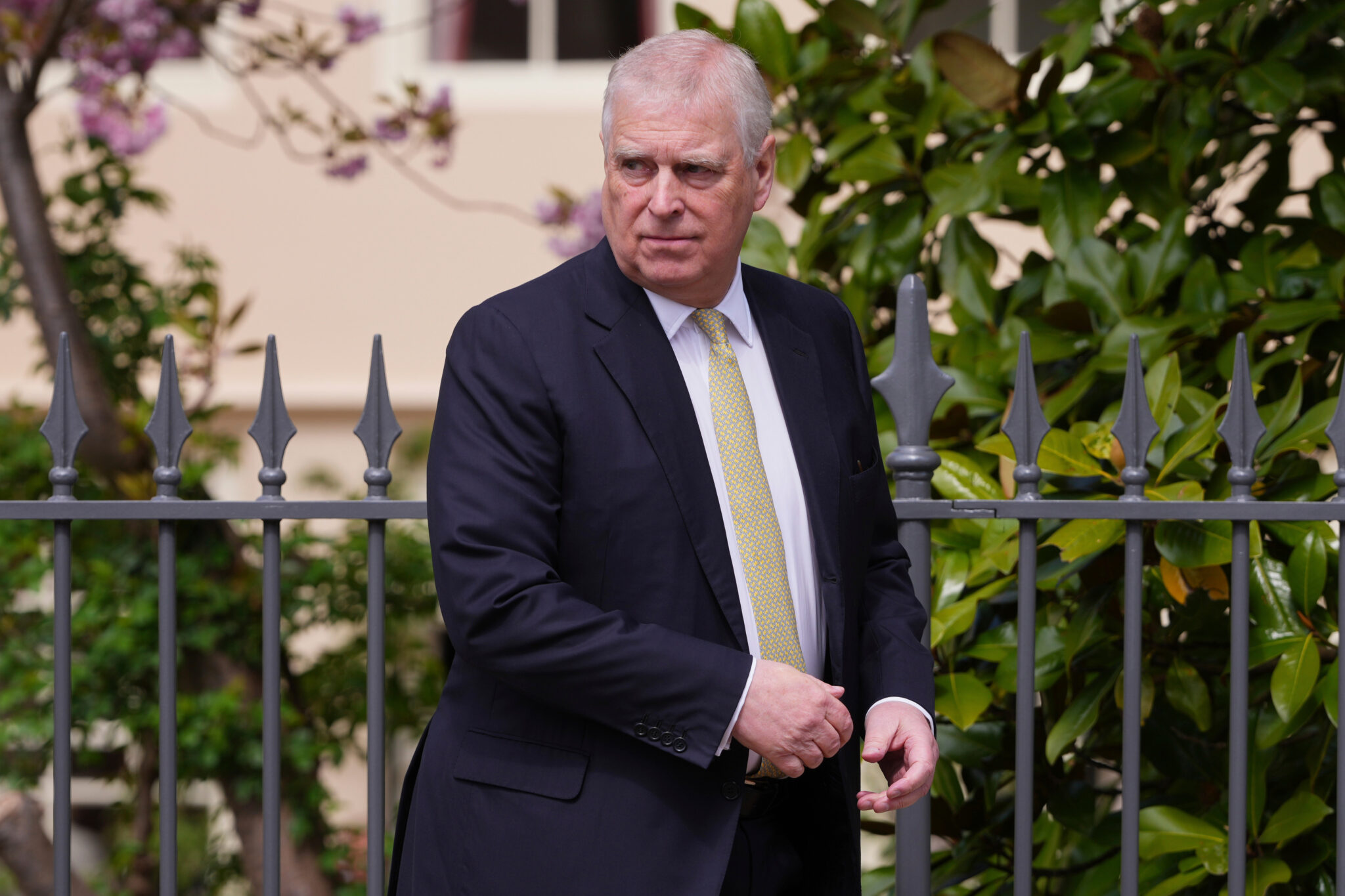
Andrew Mountbatten-Windsor Arrest: Key Facts Explained/ Newslooks/ WASHINGTON/ J. Mansour/ Morning Edition/ Andrew Mountbatten-Windsor has been arrested on suspicion of misconduct in public office tied to Jeffrey Epstein. Police are investigating claims he shared confidential trade information during his time as a UK envoy. The arrest marks one of the most serious crises for the British monarchy in modern history.

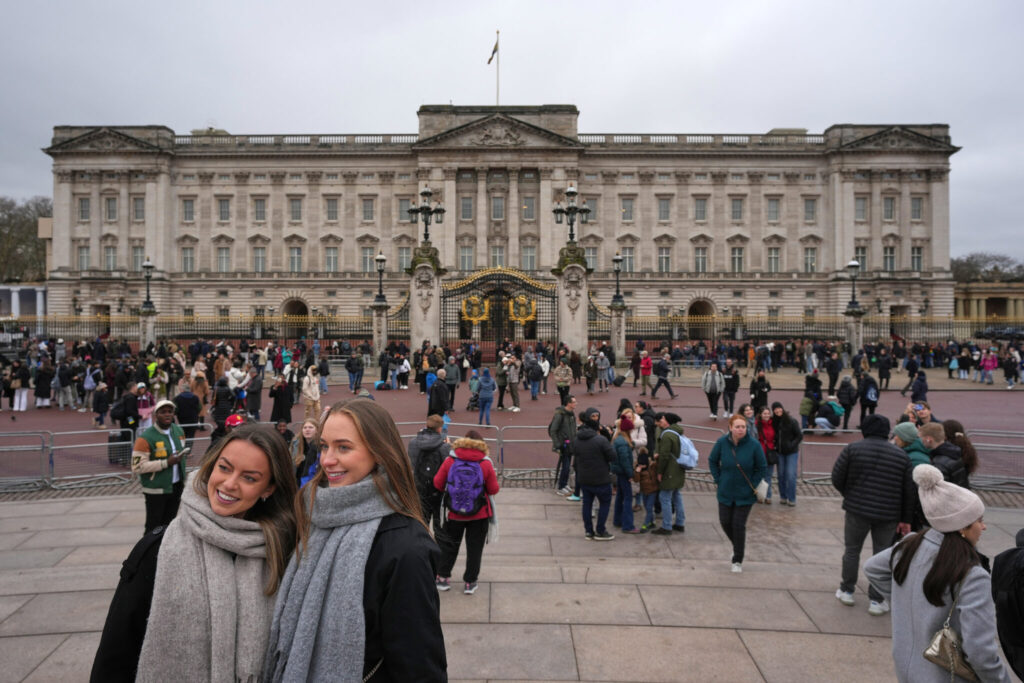
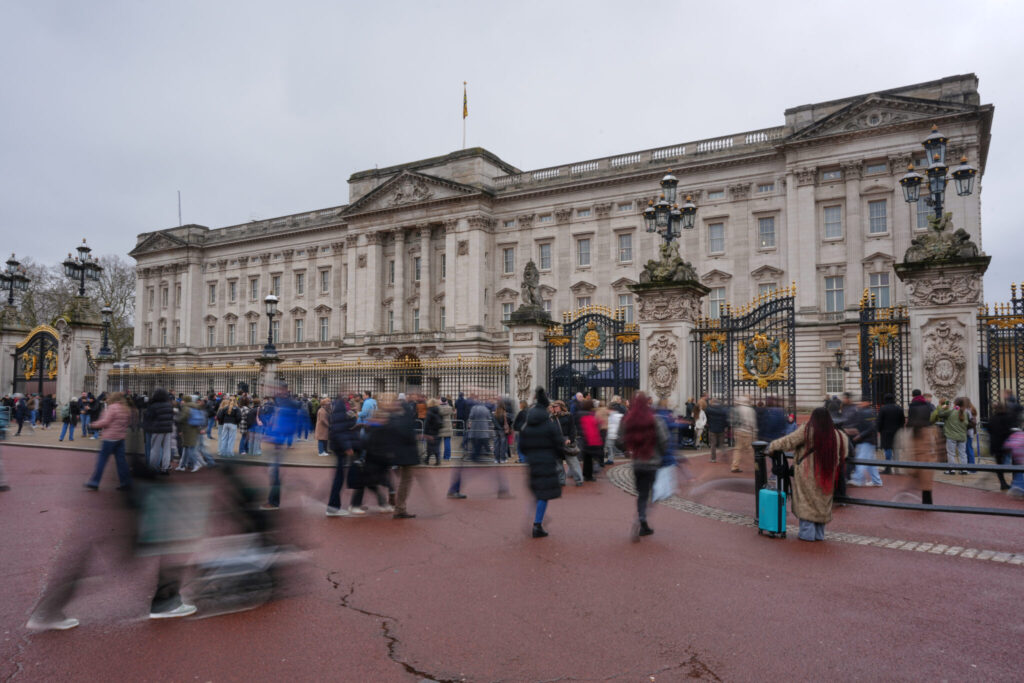
Andrew Mountbatten-Windsor Arrest Explained Quick Looks
- Arrested at Sandringham by Thames Valley Police
- Suspected misconduct in public office
- Allegedly shared confidential trade reports in 2010
- Investigation linked to Jeffrey Epstein files
- Potential maximum sentence: life imprisonment
- Police can detain up to 96 hours without charge
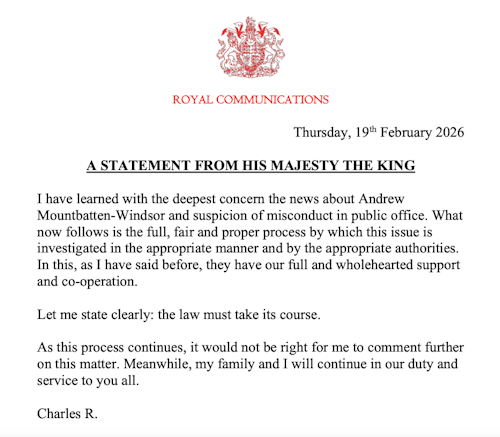
- King Charles III distances monarchy
- Remains eighth in line to the throne
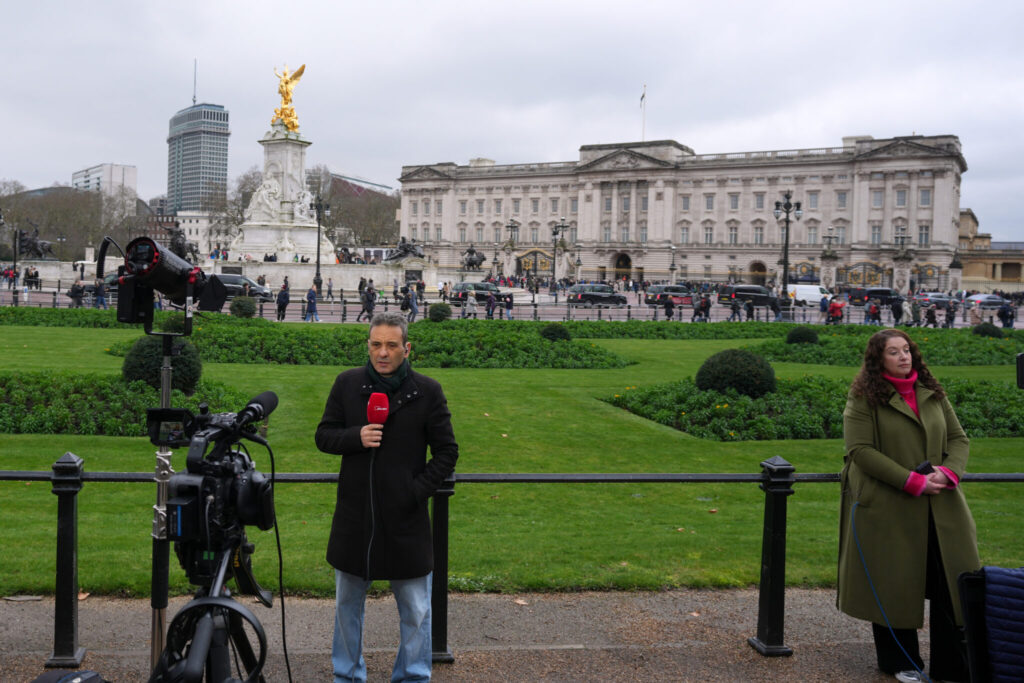

Deep Look: Andrew Mountbatten-Windsor Arrest: Key Facts Explained
The arrest of Prince Andrew, now formally known as Andrew Mountbatten-Windsor, has triggered one of the most serious crises for Britain’s royal family in generations. The younger brother of King Charles III was taken into custody Thursday on suspicion of misconduct in public office, an allegation tied to his long-running association with convicted sex offender Jeffrey Epstein.
The 66-year-old former royal has faced scrutiny for years over his friendship with Epstein, who died in a New York jail in 2019 while awaiting trial on sex trafficking charges. However, the current arrest centers not on sexual misconduct allegations but on claims that Andrew improperly shared confidential trade information while serving in an official government role.
Why Was He Arrested?
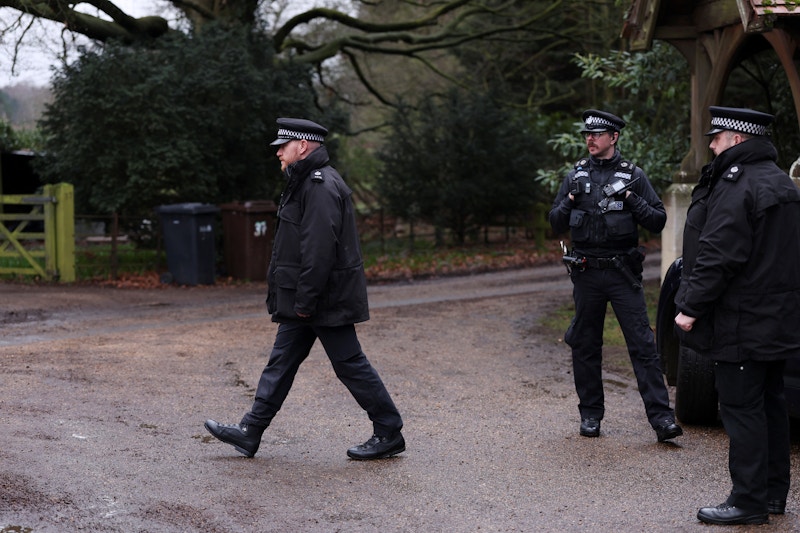
Thames Valley Police arrested Mountbatten-Windsor at Sandringham, King Charles’ private estate in eastern England, where Andrew had been living after being stripped of his royal titles and honors last year.
Authorities said they are investigating reports that Andrew sent confidential government trade documents to Epstein in 2010 during his tenure as Britain’s special envoy for international trade and investment.
Emails released last month as part of a U.S. Justice Department document dump reportedly show Andrew forwarding official briefings shortly after receiving them. Among the alleged communications were summaries of visits to Hong Kong, Vietnam and Singapore, as well as a Christmas Eve 2010 briefing on investment opportunities tied to reconstruction efforts in Afghanistan’s Helmand Province.
Police in other parts of the U.K. are conducting related investigations into Andrew’s connections to Epstein.
What Is “Misconduct in Public Office”?
The offense of misconduct in public office is defined by the Crown Prosecution Service as the serious and willful abuse or neglect of power by someone holding public office.
Legal experts note that the charge carries a theoretical maximum sentence of life imprisonment, though significantly shorter terms are typical in comparable cases. Historically, the offense has been applied to prison officers engaged in inappropriate conduct with inmates or police officers who leaked sensitive information.
Prosecutors must first determine whether Andrew’s trade envoy position qualifies as holding public office under the law. If so, they must show that any alleged actions amounted to serious abuse of that position.
Criminal defense lawyers caution that such cases are often complex and difficult to prove beyond a reasonable doubt.
What Happens Next?
Under U.K. law, police can detain a suspect for up to 24 hours without charge, with extensions possible up to 96 hours if authorized by senior officers and a magistrate.
Authorities are searching properties in Berkshire and Norfolk, including locations connected to Andrew’s previous residences near Windsor Castle and his current home at Sandringham.
During questioning, Andrew is entitled to legal counsel and may choose to respond to questions or exercise his right to remain silent. If investigators determine there is insufficient evidence, he could be released on bail pending further inquiries.
The Crown Prosecution Service will ultimately decide whether to bring formal charges. Prosecutors apply a two-part test: whether there is a realistic prospect of conviction and whether prosecution is in the public interest.
A Historic Royal Crisis
Andrew’s arrest represents a profound moment for the House of Windsor. Only a few episodes rival its gravity, including the 1936 abdication of King Edward VIII and the 1997 death of Diana, Princess of Wales.
Senior British royals have rarely faced arrest. Observers note that the last comparable case involving a reigning monarch dates back nearly 400 years to the arrest of King Charles I — an event that ultimately led to revolution and the temporary abolition of the monarchy.
Although Andrew remains eighth in line to the throne, his royal standing has been significantly diminished. He was stripped of military affiliations, patronages and his “prince” title by his brother last October. Parliament could theoretically remove him from the line of succession, or he could voluntarily step aside.
Reaction From the Royal Family
In a carefully worded statement, King Charles III said the law must take its course and refrained from further comment.
“My family and I will continue in our duty and service,” the king said.
Neither Charles nor Queen Camilla responded to reporters’ questions during public appearances following the arrest. Andrew’s former wife, Sarah Ferguson, has not commented.
Broader Context
Mountbatten-Windsor has consistently denied wrongdoing related to Epstein. While previous controversies centered on allegations of sexual impropriety — which he denied and settled in U.S. civil court without admitting liability — the present investigation focuses specifically on alleged misuse of official government information.
The coming days will determine whether the case advances to formal charges. For now, Andrew’s detention underscores the monarchy’s most significant legal challenge in decades — one that tests both constitutional norms and public trust in Britain’s most enduring institution.