Trump Warns of ‘Bad Things’ if Iran Doesn’t Make a Deal in 10-15 Days/ Newslooks/ WASHINGTON/ J. Mansour/ Morning Edition/ President Donald Trump warned of “bad things” if Iran fails to reach a nuclear deal within days. A second U.S. aircraft carrier is moving toward the Middle East as tensions escalate. Iran conducted joint military drills with Russia while signaling readiness to respond to aggression.
Trump Warns Iran as US Carrier Deploys Quick Looks
- Trump gives Iran 10–15 days for deal
- Second U.S. aircraft carrier heads to region
- Iran holds joint drills with Russia
- Live-fire exercises near Strait of Hormuz
- Indirect nuclear talks show little progress
- U.S. military buildup includes fighter jets
- Israel signals readiness for retaliation
- Rising protests and unrest inside Iran
Deep Look: Trump Warns of ‘Bad Things’ if Iran Doesn’t Make a Deal in 10-15 Days
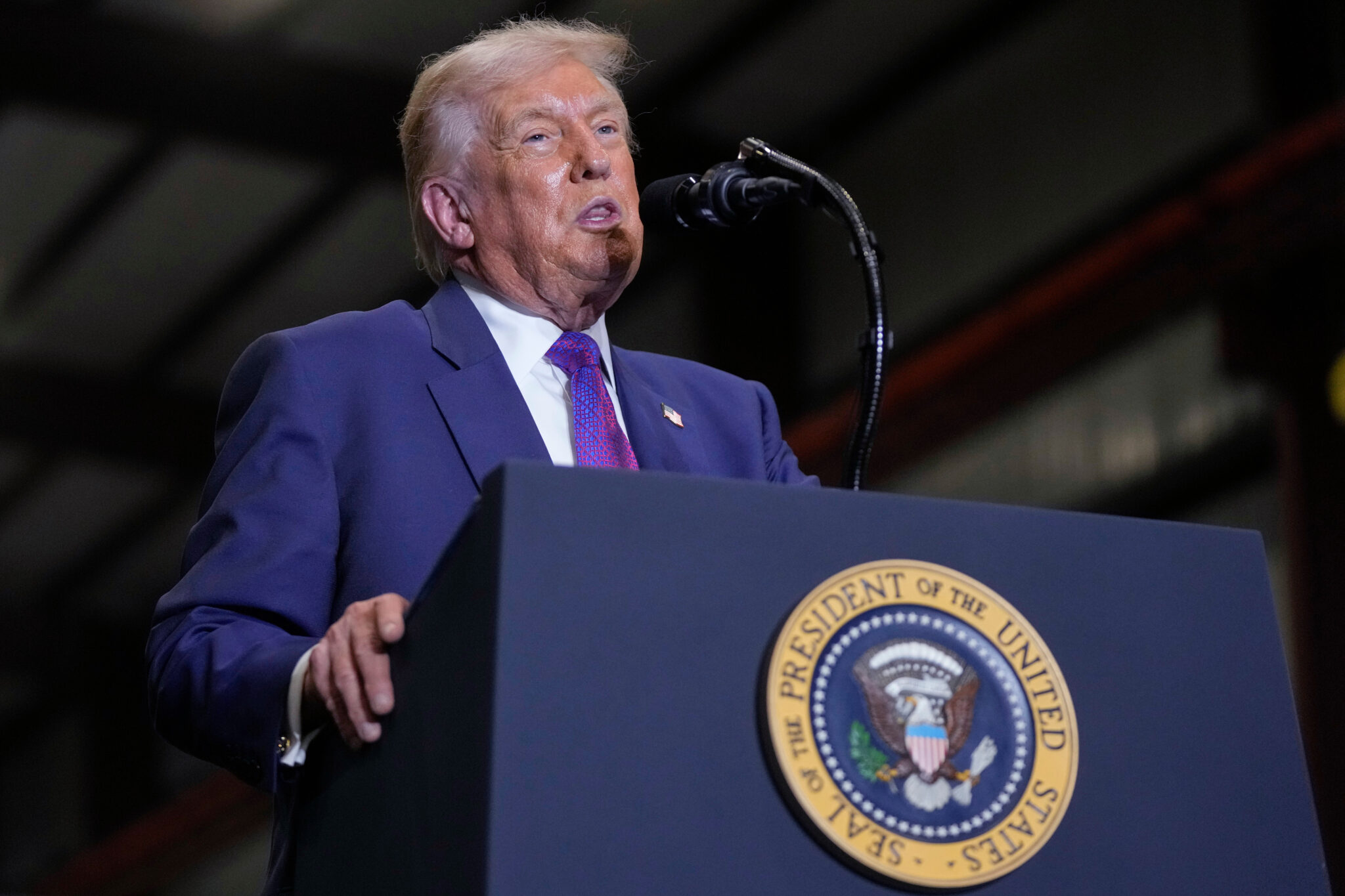
President Donald Trump intensified pressure on Iran, warning that “bad things” could happen if Tehran fails to reach a nuclear agreement within the next two weeks, as a second U.S. aircraft carrier moves closer to the Middle East.
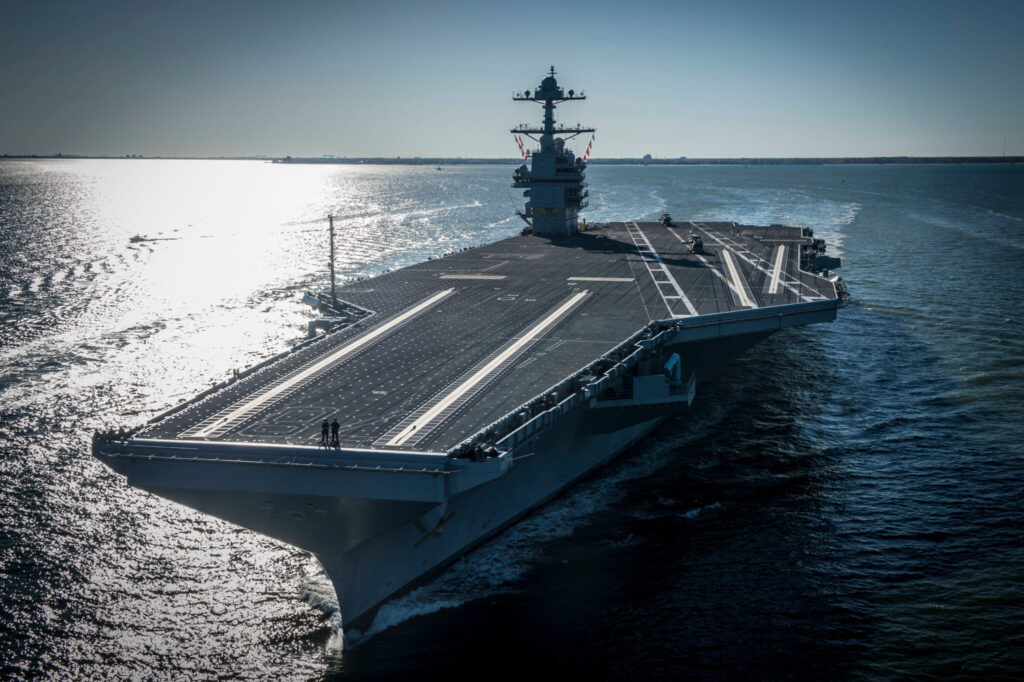
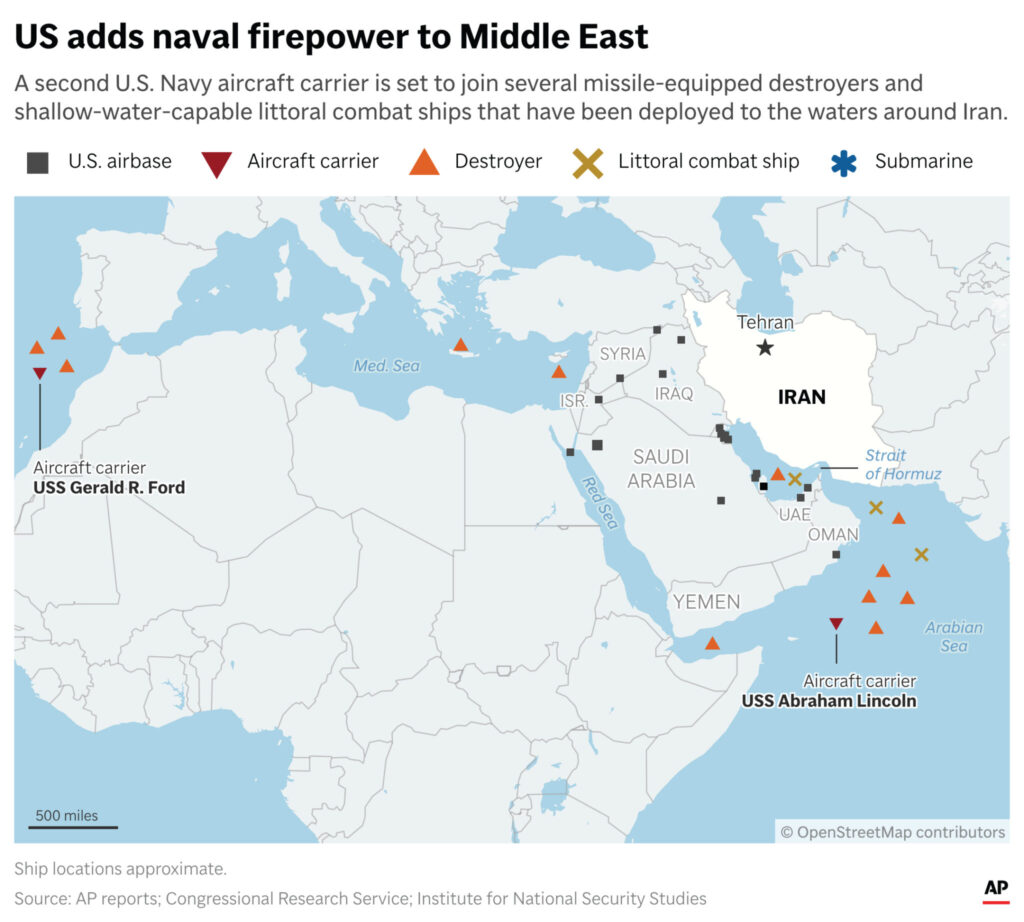
The escalating rhetoric comes amid mounting military deployments and rising regional anxiety. The USS Gerald R. Ford has been tracked near the Mediterranean and could soon transit toward the eastern Mediterranean Sea, joining a growing American naval presence in the region. While the deployment does not guarantee military action, it significantly enhances Washington’s strike capabilities should diplomacy collapse.
Trump said Thursday that 10 to 15 days should be “enough time” for Iran to finalize a meaningful agreement addressing concerns over its nuclear activities. However, negotiations have stalled for years, and recent indirect talks in Geneva have yielded little visible progress.
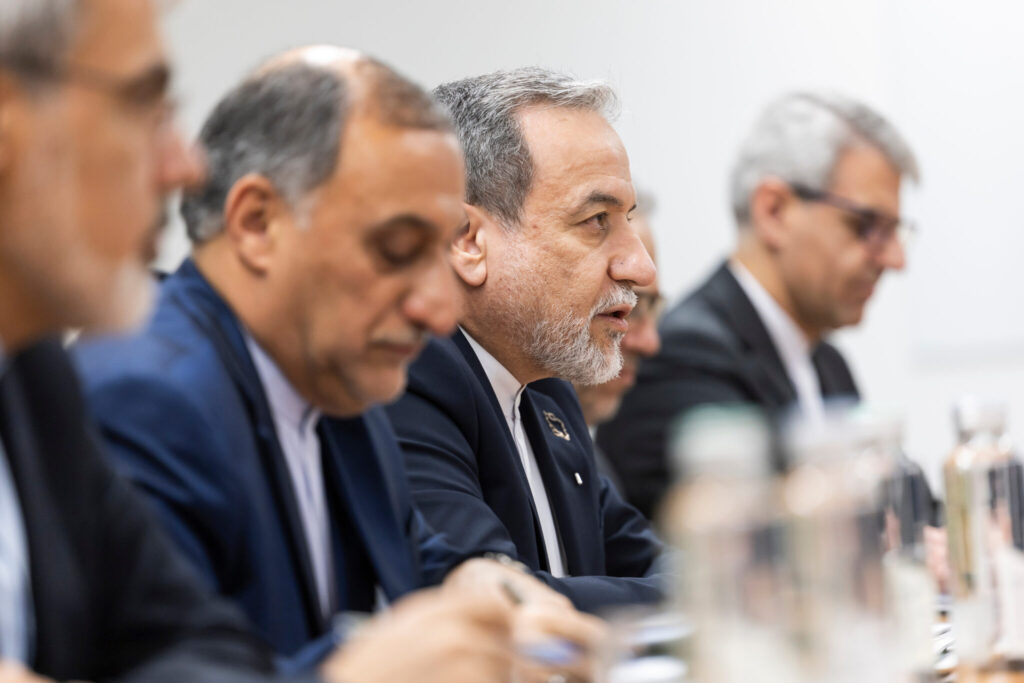
Iran has resisted broader U.S. and Israeli demands to curb its ballistic missile program and sever ties with armed regional groups, including Hamas and Hezbollah. Tehran maintains that current discussions should focus solely on its nuclear program.
In a letter to the U.N. Security Council, Iran’s ambassador to the United Nations, Amir Saeid Iravani, stated that while Iran does not seek war, it would respond “decisively and proportionately” to any American aggression. He warned that U.S. bases and assets in the region could become legitimate targets in the event of conflict.
The heightened tensions follow last year’s Israeli and U.S. strikes on Iranian nuclear facilities and military infrastructure, as well as widespread protests within Iran that were met with a forceful government crackdown. Observers note that Iran’s leadership faces both external and internal pressures, making the current standoff particularly volatile.
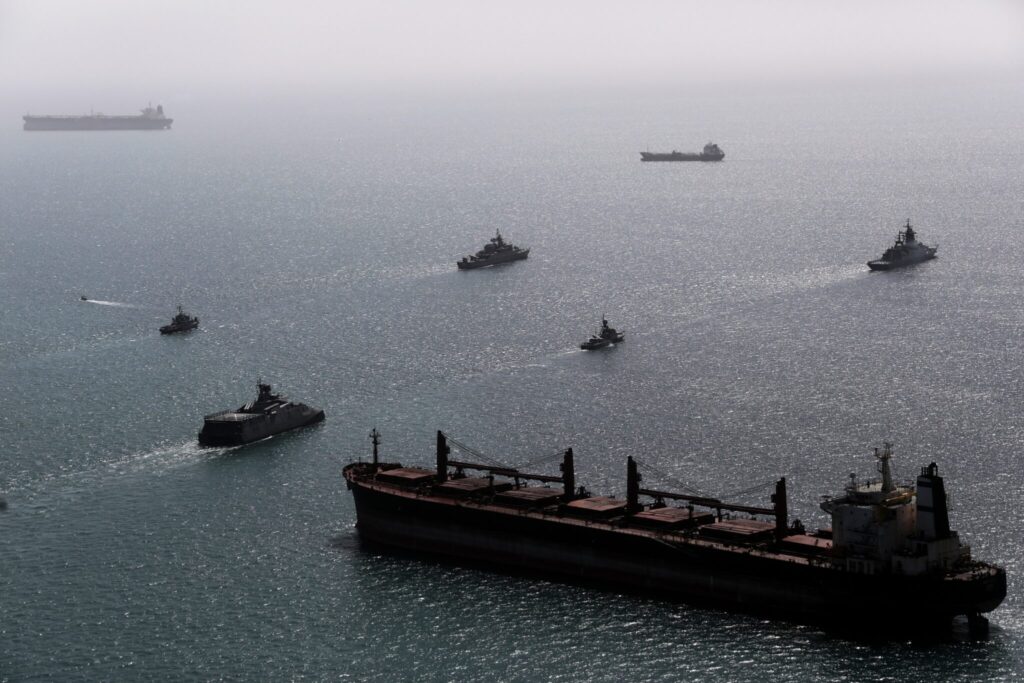
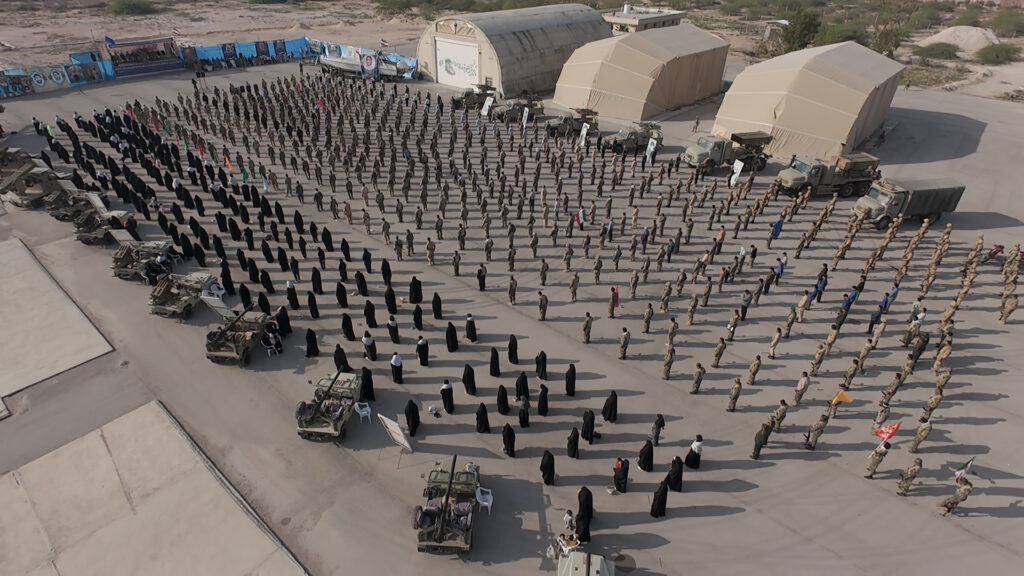
In recent days, Iran conducted annual joint military exercises with Russia in the Gulf of Oman and the Indian Ocean. Footage broadcast by Iranian state media showed naval special forces boarding vessels during the drills. Iran also issued rocket-fire warnings to civilian aircraft operating in the region, signaling live-fire missile exercises.
Earlier in the week, Iranian forces staged drills involving live ammunition in the Strait of Hormuz — the strategic waterway through which roughly one-fifth of the world’s traded oil passes. Any disruption to shipping in the narrow corridor could have global economic consequences.
U.S. military deployments have expanded beyond naval assets. Approximately 50 additional combat aircraft — including F-35s, F-22s, and F-16s — have reportedly been ordered to bases in the Gulf region. Defense officials suggest that by mid-March, the “full forces” required for potential military action could be in place.
A senior U.S. official, speaking anonymously due to the sensitivity of ongoing negotiations, confirmed that Iran has agreed to draft a written proposal addressing American concerns raised during recent talks. However, no timeline has been publicly disclosed for when Tehran will submit its response.
Trump has previously set red lines regarding Iran’s domestic crackdowns and nuclear advancements but has so far refrained from launching new strikes. The president emphasized Thursday that any agreement must be “meaningful,” signaling limited tolerance for incremental concessions.
Regional leaders are watching developments closely. A senior Middle Eastern official, also speaking anonymously, said he has privately urged Iranian counterparts to take Trump’s warnings seriously, pointing to past instances where the president followed through on his threats. The official also cautioned that a limited U.S. strike could backfire, potentially prompting Iran’s Supreme Leader to withdraw from negotiations entirely.
International concern is mounting. Polish Prime Minister Donald Tusk urged Polish citizens to leave Iran immediately, warning that evacuation could become impossible within hours. Germany confirmed it relocated a portion of nonessential personnel from a base in northern Iraq, citing regional security concerns.
Israel has also raised its readiness level. Prime Minister Benjamin Netanyahu warned that if Iran targets Israel in retaliation for any U.S. action, it would face consequences “they cannot even imagine.” Netanyahu has long advocated for a tougher U.S. stance, insisting any deal must dismantle Iran’s nuclear program and curb its missile capabilities.
Iran, for its part, insists it has not enriched uranium since last summer’s strikes and maintains that its nuclear program is peaceful. However, Western governments and international inspectors have previously reported that Iran enriched uranium to 60% purity — a level just short of weapons-grade material.
The current standoff reflects a dangerous convergence of stalled diplomacy, military buildup, and regional rivalries. With American warships advancing and Iran signaling readiness to retaliate, the coming days may determine whether the crisis shifts toward renewed negotiations or edges closer to open confrontation.
For now, Trump’s warning and the movement of additional U.S. forces have amplified global attention on a fragile diplomatic effort — one with significant consequences for Middle East stability and global energy markets.