Trump Considers Limited Strikes, Iran Says Nuclear Deal Draft Imminent/ Newslooks/ WASHINGTON/ J. Mansour/ Morning Edition/ President Donald Trump said he is considering limited strikes against Iran during ongoing nuclear negotiations. Iran’s foreign minister says a draft agreement could be ready within days. Military deployments and political tensions are rising as diplomacy continues.
Trump Considers Limited Strikes as Iran Deal Nears Quick Looks
- Trump says limited strikes “under consideration”
- Iran expects draft nuclear deal within days
- USS Gerald R. Ford enters Mediterranean
- U.S. builds largest regional military presence in decades
- Talks focus on uranium enrichment limits
- Dispute over “zero enrichment” demand
- Congress debates war powers authority
- Experts warn retaliation risks are high
Deep Look: Trump Considers Limited Strikes, Iran Says Nuclear Deal Draft Imminent
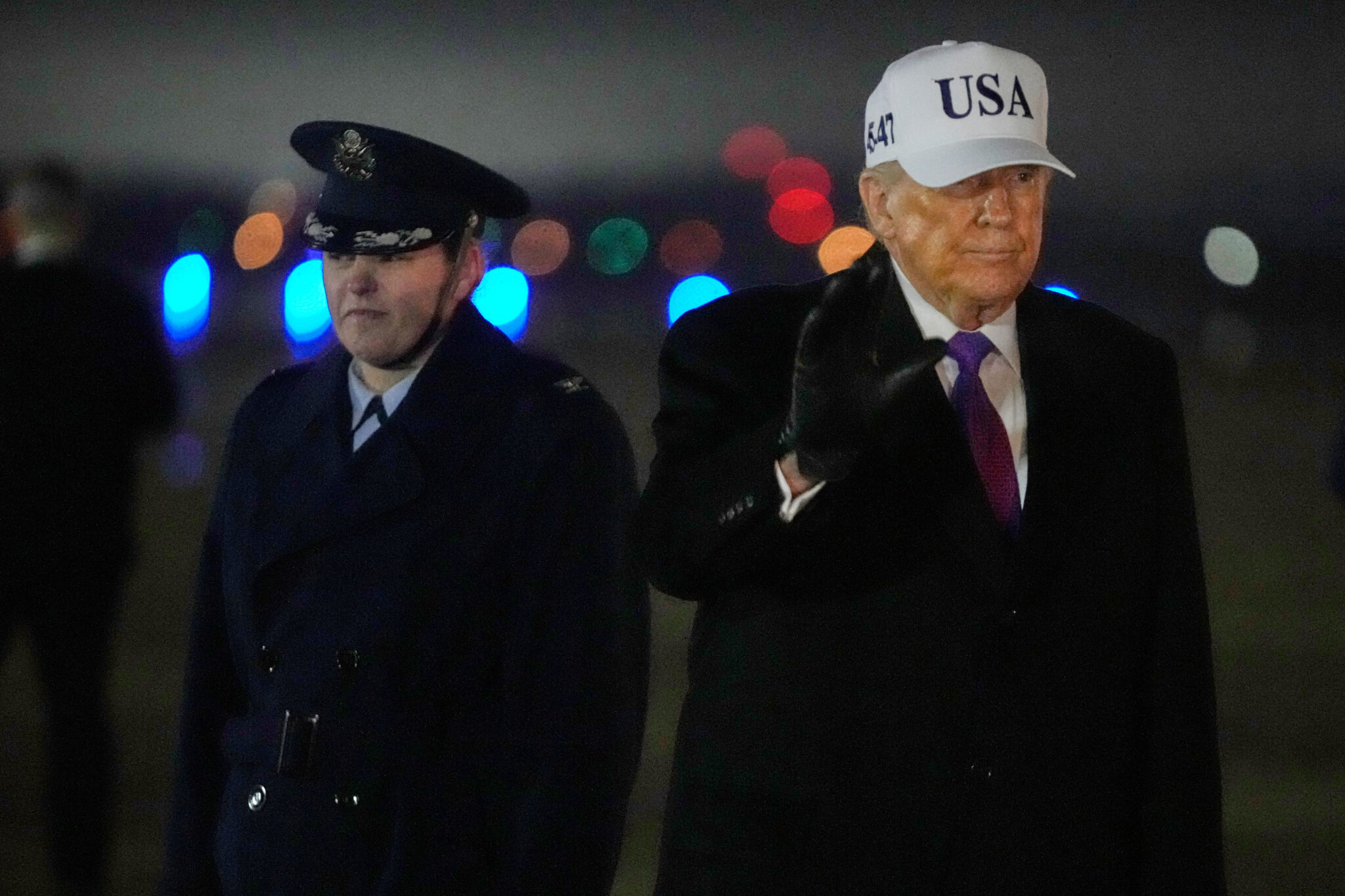
President Donald Trump warned Friday that limited U.S. military strikes against Iran are under consideration, even as Tehran signaled that a proposed nuclear agreement with Washington could be finalized within days.
Asked directly whether the United States might launch limited military action while negotiations continue, Trump replied, “I guess I can say I am considering that.” Later, he added that Iran “better negotiate a fair deal,” reinforcing a tight timeline he has previously set for reaching an agreement.
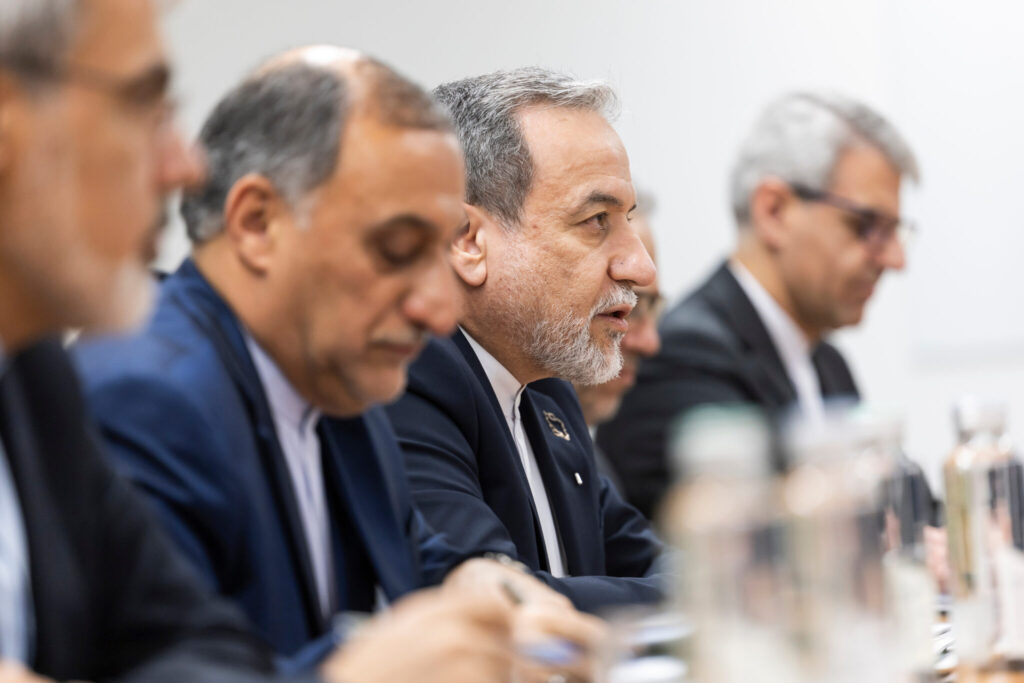
Earlier in the day, Iranian Foreign Minister Abbas Araghchi said Tehran expects to complete a draft deal in the next two to three days following recent indirect talks with U.S. officials.
“I don’t think it takes long,” Araghchi said in a televised interview, adding that formal negotiations on a finalized text could begin within a week.
Military Buildup Intensifies
Diplomatic maneuvering is unfolding alongside a significant U.S. military buildup in the Middle East. The aircraft carrier USS Gerald R. Ford has passed through the Strait of Gibraltar and entered the Mediterranean Sea after being redirected from the Caribbean.
The deployment is part of what analysts describe as one of the largest U.S. force concentrations in the region in decades. Additional warships and aircraft have been positioned closer to Iran, signaling that Washington is prepared to escalate if negotiations collapse.
Both sides have publicly emphasized readiness for conflict. “We are prepared for diplomacy, and we are prepared for negotiation as much as we are prepared for war,” Araghchi said.
Ali Vaez of the International Crisis Group warned that Tehran would likely treat any U.S. military action as an existential threat and respond accordingly.
Core Disputes in Nuclear Talks
The latest round of indirect talks, including discussions in Geneva, has shown limited public progress. The negotiations follow years of deadlock after Trump withdrew the U.S. from the 2015 Iran nuclear deal during his first term.
A key sticking point remains uranium enrichment. Araghchi said American negotiators have not demanded zero enrichment in recent discussions — contradicting public statements from U.S. officials who insist Iran cannot retain enrichment capability.
“What we are now talking about is how to make sure that Iran’s nuclear program, including enrichment, is peaceful and will remain peaceful forever,” Araghchi said.
A White House official, speaking anonymously, maintained that Trump has been clear: Iran must not possess nuclear weapons or the capacity to build them, including enrichment capabilities.
Tehran insists it halted enrichment after U.S. and Israeli strikes last June on its nuclear facilities. Trump previously said those strikes “obliterated” key sites, though the full extent of damage remains unclear as Iran has restricted access to international inspectors.
Western governments remain skeptical of Iran’s assurances that its nuclear program is strictly peaceful.
Congressional Pushback
Trump’s comments about possible military action have drawn scrutiny from lawmakers, particularly Democrats who argue that congressional approval would be required before launching strikes.
Sen. Tim Kaine announced he has filed a war powers resolution requiring the president to seek congressional authorization for military action against Iran. Although such measures face long odds of passage — and would likely encounter a presidential veto — previous war powers votes have demonstrated bipartisan unease over unilateral military decisions.
“If some of my colleagues support war, then they should have the guts to vote for the war,” Kaine said, urging accountability from lawmakers.
A Narrow Diplomatic Window
Trump said earlier this week that 10 to 15 days should be sufficient for Iran to reach a deal. With Tehran promising a draft proposal within days, negotiators may soon face a decisive moment.
The situation reflects a high-stakes balancing act: diplomacy unfolding in parallel with visible military pressure. For both sides, the coming days could determine whether tensions de-escalate through agreement or edge closer to confrontation.
As negotiations continue, global markets and regional allies are watching closely, aware that even limited military action could trigger broader instability across the Middle East.