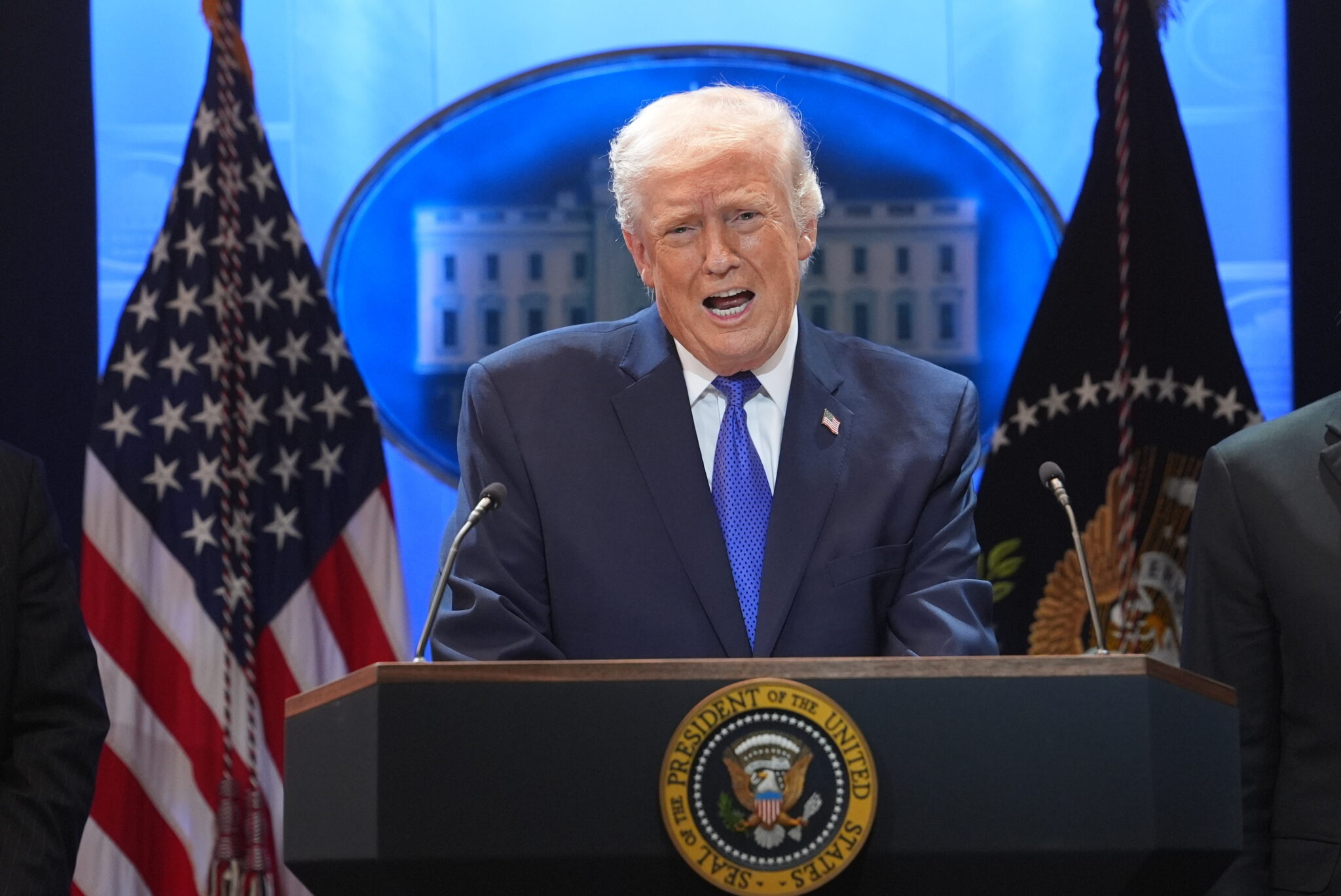
Trump Promises New Levies after Supreme Court Tariffs Ruling/ Newslooks/ WASHINGTON/ J. Mansour/ Morning Edition/ The Supreme Court struck down President Donald Trump’s sweeping global tariffs in a 6-3 decision. Trump sharply criticized the ruling and pledged to impose new tariffs under alternative laws. The decision could reshape global trade policy and trigger refund battles over billions collected.
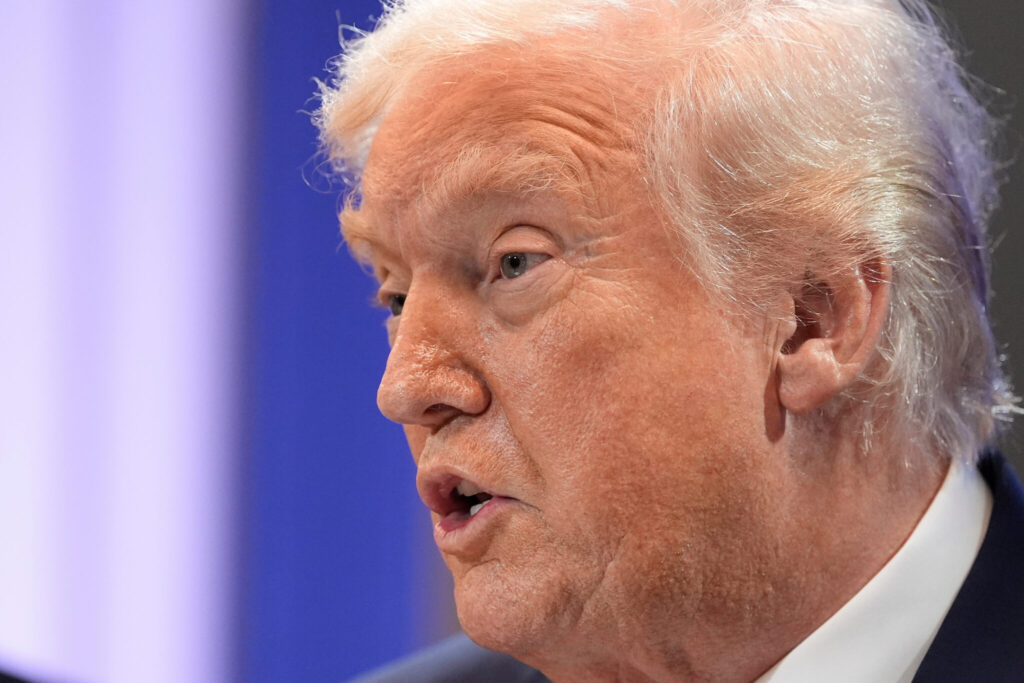
Supreme Court Blocks Trump Tariffs, President Vows Response Quick Looks
- 6-3 ruling invalidates emergency-based global tariffs
- Court says taxation power belongs to Congress
- Trump blasts justices, praises dissent
- New 10% tariff proposed under Section 122
- Billions in collected tariffs now in question
- Businesses seek refunds in lower courts
- European Union seeks clarity on next steps
- Major questions doctrine cited in decision
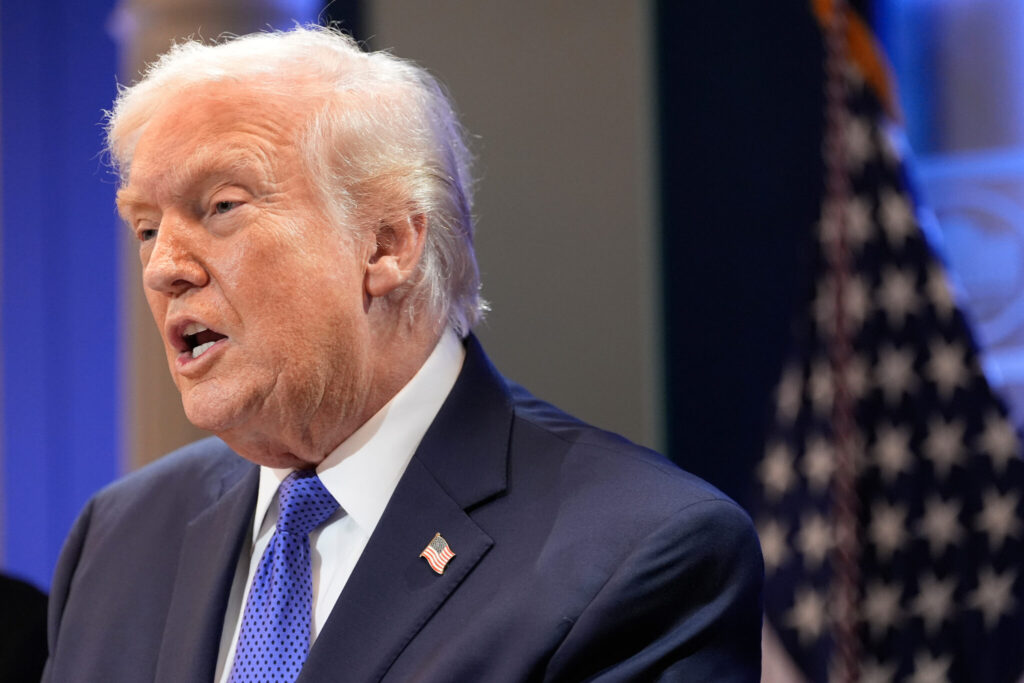
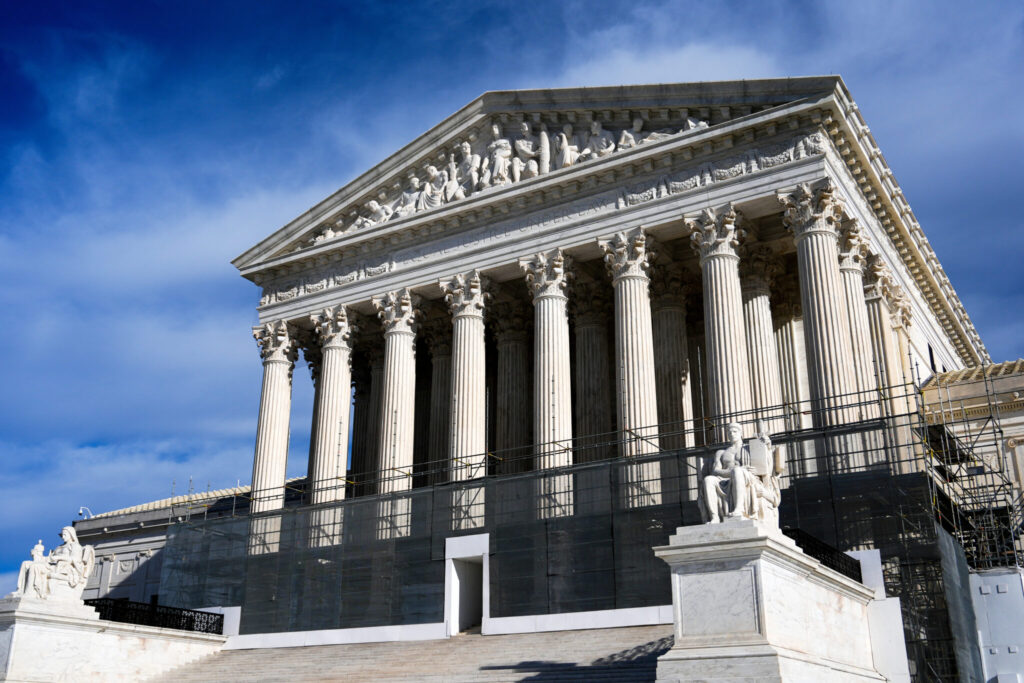
Deep Look: Trump Slams Supreme Court, Promises New Levies after Tariffs Ruling
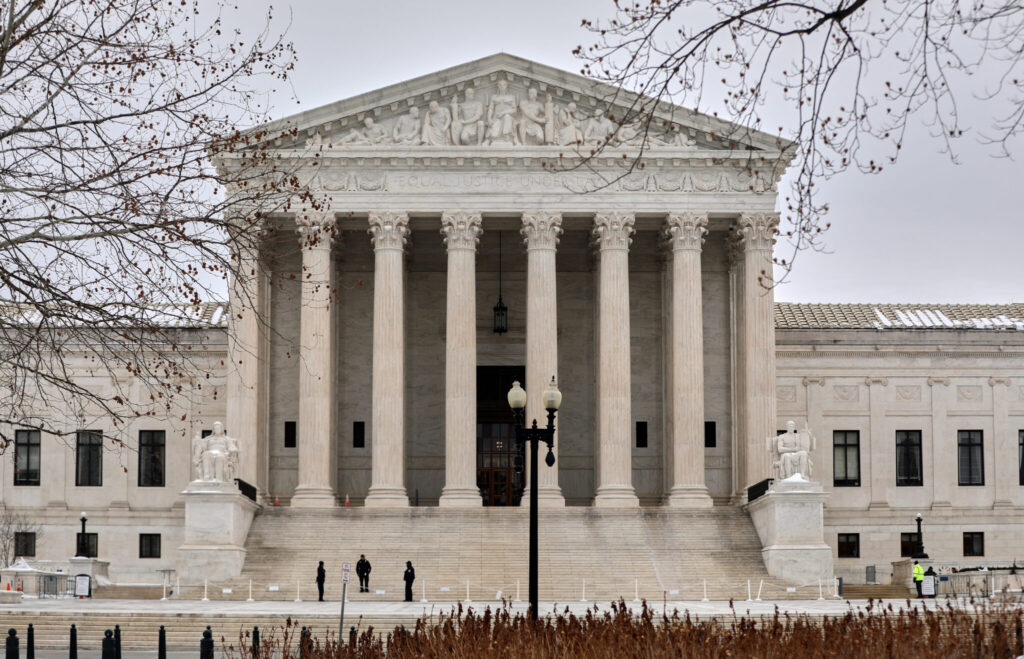
The Supreme Court of the United States delivered a major rebuke to President Donald Trump on Friday, striking down his sweeping global tariffs and triggering an immediate political and economic backlash.
In a 6-3 decision, the court ruled that Trump exceeded his constitutional authority when he imposed broad import taxes under the International Emergency Economic Powers Act (IEEPA), a 1977 law traditionally used to sanction foreign adversaries — not to levy tariffs.
Trump reacted with fury, saying he was “absolutely ashamed” of certain justices and accusing members of the majority of being “disloyal to our Constitution.” He praised the dissent authored by Justice Brett Kavanaugh as “genius” and suggested the court’s ruling was incorrect but ultimately surmountable.
“Their decision is incorrect,” Trump said. “But it doesn’t matter because we have very powerful alternatives.”
Court Reaffirms Congressional Taxing Power
Writing for the majority, Chief Justice John Roberts emphasized that the Constitution clearly assigns the power to tax — including tariffs — to Congress, not the executive branch.
“The Framers did not vest any part of the taxing power in the Executive Branch,” Roberts wrote.
The majority included three conservative justices alongside the court’s three liberal members. Justices Brett Kavanaugh, Samuel Alito and Clarence Thomas dissented, arguing that the president’s actions were lawful under the text and history of the emergency powers statute.
The ruling leaned in part on the “major questions doctrine,” a legal principle requiring clear congressional authorization for actions of vast economic and political significance. Roberts wrote that no exception to that doctrine exists for emergency statutes.
Trump had argued that tariffs are a central component of foreign policy, where presidential authority is traditionally stronger. The majority rejected that reasoning, stating that implications for international relations do not override constitutional limits.
Ripple Effects for Global Trade
The invalidated tariffs included Trump’s so-called “reciprocal” duties imposed on nearly every country in April 2025, as well as earlier levies targeting Canada, China and Mexico tied to trade deficits and drug trafficking concerns.
The Treasury had collected more than $133 billion under the emergency tariff regime as of December, according to federal data. Over the next decade, the economic impact had been estimated at roughly $3 trillion.
The court did not resolve whether importers are entitled to refunds for the billions already paid. Justice Kavanaugh, in dissent, warned that any repayment process could become “a mess.” Numerous businesses — including major retailers and small companies — have already filed lawsuits seeking reimbursement.
Neal Katyal, who argued the case for a coalition of small businesses, called the ruling a “complete and total victory” and a reaffirmation that Congress, not the president, controls taxation authority.
Trump Vows New Tariffs
Despite the setback, Trump immediately pledged to impose new levies using other statutory authorities. He announced plans for a 10% global tariff under Section 122 of the Trade Act of 1974, a provision that allows temporary duties for up to 150 days.
“Their decision made it more crystal clear what we can do,” Trump said, asserting that he could ultimately impose even higher tariffs through alternative means.
The decision does not prevent Trump from continuing to use other trade tools, including Section 232 national security tariffs and Section 301 measures targeting unfair trade practices. However, those mechanisms require investigations and procedural steps, limiting the speed of action compared with emergency powers.
Political Divide Sharpens
The ruling deepened partisan tensions in Washington.
Vice President JD Vance described the decision as “lawlessness,” while House Democratic Leader Hakeem Jeffries called it “a big victory for the American people.” Republican House Speaker Mike Johnson defended Trump’s tariff strategy, saying it generated billions in revenue and strengthened U.S. trade leverage.
International partners are now seeking clarity. A spokesperson for the European Commission said the European Union remains in close contact with the U.S. administration to understand how Washington will proceed.
Businesses React
Retailers and small businesses that challenged the tariffs celebrated the ruling.
The National Retail Federation said the decision provides “much needed certainty.” Learning Resources, an Illinois-based toy company involved in the lawsuit, welcomed the outcome but acknowledged that further tariffs could follow.
Ann Robinson, owner of Scottish Gourmet in North Carolina, said she was “doing a happy dance” after learning of the decision. The 10% baseline tariff on U.K. goods had cost her company roughly $30,000 during the fall season. Still, she expressed uncertainty about the administration’s next move.
What Comes Next?
The Supreme Court’s decision marks a defining moment in Trump’s second-term economic agenda. While it curtails the use of emergency powers to impose sweeping global tariffs, it leaves intact other trade authorities that could be used to reconstruct parts of the tariff framework.
The ruling also underscores constitutional limits on executive power at a time when the president has sought expansive authority across immigration, trade, and federal spending.
For global markets and American businesses alike, the immediate question is not whether tariffs will return — but under which legal mechanism and how soon.