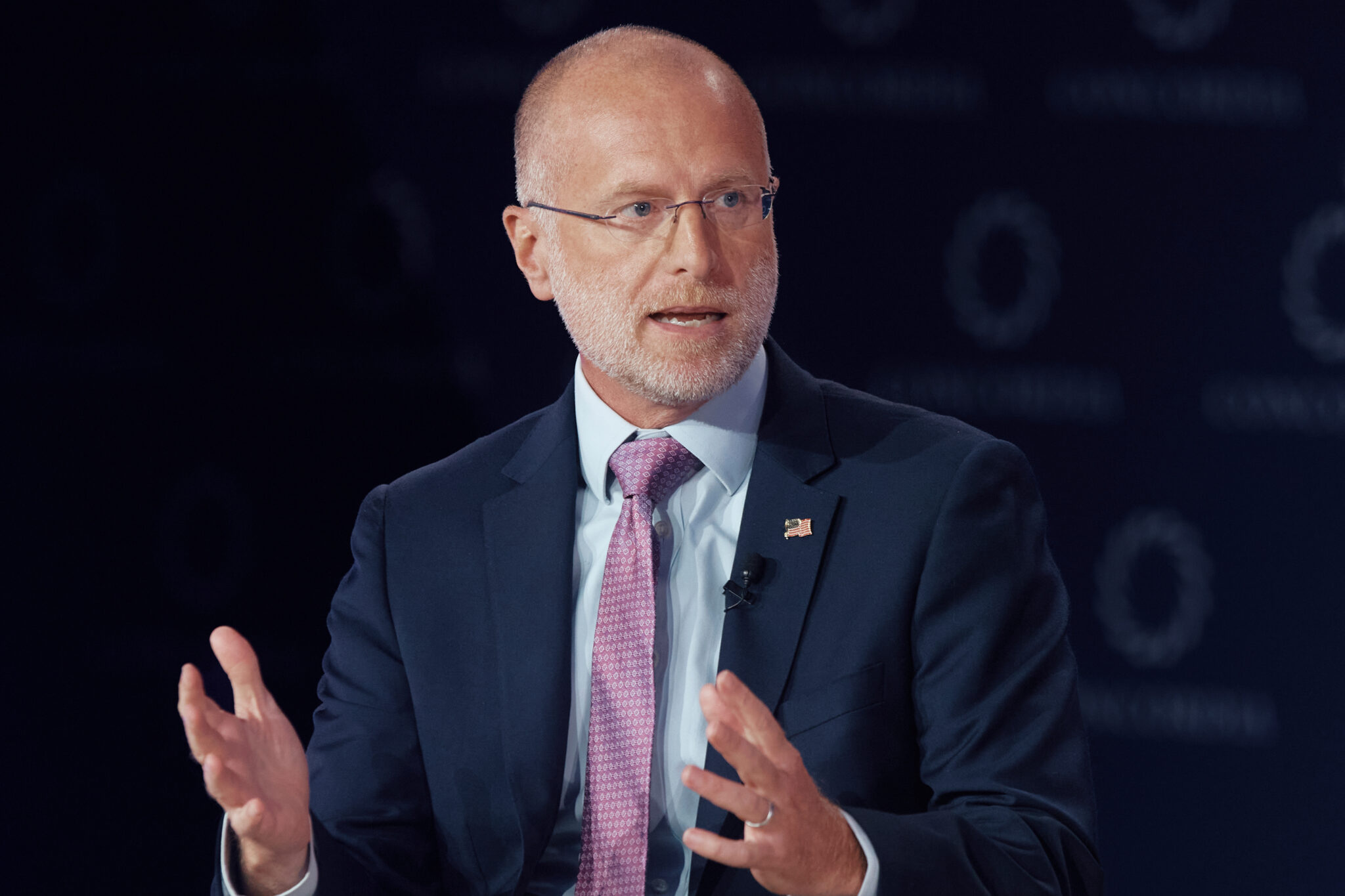
FCC’s Carr Urges Broadcasters to Air ‘Patriotic, Pro-America’ Content/ Newslooks/ WASHINGTON/ J. Mansour/ Morning Edition/ FCC Chair Brendan Carr is urging broadcasters to air “patriotic, pro-America content” ahead of the nation’s 250th anniversary. The voluntary “Pledge America Campaign” aligns with White House efforts to promote American exceptionalism. Critics argue the move risks government overreach and First Amendment concerns.
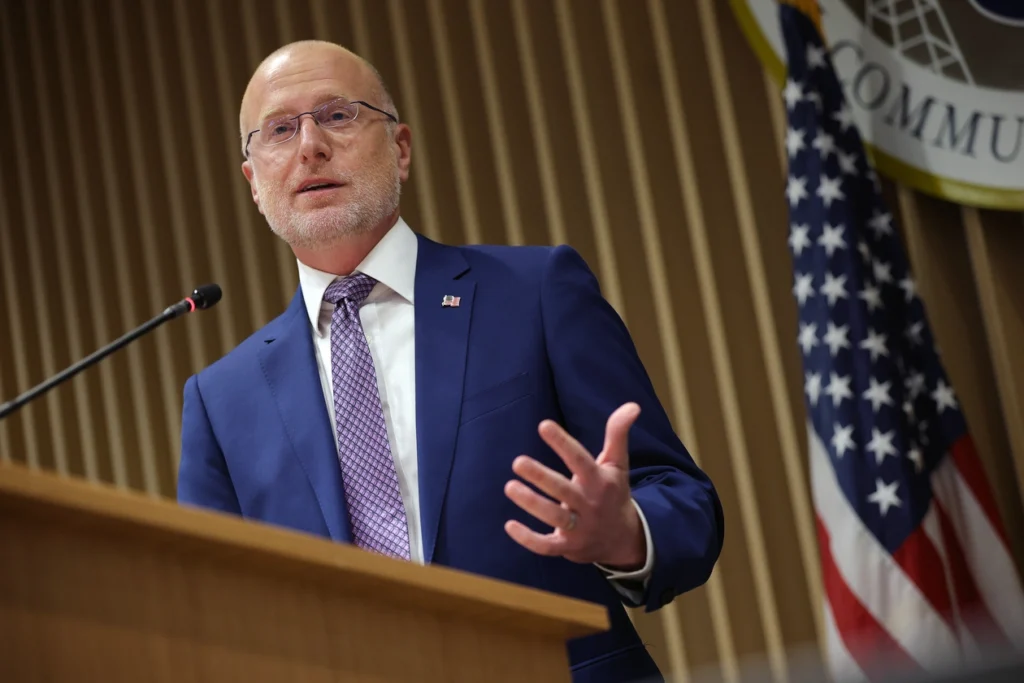
FCC Chair Urges Patriotic Programming For America 250 Quick Looks
- FCC calls for “patriotic, pro-America” programming
- Initiative tied to America’s 250th anniversary celebrations
- Voluntary “Pledge America Campaign” launched
- Suggested content includes civic education, history specials
- Critics warn of potential First Amendment concerns
- Broadcasters face pending FCC regulatory decisions
- Democratic Commissioner Anna Gomez voices opposition
Deep Look: FCC’s Carr Urges Broadcasters to Aair ‘Patriotic, Pro-America’ Content
The chair of the Federal Communications Commission is encouraging U.S. broadcasters to ramp up patriotic programming as the country prepares to mark its 250th anniversary.
In a statement Friday, FCC Chair Brendan Carr called on television and radio stations to air “patriotic, pro-America content” that promotes civic education, national pride and the nation’s shared history.
“As America’s 250th anniversary approaches, it is important to reflect on the ideals and events that have defined our past while keeping an eye toward our country’s bright future,” Carr said, urging broadcasters to commit to special programming tied to the milestone.
White House Push for American Exceptionalism
Carr’s appeal aligns with broader efforts by President Donald Trump’s administration to frame the upcoming semiquincentennial as a celebration of American exceptionalism.
The White House has taken an active role in planning anniversary festivities surrounding the Fourth of July and has reviewed cultural institutions, including Smithsonian exhibits, to ensure they reflect themes consistent with that message.
Under the FCC’s new voluntary initiative — dubbed the “Pledge America Campaign” — broadcasters are invited to participate by airing public service announcements, running historical specials or incorporating civic education segments into regular news programming.
The agency also suggested daily recitations of the Pledge of Allegiance, playing the national anthem, or featuring works by American composers such as John Philip Sousa, Duke Ellington and George Gershwin.
Carr has increasingly integrated patriotic elements into FCC proceedings as well, including opening monthly commission meetings with the Pledge of Allegiance.
Industry and Free Speech Concerns
While the campaign is voluntary, critics question whether broadcasters will feel indirect pressure to comply — particularly as many companies have pending mergers, license renewals or regulatory matters before the FCC.
Some media observers argue that the initiative blurs the line between encouragement and government influence over editorial content.
Recent tensions illustrate the broader debate. CBS late-night host Stephen Colbert accused network lawyers of adjusting programming decisions in response to FCC equal-time guidance involving an interview with Democratic Senate candidate James Talarico — an allegation the network denied. Carr dismissed Colbert’s claims, saying the host had other options to air the interview.
Commissioner Anna Gomez, the FCC’s lone Democrat, sharply criticized the patriotic programming push. In a social media post, she argued that defending constitutional rights — including freedom of speech — is itself an American value.
“Nothing is more American than defending our constitutional rights against those who would erode our civil liberties,” Gomez wrote, suggesting broadcasters could participate in the campaign by resisting government interference.
Civic Education or Government Overreach?
Carr defended the initiative by citing concerns about declining civic knowledge, noting that classic educational programs such as “Schoolhouse Rock!” are no longer widely broadcast.
Supporters say the campaign provides an opportunity to reinforce shared civic values ahead of a historic national milestone. Detractors, however, warn that even voluntary government campaigns targeting media content risk chilling independent journalism.
As the United States approaches its 250th anniversary, the debate underscores broader tensions between patriotic celebration, media independence and constitutional safeguards.