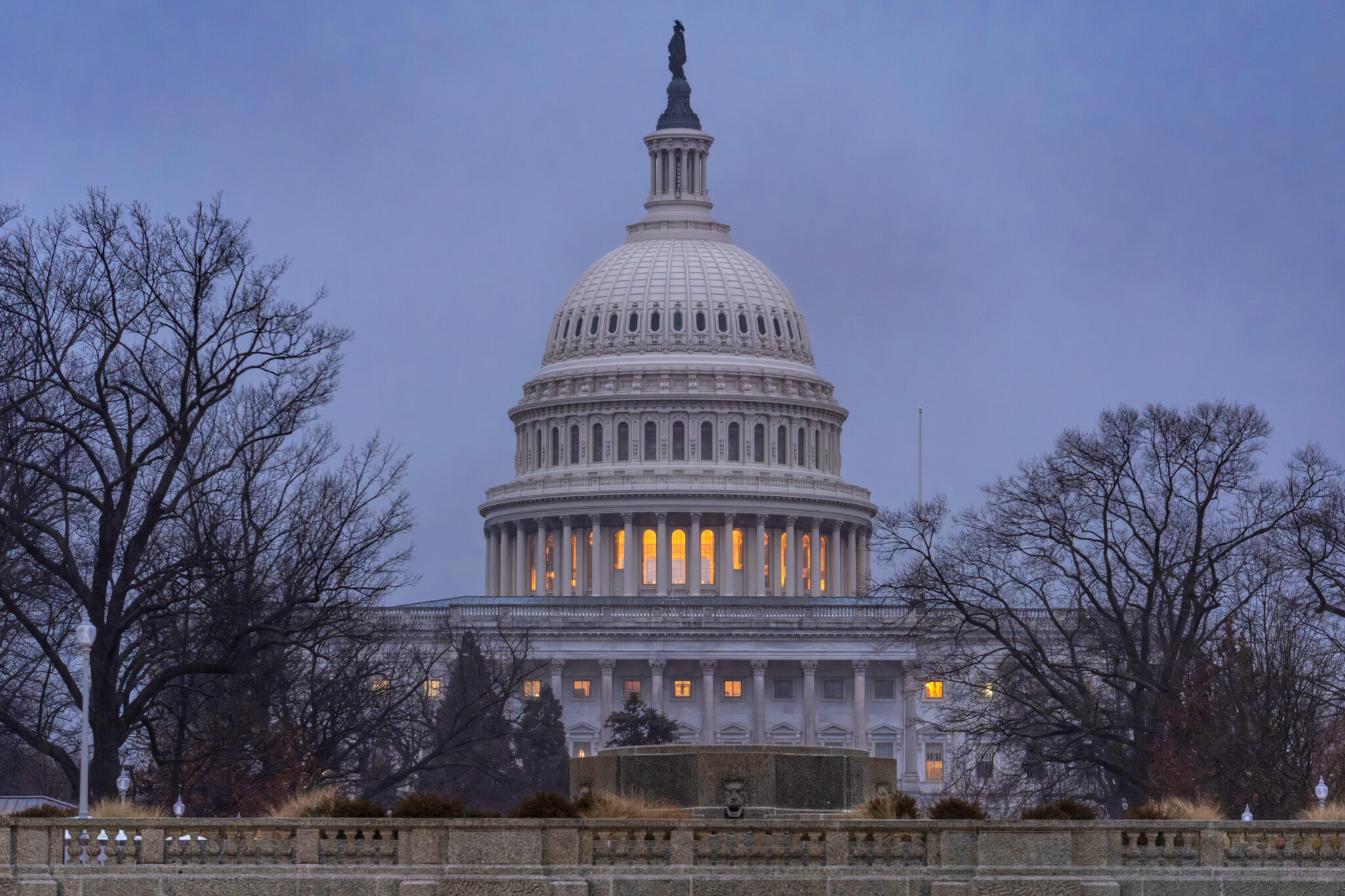
Democrats Demand $175 Billion Refunds After Supreme Court Tariff Ruling/ Newslooks/ WASHINGTON/ J. Mansour/ Morning Edition/ Senate Democrats introduced legislation requiring the federal government to refund $175 billion in tariff revenues ruled illegal by the Supreme Court. The proposal would mandate U.S. Customs and Border Protection to issue refunds within 180 days, including interest payments. The debate intensifies ahead of midterm elections as Republicans argue refunds should be settled through ongoing litigation.
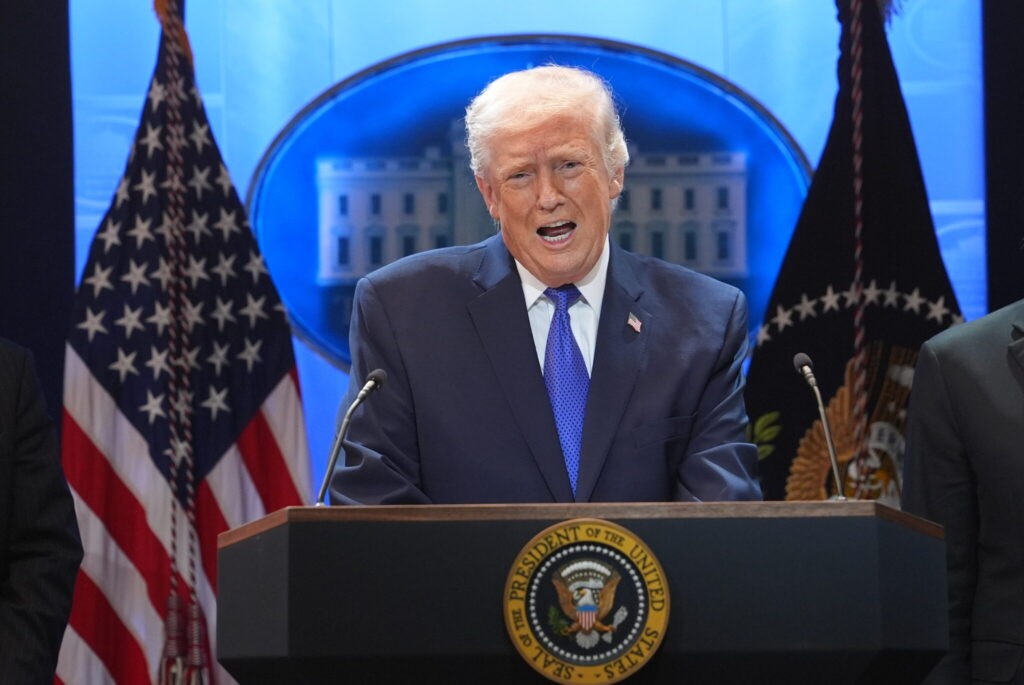
Trump Tariff Refund Bill Quick Looks
- $175 billion in tariff revenue at stake
- Supreme Court ruled Trump tariff orders illegal
- Refunds to be issued within 180 days
- Small businesses prioritized
- Interest payments included
- Administration says refunds depend on further court rulings
- Average potential refund: $1,300 per U.S. household
- Issue could shape upcoming midterm elections

Deep Look: Democrats Demand $175 Billion Refunds After Supreme Court Tariff Ruling
A group of Senate Democrats is calling on the federal government to return roughly $175 billion in tariff revenues collected under orders issued by President Donald Trump, after the Supreme Court of the United States ruled the tariffs were imposed illegally.
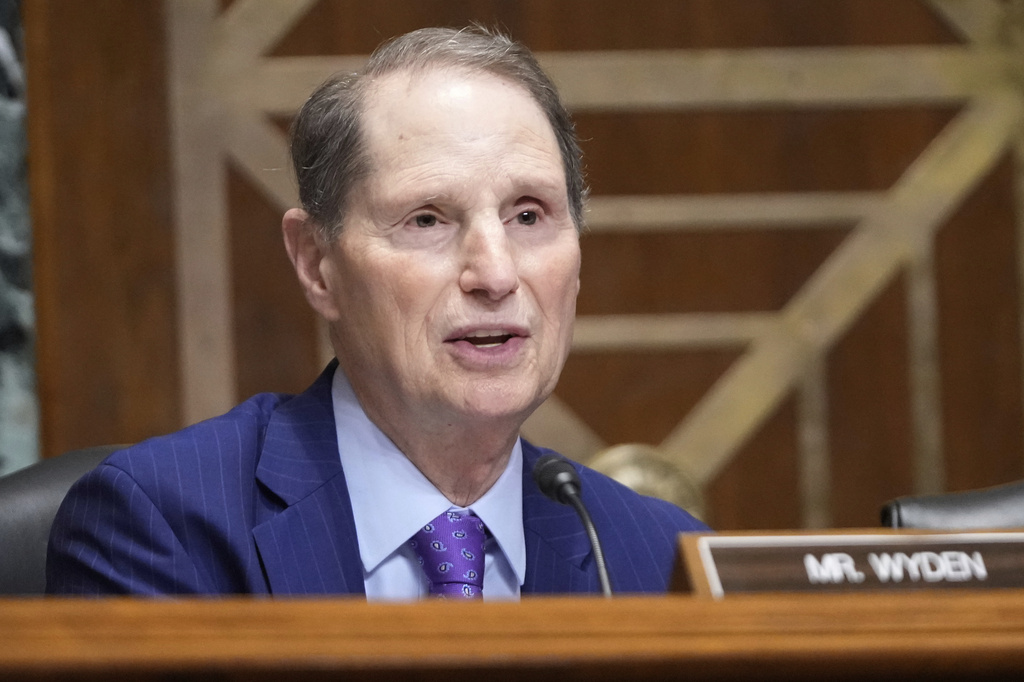
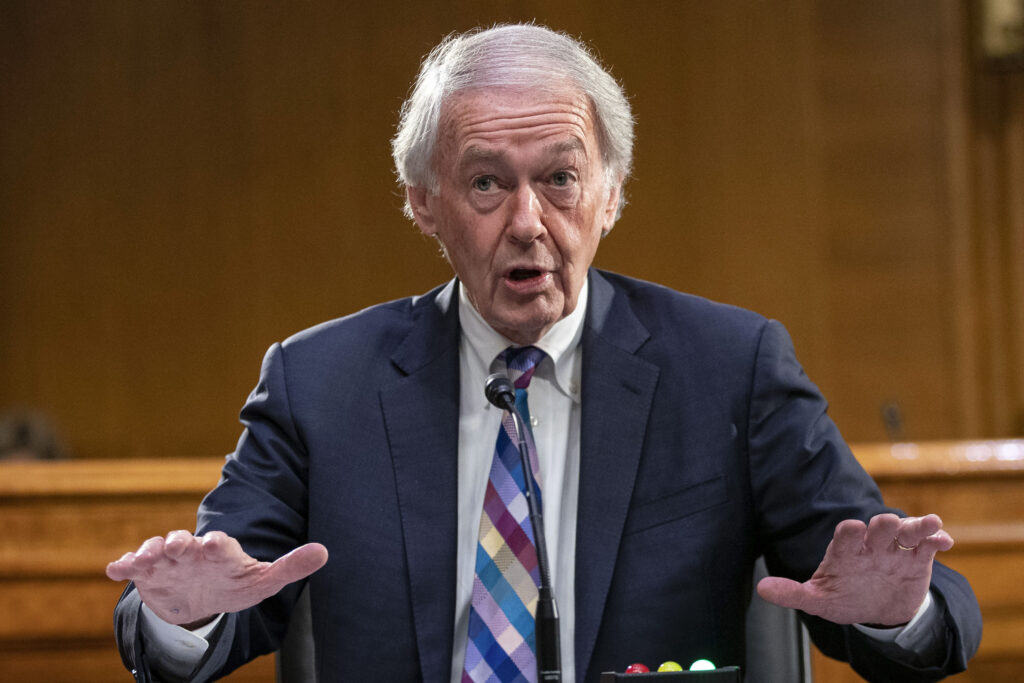
Sens. Ron Wyden, Ed Markey, and Jeanne Shaheen unveiled legislation Monday that would require U.S. Customs and Border Protection to distribute refunds over a 180-day period. The bill would also mandate interest payments on the returned funds.
The senators argue that the tariffs — implemented under Trump’s interpretation of the International Emergency Economic Powers Act — functioned as an illegal tax on American businesses and consumers.
Democrats Frame Tariffs as Illegal Tax Hike
Wyden described the tariffs as an “illegal tax scheme” that inflicted financial harm on families, manufacturers, and small businesses through successive waves of import duties.
‘According to estimates from the University of Pennsylvania’s Penn Wharton Budget Model, refunds could total $175 billion — equivalent to approximately $1,300 per U.S. household. However, economists note that the economic burden of tariffs was unevenly distributed, with some companies passing costs to consumers while others absorbed them internally.
The proposed legislation would prioritize small businesses in processing refunds. It also encourages importers and wholesalers to pass refunded funds back to customers, though enforcement mechanisms remain unclear.
Markey emphasized that smaller companies often lack the legal and administrative resources to navigate complex refund claims, arguing that a streamlined federal process is necessary to prevent further disadvantage.
Shaheen added that reimbursing the tariff revenues is a “crucial first step” toward addressing higher consumer prices that followed the trade measures.
Supreme Court Ruling Changes Political Landscape
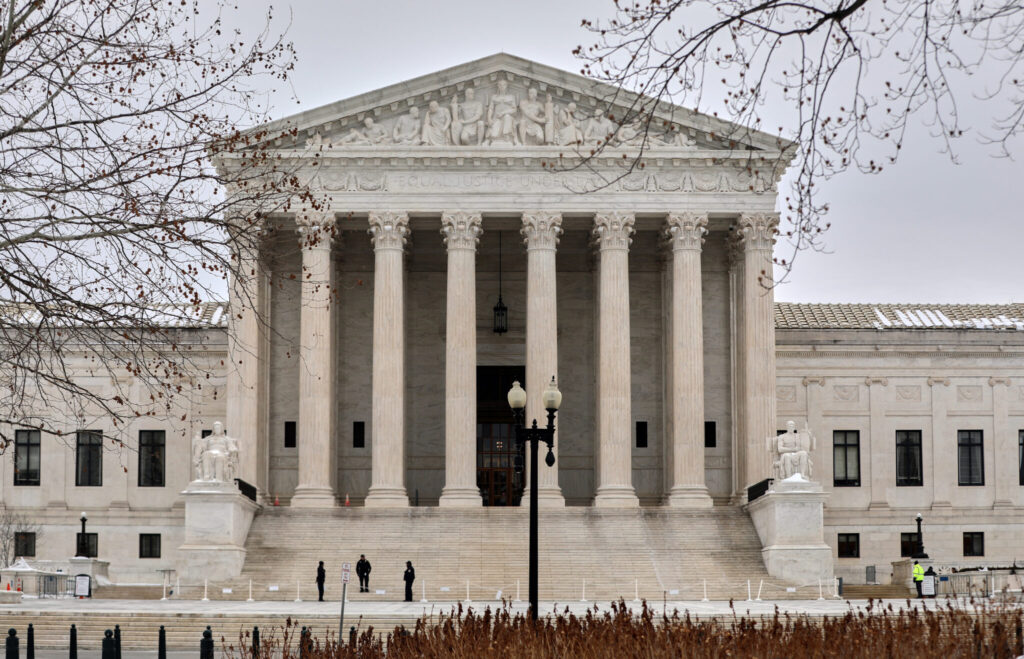
The Supreme Court issued a 6-3 decision on Friday invalidating the set of tariff orders at the center of the dispute. However, the ruling did not directly address the mechanics of refunding previously collected revenues.
That omission has become the focal point of political contention.
The Trump administration maintains that refunds must be determined through additional litigation in lower courts. Treasury Secretary Scott Bessent said in a Sunday interview that discussing refunds is “bad framing” because the high court did not mandate repayment.
“It is not up to the administration — it is up to the lower court,” Bessent said, indicating the White House would await judicial guidance before taking action.
Trump himself suggested that legal battles over the issue could stretch on for years, potentially extending beyond his time in office.
Midterm Implications
The refund debate emerges as both parties prepare for November’s congressional midterm elections. Democrats are framing the tariffs as an unlawful tax increase that the administration is now reluctant to reverse. Republicans, meanwhile, had hoped to campaign on income tax cuts signed into law last year, promoting tax relief as a core achievement.
If the administration declines to proactively return the funds, GOP lawmakers may face difficult questions from constituents about why billions in invalidated tariff revenues remain in federal coffers.
Complex Economic Questions
Structuring refunds poses significant logistical challenges. Tariff costs flowed through supply chains in varied ways: some importers paid duties directly, others passed costs to wholesalers or retailers, and many consumers ultimately absorbed price increases at checkout.
Determining who qualifies for reimbursement — and how much — would require careful accounting across industries ranging from manufacturing to retail.
Trump has previously argued that issuing refunds could increase federal debt and undermine economic stability. Supporters of the tariffs maintain that they strengthened U.S. negotiating leverage abroad and boosted government revenue.
The legal foundation for the tariffs rested on the International Emergency Economic Powers Act of 1977, which grants presidents broad authority during national emergencies. The Supreme Court’s ruling now narrows how that authority can be applied in trade policy.
What Comes Next?
Although the Democratic bill faces steep odds in a divided Congress, it intensifies public pressure on the administration. Whether refunds materialize through legislation or litigation, the issue is likely to remain politically potent throughout the year.
For businesses and consumers who bore the cost of tariffs, the central question remains unresolved: if the duties were unlawful, who — and how quickly — will be made whole?