US-Iran Nuclear Talks Resume in Geneva as Military Tensions Rise/ Newslooks/ WASHINGTON/ J. Mansour/ Morning Edition/ The United States and Iran resumed indirect nuclear negotiations in Geneva as U.S. military forces expand their presence in the Middle East. President Donald Trump is pushing for stricter limits on Iran’s uranium enrichment and missile programs. Diplomats report cautious progress, but regional tensions remain high amid threats of possible military action.
US-Iran Nuclear Talks in Geneva Quick Looks
- Third round of indirect talks since June conflict
- Negotiations mediated by Oman in Geneva
- Trump seeks full halt to uranium enrichment
- Iran insists on right to peaceful nuclear development
- U.S. military buildup heightens regional tensions
- Iran warns U.S. bases would be targeted if attacked
- Oil prices rise amid fears of escalation

Deep Look: US-Iran Nuclear Talks Resume in Geneva as Military Tensions Rise
GENEVA — The United States and Iran resumed indirect negotiations Thursday aimed at curbing Tehran’s nuclear program and avoiding a potential military confrontation, as American forces continue massing aircraft and naval assets across the Middle East.
The high-stakes discussions in Switzerland come amid renewed diplomatic efforts to revive or replace prior nuclear agreements that unraveled following last year’s conflict. President Donald Trump has signaled he wants a comprehensive deal that would sharply constrain Iran’s uranium enrichment, missile development and regional proxy activities.
Iran, for its part, maintains that its nuclear program is peaceful and insists it will not negotiate beyond atomic-related issues.
Diplomatic Engagement Under Pressure
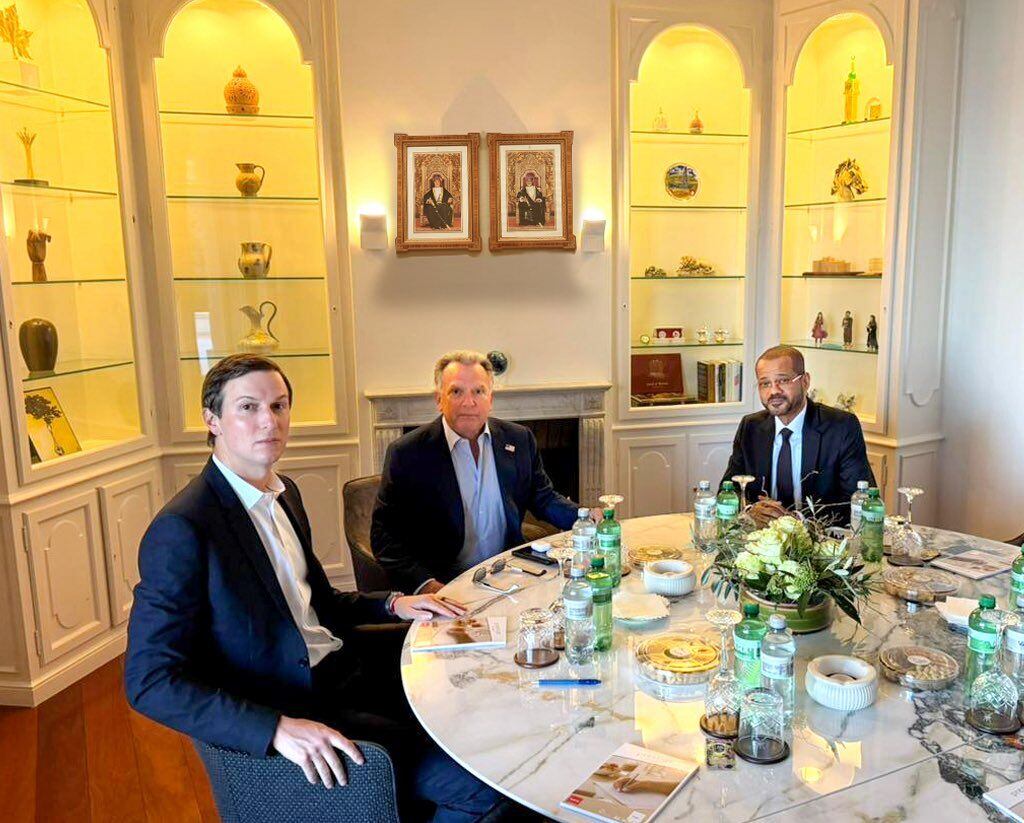
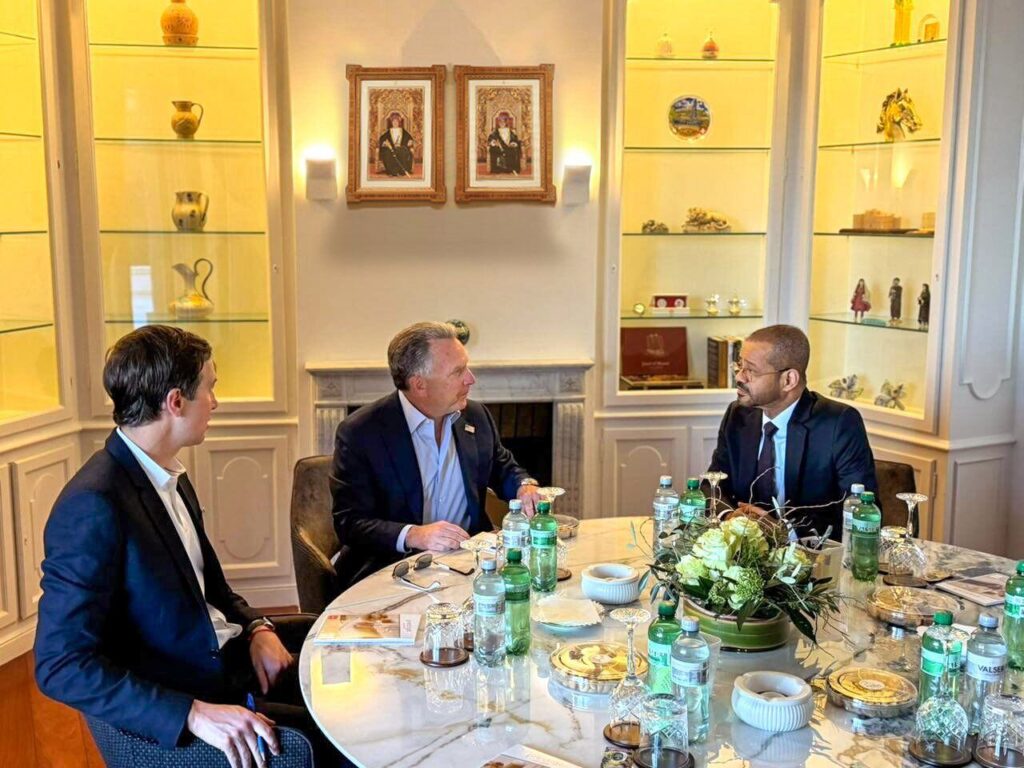
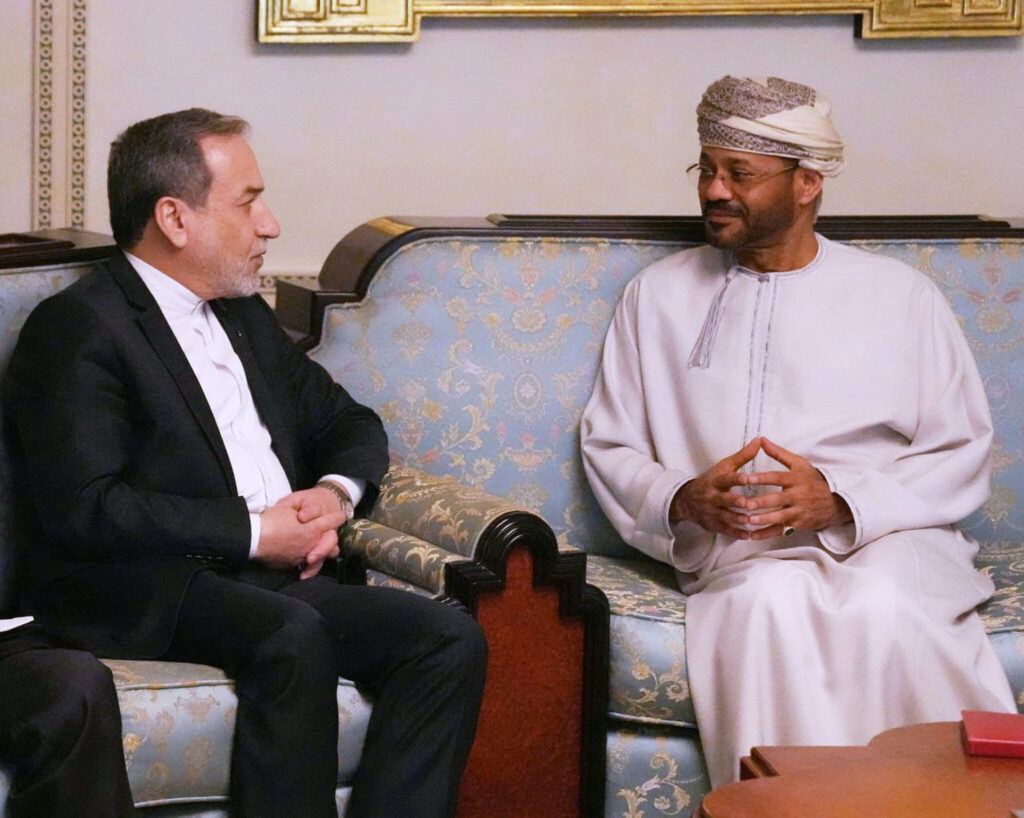
The talks are being mediated by Oman, which has long acted as a quiet intermediary between Tehran and Washington. Iranian Foreign Minister Abbas Araghchi is leading Tehran’s delegation, while U.S. Special Envoy Steve Witkoff heads the American team, accompanied by Jared Kushner.
Omani Foreign Minister Badr al-Busaidi said negotiators exchanged “creative and positive ideas” during roughly three hours of meetings before adjourning to consult their governments.
Iranian Foreign Ministry spokesperson Esmail Baghaei described the discussions as “very intensive,” adding that both nuclear constraints and sanctions relief were on the table. He said the sides would reconvene later in the day.
Ali Vaez of the International Crisis Group noted that continued engagement itself was encouraging.
“There might still not be a breakthrough at the end of this day,” Vaez said, “but the fact that the U.S. team is returning shows there is enough common ground.”
Background: Collapse of Prior Talks
This marks the third round of indirect discussions since last June’s 12-day war, when Israel launched strikes against Iran and the United States carried out heavy attacks on Iranian nuclear sites. While significant damage was reported, the full extent of the destruction to Iran’s program remains uncertain.
Following the collapse of earlier diplomatic efforts, Washington now seeks a more sweeping agreement. Trump has called for Iran to completely halt uranium enrichment, dismantle aspects of its long-range missile program and end support for armed groups such as Hamas and Hezbollah.
Tehran has rejected those broader demands, asserting its right under international law to enrich uranium for civilian purposes. Iranian officials say enrichment has been paused since June but have restricted access to certain nuclear sites for inspectors from the International Atomic Energy Agency (IAEA).
Satellite imagery reviewed by The Associated Press shows activity at bombed nuclear facilities, suggesting Iran may be assessing damage or attempting to recover material.
Nuclear Concerns and Intelligence Assessments
Before the 2015 nuclear deal — which Trump withdrew from during his first term — Iran had enriched uranium up to 60% purity, close to weapons-grade levels of 90%. Western intelligence agencies say Iran halted a structured nuclear weapons program in 2003 but retains technical capabilities that could accelerate weapons development if leadership made that decision.
U.S. Secretary of State Marco Rubio said this week that Iran appears to be positioning itself to rebuild elements of its nuclear infrastructure, though he noted Tehran is not currently enriching uranium.
Iranian leaders continue to insist their atomic ambitions are peaceful, even as some officials publicly suggest the country could produce a nuclear device if it chose to do so.
Military Buildup Raises Stakes
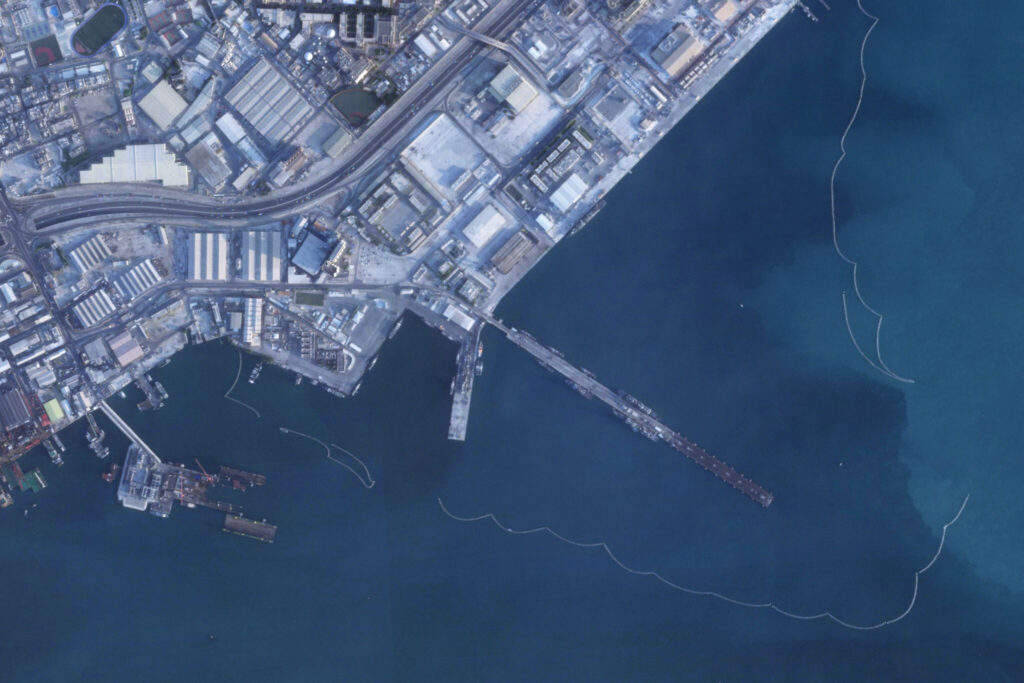
Diplomacy is unfolding against a backdrop of heightened military readiness. Satellite imagery indicates U.S. naval vessels typically docked in Bahrain — home to the U.S. Navy’s Fifth Fleet — have been dispersed at sea, a move often used to reduce vulnerability in times of potential conflict.
If negotiations fail, uncertainty surrounds the timing and scope of possible U.S. military action. Analysts say limited strikes aimed at pressuring Iran may not achieve lasting results, while broader operations targeting leadership could trigger prolonged regional instability.
Iran has warned that U.S. bases across the region would be considered legitimate targets in the event of an attack. Tehran has also threatened retaliation against Israel, raising fears of a wider Middle East conflict.
Iran previously signaled its leverage by temporarily disrupting traffic through the Strait of Hormuz, a strategic waterway that handles roughly one-fifth of global oil shipments.
Oil markets have responded to the renewed tension. Benchmark Brent crude is trading around $70 per barrel, reflecting concerns about potential supply disruptions.
A Narrow Path Forward
Iranian Foreign Minister Araghchi cautioned that war would bring devastation across the region.
“There would be no victory for anybody,” he said in an interview before departing for Geneva. “It is a very terrible scenario.”
With diplomacy ongoing and military forces on alert, the Geneva talks represent a fragile but critical opportunity to de-escalate tensions. Whether negotiators can bridge deep differences over enrichment limits, sanctions relief and regional security remains uncertain.
For now, both sides appear willing to keep talking — a development that offers cautious hope in a volatile geopolitical moment.