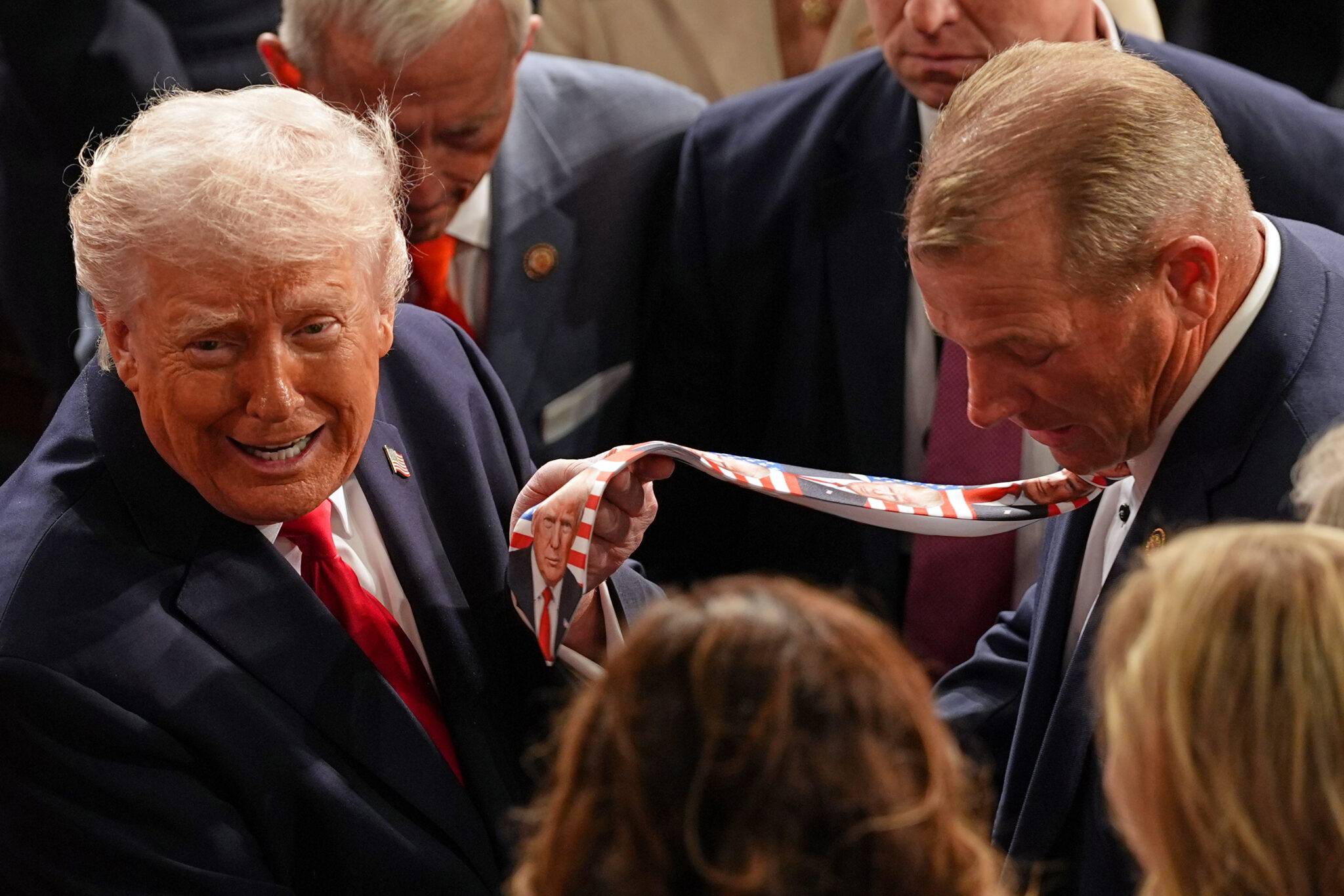
Trump-Backed Voting Bill Faces Senate Roadblocks/ Newslooks/ WASHINGTON/ J. Mansour/ Morning Edition/ A Republican bill requiring proof of citizenship to vote has stalled in the Senate despite President Donald Trump’s demand for swift passage. GOP leaders are divided over whether to force a “talking filibuster” to overcome Democratic opposition. The debate exposes internal Republican tensions and high political stakes ahead of midterm elections.
Senate stalls GOP voter ID bill Quick Looks
- President Trump urged Congress to pass the SAVE America Act “before anything else.”
- Senate Majority Leader John Thune says Republicans lack a unified strategy.
- GOP leaders are considering reviving a “talking filibuster” to bypass Democrats.
- Republicans hold a 53-47 majority but need 60 votes to end debate under current rules.
- Some GOP senators oppose weakening the legislative filibuster.
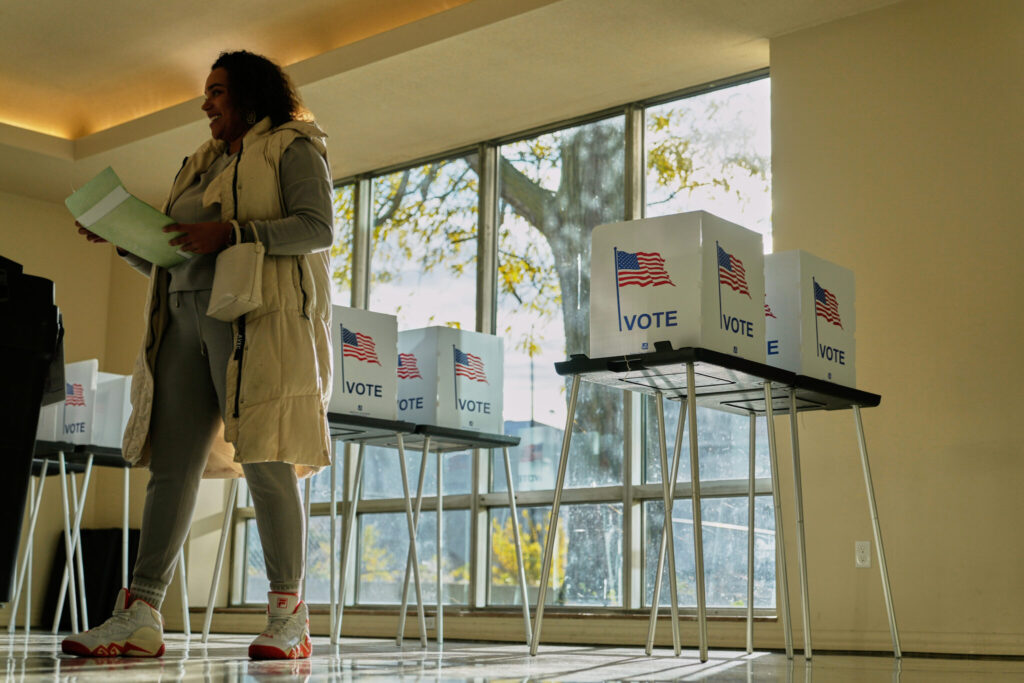
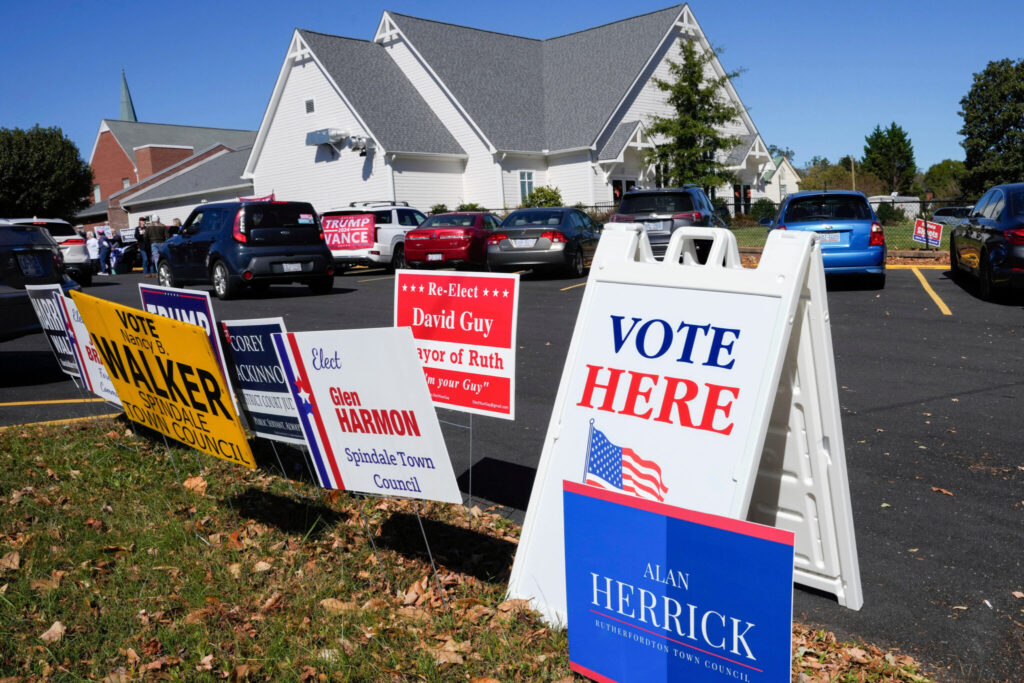
- The bill would require proof of citizenship and photo ID to vote.
- Democrats warn it would disenfranchise millions of eligible voters.
- The House passed the bill 218-213 along party lines.
Deep Look: Trump-Backed Voting Bill Faces Senate Roadblocks
WASHINGTON — A Republican-backed voter identification bill aimed at tightening proof-of-citizenship requirements has stalled in the Senate, even after President Donald Trump publicly demanded lawmakers prioritize it “before anything else.”
The legislation, known as the Safeguard American Voter Eligibility Act, or SAVE America Act, cleared the House earlier this month on a near party-line vote. But in the Senate, where Republicans hold a 53-47 majority, the path forward remains uncertain as party leaders grapple with procedural hurdles and internal divisions.
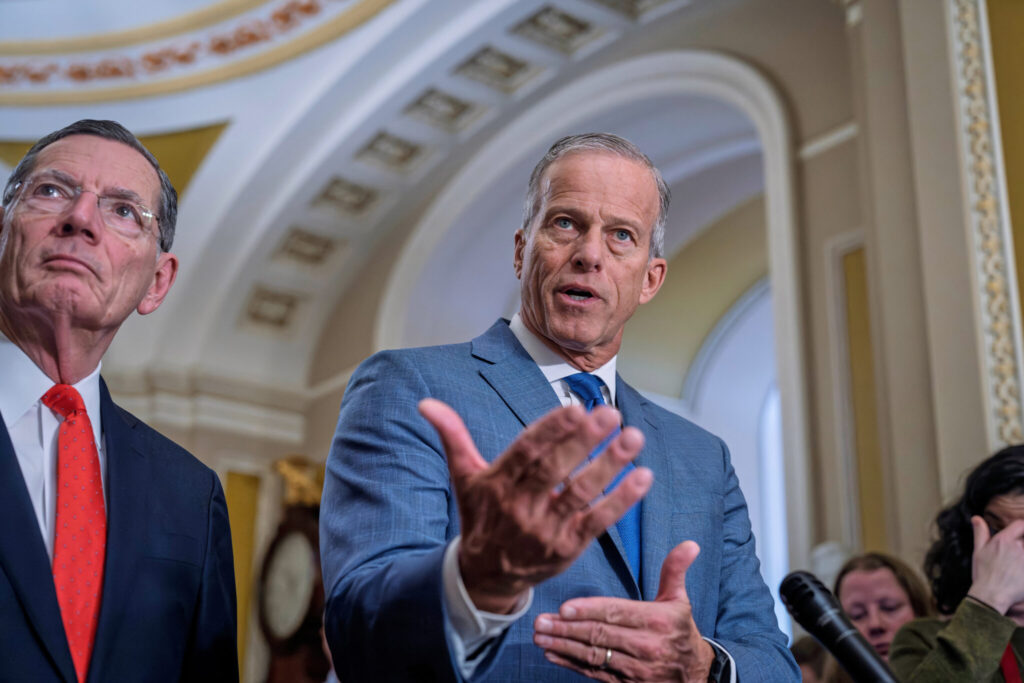
Senate Majority Leader John Thune said Republicans are still debating strategy.
“Senate Republicans aren’t unified on an approach,” Thune said following Trump’s State of the Union address, where the president directly called on him to move the bill.
Filibuster Fight
At the heart of the impasse is the Senate’s 60-vote threshold for ending debate on most legislation. Without Democratic support, Republicans would need to deploy unusual tactics to advance the bill.
Trump and some of his allies, including Sen. Mike Lee of Utah, have advocated reviving a “talking filibuster” — a procedural maneuver requiring senators to physically hold the floor and speak continuously to block legislation. Under this approach, Democrats would be forced to remain on the Senate floor for extended periods to delay a final vote.
Proponents argue that eventually Democrats would exhaust their allotted speeches or abandon the effort, allowing Republicans to move forward with a simple majority vote.
“We won’t pass the SAVE America Act unless we start by making filibustering senators speak,” Lee said on social media, calling the tactic necessary despite the time and effort it would require.
However, the maneuver is more complicated than it appears. Democrats could introduce procedural delays, offer amendments, and require Republicans to maintain near-constant attendance on the Senate floor. Even one absent Republican could reset certain procedural clocks, extending the standoff.
Thune acknowledged the difficulty.
“We’d have to have 50 to defeat every amendment,” he said. “And that’s not where we are right now.”
GOP Concerns About ‘Going Nuclear’
Some Republicans worry that aggressively pursuing the strategy could erode the legislative filibuster altogether — a move often referred to as “going nuclear.”
Although the 60-vote threshold has already been lowered for presidential and judicial nominations, most Senate Republicans say they do not want to weaken the filibuster for legislation.
“I agree with the SAVE Act,” said Sen. Thom Tillis of North Carolina. “But I’m not going to nuke the filibuster.”
Sen. John Curtis of Utah similarly warned that the method of bypassing Democrats could effectively undermine Senate rules.
Others, including Sen. Lisa Murkowski of Alaska, have expressed opposition to the bill itself. Former Majority Leader Mitch McConnell has also opposed similar legislation in the past, further complicating the GOP’s internal calculus.
Supporters of the tactic admit it would require extraordinary party discipline. Sen. Eric Schmitt of Missouri said it would demand “a deep commitment among almost all of our members.” Sen. Rick Scott of Florida described it as “hard but doable.”
What the Bill Would Do
The SAVE America Act would require individuals to present documentary proof of U.S. citizenship when registering to vote, such as a passport or birth certificate. It would also mandate photo identification for casting ballots, a requirement already in place in some states.
Republicans argue the bill is necessary to safeguard elections and prevent voter fraud. Trump has repeatedly claimed, without evidence, that Democrats benefit from lax voting rules.
Democrats counter that voter fraud is exceedingly rare and that the measure would create new barriers for millions of eligible voters. Experts note that more than 20 million voting-age citizens do not have ready access to documents proving citizenship, and nearly half of Americans do not hold a valid U.S. passport.
Critics also warn that implementing the new requirements during an election year could create confusion among voters and strain state election systems.
Federal law already requires that voters in national elections be U.S. citizens. When registering, voters must affirm under penalty of perjury that they meet eligibility requirements, though documentary proof is not universally required.
The legislation would also compel states to share voter registration data with the Department of Homeland Security to verify citizenship status — a provision that has drawn concern from election officials across party lines over privacy and administrative burdens.
Political Stakes
Trump has framed the legislation as critical to Republican success in the upcoming midterm elections, calling it “country-saving” in his State of the Union address. He warned that Democrats “want to cheat” and suggested that GOP losses in November could be blamed on failure to enact stricter voting rules.
Despite those claims, Republicans regained control of Congress and the White House in 2024 without the bill’s provisions in place.
As the Senate weighs its options, the episode highlights the tension between Trump’s demands for swift action and the institutional constraints of the chamber — where procedural rules, internal party differences, and election-year politics complicate even high-priority legislation.
For now, the SAVE America Act remains in limbo, caught between presidential pressure and Senate reality.