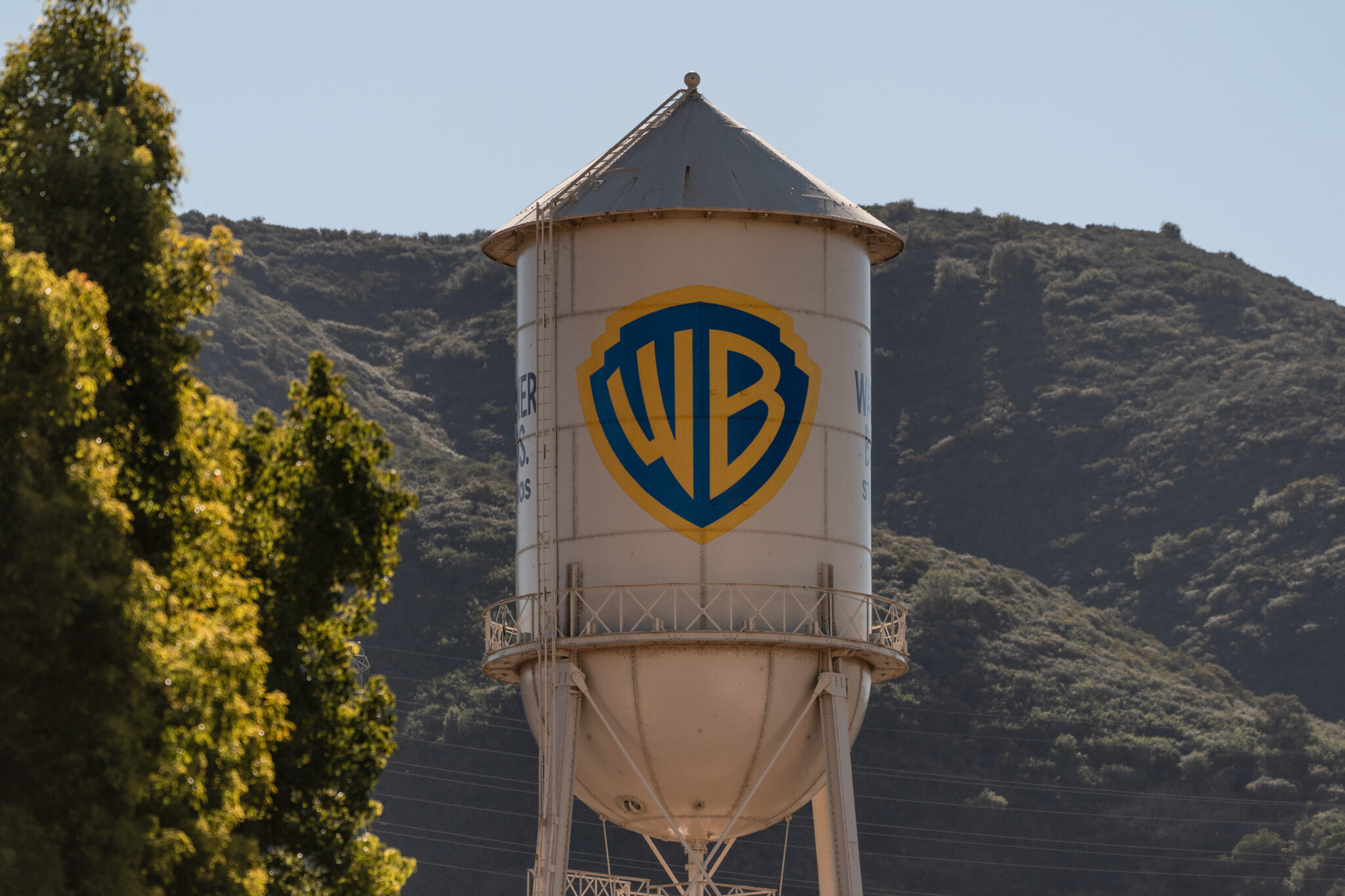
Netflix Exits Warner Bros. Deal, Paramount Takeover Advances/ Newslooks/ WASHINGTON/ J. Mansour/ Morning Edition/ Netflix has withdrawn its bid for Warner Bros. Discovery’s studio and streaming assets. Warner’s board signaled Paramount’s higher offer for the full company is superior. A potential Paramount-Warner merger would dramatically reshape Hollywood and streaming.
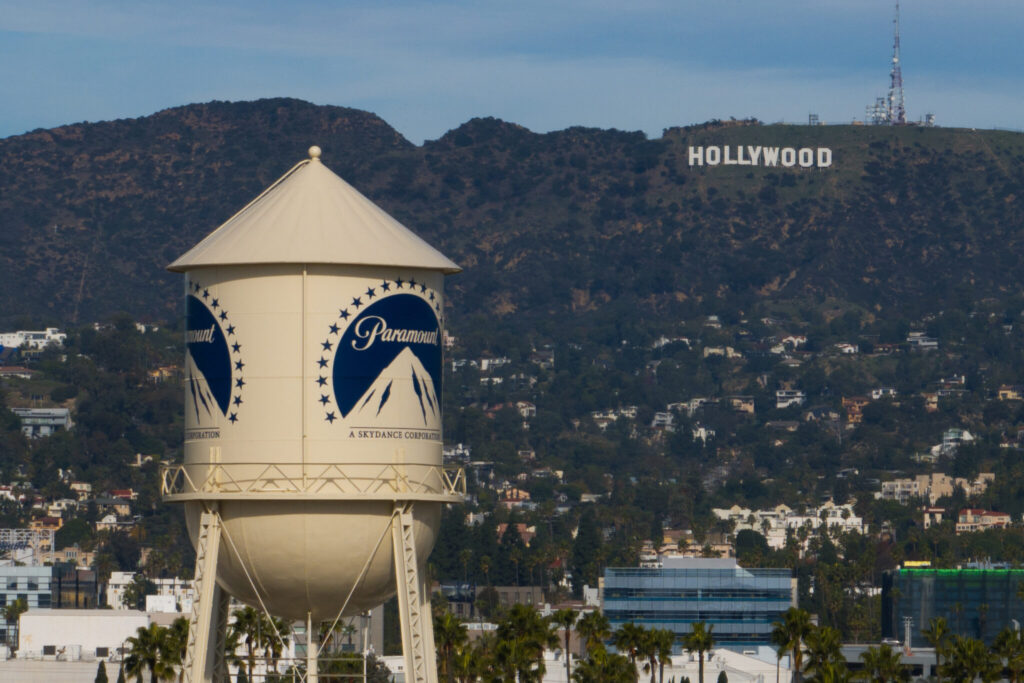
Netflix Warner Bros Deal Collapse Quick Looks
- Netflix declines to raise its $27.75-per-share offer.
- Paramount proposes $31 per share for entire company.
- Warner board calls Paramount bid “superior.”
- Deal would combine HBO Max, CNN with CBS, Paramount+.
- Merger raises antitrust and political scrutiny concerns.
- Warner shareholders and regulators must approve transaction.
- Paramount offers regulatory termination fee and ticking fee incentive.
- Netflix says acquisition was “nice to have,” not essential.

Deep Look: Netflix Exits Warner Bros. Deal, Paramount Takeover Advances
NEW YORK — Netflix has officially stepped away from its effort to acquire the studio and streaming assets of Warner Bros. Discovery, clearing the way for a sweeping takeover bid from Paramount that could transform the entertainment industry.
Warner’s board announced Thursday that a $31-per-share offer from Skydance-backed Paramount for the entire company represented a superior proposal to Netflix’s earlier agreement. Warner gave Netflix four business days to submit a higher bid. Instead, Netflix declined to match or exceed the new price within hours.
In a joint statement, Netflix co-CEOs Ted Sarandos and Greg Peters said the revised valuation made the deal “no longer financially attractive.” They emphasized that while Warner’s assets were appealing, the acquisition was never essential to Netflix’s long-term strategy.
Paramount’s Expansive Vision
Unlike Netflix, which sought only Warner’s studio and streaming operations, Paramount aims to acquire the full Warner Bros. Discovery portfolio. That would combine HBO Max, Warner’s film studios, and CNN with Paramount’s CBS network, Paramount Pictures and its streaming platform, Paramount+.
Such a merger would unite two of the remaining legacy Hollywood studios under one corporate roof. Warner’s portfolio includes franchises like “Harry Potter,” “Superman” and “Barbie,” as well as prestige television hits such as “Succession” and “The White Lotus.” Paramount’s library boasts titles like “Top Gun,” “Titanic” and “The Godfather,” alongside cable brands including MTV and Nickelodeon.
Warner CEO David Zaslav said Thursday that while Netflix had been “extraordinary partners,” a finalized agreement with Paramount would “create tremendous value” for shareholders.
Paramount CEO David Ellison praised Warner’s board for recognizing what he called the “superior value” of his company’s offer.
Antitrust and Political Questions
A Paramount-Warner combination would be among the largest media mergers in recent history and would likely face intense regulatory scrutiny in the United States and abroad.
The proposed deal is valued at roughly $111 billion, including debt. To sweeten its bid, Paramount has pledged to accelerate a “ticking fee” that compensates shareholders if the deal is delayed and agreed to a $7 billion regulatory termination fee should approval fall through.
However, Paramount is financing the acquisition with significant debt, and foreign sovereign wealth funds are contributing equity — factors that have drawn additional attention from critics and policymakers.
Some Democratic lawmakers have raised alarms about media consolidation and potential political influence. Concerns have also surfaced regarding how news operations might be affected if CNN and CBS were housed within the same corporate structure.
Paramount’s news division has already undergone editorial changes under Skydance ownership, prompting speculation about the potential future direction of CNN should the merger proceed.
President Donald Trump has publicly commented on the broader media consolidation landscape but has said regulatory decisions would be handled by the Justice Department.
Streaming and Industry Impact
Paramount executives argue that scale is necessary to compete in an increasingly consolidated streaming environment. By combining content libraries and production capabilities, the merged company would seek to challenge dominant streaming players with expanded offerings and distribution power.
Critics counter that consolidation could reduce competition, lead to higher prices for consumers and result in job cuts as overlapping operations are streamlined.
Netflix, during its pursuit of Warner’s studio assets, argued before lawmakers that its business model differed from that of traditional studios and networks. Executives contended that acquiring Warner’s production and distribution capabilities would complement — rather than duplicate — its streaming-first approach.
With Netflix’s exit, that argument is now moot.
What Comes Next
Warner’s board has not yet formally adopted Paramount’s merger agreement, but momentum appears to have shifted decisively. Shareholder approval and regulatory clearance remain necessary hurdles, and reviews by the Justice Department and foreign regulators are expected.
The outcome could redefine Hollywood’s power structure, reshaping how films are produced, distributed and streamed globally.
For Netflix, the decision underscores a disciplined acquisition strategy. For Paramount and Warner Bros. Discovery, the stakes are far higher — a transformative merger that could redraw the media map for years to come.