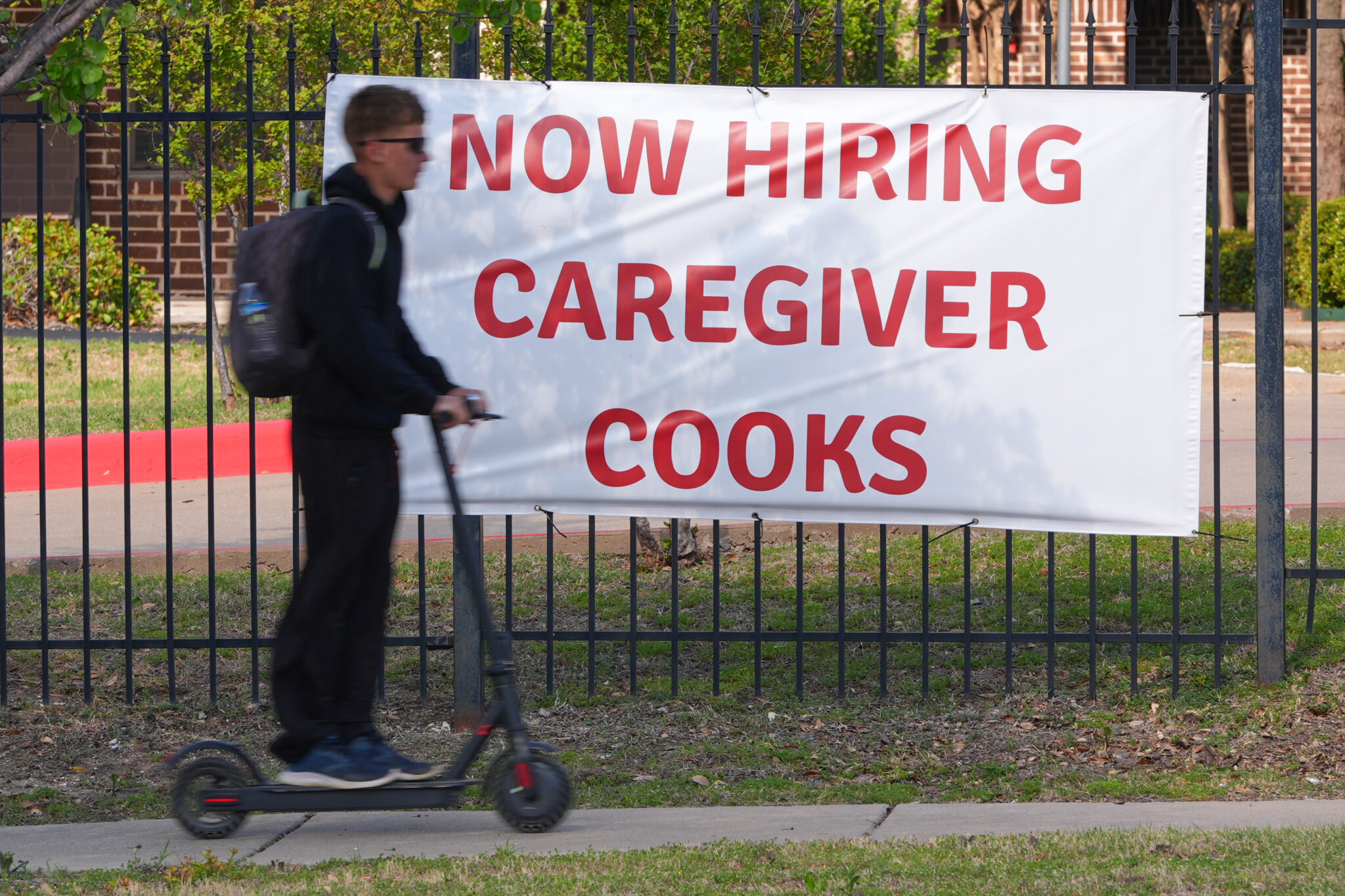
US Employers Add 178,000 Jobs as Hiring Rebounds/ Newslooks/ WASHINGTON/ J. Mansour/ Morning Edition/ U.S. employers added 178,000 jobs in March, beating expectations and reversing February losses. The unemployment rate dipped to 4.3% as healthcare, construction, and manufacturing led gains. Despite the rebound, economists warn hiring remains fragile amid inflation, policy uncertainty, and AI disruption.
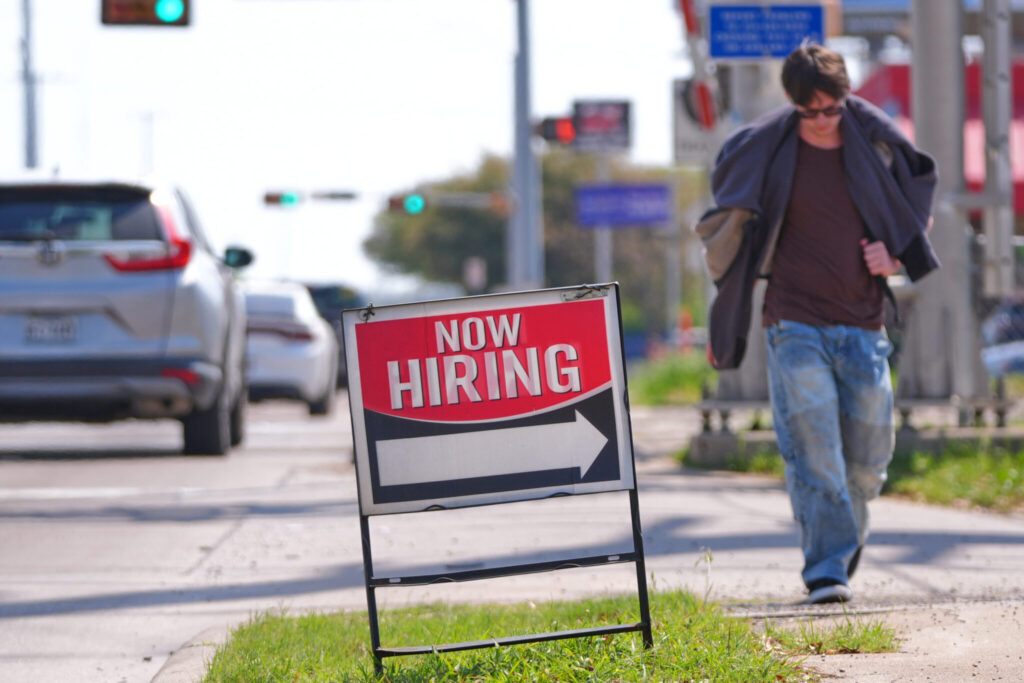
US Jobs Report Rebound Quick Looks
- U.S. employers added 178,000 jobs in March
- February saw 133,000 job losses
- Unemployment rate dropped from 4.4% to 4.3%
- Healthcare added 76,400 jobs
- Construction gained 26,000 jobs
- Manufacturing added 15,000 jobs
- Wage growth increased 0.2% monthly, 3.5% yearly
- Labor force declined by 396,000 workers
- Aging population driving healthcare hiring growth
- AI and policy uncertainty continue impacting hiring
Deep Look: US Job Growth Rebounds With 178,000 Jobs
The U.S. labor market delivered an unexpectedly strong rebound in March as employers added 178,000 new jobs, reversing a disappointing February that saw significant job losses. The latest report from the Labor Department signals resilience in hiring, although economists caution that underlying risks remain for the broader economy.
The unemployment rate dipped to 4.3% in March from 4.4% the previous month. However, the improvement was partly influenced by a decline in labor force participation. Approximately 396,000 people left the workforce during the month, reducing competition for available jobs and contributing to the drop in unemployment.
Economists had forecast a far smaller increase in employment, with many projections estimating around 60,000 new jobs. The stronger-than-expected performance suggests employers are still hiring despite rising economic uncertainties and elevated interest rates.
Healthcare Leads Job Growth
Healthcare companies were the primary driver behind March’s hiring surge, adding 76,400 jobs. A significant portion of that increase came from the return of approximately 31,000 Kaiser Permanente workers following the conclusion of a strike that had impacted February employment numbers.
The healthcare sector continues to dominate hiring trends, largely due to demographic changes. As the U.S. population ages, demand for healthcare services, nursing care, and social assistance programs continues to expand. This trend mirrors employment patterns observed in Japan during the early 2010s as its population aged.
Social assistance sectors, including childcare and vocational rehabilitation, also saw increased hiring. Together, healthcare and social assistance accounted for more than half of all job gains last month.
Construction and Manufacturing Also Gain
Construction companies added 26,000 jobs, likely supported by warmer weather conditions that allowed projects to resume after winter slowdowns. Manufacturing employment also improved, with factories adding 15,000 new jobs.
Transportation and warehousing sectors also posted gains, reflecting continued consumer demand and supply chain adjustments.
However, some sectors continued to struggle. Federal government employment declined, while hiring in financial services and certain private industries remained cautious.
Wage Growth Remains Moderate
Average hourly wages increased 0.2% from February and rose 3.5% compared with March 2025. This level of wage growth is consistent with the Federal Reserve’s target for maintaining inflation near 2%.
Moderate wage growth suggests inflationary pressures may remain contained, but economists remain cautious about rising energy costs and geopolitical risks.
Labor Market Still Faces Challenges
Despite March’s strong hiring numbers, the U.S. job market has experienced a sluggish period over the past year. Employers added an average of just 9,700 jobs per month last year — the weakest performance outside a recession since 2002.
Businesses have remained cautious due to:
- High interest rates
- Uncertainty surrounding President Donald Trump’s trade and immigration policies
- Rising geopolitical tensions, including the war involving Iran
- Concerns about artificial intelligence replacing entry-level jobs
Economists say many companies have adopted a “no-hire, no-fire” approach — keeping current employees but limiting new hiring. This has made it more difficult for young workers and recent graduates to enter the workforce.
Aging Population Driving Hiring Trends
Demographic changes are also shaping the labor market. The aging U.S. population is increasing demand for healthcare services, which is expected to remain the primary engine of job growth in the coming years.
Similar patterns were observed in Japan, where healthcare employment expanded significantly as the population aged. Analysts expect the U.S. to follow a comparable path.
Economic Outlook Remains Uncertain
While March’s job gains suggest resilience, economists warn that risks remain. Rising energy prices, global conflicts, and policy uncertainty could slow hiring in the coming months.
Additionally, artificial intelligence continues to reshape employment trends, particularly for entry-level and administrative roles. Many companies are evaluating automation tools, which may limit hiring even as economic growth continues.
Despite these challenges, the March report indicates the labor market remains stable, with employers still adding jobs and layoffs remaining relatively limited.