Trump’s Iran War Leaves Republicans Facing Midterm Risks/ Newslooks/ WASHINGTON/ J. Mansour/ Morning Edition/ President Donald Trump’s Iran war is reshaping the 2026 midterm political landscape. Republicans face internal divisions and rising voter concerns over costs and conflict. Polling shows growing opposition to the war as elections approach.
Trump Iran War Political Impact Quick Looks
- Trump now leading wartime presidency
- Midterm elections six months away
- Gas prices rise to $4.08 per gallon
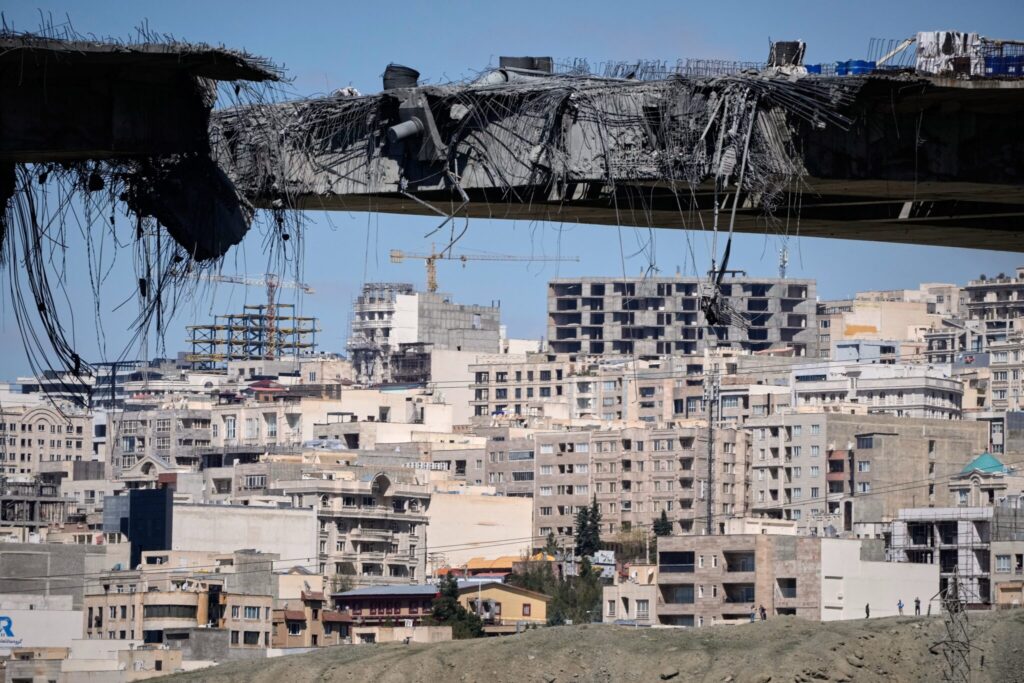
- Strait of Hormuz remains closed
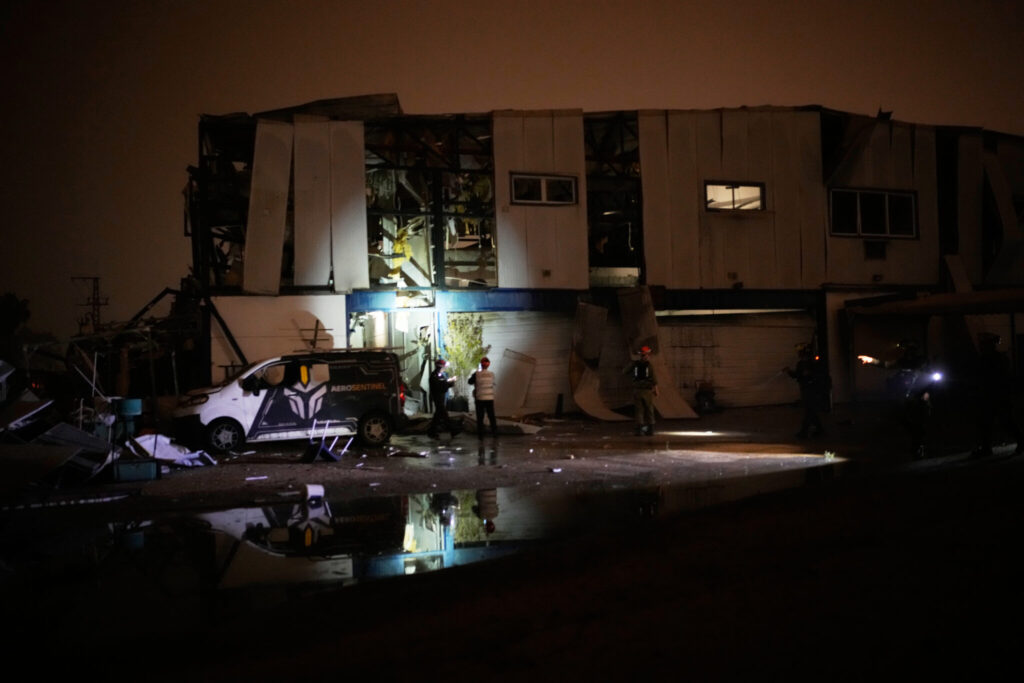
- 13 U.S. service members killed
- Republicans divided over Iran conflict
- Polls show majority oppose war expansion
- Democrats gaining momentum for Congress
- GOP candidates avoiding Iran messaging

Deep Look: Trump’s Iran War Leaves Republicans Adrift Ahead of Midterms
President Donald Trump’s escalating conflict with Iran is reshaping the political landscape ahead of the 2026 midterm elections, leaving Republicans increasingly concerned about their prospects as voters prepare to head to the polls.
A year and a half after returning to the White House with promises to lower costs and end foreign wars, Trump now finds himself leading the nation through a growing overseas conflict accompanied by rising energy prices and uncertainty about the war’s duration. The shift has complicated Republican campaign strategies just months before elections that will determine control of Congress and key state offices.
Mixed Messaging From Trump
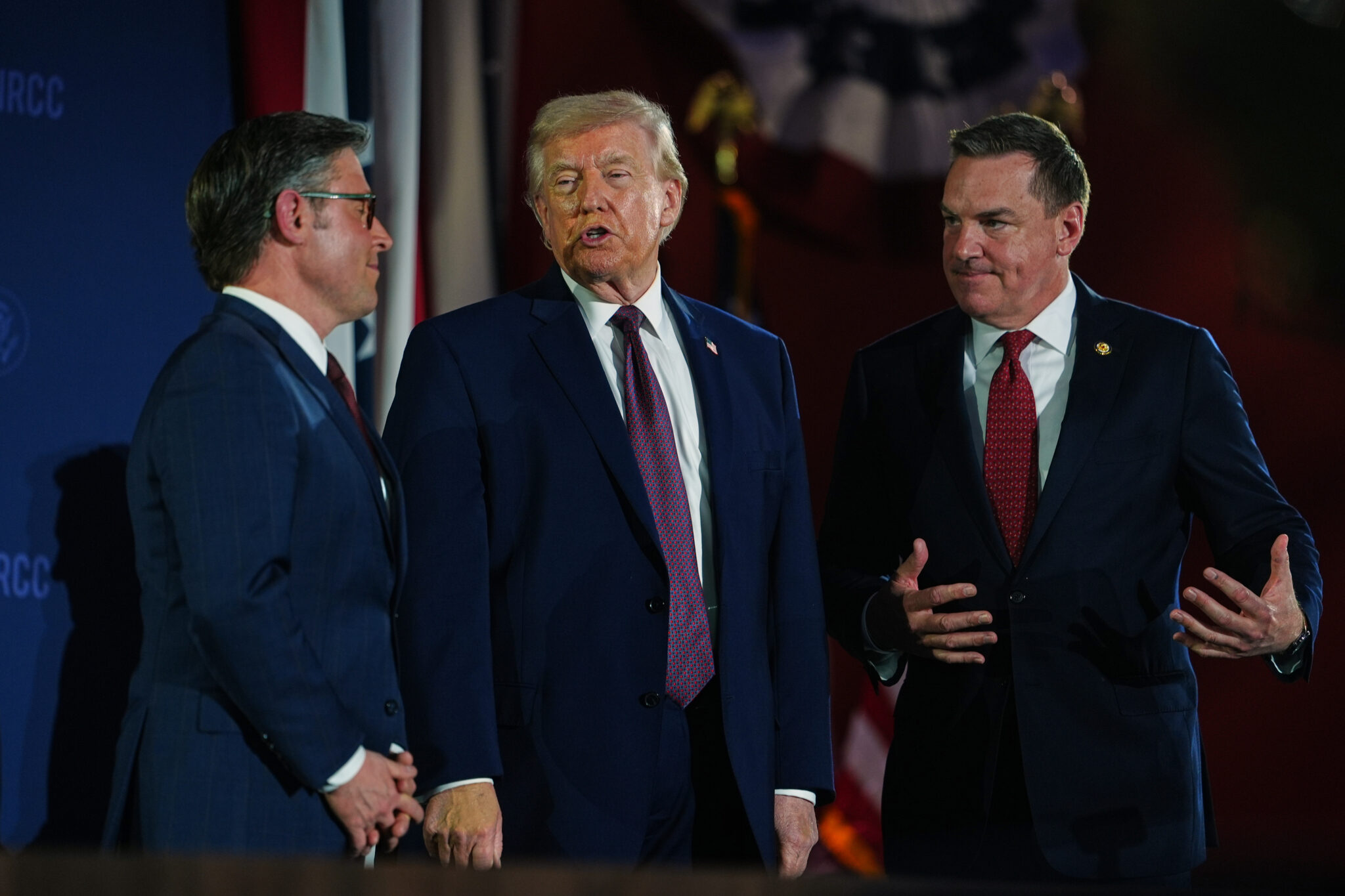
During a prime-time address this week, Trump offered a mixed message about the conflict, simultaneously suggesting that the war was nearing completion while also signaling additional military action.
“Thanks to the progress we’ve made, I can say tonight that we are on track to complete all of America’s military objectives shortly,” Trump said. He then added that the United States planned to strike Iran “extremely hard” over the next two to three weeks.
The remarks created uncertainty among voters and lawmakers seeking clarity about the administration’s strategy.
Republicans Brace for Political Fallout
With roughly six months until voters begin casting ballots, Republicans who currently control the White House and Congress are preparing for potential political backlash.
Veteran Republican pollster Neil Newhouse warned that the party faces a difficult election season.
“You’re looking at an ugly November,” Newhouse said, noting that Republican advantages are eroding as the conflict continues.
The political environment has shifted dramatically over the past year. At one point, Republican leaders believed they could maintain their narrow House majority and comfortably hold the Senate. Now, some party insiders privately acknowledge that the House majority may be difficult to retain, while Democrats have a credible opportunity to capture the Senate.
GOP Struggles to Unite on Iran
Republicans have struggled to present a unified message on the Iran conflict. Party leadership has largely avoided discussing the war in official talking points, and vulnerable candidates have sidestepped questions about the conflict.
The Republican National Committee has also avoided emphasizing the issue publicly, reflecting the party’s internal divisions.
However, Trump still maintains strong support among core Republican voters. Some allies, including Sen. Lindsey Graham of South Carolina, praised the president’s recent address and expressed confidence in the administration’s strategy.
Rising Costs Add Pressure
The war has also contributed to rising energy prices, increasing political pressure on Republicans. The Strait of Hormuz — a key global shipping route for oil — remains closed, tightening supply and driving fuel prices higher.
According to AAA, the average price of gasoline in the United States climbed to $4.08 per gallon, nearly one dollar higher than on President Joe Biden’s final day in office.
Trump argued that prices would fall once the conflict concludes but offered limited details about how the Strait of Hormuz would reopen.
He framed the war as a long-term investment in national security and economic strength.
“When it’s all over, the United States will be safer, stronger, more prosperous,” Trump said.
Internal Republican Criticism Emerges
Not all Republicans support the administration’s strategy. Former Rep. Marjorie Taylor Greene, once a strong Trump ally, criticized the president’s approach.
“I wanted so much for President Trump to put America First,” Greene wrote on social media. “All I heard from his speech tonight was WAR.”
Such criticism highlights growing divisions within the Republican Party.
Polls Show Public Skepticism
Public opinion polling suggests growing skepticism about the conflict. An AP-NORC poll conducted in March found that about six in ten Americans believe U.S. military action in Iran has gone too far.
Support for deploying ground troops is also limited. Approximately 60% of Americans oppose sending U.S. forces into Iran, including about half of Republicans. Only about one in ten supports such a move.
Trump’s overall approval ratings remain relatively low, with roughly four in ten Americans approving of his performance.
Lessons From Past Wars
Republican strategist Ari Fleischer, who served under former President George W. Bush, noted that Trump has not experienced the surge in approval ratings often associated with wartime presidents.
After the 2003 invasion of Iraq, Bush saw his approval ratings rise sharply, along with stock market gains. However, public opinion shifted as the conflict dragged on, eventually contributing to political losses for Republicans.
Fleischer suggested Trump must achieve a quick and decisive victory to avoid similar political consequences.
“If things end well, oil prices fall and markets rally, there could be a political upside,” Fleischer said.
However, he emphasized that voters will ultimately judge the administration based on outcomes rather than messaging.
High Stakes for Midterms
The stakes for Republicans are high. Control of Congress and governorships across the country will be determined in the upcoming elections, shaping Trump’s ability to govern during his final two years in office.
With rising energy prices, mounting casualties, and uncertainty about the war’s duration, the Iran conflict has become one of the defining issues of the 2026 election cycle.
How the conflict unfolds in the coming months could determine whether Republicans maintain power or face significant losses in November.