US Military Aircraft Hit in Iran War Are 1st Shot Down by Enemy Fire in over 20 Years/ Newslooks/ WASHINGTON/ J. Mansour/ Morning Edition/ Iran shot down two U.S. military aircraft in a rare escalation, marking the first such losses in more than two decades. An F-15E fighter jet was downed with one crew member rescued while another remains missing. Experts say shoulder-fired missiles and low-altitude missions increased risks despite U.S. air superiority.
Iran Shoots Down US Jets — Quick Looks
- Iran shot down two U.S. military aircraft
- First U.S. jets downed by enemy fire in 20+ years
- F-15E Strike Eagle shot down over Iran
- One crew member rescued, one still missing
- Iranian media reports A-10 also hit and crashed
- U.S. has flown 13,000 missions in Iran conflict
- Experts say shoulder-fired missiles likely used
- U.S. flying lower altitude missions increases risk
- Helicopter rescue missions face highest danger
- Escalation comes weeks after U.S.-Israeli strikes
Deep Look: Iran Shoots Down US Jets in Rare Combat Loss
WASHINGTON — Iran’s downing of two U.S. military aircraft marks a rare and significant escalation in the ongoing conflict, representing the first time American warplanes have been shot down by enemy fire in more than two decades, according to U.S. officials and defense experts.
The losses come just five weeks after U.S. and Israeli forces launched coordinated strikes targeting Iranian military infrastructure. Despite those operations, Iran has demonstrated it still retains the capability to challenge American air power.
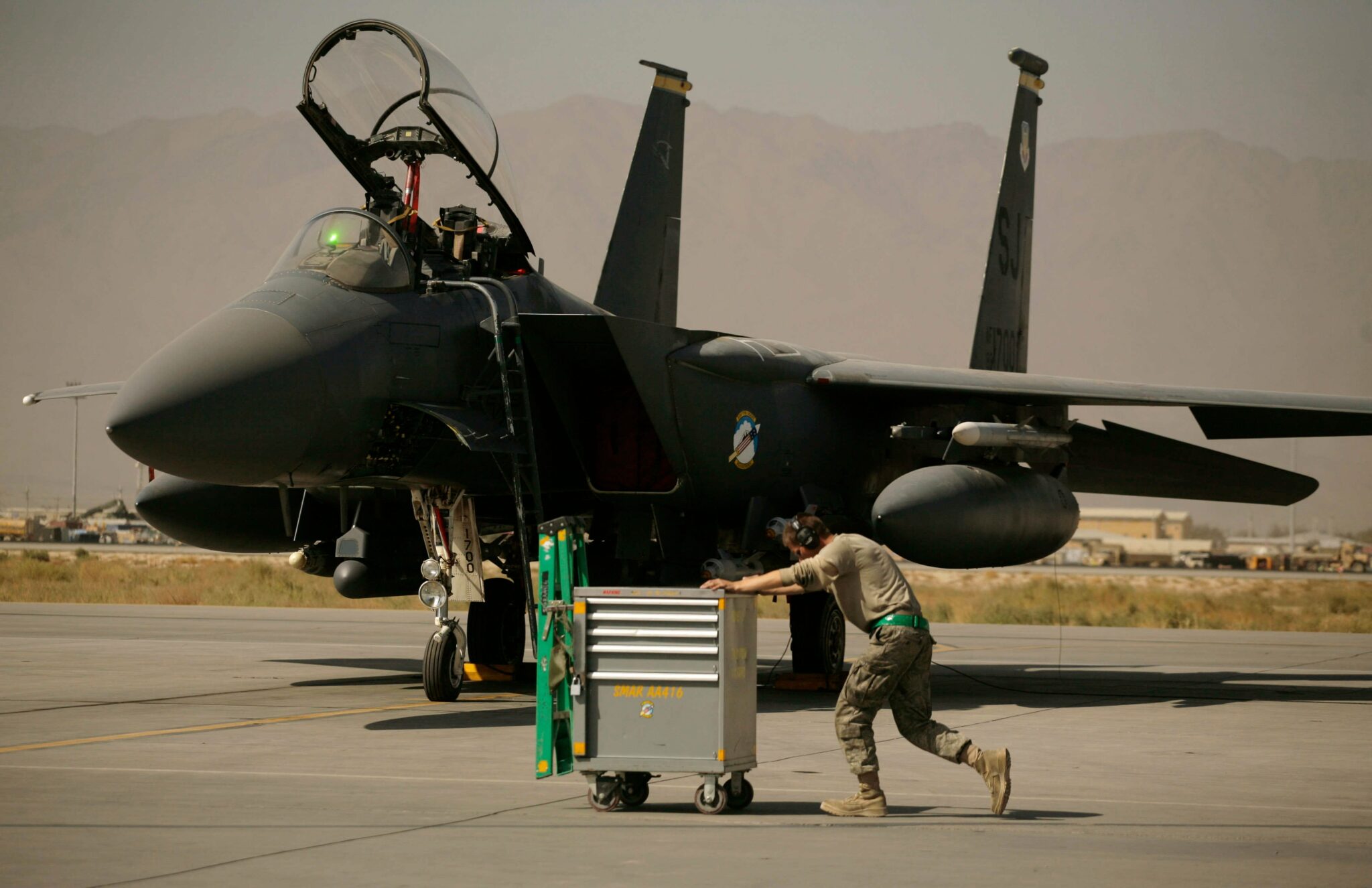
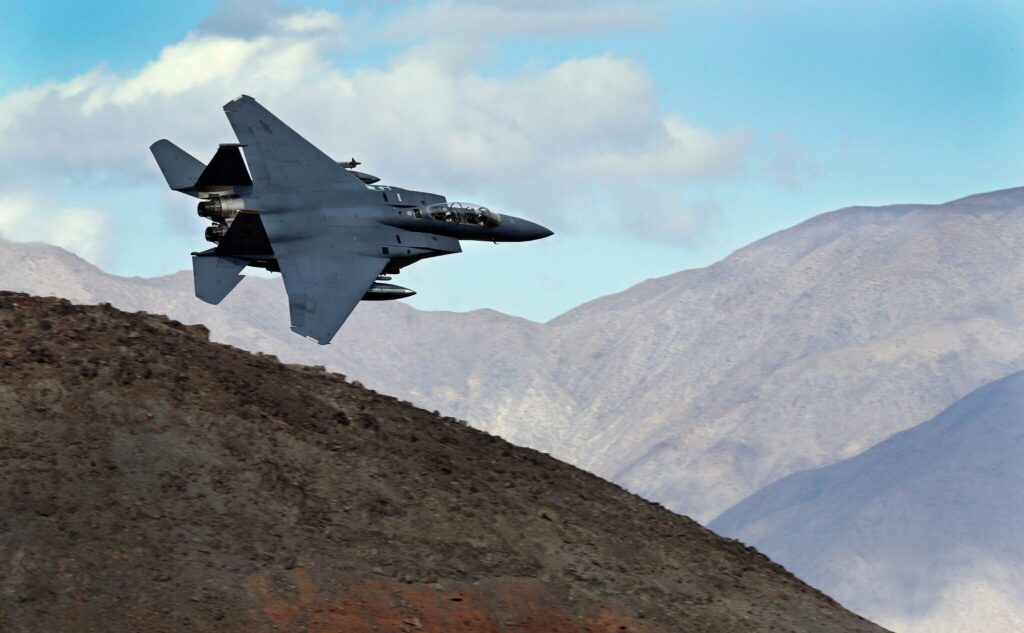
A U.S. F-15E Strike Eagle fighter jet was shot down Friday over Iran, with one service member successfully rescued following ejection. However, search operations continue for a second crew member, officials confirmed. Iranian state media also reported that a U.S. A-10 attack aircraft crashed after being hit by Iranian defense forces, adding to concerns about escalating hostilities.
The downing of U.S. aircraft in combat is extremely uncommon. The last time an American fighter jet was shot down occurred during the 2003 U.S. invasion of Iraq, when an A-10 Thunderbolt II was struck by an Iraqi surface-to-air missile.
Retired Air Force Brig. Gen. Houston Cantwell, a former fighter pilot, said the rarity of such incidents reflects the overwhelming air superiority typically maintained by U.S. forces.
“The fact that this hasn’t happened until now is an absolute miracle,” Cantwell said, noting that American aircraft are frequently exposed to threats during combat missions. “We’re flying combat missions here — they are being shot at every day.”
U.S. Central Command reported that American forces have conducted more than 13,000 missions during the Iran conflict, striking over 12,300 targets. Despite heavy bombardment, Iran’s military capabilities remain partially intact and capable of mounting defensive responses.
Defense analysts say the aircraft may have been targeted using shoulder-fired missiles, which are difficult to detect and counter. Behnam Ben Taleblu, a senior director at the Foundation for Defense of Democracies, said Iran’s degraded but still functioning air defenses pose an ongoing threat.
“A disabled air defense system is not a destroyed air defense system,” Taleblu explained, adding that U.S. aircraft flying at lower altitudes become more vulnerable to portable missile systems.
Mark Cancian, a retired Marine colonel and senior adviser at the Center for Strategic and International Studies, also suggested that shoulder-fired missiles were likely responsible for the aircraft loss. He noted, however, that the broader U.S. air campaign has still achieved major operational success.
Historically, combat aviation losses have been far higher. During World War II, American aircraft flying over Germany experienced loss rates of roughly 3%, a figure that would translate into hundreds of aircraft losses in the current conflict.
However, Cancian noted that public expectations have shifted.
“Americans are accustomed to fighting bloodless wars,” he said, adding that even limited losses can generate significant political and public reaction.
Pilots flying in high-threat environments receive extensive training for emergency situations. If struck by missiles, aviators are trained to eject safely, assess injuries, and communicate their location to rescue teams.
However, rescue operations themselves carry significant risk. Enemy forces may attempt to intercept communications or target rescue aircraft. Helicopters, in particular, are more vulnerable due to their slower speeds and lower flight altitudes.
“The lower and the slower, the more susceptible you are,” Cantwell said, emphasizing the danger faced by rescue crews.
The recent incidents are not the first time U.S. aircraft have been lost in operations involving Iran. In 1980, a helicopter and transport aircraft collided during a failed mission to rescue American hostages in Tehran, killing eight service members.
More recently, helicopters have suffered losses in other conflicts, including Afghanistan, where a 2005 attack on a U.S. Army Chinook helicopter killed 16 personnel.
Despite the risks, rescue crews involved in the current operations were praised by military experts for undertaking dangerous missions under hostile conditions.
The downing of two U.S. aircraft underscores the growing risks in the escalating conflict and demonstrates Iran’s continued ability to challenge U.S. air operations.
As search efforts continue for the missing crew member, military officials remain focused on recovery operations while monitoring the broader regional implications of the escalating confrontation.