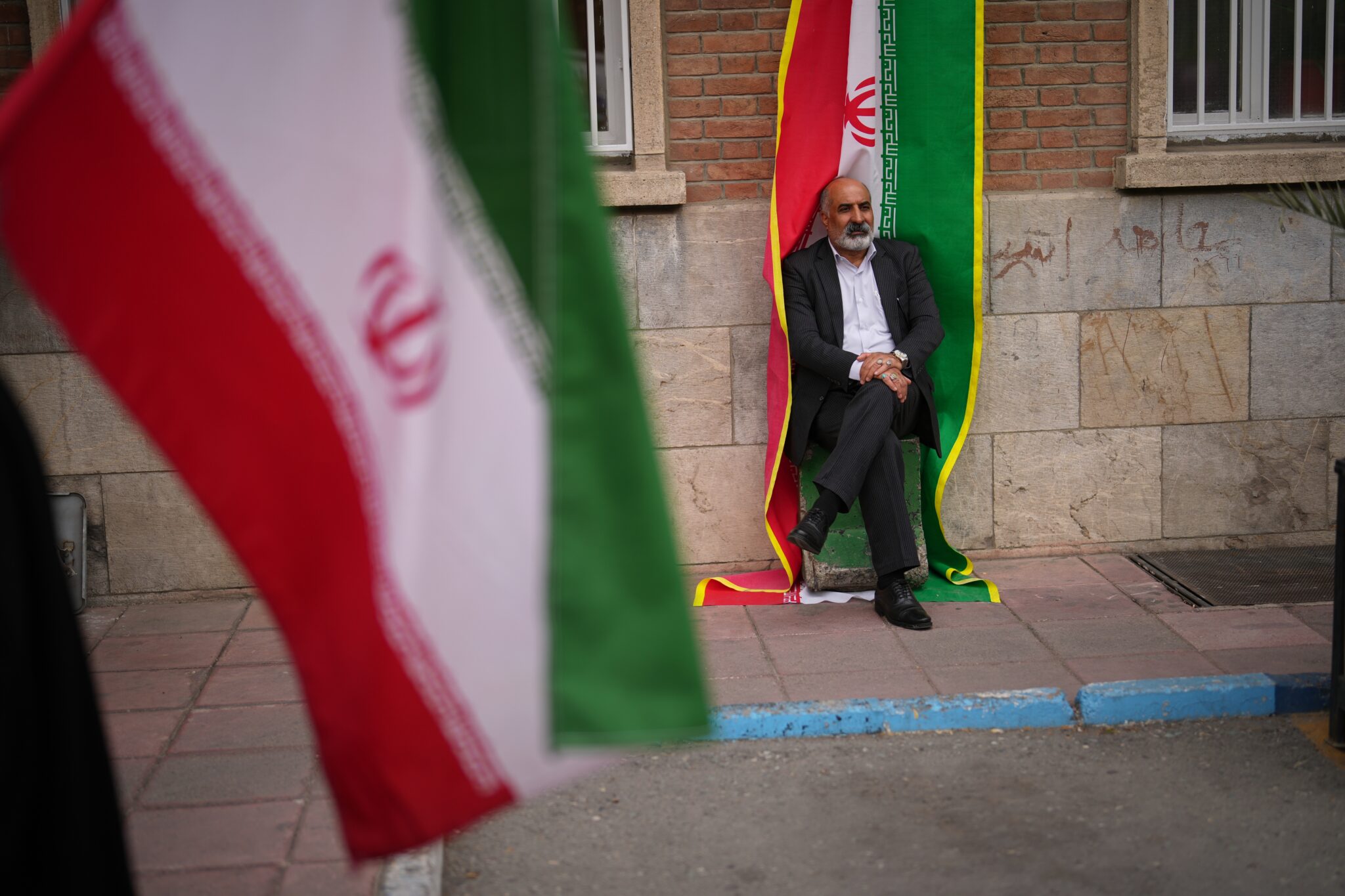
Iran Rejects 45-Day Ceasefire, Demands Permanent End to War with Security Guarantees/ Newslooks/ WASHINGTON/ J. Mansour/ Morning Edition/ Iran rejected a 45-day ceasefire proposal ahead of President Trump’s deadline. Tehran demanded a permanent end to the war with security guarantees. Airstrikes, rising oil prices, and regional tensions continue escalating.
Iran Rejects Ceasefire + Quick Looks
- Iran rejects 45-day ceasefire proposal
- Tehran demands permanent end to war
- Trump deadline for Strait of Hormuz looms
- Israel strikes Iranian airports and commanders
- Oil prices surge amid global supply fears
- Iranian missiles hit Israel and Gulf region
- Airstrikes kill more than 25 in Iran
- Diplomatic efforts continue through mediators
Deep Look: Iran Rejects 45-Day Ceasefire, Demands Permanent End to War with Security Guarantees
Iran rejected the latest ceasefire proposal Monday, insisting instead on a permanent end to hostilities as President Donald Trump’s deadline for reopening the Strait of Hormuz approached, raising fears of a major escalation in the Middle East conflict.
Iranian officials said Tehran would not accept a temporary truce and instead demanded guarantees that future attacks would cease.
“We won’t merely accept a ceasefire,” Mojtaba Ferdousi Pour, head of Iran’s diplomatic mission in Cairo, told The Associated Press. “We only accept an end of the war with guarantees that we won’t be attacked again.”
According to Iran’s state-run IRNA news agency, Tehran conveyed its response through Pakistan, which has been acting as a key mediator alongside Egypt and Turkey.
The rejection came as President Trump warned that the United States could strike Iranian power plants and infrastructure if Tehran fails to reopen the Strait of Hormuz. The waterway is one of the world’s most critical energy routes, carrying roughly one-fifth of global oil shipments during normal times.
Iran’s control over the strait has already pushed oil prices higher and unsettled global financial markets.
Israel Strikes Key Iranian Targets
Iran’s rejection followed Israeli strikes on a major petrochemical facility at Iran’s South Pars natural gas field, a crucial energy hub and major source of government revenue. The field, shared with Qatar, is the largest natural gas field in the world.
Israeli strikes also reportedly killed two senior commanders in Iran’s paramilitary Revolutionary Guard, including intelligence chief Maj. Gen. Majid Khademi and Quds Force leader Asghar Bakeri.
Israel’s defense minister vowed to continue targeting senior Iranian officials.
“We will continue to hunt them down one by one,” Israel’s defense minister said.
Israel also reported striking three Tehran-area airports — Bahram, Mehrabad, and Azmayesh — destroying helicopters and aircraft belonging to Iran’s air force.
Residents in Tehran reported hearing constant explosions, drones, and air defense fire throughout the day.
Trump Reaffirms Deadline
President Trump reaffirmed his deadline while speaking to journalists during a White House Easter event. He described Iran as a “strong” adversary but said it had weakened during recent fighting.
Trump previously warned that failure to reopen the Strait of Hormuz could result in U.S. strikes that would set Iran “back to the stone ages.”
Regional Fighting Intensifies
Fighting continued across the region. Iran launched missiles and drones toward Gulf nations, prompting Kuwait, Saudi Arabia, and the United Arab Emirates to activate air defenses.
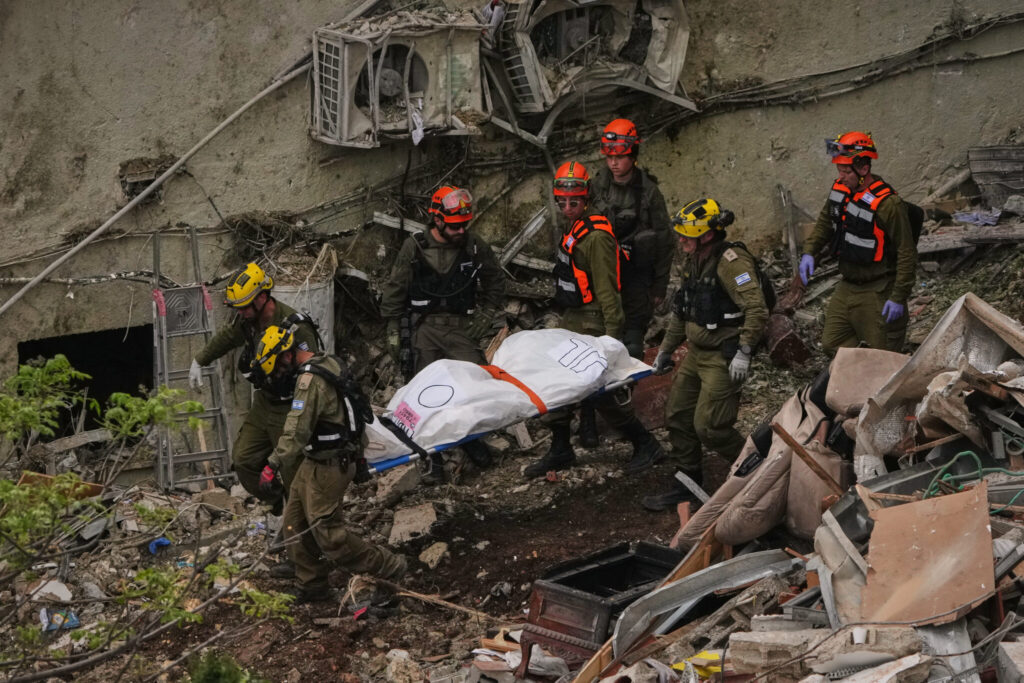
In Israel, Iranian missiles struck the northern city of Haifa, killing four members of the same family when a residential building collapsed.
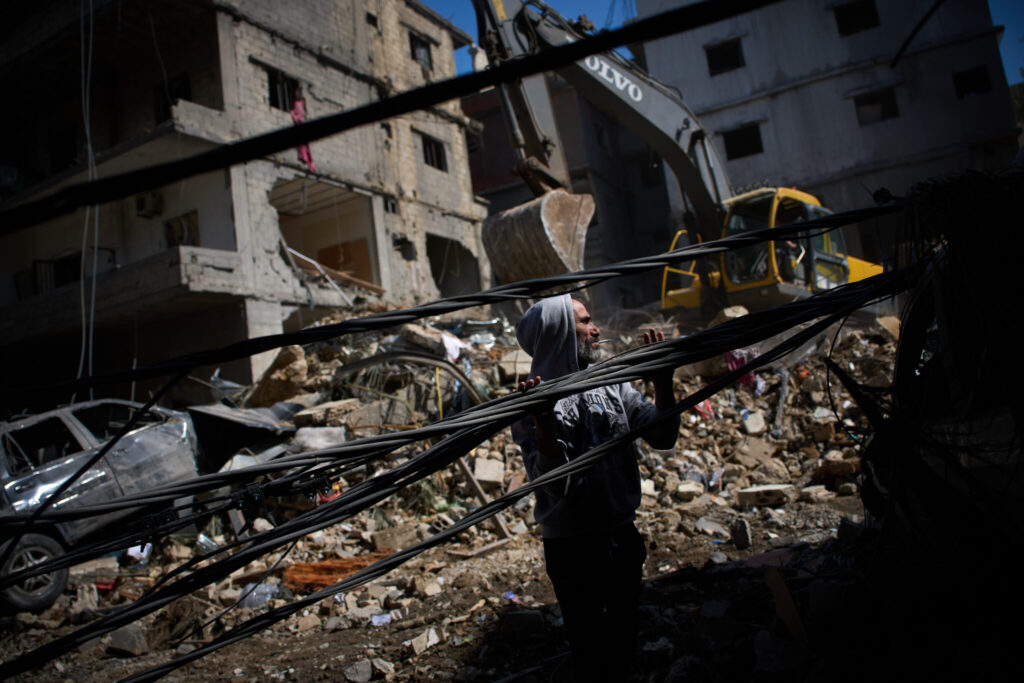
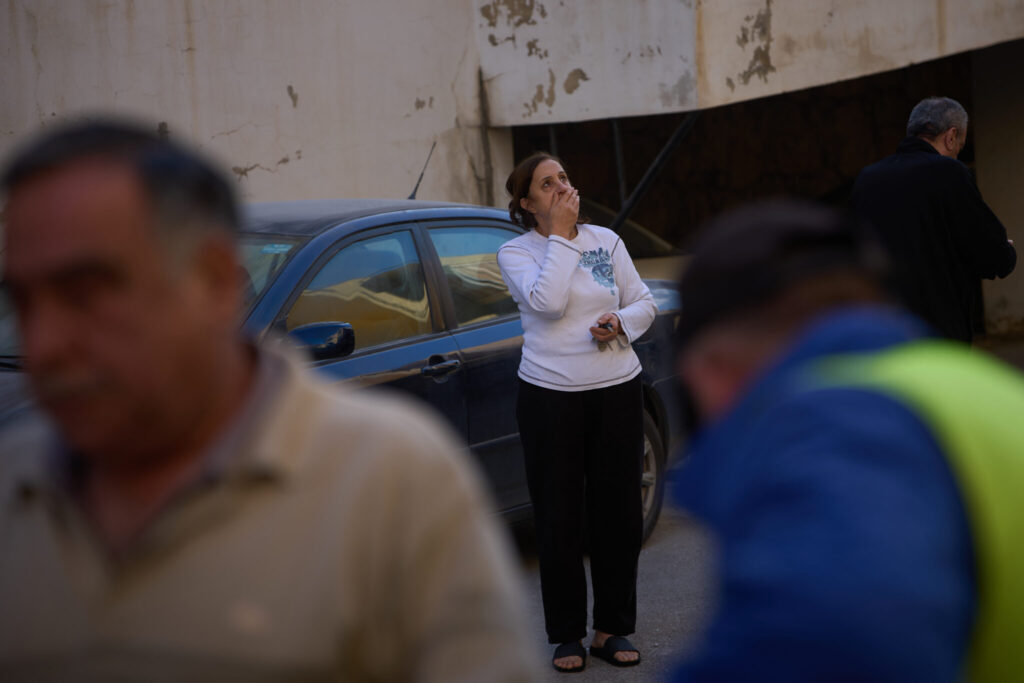
Meanwhile, Israeli strikes expanded into Lebanon, where an airstrike hit an apartment in Ain Saadeh near Beirut, killing a Lebanese Forces official, his wife, and another woman.
Residents described growing fear as the conflict expanded beyond traditional battle lines.
Oil Prices and Markets React
Global oil prices surged as the conflict intensified. Brent crude climbed to around $109 per barrel — roughly 50% higher than levels before the conflict began.
U.S. financial markets remained cautious as investors assessed potential disruptions to global energy supplies.
Former Iranian Foreign Minister Ali Akbar Velayati warned that strikes on Iranian power infrastructure could plunge the entire region into darkness.
Despite allowing limited vessels through the Strait of Hormuz, Iran has sharply restricted shipping. Traffic through the strait has dropped more than 90% compared to last year, according to reports.
Airstrikes Across Iran
Airstrikes across Iran killed more than 25 people, according to Iranian media.
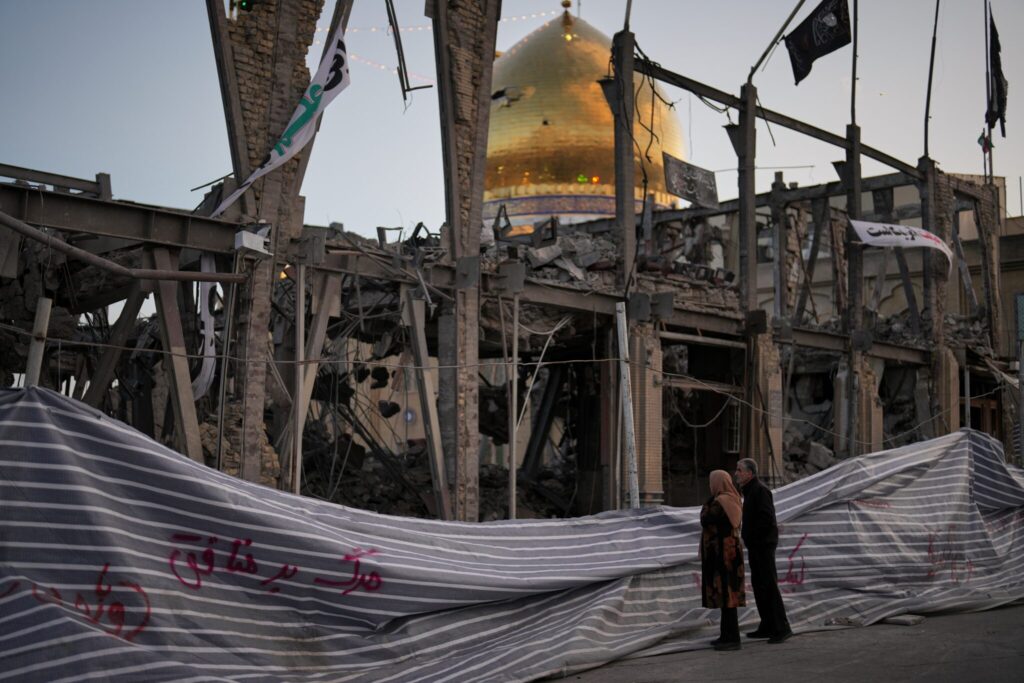
Heavy smoke rose near Tehran’s Azadi Square following strikes near Sharif University of Technology, which has been linked to Iran’s military and missile programs. The university has shifted to online learning due to the war.
Additional strikes killed:
- 15 people near Eslamshar
- Five in Qom
- Six in other cities
- Three in Tehran residential areas
Rising Casualties
The humanitarian toll continues to grow:
- More than 1,900 killed in Iran
- Over 1,400 killed in Lebanon
- More than 1 million displaced in Lebanon
- 23 killed in Israel
- 13 U.S. service members killed
- Dozens killed across Gulf states and West Bank
With Trump’s deadline approaching and Iran rejecting a ceasefire, the conflict appears poised for further escalation unless last-minute diplomacy succeeds.