
Artemis II Astronauts Near Record Distance, View Moon’s Far Side/ Newslooks/ WASHINGTON/ J. Mansour/ Morning Edition/ Artemis II astronauts are set to break the distance record from Earth. The crew will conduct a historic flyby of the moon’s far side. NASA’s mission marks the first human return to lunar space since Apollo.
Artemis II Moon Flyby + Quick Looks
- Artemis II crew nearing distance record
- Four astronauts orbit moon’s far side
- NASA’s first crewed lunar mission since 1972
- Free-return trajectory ensures safe return
- Historic views of Orientale Basin planned
- Solar eclipse observed behind moon
- Mission prepares for future lunar landing
- Splashdown expected later this week

Deep Look: Artemis II Astronauts Near Record Distance, View Moon’s Far Side
NASA’s Artemis II astronauts raced Monday to set a new record for the farthest distance humans have traveled from Earth, marking a historic milestone during the agency’s first crewed lunar mission since the Apollo era.
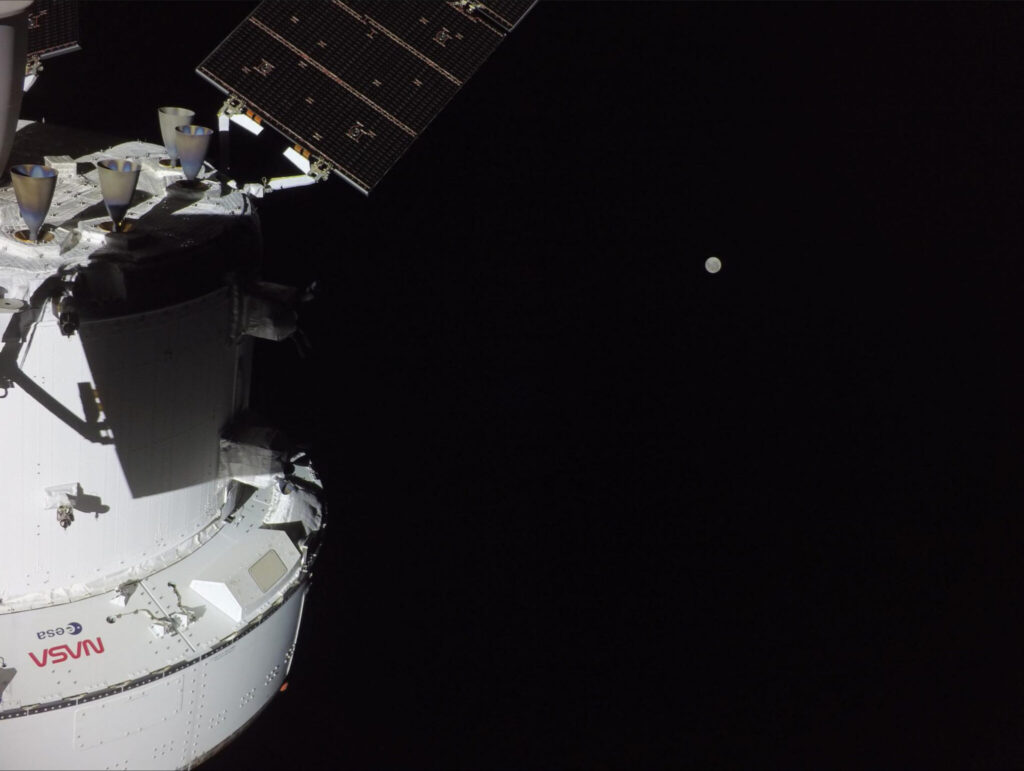
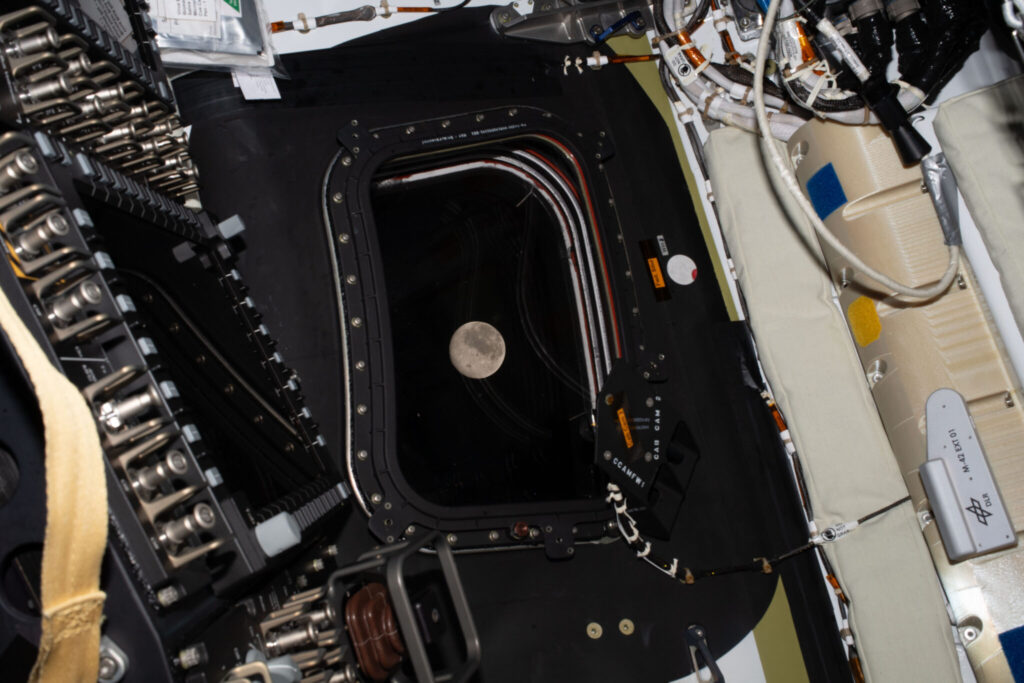
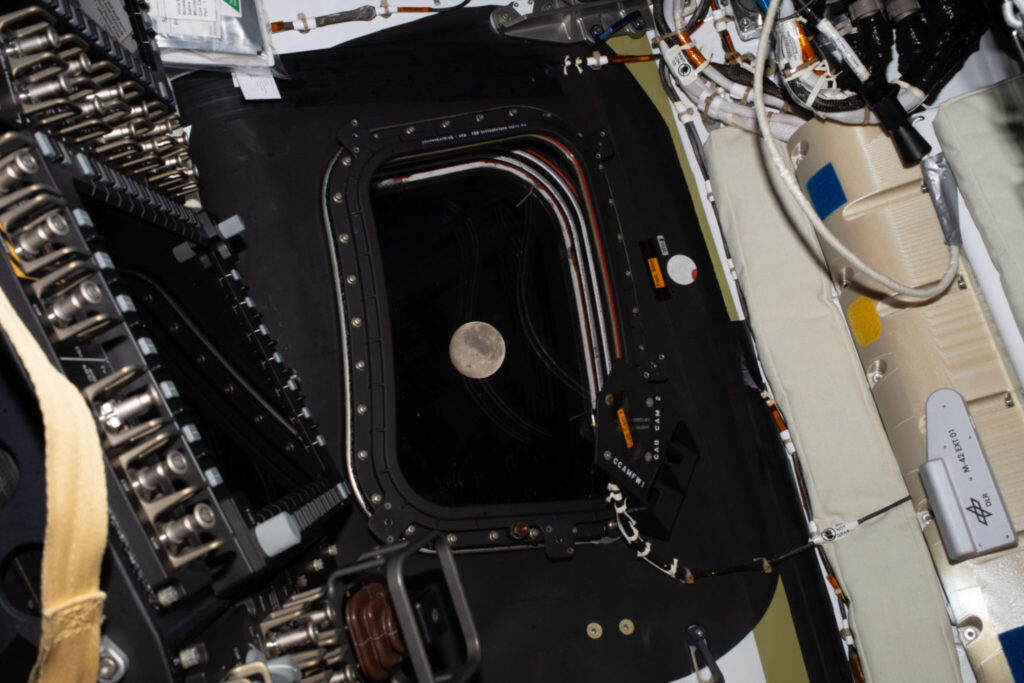
As the moon grew larger outside their spacecraft windows, the four astronauts prepared for a six-hour lunar flyby that would offer unprecedented views of the moon’s far side — a region never directly observed by astronauts since the Apollo missions more than 50 years ago.
The Artemis II crew includes NASA astronauts Reid Wiseman, Victor Glover, Christina Koch, and Canadian astronaut Jeremy Hansen. Their mission represents a major step toward NASA’s goal of landing astronauts near the moon’s south pole within the next few years.
Just before beginning their fly-around, the astronauts were expected to surpass the long-standing distance record set by Apollo 13 in April 1970. That mission reached 248,655 miles (400,171 kilometers) from Earth.
Mission controllers predicted Artemis II would exceed that record by more than 4,100 miles (6,600 kilometers), giving the crew both a historic achievement and bragging rights.
Message from Apollo Legend
The astronauts awoke to a recorded message from Apollo 13 commander Jim Lovell, who recorded the greeting shortly before his death last August.
“Welcome to my old neighborhood,” Lovell said in the message. “It’s a historic day… but don’t forget to enjoy the view.”
The message connected the Artemis mission to the legacy of Apollo, highlighting the return of human exploration to deep space.
Free-Return Trajectory
Artemis II is following a free-return trajectory, similar to the path used by Apollo 13 after its oxygen tank explosion forced the crew to abort its moon landing.
This figure-eight flight path uses the gravitational pull of Earth and the moon to carry the spacecraft around the moon and safely back toward Earth, reducing fuel requirements and increasing mission safety.
Commander Wiseman and his crew were expected to pass as close as 4,070 miles (6,550 kilometers) from the moon. At that point, their Orion spacecraft would reach speeds of approximately 3,139 mph (5,052 kilometers per hour).
Following the flyby, the spacecraft will begin its journey back to Earth, with splashdown planned in the Pacific Ocean later this week.
Scientific Observations and Views
The astronauts spent years preparing for the lunar flyby, studying lunar geography and planning observation targets.
One of the primary scientific targets is the Orientale Basin, a massive impact crater featuring three concentric rings stretching nearly 600 miles across.
The crew also planned to observe:
- Apollo 12 landing site
- Apollo 14 landing site
- Moon’s south polar region
- Earth from lunar distance
- Planets including Mercury, Venus, Mars, and Saturn
The launch timing also allowed astronauts to witness a total solar eclipse from behind the moon — a rare cosmic alignment.
NASA geologist Kelsey Young expects the crew to capture thousands of images during the flyby.
“People all over the world connect with the moon,” Young said. “This is something every person on Earth can understand.”
Return to Lunar Exploration
Artemis II marks NASA’s first crewed lunar mission since Apollo 17 in 1972. The mission is part of NASA’s broader Artemis program aimed at returning humans to the moon and eventually sending astronauts to Mars.
Future missions include:
- Artemis III: docking practice and mission preparations
- Artemis IV: planned lunar landing near south pole in 2028
The mission also draws comparisons to Apollo 8, which orbited the moon in 1968 and provided humanity’s first direct view of Earth from lunar distance.
Astronaut Victor Glover reflected on the mission’s significance, especially during Holy Week.
“Earth is an oasis,” Glover said. “This is an opportunity to remember who we are and that we’re all in this together.”
As Artemis II continues its historic journey, NASA moves closer to its next chapter of human exploration beyond Earth — returning astronauts to the moon and preparing for future missions deeper into space.