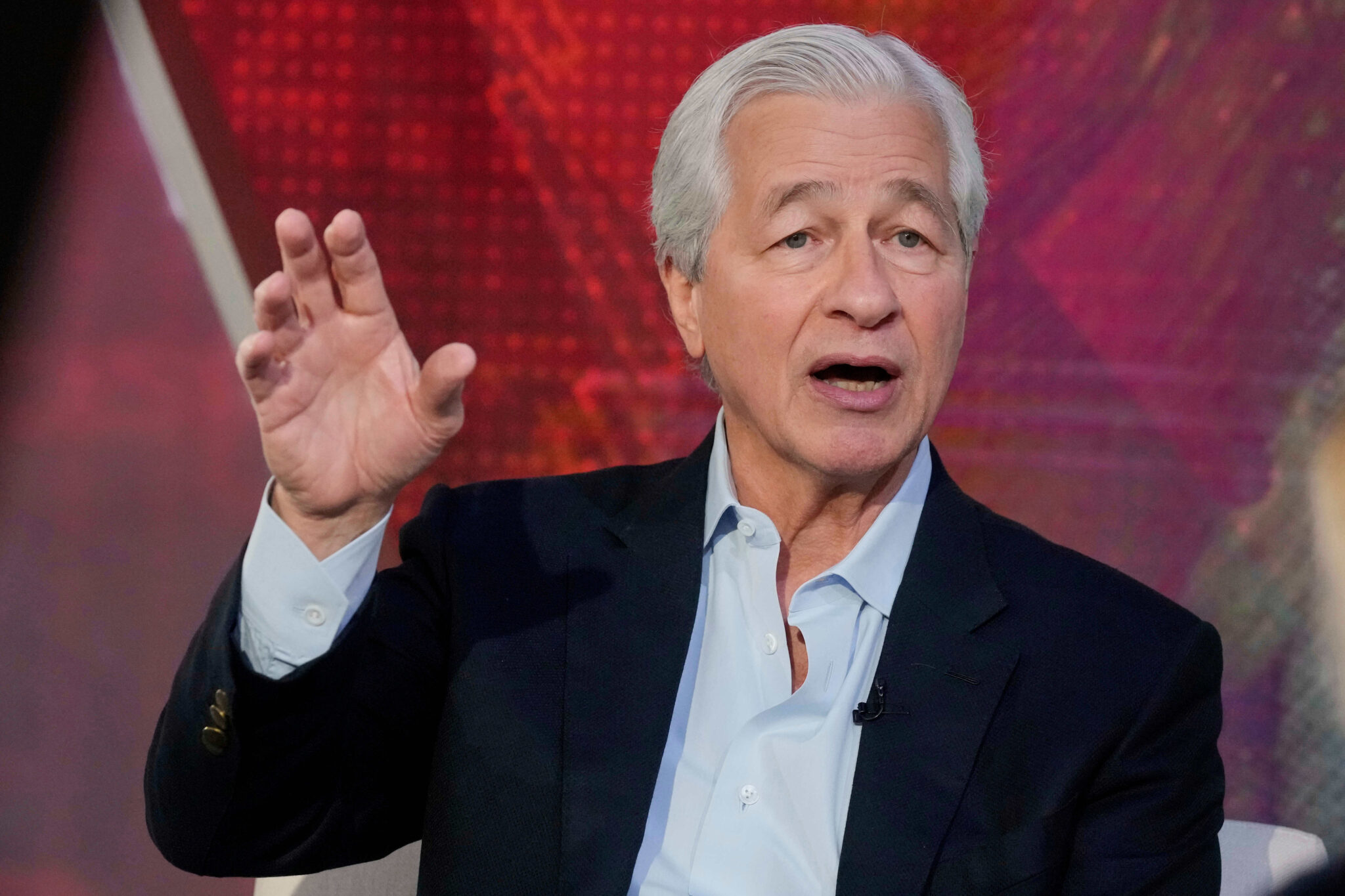
JPMorgan CEO Jamie Dimon Warns Iran War Could Fuel Inflation/ Newslooks/ WASHINGTON/ J. Mansour/ Morning Edition/ JPMorgan CEO Jamie Dimon warned the Iran conflict could reignite inflation. Energy disruptions may force the Federal Reserve to keep rates higher. Despite risks, Dimon said the U.S. economy remains resilient.
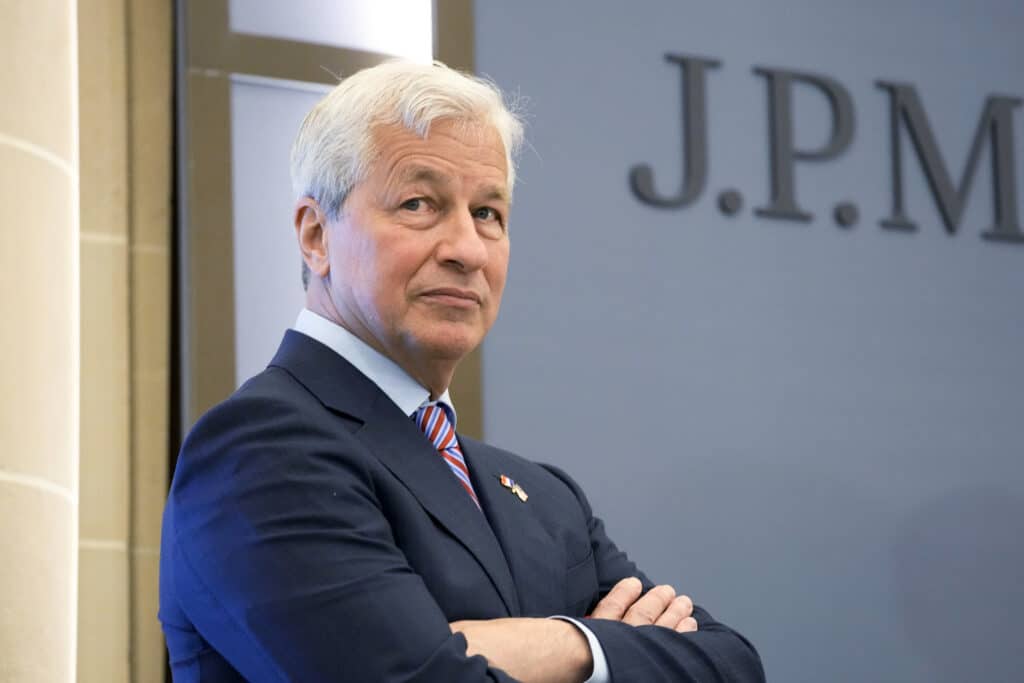
Jamie Dimon Iran Inflation Warning + Quick Looks
- Dimon warns Iran war may raise inflation
- Energy disruptions could increase costs
- Fed may keep interest rates higher longer
- Supply chains at risk from geopolitical tensions
- Consumers and businesses still resilient
- Oil market volatility remains key risk
- Dimon calls inflation “skunk at the party”
- Global economic order could shift
Deep Look: JPMorgan CEO Jamie Dimon Warns Iran War Could Fuel Inflation
JPMorgan Chase CEO Jamie Dimon warned that the ongoing conflict involving Iran could reignite inflation pressures and force the Federal Reserve to keep interest rates elevated for longer, potentially slowing economic growth.
In his annual letter to shareholders, Dimon described inflation as the potential “skunk at the party” for the U.S. economy this year, particularly if disruptions in global energy markets push prices higher.
Dimon said the war’s impact on oil and commodities could ripple across the economy, increasing costs for consumers and businesses alike. Rising energy prices often translate into higher transportation, manufacturing, and food costs — all of which contribute to inflation.
“Given our complex global supply chains, countries are experiencing disruptions in shipbuilding, food and farming, among others,” Dimon wrote in the letter.
The JPMorgan chief emphasized that geopolitical instability could reshape economic conditions and global trade patterns.
“The outcome of current geopolitical events may very well be the defining factor in how the future global economic order unfolds — then again, it may not,” Dimon added.
Inflation Could Keep Interest Rates Elevated
Dimon warned that renewed inflation pressures could limit the Federal Reserve’s ability to cut interest rates, forcing policymakers to keep borrowing costs higher for longer.
Higher interest rates typically slow economic growth by increasing costs for mortgages, business loans, and credit cards. Prolonged high rates could weigh on financial markets and economic expansion.
The Federal Reserve has already maintained elevated interest rates in recent months as inflation pressures lingered above its target level.
Dimon’s comments highlight concerns that geopolitical conflict — particularly involving major oil-producing regions — could complicate the Fed’s efforts to stabilize prices.
U.S. Economy Still Showing Strength
Despite the risks, Dimon struck an optimistic tone about the overall strength of the U.S. economy.
“Despite the unsettling landscape, the U.S. economy continues to be resilient, with consumers still earning and spending, though with some recent weakening, and businesses still healthy,” Dimon wrote.
Consumer spending and job growth have remained relatively strong, helping support economic momentum even amid global uncertainty.
Geopolitical Risks Remain
Dimon also highlighted broader geopolitical risks tied to instability in the Middle East. He pointed to long-standing tensions involving Iran and their potential economic consequences.
“We should not turn a blind eye to the role the current regime in Iran has played in fostering terrorism and killing thousands of people, including Americans and many of its own citizens, over many years,” Dimon wrote.
Dimon’s annual shareholder letters often address major global economic issues. In past years, he has discussed the COVID-19 pandemic, political instability, global financial risks, and trade tensions.
This year’s warning underscores growing concern among financial leaders that geopolitical conflict — particularly involving energy markets — could shape the economic outlook for months or years ahead.
As the Iran conflict continues, investors, policymakers, and businesses are closely monitoring oil prices, supply chains, and inflation indicators to gauge the broader economic impact.