Russia, China Veto UN Resolution Aimed at Reopening Strait of Hormuz/ Newslooks/ WASHINGTON/ J. Mansour/ Morning Edition/ Russia and China vetoed a U.N. resolution aimed at reopening the Strait of Hormuz. The vote came hours before Trump’s deadline warning of major attacks on Iran. The failed measure highlights growing global divisions as oil prices surge.
Russia China Veto Quick Looks
- Russia and China veto U.N. resolution
- Vote: 11 in favor, 2 against, 2 abstentions
- Resolution aimed to reopen Strait of Hormuz
- One-fifth of global oil passes through strait
- Trump issued 8 p.m. deadline to Iran
- Resolution weakened to gain Russia, China support
- Iran blockade driving global oil price surge
- Gulf nations warn of existential energy threat
- U.N. Security Council divided over war response
- Conflict now entering fifth week
Deep Look: Russia and China Block U.N. Effort to Reopen Strait of Hormuz
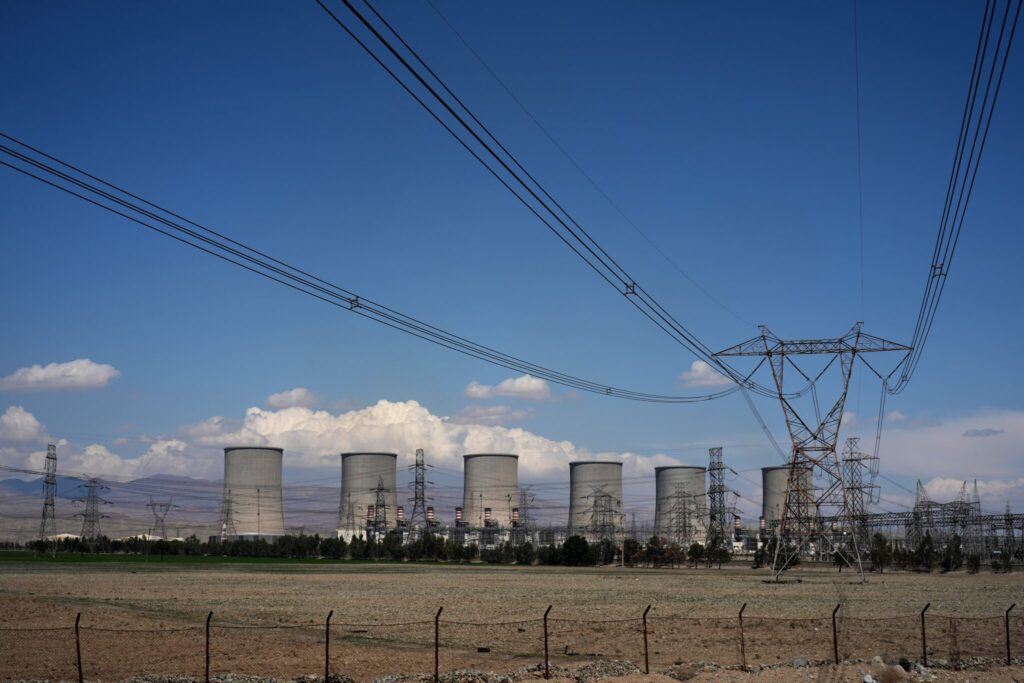
UNITED NATIONS — Russia and China vetoed a United Nations Security Council resolution Tuesday aimed at reopening the critical Strait of Hormuz, highlighting deep global divisions as tensions escalate in the Middle East and oil prices continue to climb.
The vote — 11 countries in favor, two opposed, and two abstentions — came just hours before a deadline set by U.S. President Donald Trump demanding Iran reopen the strategic waterway or face major military strikes targeting power plants and bridges. The Strait of Hormuz is one of the world’s most important energy chokepoints, with roughly one-fifth of global oil shipments typically passing through the narrow passage.
Despite the urgency, diplomats acknowledged that the resolution had already been significantly weakened in an attempt to avoid a veto from Russia and China. Even if adopted, analysts said the measure likely would have had limited impact on the conflict, which has now entered its fifth week.
Resolution Weakened Multiple Times
The original draft, proposed by Bahrain, included language authorizing countries to use “all necessary means” to ensure safe passage through the Strait of Hormuz — a phrase commonly interpreted as allowing military intervention.
However, Russia, China, and France — all permanent Security Council members with veto power — objected to authorizing the use of force. Negotiators then revised the resolution to allow only “defensive means necessary” to protect commercial shipping.
As negotiations continued, the proposal was further watered down. References to formal Security Council authorization were removed entirely, and the resolution’s scope was limited solely to the Strait of Hormuz instead of surrounding waters.
The final version that failed Tuesday only “strongly encouraged” countries to coordinate defensive efforts, such as escorting commercial ships and deterring attempts to block shipping lanes.
The resolution also called on Iran to halt attacks on commercial vessels and stop targeting civilian infrastructure connected to maritime traffic.
Oil Markets and Global Economy at Risk
Iran’s blockade of the Strait of Hormuz has triggered significant economic concerns worldwide. The disruption has contributed to soaring oil prices and raised fears of supply shortages, especially among Gulf nations heavily dependent on energy exports.
Bahrain, which hosts the U.S. Navy’s Fifth Fleet and currently holds the rotating presidency of the Security Council, pushed strongly for the resolution, arguing that the blockade posed an existential threat to regional economies.
The United States has also increased pressure on Iran. President Trump warned Monday that Iran must reopen the waterway or face overwhelming military action. He repeated the warning Tuesday, stating that a “whole civilization will die tonight” if Iran failed to comply with the deadline.
Russia and China Blame U.S., Israel
Russia’s U.N. Ambassador Vassily Nebenzia and China’s Ambassador Fu Cong blamed the United States and Israel for triggering the conflict, arguing that the priority should be ending military operations rather than expanding enforcement actions.
Both diplomats called for an immediate ceasefire and warned that further escalation could deepen the global crisis.
Their positions reflect broader geopolitical tensions, with Russia and China increasingly aligned against Western-led efforts to pressure Iran.
Previous Resolution Passed Earlier
The Security Council had previously adopted a Bahrain-sponsored resolution on March 11 condemning Iran’s attacks on Gulf countries and calling for an end to disruptions in the Strait of Hormuz.
That measure passed with 13 votes in favor, while Russia and China abstained. It condemned Iran’s actions as a threat to international peace and called for restoring safe navigation.
However, Tuesday’s veto underscored growing divisions within the Security Council as the conflict intensifies.
Conflict Enters Dangerous Phase
With the U.N. divided and diplomatic efforts struggling, the situation remains volatile. Iran’s continued control of the Strait of Hormuz has increased pressure on global energy markets, while Trump’s military threats have raised fears of a broader regional war.
As tensions rise and negotiations stall, the failure of the Security Council to reach consensus signals growing uncertainty about how — or whether — the international community can prevent further escalation.