Fed Official Beth Hammack Signals Possible Rate Hike Amid Inflation Concerns/ Newslooks/ WASHINGTON/ J. Mansour/ Morning Edition/ A Federal Reserve official warned interest rates could rise if inflation persists. Higher gas prices tied to the Iran conflict are fueling inflation concerns. The Fed may also cut rates if economic growth weakens.
Fed Rate Hike Inflation Quick Looks
- Fed official warns of possible rate hike
- Inflation remains above 2% target
- Gas prices rising due to Iran conflict
- Fed may also cut rates if economy slows
- Inflation forecast to jump to 3.1%
- Gas prices reach $4.12 nationwide
- Borrowing costs could increase
- Markets watching upcoming inflation reports
- Trump previously urged rate cuts
- Fed balancing inflation and unemployment risks
Deep Look: Fed Official Signals Possible Rate Hike As Inflation Concerns Grow
WASHINGTON — A top Federal Reserve official signaled that interest rate increases may be necessary if inflation remains elevated, highlighting growing concerns among policymakers about rising gas prices and persistent inflation pressures.
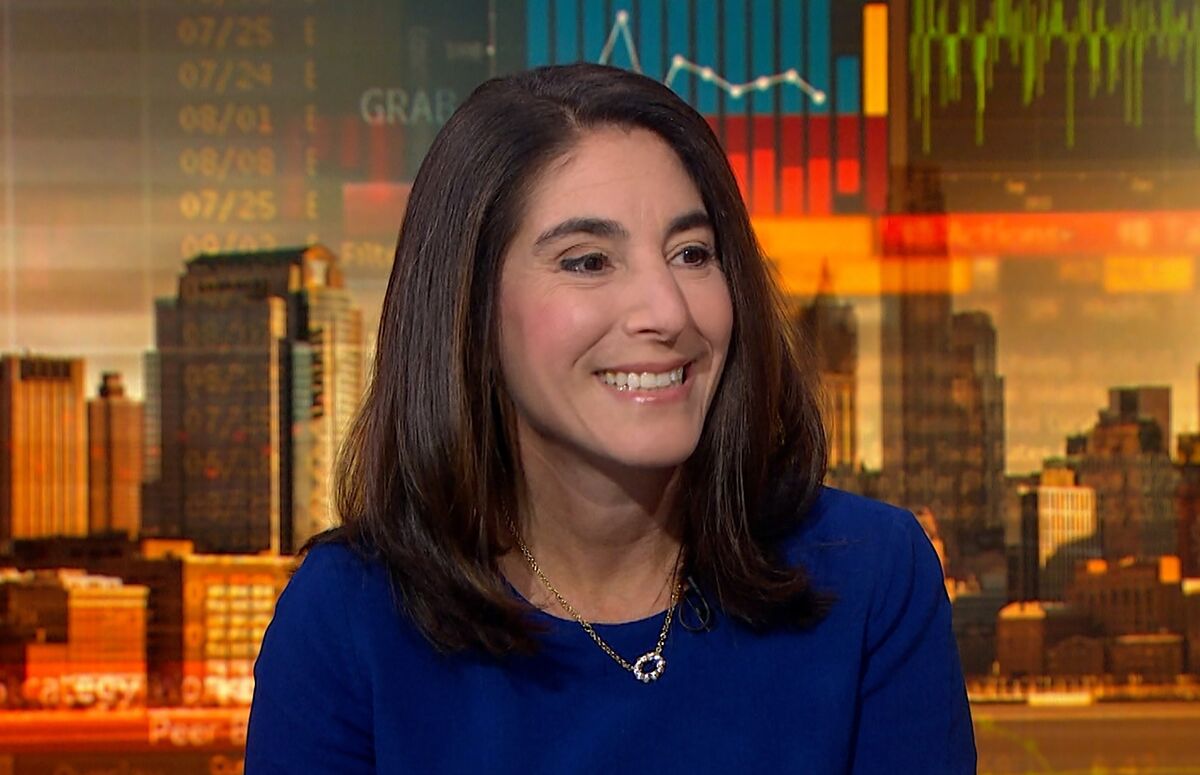
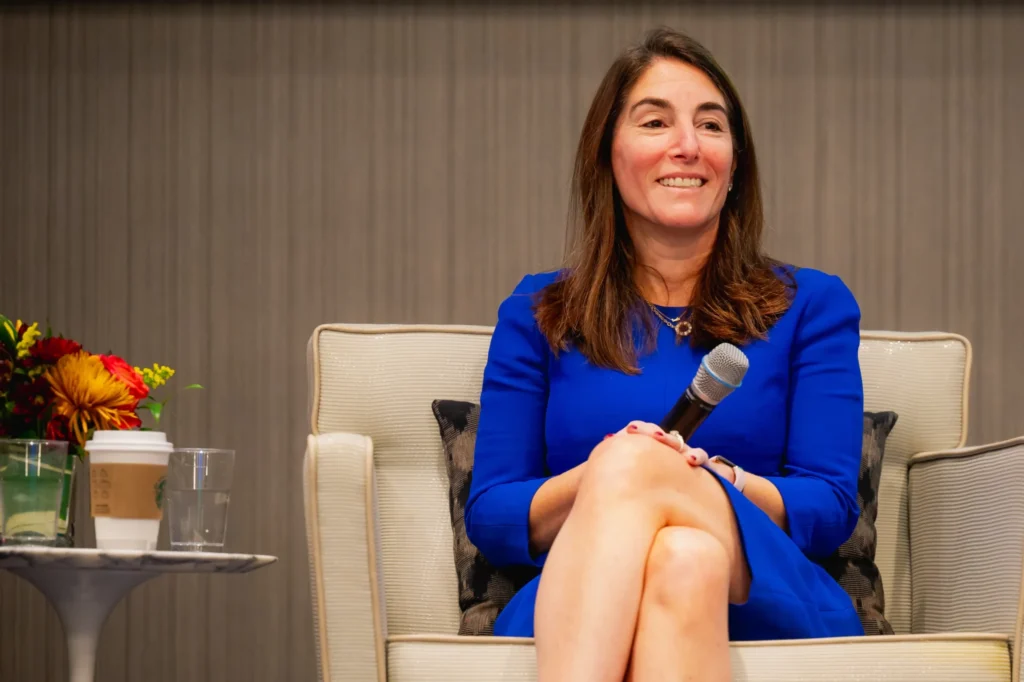
Beth Hammack, president of the Federal Reserve Bank of Cleveland, said that her preference is to keep interest rates steady for now, but she acknowledged that policymakers may need to raise borrowing costs if inflation continues to run above the Fed’s 2% target.
“I can foresee scenarios where we might need to raise rates if inflation stays persistently above our target,” Hammack said. She also noted the Fed could cut rates if economic conditions weaken and unemployment rises.
Inflation Pressures Mount
Hammack’s comments reflect increasing concern among Federal Reserve officials that inflation — already elevated before the Iran conflict — could accelerate further due to rising energy prices.
Gasoline prices have surged nationwide, averaging $4.12 per gallon Monday, according to AAA. That represents an increase of roughly 80 cents over the past month, largely driven by geopolitical tensions and disruptions in oil supply.
Higher energy costs typically ripple across the economy, pushing up transportation, food, and manufacturing costs. These increases can lead to broader inflation, complicating the Fed’s policy decisions.
Hammack said inflation has remained above the Fed’s target for more than five years and warned that further increases would move inflation “in the wrong direction.”
Inflation Forecasts Rising
Economists expect upcoming inflation data to show worsening price pressures. A March inflation report scheduled for release Friday is projected to show annual inflation climbing to 3.1%, up from 2.4% in February.
On a monthly basis, consumer prices are expected to rise 0.8% — the largest increase in nearly four years.
Meanwhile, Cleveland Fed estimates suggest inflation could reach 3.5% in April, potentially marking the highest level since 2024.
The Commerce Department is also set to release the Fed’s preferred inflation gauge, though it may not fully capture the recent surge in gas prices tied to the Iran conflict.
Mixed Policy Outlook
Hammack emphasized that the Fed faces a complicated balancing act. Rising gas prices can increase inflation but also slow economic growth by reducing consumer spending.
If higher fuel costs lead consumers to cut back on purchases, businesses may respond by reducing hiring or laying off workers. In that case, the Fed could consider cutting interest rates to support economic growth.
“The No. 1 thing” Hammack hears about from people in her district is rising gas prices, she said, noting that fuel costs take a growing share of household budgets.
Her district includes Ohio and parts of Pennsylvania, West Virginia, and Kentucky.
Other Officials Open to Rate Hikes
Hammack is not alone in raising the possibility of rate increases. Chicago Fed President Austan Goolsbee has also indicated that rate hikes could be necessary if inflation worsens.
Additionally, minutes from a recent Federal Reserve meeting revealed that several policymakers supported adjusting communications to reflect the potential for “upward adjustments” to interest rates.
Such a shift would mark a major change from late last year, when the Federal Reserve cut rates three times to support economic growth.
Political Pressure Likely
Any rate hike could spark criticism from President Donald Trump, who has repeatedly urged the Federal Reserve to lower rates.
Trump has called for the central bank’s benchmark rate to fall to 1%, well below the current level of roughly 3.6%.
Higher interest rates would increase borrowing costs for consumers and businesses, including mortgages, auto loans, and credit cards — potentially slowing economic growth.
War Impact Adds Uncertainty
The conflict, now in its sixth week, has already lasted longer than expected and contributed to rising inflation concerns.
With new inflation data arriving soon, investors and policymakers will closely watch the numbers for clues about the Fed’s next move.