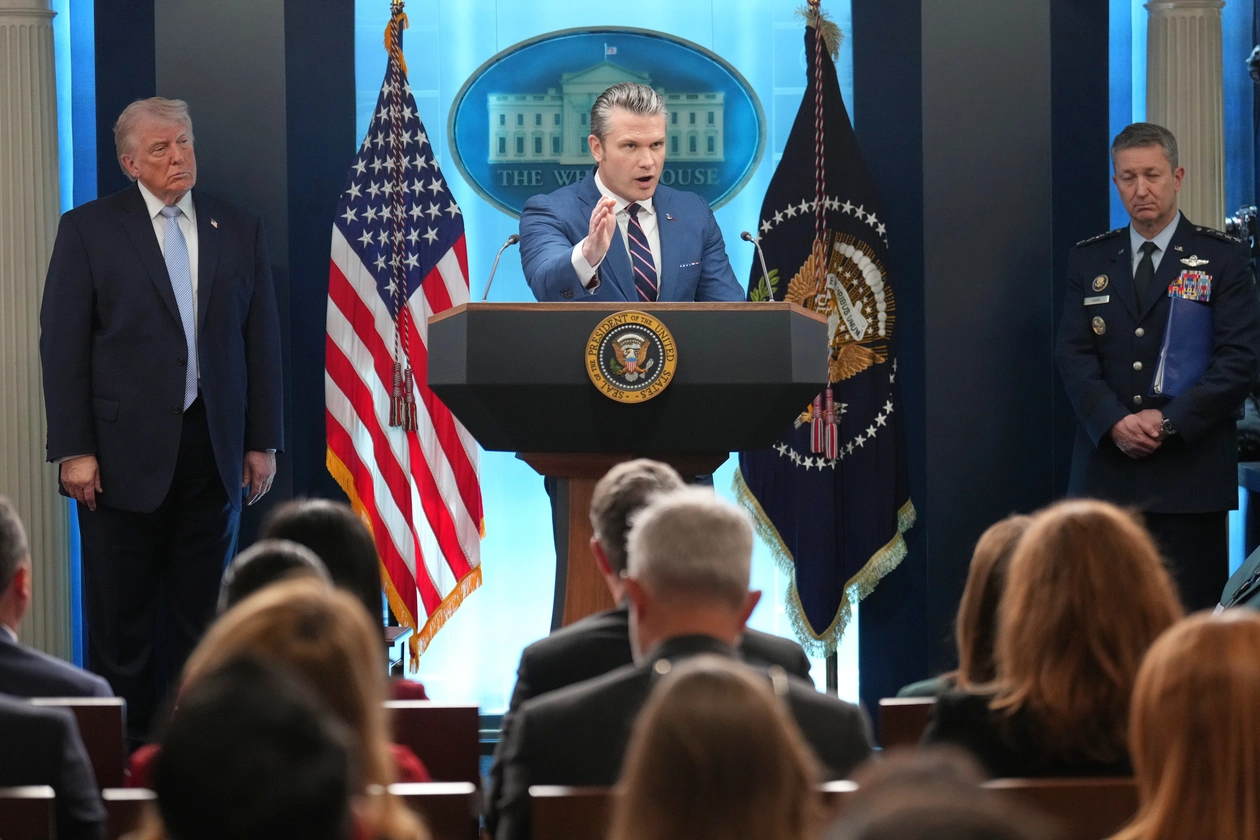
Pentagon Expands Iran Strike Options as Trump Faces War Crime Concerns/ Newslooks/ WASHINGTON/ J. Mansour/ Morning Edition/ Pentagon officials are expanding potential Iranian strike targets. The move may help avoid accusations of targeting civilian infrastructure. Trump faces mounting pressure ahead of a key Iran deadline.
Pentagon Iran Strike Plans Quick Looks
- Pentagon expanding Iran strike targets
- Dual-use energy sites under consideration
- Trump threatens infrastructure attacks
- War crime concerns raised by officials
- U.S. hit more than 13,000 targets
- Strait of Hormuz blockade increases pressure
- Pentagon lawyers and oversight reduced
- Military reviewing dual-use infrastructure legality
- Diplomacy continues ahead of deadline
- Critics warn of civilian harm risks
Deep Look: Pentagon Expands Iran Strike Options as Trump Faces War Crime Concerns
WASHINGTON — Pentagon officials are expanding potential strike targets in Iran to include facilities that support both civilian and military operations, a move that could give President Donald Trump additional options while avoiding accusations of violating international law.
Defense officials said war planners are revising the list of targets as U.S. and Israeli forces continue their five-week bombing campaign against Iranian military assets. The new targets include energy infrastructure that serves both civilian populations and military forces, making them potentially legitimate under the laws of war.
The shift comes as Trump faces mounting pressure over how to escalate the conflict without crossing legal boundaries or committing ground troops to a potentially prolonged war.
Trump Faces Limited Options
As the conflict continues, U.S. forces have already struck more than 13,000 targets in Iran, according to U.S. Central Command. With military targets becoming harder to identify, officials say the administration is weighing additional options.
Trump has publicly threatened to destroy bridges and power plants if Iran fails to reach a deal by an 8 p.m. deadline. The president said Monday that “every bridge in Iran will be decimated” and power plants would be destroyed.
However, targeting purely civilian infrastructure could violate international law and prompt accusations of war crimes.
The new strategy — focusing on dual-use facilities — may offer a legal workaround.
Dual-Use Infrastructure Debate
Officials said some facilities, such as power plants and desalination facilities, serve both civilian populations and military operations. Under international humanitarian law, such sites can sometimes be considered legitimate targets.
Still, Pentagon officials have debated where to draw the line between military and civilian infrastructure.
Some officials expressed concern that expanding target lists too broadly could increase civilian harm and international backlash.
White House: No Decision Yet
The Pentagon referred questions to the White House, which emphasized that no final decision had been made.
White House press secretary Karoline Leavitt said the Pentagon’s planning is designed to provide options for the president, not signal imminent strikes.
“Iran has until 8:00 p.m. tomorrow to make a deal,” she said, adding that failure could result in severe consequences.
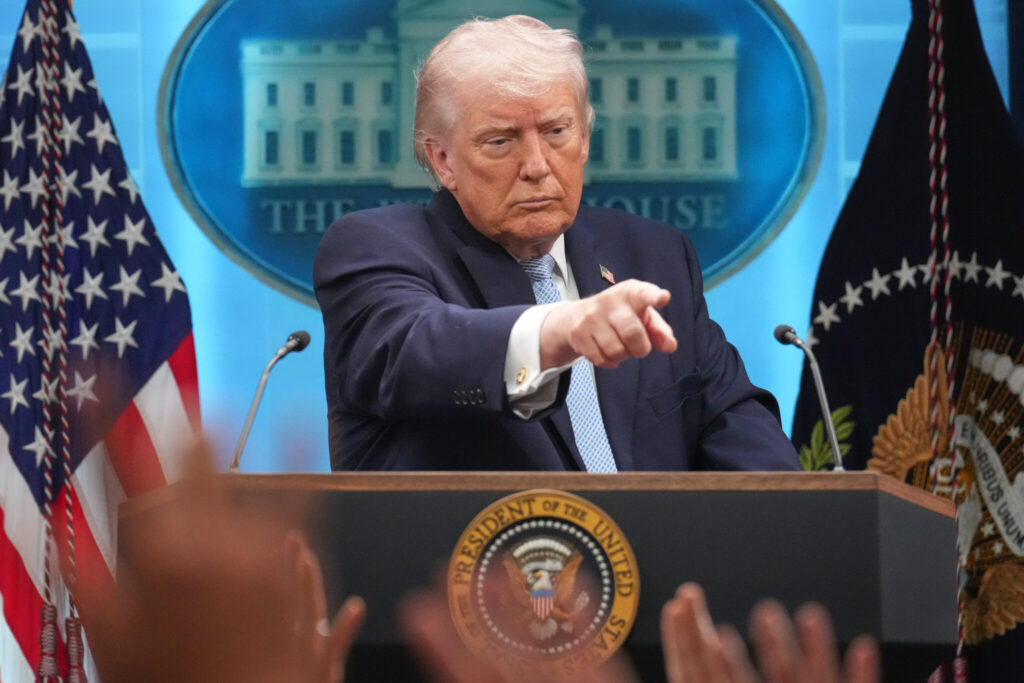
“They want us to keep bombing,” Trump said during a press conference.
Reduced Oversight Raises Concerns
Critics have also raised concerns about reduced oversight within the Pentagon.
Defense Secretary Pete Hegseth previously reduced staffing in offices responsible for assessing civilian harm during military operations, cutting personnel from around 200 employees to fewer than 40.
Those offices previously helped military planners minimize civilian casualties and reviewed strikes afterward.
Hegseth also cut the number of legal advisers, including judge advocate generals who provide guidance on the legality of military operations.
Legal Experts Weigh In
Some experts say dual-use infrastructure can legally be targeted, but caution is required.
Sean Timmons, a former Army legal officer, said civilian infrastructure used by military forces may qualify as legitimate targets under international law.
However, he warned that expanding strikes too broadly could increase civilian suffering and complicate strategic goals.
“If your objective is degrading military capacity, indiscriminate bombing could prolong suffering,” he said.
Critics Raise Humanitarian Concerns
Advocacy groups have also criticized the potential strategy.
The group described Trump’s threats as “reckless” and warned they could increase civilian suffering.
High-Stakes Decision Ahead
With Trump’s deadline approaching, Pentagon planners are preparing for multiple scenarios.
The administration faces a difficult balance:
- Escalate strikes and risk war crime accusations
- Deploy ground troops and risk prolonged conflict
- Seek diplomatic resolution
The expanded target list gives Trump additional options as the conflict enters a critical phase.