Oil Nears $100 as Stocks Stall Over Iran Ceasefire Doubts/ Newslooks/ WASHINGTON/ J. Mansour/ Morning Edition/ Oil prices climbed toward $100 as doubts grew over the Iran ceasefire. Stocks slowed after strong gains fueled by ceasefire optimism. Inflation and interest rate concerns weighed on markets.
Oil Prices Market Reaction Quick Looks
- Oil climbs near $100 per barrel
- Stocks pull back after strong rally
- Iran mining Strait of Hormuz fears
- Global markets slow after gains
- Inflation concerns pressure investors
- Treasury yields rise again
- Federal Reserve rate cuts uncertain
- US economic data mixed
- Global stocks decline
- Energy volatility drives market caution
Deep Look: Oil Prices Climb Toward $100 as Ceasefire Doubts Hit Markets
NEW YORK — Oil prices climbed toward $100 per barrel Thursday while global stock markets slowed following uncertainty surrounding the fragile ceasefire between the United States, Iran, and Israel.
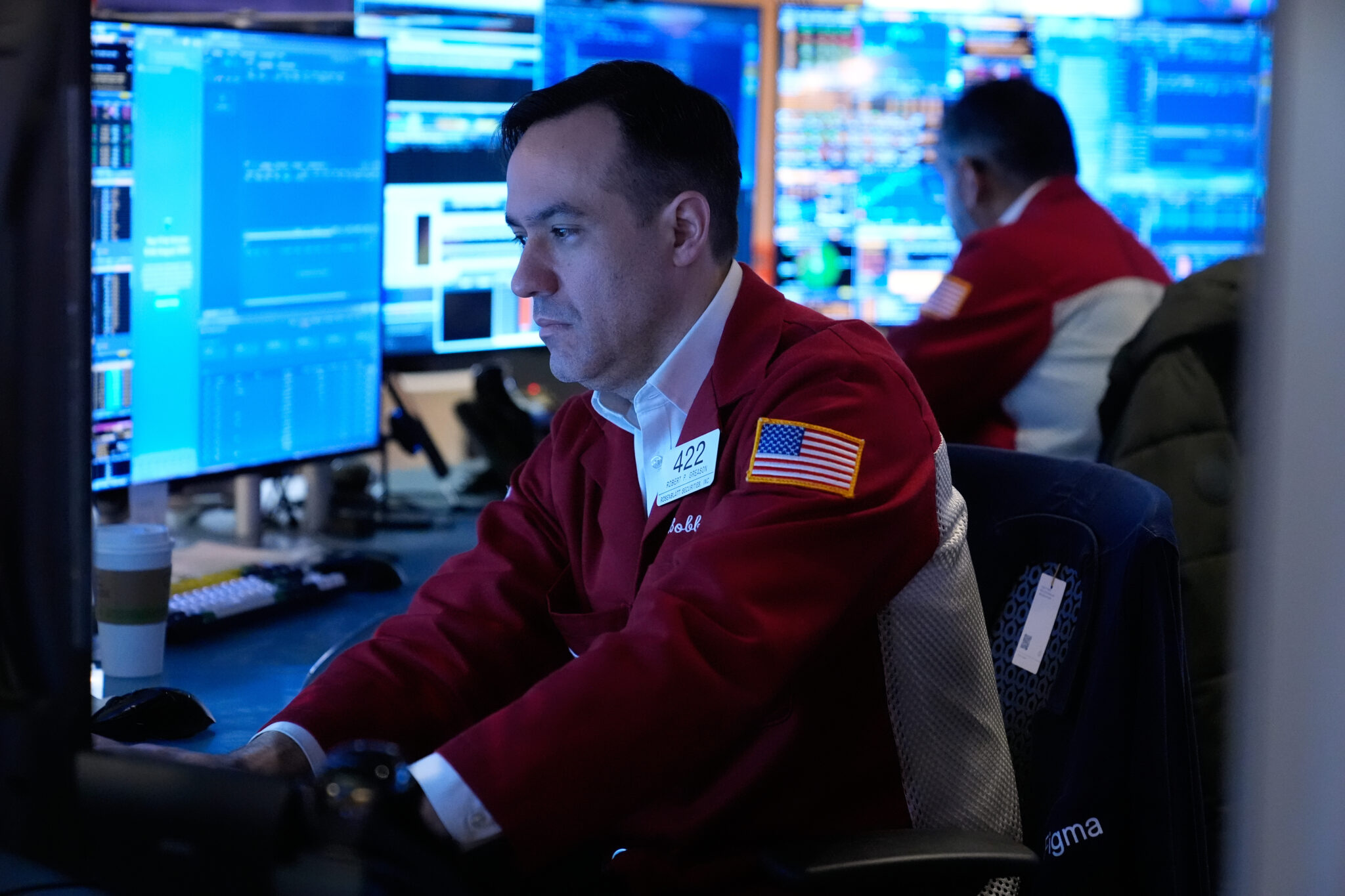
The S&P 500 slipped 0.1% in early trading, while the Dow Jones Industrial Average fell about 40 points. The Nasdaq composite also edged down 0.2% as investors weighed geopolitical risks and economic uncertainty.
The modest pullback followed a strong rally Wednesday, when markets surged after news of the two-week ceasefire.
Oil Prices Surge Again
Oil markets showed the biggest volatility.
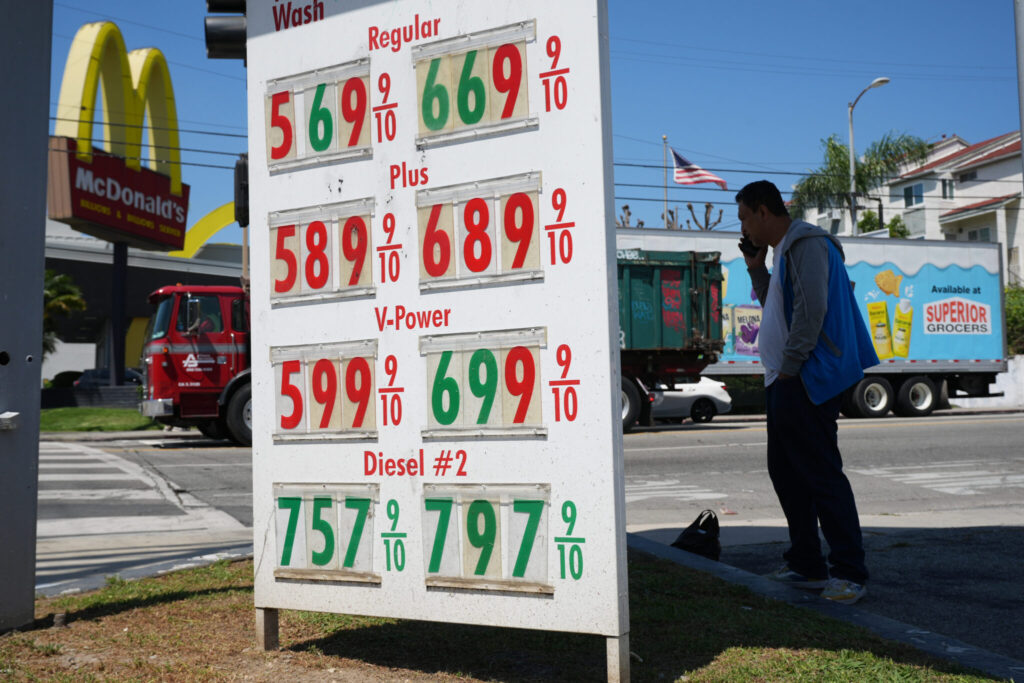
- U.S. crude rose 6.8% to $100.79 per barrel
- Brent crude climbed 3.7% to $98.24
- Oil previously surged to $119 during peak tensions
The increase followed reports from Iranian semi-official media suggesting that Iranian forces may have mined the Strait of Hormuz.
The Strait of Hormuz is one of the world’s most important oil transit routes, handling significant global energy shipments. Any disruption threatens supply and drives prices higher.
Even after Wednesday’s drop, oil prices remain well above pre-war levels of about $70 per barrel.
Ceasefire Doubts Drive Volatility
Markets initially rallied on hopes the ceasefire would stabilize the region. However, disagreements between the U.S., Iran, and Israel quickly dampened optimism.
Strategists at Macquarie warned that elevated oil prices could persist.
They noted risks of renewed fighting and potential supply hoarding, which could keep oil prices high even without direct disruptions.
Stocks Mixed Across Wall Street
Several companies saw notable moves:
- Simply Good Foods fell 15.1% after weak revenue
- Constellation Brands rose 5.3% after strong earnings
Simply Good Foods, maker of Quest and Atkins brands, reported disappointing results and announced operational changes.
Constellation Brands, which sells Modelo beer and Robert Mondavi wines, reported strong quarterly performance but withdrew long-term forecasts due to uncertainty.
Economic Data Adds Pressure
Mixed U.S. economic reports also weighed on markets.
One report showed inflation remained slightly higher than expected in February, even before geopolitical tensions escalated.
Another report showed jobless claims increased last week, hinting at possible slowing in the labor market.
Although layoffs remain historically low, rising claims suggest economic pressure may be building.
Treasury Yields Rise
Bond markets reflected uncertainty as Treasury yields fluctuated.
The 10-year Treasury yield rose to 4.31%, up from 4.29% the previous day.
Yields had already jumped from 3.97% before the conflict began, pushing borrowing costs higher for:
- Mortgages
- Business loans
- Consumer credit
Higher yields typically weigh on stock valuations.
Federal Reserve Faces Difficult Choices
Rising oil prices could keep inflation elevated, complicating Federal Reserve policy decisions.
If inflation remains high:
- Rate cuts may be delayed
- Interest rates could remain elevated
- Economic growth may slow
Minutes from the Fed’s latest meeting suggested some officials are even considering further rate increases.
Global Markets Also Decline
Stock markets outside the U.S. also weakened:
- South Korea’s Kospi fell 1.6%
- Germany’s DAX dropped 1.4%
The declines reflected global concern about energy prices and geopolitical instability.
Outlook Remains Uncertain
Investors continue to monitor developments in the Middle East.
Key factors influencing markets include:
- Ceasefire stability
- Strait of Hormuz shipping
- Oil supply disruptions
- Inflation trends
- Federal Reserve policy
With oil prices rising and ceasefire uncertainty growing, markets remain cautious.