Iranian Americans Brace for Uncertainty After Trump Iran Ultimatum, Ceasefire/ Newslooks/ WASHINGTON/ J. Mansour/ Morning Edition/ Iranian Americans expressed fear following Trump’s Iran ultimatum. A fragile ceasefire brought relief but continued uncertainty. Families worry about loved ones and future escalation.
Iranian Americans Reaction Quick Looks
- Iranian Americans fear escalation
- Trump ultimatum sparks anxiety
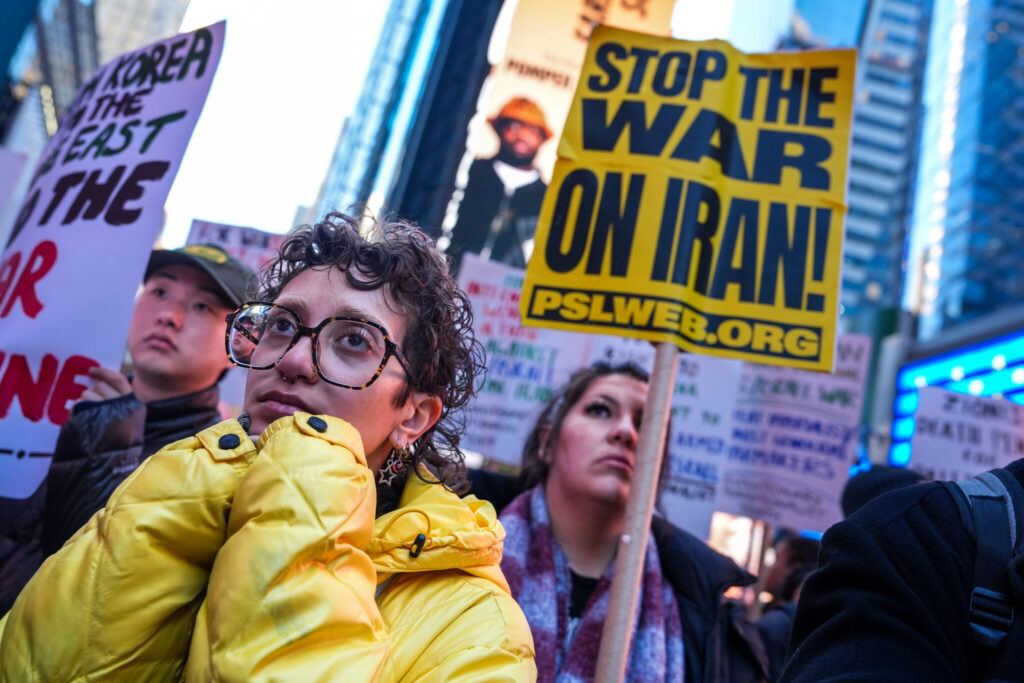
- Protests held across major cities
- Families worry about relatives in Iran
- Internet blackout complicates communication
- Ceasefire offers temporary relief
- Mixed views on U.S. military action
- Concerns about civilian casualties
- Diaspora faces emotional uncertainty
- War impacts families across generations
Deep Look: Iranian Americans Brace for Uncertainty After Trump Ultimatum, Ceasefire
Iranian Americans across the United States are grappling with fear, uncertainty, and emotional strain following President Donald Trump’s ultimatum to Iran and the fragile ceasefire that followed.
For many, the moment created deep anxiety about loved ones overseas and the potential consequences of escalating conflict.
Zainab Haider was driving home with her two young children Tuesday when she contemplated the deadline set by Trump for Iran to comply with U.S. demands. She worried whether her relatives in Iran would remain safe or face devastating consequences.
Her emotions ranged from fear and anxiety to loneliness, as everyday life around her continued normally despite the looming threat of conflict. When Trump later agreed to a two-week ceasefire rather than following through on his warning that “a whole civilization will die tonight,” the sudden shift created another wave of emotional uncertainty.
For Haider and many Iranian Americans, the rapid changes in rhetoric and policy have created a constant state of tension.
Protests Across US Cities
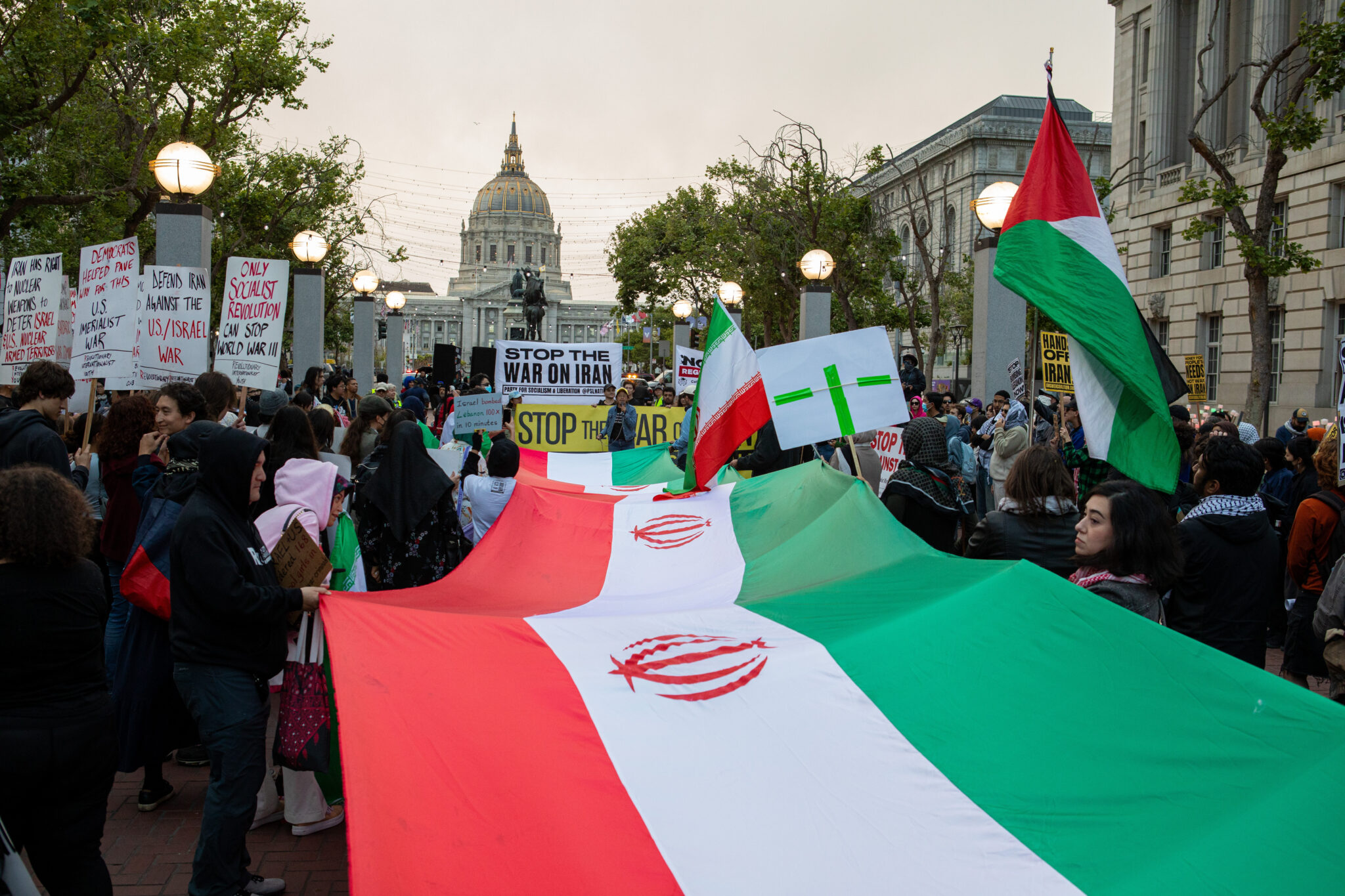
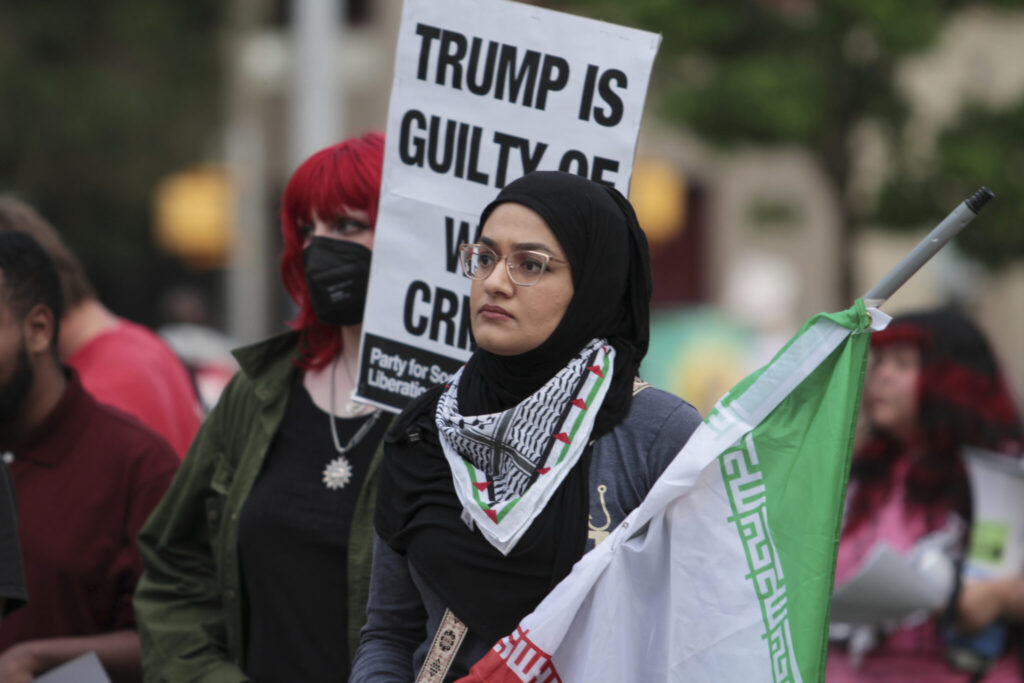
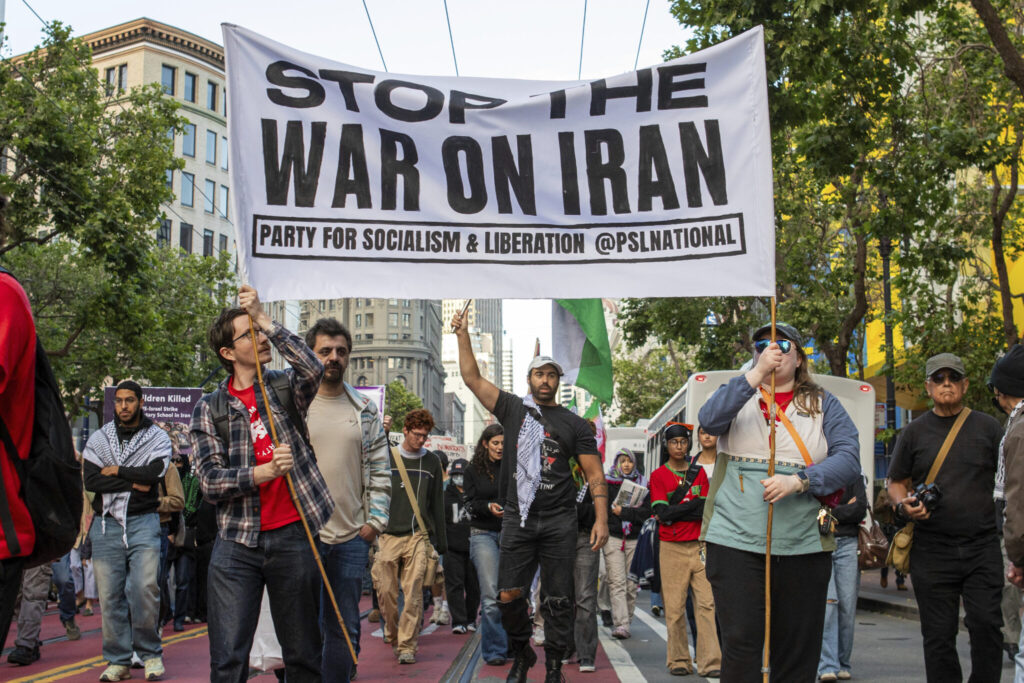
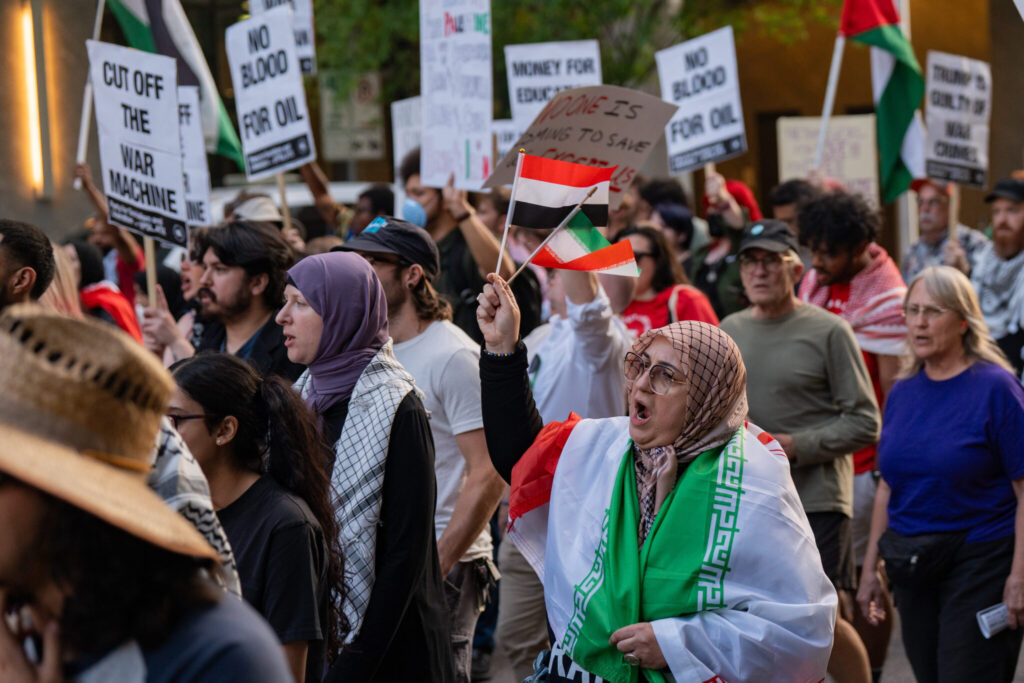
Haider joined protests in Austin, Texas, calling for an end to the war. Similar demonstrations took place across the country, including:
- New York
- Boston
- Chicago
- Los Angeles
- San Francisco
Participants called for diplomacy and de-escalation while urging policymakers to avoid further military action.
Haider believes public pressure may discourage further aggressive policies.
“It’s a huge country,” she said, referring to Iran. “It is possible to do damage. It is possible to affect millions of people, millions of lives.”
Fear for Family Members in Iran
Many Iranian Americans expressed concern for family members still living in Iran.
Sheila Amir, a writer based in North Carolina, said Trump’s statements left her fearful for relatives overseas.
She has been unable to confirm their safety due to internet outages across Iran.
At the same time, Amir worries about U.S. relatives serving in the military.
She said their role should be protecting the United States, not participating in attacks that could harm civilians.
Complex Views Within Iranian American Community
Not all Iranian Americans share the same views on the conflict.
Some support efforts that weaken Iran’s government but remain concerned about civilian casualties.
Roya Rastegar, an Iranian-American filmmaker and co-founder of the Iranian Diaspora Collective, described difficult conversations with her family.
Both she and her wife have family members in Iran, and some relatives were killed by Iran’s government in past decades.
Rastegar said the uncertainty has made it difficult to explain events to their children.
“It’s very hard to hold on to the idea that we do not know what’s going to happen,” she said.
Moral Dilemmas for Families
Many Iranian Americans face complicated emotional and political dilemmas.
Some fear continued attacks will harm civilians, while others worry that easing pressure on Iran’s government could lead to continued repression.
Rastegar described feeling caught between competing fears:
- Harm from military escalation
- Continued repression within Iran
“It’s really nauseating to think about my people being stuck between a regime that’s still killing them and an administration issuing these threats,” she said.
Emotional Toll of Uncertainty
Some reported:
- Difficulty concentrating at work
- Constant monitoring of news
- Anxiety about family safety
- Emotional exhaustion
The uncertainty surrounding negotiations and ceasefire stability continues to weigh heavily.
Fragile Ceasefire Offers Temporary Relief
The two-week ceasefire provided temporary relief but did not eliminate concerns.
Many Iranian Americans remain cautious, fearing that hostilities could resume.
With negotiations ongoing and tensions still high, families continue watching developments closely.
For Iranian Americans, the conflict is not just geopolitical — it’s deeply personal.