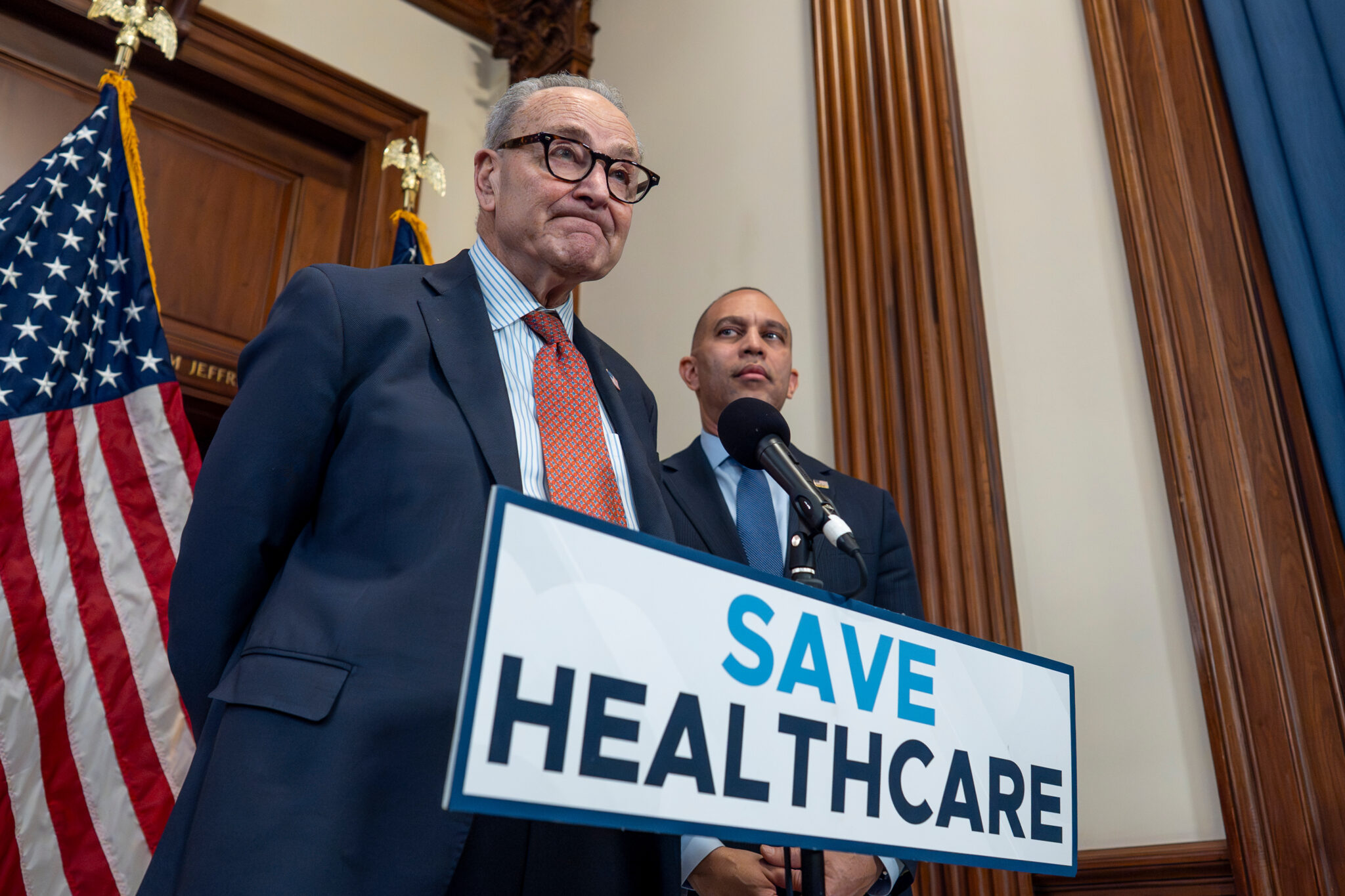
ACA Premium Hikes Loom as Enrollees Struggle Financially/ Newslooks/ WASHINGTON/ J. Mansour/ Morning Edition/ Affordable Care Act enrollees face major premium increases as federal subsidies expire. A new poll reveals most are already financially strained and fear further hardship. Bipartisan support exists to extend the tax credits, but Congress remains divided.
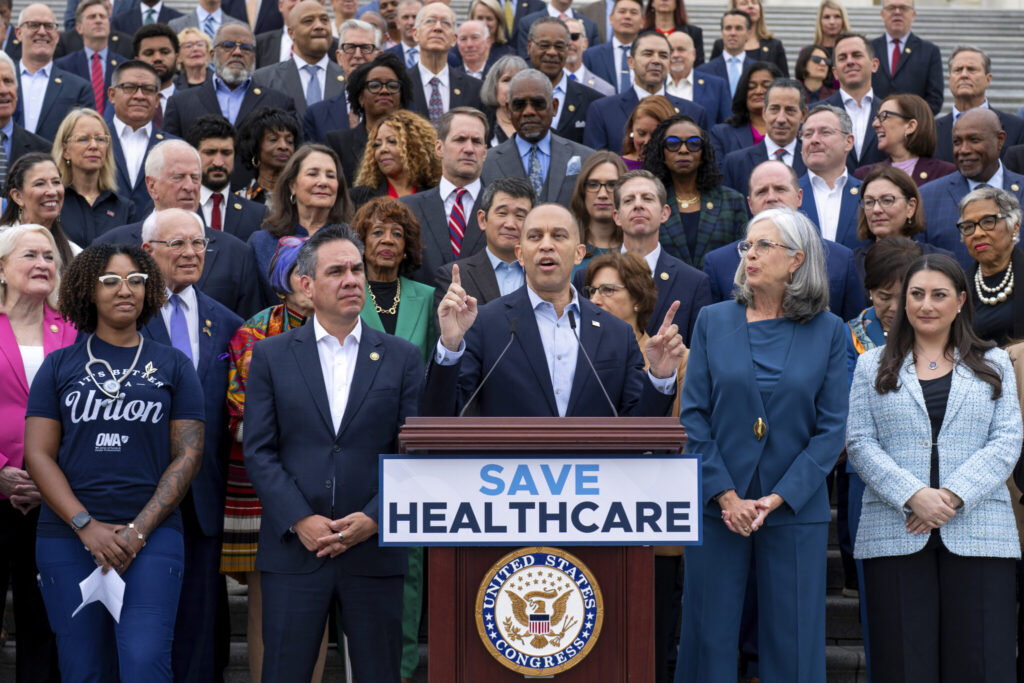
ACA Premium Crisis Quick Looks
- ACA enrollees expect premium hikes of $200 or more
- COVID-era tax credits set to expire by year’s end
- Majority of enrollees say they already struggle with health costs
- KFF poll: 60% find out-of-pocket expenses hard to manage
- Over 90% rely on subsidies to afford ACA plans
- Most enrollees blame Republicans if subsidies lapse
- Bipartisan voter support for extending tax credits
- Lawmakers remain gridlocked on permanent or temporary fix
Deep Look:
ACA Enrollees Face Steep Premium Increases as Poll Highlights Rising Financial Strain
WASHINGTON — Americans who rely on the Affordable Care Act (ACA) for health insurance are bracing for significant premium increases next year, as temporary COVID-era subsidies are set to expire. A newly released poll from health policy nonprofit KFF underscores the financial hardship many enrollees already face — and their deep concern about the future of affordable coverage.
For 52-year-old Dinam Bigny, a program manager in Aldie, Virginia, the cost of staying insured is already unsustainable. His current health insurance premium sits at nearly $900 a month. Come January, that figure will spike by another $200.
“I can’t afford it,” Bigny said, explaining that he’s already exhausted his emergency fund and taken on a roommate just to get by. “I really drained out any savings that I have right now.”
Bigny’s story mirrors the anxieties of many enrollees surveyed in the KFF poll, which found overwhelming concern that health care costs will continue to rise unless Congress extends the enhanced premium tax credits implemented during the pandemic. These subsidies currently assist more than 90% of marketplace participants with the cost of their monthly premiums — but are scheduled to end in just weeks.
Subsidy Expiration Could Double Monthly Premiums
According to KFF’s analysis, the expiration of these credits could more than double the average monthly payments for subsidized enrollees. That’s particularly devastating for low- and middle-income Americans already navigating high out-of-pocket costs, deductibles, and copays.
Roughly 60% of ACA enrollees report it’s either “somewhat” or “very” difficult to afford out-of-pocket medical expenses. Slightly fewer — about half — say the same about monthly premium payments. Most respondents said they could not absorb even a $300 yearly increase without severely disrupting their household budgets.
“These are often people living paycheck to paycheck or with unpredictable income,” said Cynthia Cox, a KFF vice president who leads ACA research. “Even small increases can cause financial hardship.”
Widespread Concern About 2025 Cost Increases
Over half of respondents in the KFF poll said they expect their health insurance costs to increase “a lot more than usual” in 2025. Another 40% expect moderate or typical increases.
Larry Griffin, a 56-year-old investment banker from Paso Robles, California, is already seeing those increases. His gold-tier plan, currently costing $920 per month, is expected to jump to approximately $1,400. That’s in addition to higher copays and annual out-of-pocket maximums.
Though Griffin says he can technically afford the higher premium, the impact on his retirement savings is concerning. Following a leg amputation and other serious health issues, he considers staying insured non-negotiable.
“I’m not going to say I can’t manage it,” he said. “But it’s just another burden added on.”
Patricia Roberts, a 52-year-old full-time caregiver in Alabama, anticipates a premium jump from $800 to $1,100. While she believes she can manage the increase, she fears others, especially friends in neighboring Georgia who are facing even higher hikes, may not be able to cope.
“I don’t know how people are going to live,” Roberts said. “It’s already hard enough just to afford food and bills.”
Poll Reveals Bipartisan Support for Extending Tax Credits
The KFF poll also highlights a rare area of bipartisan agreement among voters: extending the tax credits. Nearly all Democrats, eight in ten independents, and about seven in ten Republicans enrolled in ACA marketplace plans support the continuation of the enhanced subsidies.
This includes Republicans both inside and outside the MAGA movement, indicating that support for affordable health care crosses ideological lines — even if elected officials remain divided.
Yvette Laugier, 56, a Republican in Chicago who doesn’t qualify for the subsidies, still supports a temporary extension, provided there are safeguards against fraud.
“They need time,” she said, referring to lower-income enrollees. “Let them figure out their options.”
Among those favoring an extension, blame for inaction is also bipartisan — but heavier on one side. About 40% of respondents said President Donald Trump would be most to blame if the tax credits expire, while a third cited Republicans in Congress. Only 23% held Democrats chiefly responsible.
Bigny, in Virginia, believes both parties share responsibility. But he remains hopeful lawmakers will find common ground.
“They should just sit and really look for what’s best for American people overall,” he said.
Congressional Gridlock Threatens ACA Stability
Despite strong public support, the future of the subsidies remains uncertain. The enhanced tax credits were initially part of pandemic relief measures and later extended under Democratic leadership. But the latest efforts to secure another extension have stalled amid partisan conflict.
Earlier this year, disagreements over how to handle the ACA tax credits contributed to a record-setting 43-day government shutdown. Since then, little progress has been made toward a long-term solution.
President Trump and some congressional Republicans have floated proposals for a short-term extension or structural ACA reforms, but none have gained traction. With the current enrollment window set to close soon and the subsidies expiring at year’s end, millions of Americans could face unaffordable premiums in early 2026.
Marketplace Enrollees Left in Limbo
For now, enrollees are urged to re-evaluate their options during the open enrollment period. But many are finding that switching plans offers little relief.
Health insurance experts warn that significant increases — not just in premiums, but also in deductibles and out-of-pocket limits — will push many families into difficult choices: either absorbing costs they can’t afford or going without essential coverage.
Cox, from KFF, points out that while some high-income individuals also use ACA plans, the overwhelming majority of marketplace enrollees are low- to moderate-income individuals, gig workers, and small business owners.
“These are the people who don’t have access to employer-sponsored insurance and rely heavily on the ACA,” she said. “Without the subsidies, many will be forced to go uninsured.”